Introduction
In a culinary world dominated by rich gravies, heavy spices, and elaborate cooking techniques, there exists a humble dish that quietly champions simplicity, nutrition, and balance—Santula. Originating from the eastern Indian state of Odisha, Santula is a traditional mixed vegetable preparation that reflects the essence of mindful cooking.
Unlike many Indian curries that rely on complex spice blends and oil-heavy bases, Santula takes a completely different approach. It focuses on natural flavors, minimal seasoning, and gentle cooking methods, making it one of the healthiest dishes in Indian cuisine. The beauty of Santula lies not just in its taste but in its philosophy—it is food that heals, nourishes, and comforts.
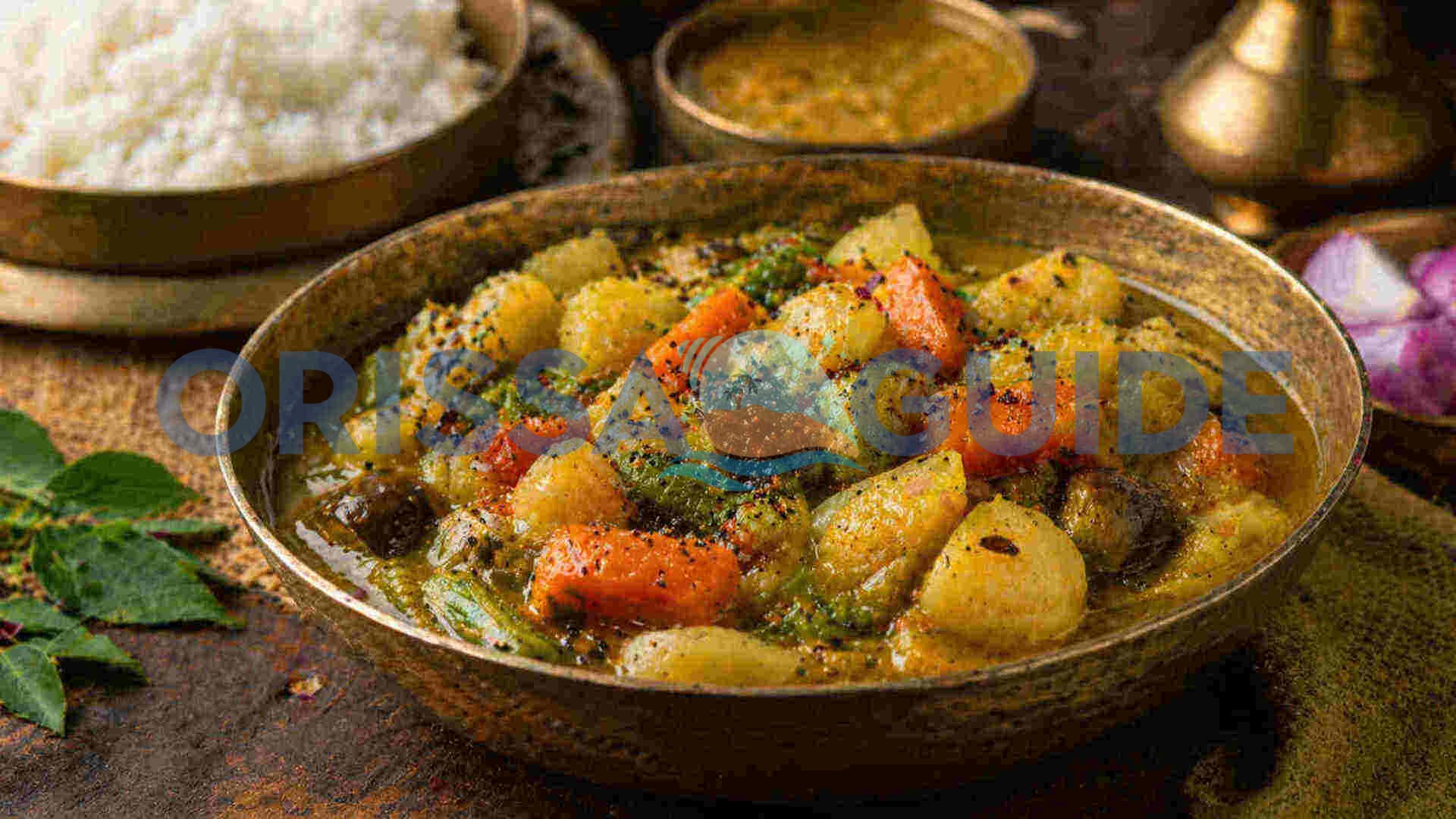
Often described as a light vegetable curry or stew, Santula is made using a combination of seasonal vegetables that are either boiled or lightly sautéed and then tempered with mustard oil, garlic, and mild spices. The result is a dish that is:
- Light yet satisfying
- Subtle yet flavorful
- Nutritious yet easy to digest
This dish is especially popular among people who prefer clean eating or need a diet that is gentle on the stomach. It is commonly served in Odia households as part of daily meals and is often recommended during illness or recovery due to its soothing nature.
In this comprehensive guide, you will explore everything about Santula—from its origins and preparation methods to its variations, nutritional benefits, and modern relevance.
What is Santula? Understanding the Dish in Depth
Santula is a traditional Odia vegetable dish made by cooking a mix of vegetables with minimal spices and oil. It is one of the simplest yet most nourishing dishes in the region’s cuisine.
Meaning of Santula
The word “Santula” is believed to mean “mixed” or “combined”, referring to the way different vegetables are brought together in one dish. This concept of combining ingredients in a balanced manner is central to Odia cooking traditions.
Key Characteristics of Santula
- Made with mixed vegetables
- Low in oil and spices
- Light and easy to digest
- Can be prepared in multiple ways
Santula is not meant to be bold or overpowering. Instead, it emphasizes the natural taste of vegetables, enhanced with subtle seasoning.
Types of Santula: Exploring Its Variations
Santula is a versatile dish that can be prepared in different styles depending on personal preference and dietary needs.
1. Sijha Santula (Boiled Version)
This is the simplest form of Santula:
- Vegetables are boiled with salt
- Minimal or no tempering
- Extremely light and soothing
This version is often consumed:
- During illness
- As part of detox diets
- For digestive issues
2. Bhaja Santula (Tempered Version)
This is the more commonly prepared version:
- Vegetables are boiled first
- Then sautéed with mustard oil, garlic, and spices
- Slightly richer in flavor
It retains the lightness of the dish while adding a mild aromatic depth.
3. Pani Santula
- Has more liquid content
- Similar to a light stew
- Ideal for those who prefer soupy dishes
Cultural Significance: A Reflection of Odia Food Philosophy
Santula is more than just a dish—it is a reflection of Odisha’s culinary philosophy, which emphasizes balance, simplicity, and nourishment.
A Daily Staple in Odia Homes
In many households:
- Santula is part of everyday meals
- It is served alongside rice and dal
- It acts as a balancing dish for heavier items
Unlike festive dishes, Santula is associated with daily comfort and routine nourishment.
Connection to Health and Healing
Santula is widely regarded as a healing dish because:
- It is low in spice and oil
- It is easy to digest
- It provides essential nutrients
It is often recommended for:
- People recovering from illness
- Elderly individuals
- Those with sensitive digestion
Ayurvedic Relevance
The principles of Santula align closely with Ayurveda:
- Use of seasonal vegetables
- Minimal processing
- Balanced nutrition
This makes it a perfect example of traditional Indian dietary wisdom.
Ingredients: The Heart of Santula
Santula’s simplicity lies in its ingredients, but each one contributes significantly to the final dish.
Common Vegetables Used
- Potato
- Brinjal (eggplant)
- Raw papaya
- Pumpkin
- Carrot
- Beans
- Tomato
- Okra
These vegetables are often chosen based on availability and seasonality, ensuring freshness and nutritional value.
Basic Ingredients
- Mixed vegetables (2–3 cups)
- Mustard oil
- Garlic
- Ginger
- Green or dry red chilies
- Panch phoron or mustard seeds
- Salt
Optional Ingredients
- Badi (sun-dried lentil dumplings)
- Milk (for creaminess)
- Onion
Each ingredient is used sparingly to maintain the dish’s light profile.
Step-by-Step Recipe: How to Make Santula
Step 1: Preparing the Vegetables
- Wash all vegetables thoroughly
- Peel and chop into medium-sized pieces
- Ensure uniform cutting for even cooking
Step 2: Boiling the Vegetables
- Add vegetables to a pot with water and salt
- Cook until they are soft but not mushy
This step ensures the vegetables retain their nutrients while becoming tender.
Step 3: Preparing the Tempering
- Heat mustard oil in a pan
- Add mustard seeds or panch phoron
- Add garlic, ginger, and chilies
This creates the base flavor of the dish.
Step 4: Combining
- Add boiled vegetables to the pan
- Mix gently
- Cook for a few minutes
Step 5: Final Adjustments
- Slightly mash some vegetables for texture
- Adjust salt
- Serve hot
Expert Tips for Perfect Santula
- Use fresh, seasonal vegetables
- Avoid overcooking
- Keep spices minimal
- Use mustard oil for authenticity
- Do not make the dish too thick
Taste, Texture & Flavor Profile
Santula offers a unique eating experience:
Texture
- Soft and slightly mashed
- Light and smooth
Flavor
- Mild and earthy
- Subtle sweetness from vegetables
- Light spice from chilies
It is a dish designed to comfort rather than overwhelm.
Health Benefits of Santula
Santula is a powerhouse of nutrition:
Nutritional Value
- High in fiber
- Rich in vitamins A, C, and K
- Contains essential minerals
Health Benefits
- Improves digestion
- Boosts immunity
- Supports weight management
- Helps detoxify the body
Its low oil and spice content make it ideal for everyday consumption.
Why Santula is Perfect for Modern Diets
In today’s fast-paced lifestyle, Santula offers several advantages:
- Quick and easy to prepare
- Uses simple ingredients
- Supports clean eating
- Suitable for all age groups
It aligns perfectly with modern dietary trends like:
- Low-calorie diets
- Plant-based eating
- Minimalist cooking
Santula stands out for its simplicity and digestibility.
Common Mistakes to Avoid
- Overcooking vegetables
- Adding too many spices
- Using excess oil
- Making it too watery
Serving Suggestions
Santula is best served with:
- Steamed rice
- Dal
- Roti (optional)
It can also be paired with:
- Pakhala bhata
- Simple chutneys
Conclusion
Santula is more than just a vegetable curry—it is a representation of a lifestyle that values simplicity, health, and balance. In a world filled with processed foods and heavy meals, Santula offers a refreshing return to clean, mindful eating.
Whether you are exploring traditional Indian cuisine or looking for a healthy addition to your diet, Santula is a dish that delivers on every front—taste, nutrition, and comfort.
It proves that sometimes, the simplest meals are the most powerful.