
Dhenkanal Tourism, Odisha
Overview of Dhenkanal Tourism
Dhenkanal is a small town in the east-central region of Odisha in eastern India. It took its name from Dhenka, a medieval chieftain among the Savara people. The area is rich in industries related to Rice, Oilseeds, and Timber production and interestingly enough, a center of Handloom Weaving.
Dhenkanal was the erstwhile capital of the princely state of Dhenkanal, which was later integrated into Odisha in 1949 and became part of Odisha state in 1950.
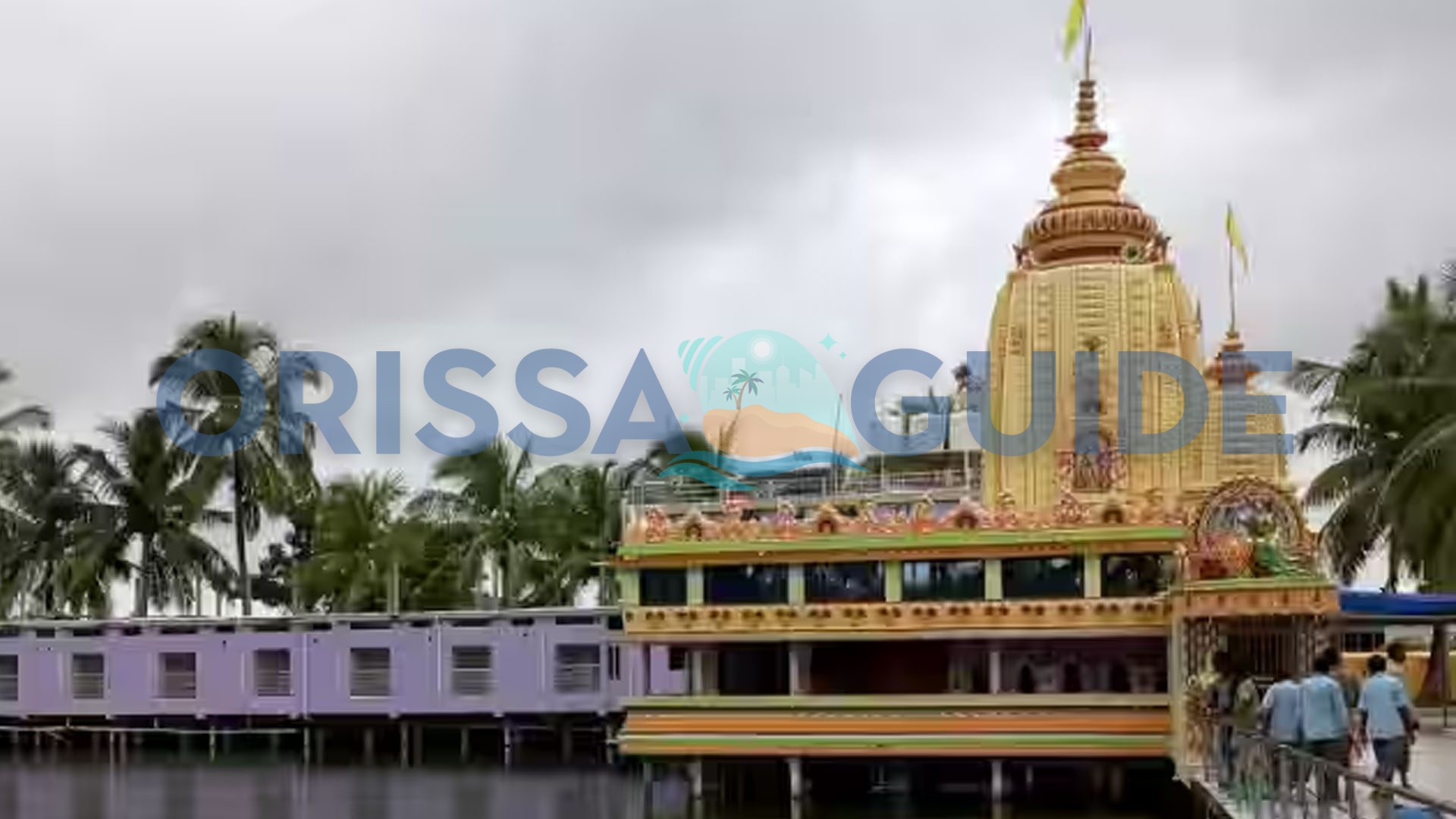
Dhenkanal possesses a long history of great rulers from the 15th and 16th centuries ago and an outstanding exhibition of palaces and forts, as well as age-old archaeological remnants of other times.
Much of the region provides a lush green environment inhabited by various species of Flora and Fauna, including dense forest areas and gushing rivers such as the Brahmani and Mahanadi. Such areas are sure to thrill travelers who are keen on wildlife and natural wonders. The numerous temples that dot this lovely town enhance its Tourism quotient considerably.
| Location | Central Odisha, Eastern India |
| Nickname | Land of Hills, Forests & Heritage |
| Historical | Former princely state under Bhoi dynasty |
| Population (as of 2011) | 13–14 lakh (estimated based on 2011 Census: ~11.9 lakh) |
| Main Attraction | Kapilash Temple & Satkosia Region |
| Nearby Landmark | Bhubaneswar & Cuttack |
| Major Religion | Hinduism (majority) |
Historical & Archaeological Heritage
Dhenkanal has a rich historical legacy rooted in its past as a princely state ruled by the Bhoi dynasty. The rulers played a significant role in shaping the region’s cultural and architectural identity. The Dhenkanal Palace stands as a testament to this royal heritage, reflecting a blend of traditional and colonial architectural styles.
The district also played a role in India’s freedom movement, with local leaders participating in resistance against British rule. The Praja Mandal movement in Dhenkanal is particularly notable, highlighting the region’s contribution to the struggle for independence.
Joranda, the center of Mahima Dharma, adds another dimension to the district’s historical significance. This spiritual movement emerged in the 19th century and continues to influence local culture and beliefs.
Unlike regions dominated by large archaeological monuments, Dhenkanal’s heritage is preserved through its temples, traditions, and historical landmarks.
Religious Significance
Dhenkanal is a prominent spiritual destination in Odisha, with several temples and religious centers attracting devotees throughout the year. The Kapilash Temple, dedicated to Lord Shiva, is the most important religious site in the district. Located atop a hill, the temple requires a climb of over 1,000 steps, making the journey both spiritual and adventurous.
Saptasajya is another significant site, believed to be associated with the Pandavas from the Mahabharata. The area is surrounded by hills and forests, creating a peaceful and sacred environment.
Joranda, the headquarters of Mahima Dharma, is a unique spiritual center where followers practice a distinct form of worship that emphasizes simplicity and devotion.
Festivals such as Maha Shivaratri, Rath Yatra, and local fairs are celebrated with great enthusiasm, reflecting the district’s vibrant religious culture.
Economy & Industrial Growth
Dhenkanal’s economy is a mix of agriculture, forestry, and industrial activities. The fertile land supports the cultivation of crops such as paddy, pulses, oilseeds, and vegetables.
The district is also known for its industrial presence, particularly in sectors like steel, power, and manufacturing. Proximity to industrial hubs like Angul has contributed to economic growth and infrastructure development.
Forest resources play an important role in supporting local livelihoods, with communities relying on timber, bamboo, and minor forest produce.
Tourism is gradually emerging as an important sector, especially with the development of eco-tourism initiatives in wildlife sanctuaries and forest areas.
Famous Tourist Spot in Dhenkanal District
- Kualo Temple
- Radha Krishna Temple
- Jatan Nagar Palace
- Sapteshwar Mahadev
- Naganatheswar Temple
- Nandinia Waterfall
- Sapua Dam
- Sunajhar Waterfall
- Sogar Ausodhiya Aranya
- Kapilash Temple
- Joranda Temple
- Saptasajya Hill
- Raghunath Temple
- Vishnu Temple
- Dandadhar Reservoir
- Tapoban Mahima Ashram
- Dadaraghati Dam
Local Cuisine of Dhenkanal
Dhenkanal’s cuisine reflects the traditional flavors of Odisha, focusing on simple, nutritious, and locally sourced ingredients. Rice is the staple food, served with dal, vegetables, and light curries.
Popular dishes include Dalma, Santula, and Saaga Bhaja, which are commonly enjoyed in everyday meals. The region also offers a variety of pithas such as Enduri Pitha, Manda Pitha, and Arisa Pitha, especially during festivals.
Fish is a common part of the diet, with dishes like Machha Besara prepared using mustard-based gravies. Local beverages like buttermilk and traditional drinks complement the meals.
The cuisine is known for its simplicity and authentic taste, offering visitors a true flavor of Odia culture.
Things to Do in Dhenkanal
Dhenkanal offers a variety of enriching and immersive experiences for travelers seeking nature, culture, and spirituality.
- Trekking to Kapilash Temple is one of the most popular activities, where visitors can climb over a thousand steps through scenic forested surroundings to reach the hilltop shrine, enjoying breathtaking panoramic views of the landscape along the way. For nature lovers, exploring wildlife sanctuaries such as Kapilash and nearby forest regions provides opportunities to walk through dense greenery, observe native flora and fauna, and experience the tranquility of untouched ecosystems.
- History enthusiasts can visit landmarks like Dhenkanal Palace, which reflects the grandeur of the region’s royal past and offers insight into its architectural and cultural heritage.
- Those interested in spirituality can explore Joranda, the center of Mahima Dharma, where visitors can witness unique religious practices and experience a calm, meditative atmosphere unlike conventional temples.
- The district is also a paradise for photography enthusiasts, offering countless opportunities to capture scenic hills, forest trails, wildlife, rivers, and rural life. Travelers can further immerse themselves in the local culture by interacting with communities, observing traditional lifestyles, and experiencing regional festivals and customs.
For those seeking relaxation, Dhenkanal provides a peaceful escape with its quiet natural surroundings, making it an ideal destination to unwind away from the chaos of city life.
Travel Tips for Visitors
- Best Time to Visit: October to February
- Temple Visits: Follow local customs and dress codes
- Trekking: Wear comfortable shoes for hill climbs
- Wildlife Visits: Follow safety guidelines
- Transport: Hire local taxis for convenience
- Accommodation: Available in Dhenkanal town and nearby areas
Why Visit Dhenkanal?
Dhenkanal is a destination that offers a perfect balance of nature, history, and spirituality, making it a truly well-rounded travel experience. Its scenic landscapes, including lush green hills, dense forests, and serene riverbanks, create a peaceful environment for nature lovers. At the same time, its wildlife sanctuaries and eco-tourism spots provide opportunities for adventure, exploration, and a deeper connection with the natural world. The district’s rich cultural heritage, reflected in its temples, palaces, and traditional practices, adds depth and meaning to every visit.
Unlike crowded tourist destinations, Dhenkanal provides a peaceful, authentic, and refreshing atmosphere where travelers can slow down and truly experience their surroundings. The absence of heavy commercialization allows visitors to enjoy the raw beauty of the region while connecting with local culture in a more genuine way. Whether you are trekking through forest trails, visiting spiritual centers like Kapilash and Joranda, or learning about local traditions and rural lifestyles, every experience in Dhenkanal feels personal and enriching. It is a destination that not only offers sightseeing but also leaves you with a sense of calm, cultural appreciation, and lasting memories.
How to Reach Dhenkanal, Odisha
By Road
National Highway 6 connecting Mumbai to kolkata passes through Sambalpur & Sambalpur is Connected to Bhubaneswar through Natinal Highway 42.
By Air
The Nearest airports are Swami Vivekananda International Airport, Raipur (265 K.M) and Biju Pattnaik International Airport, Bhubaneswar (300 K.M).
By Train
Sambalpur is one of the Divisional headquarters of East Coast Railways. There are four Railway stations namely Sambalpur (Khetrajpur), Sambalpur Road (Fatak), Hirakud and Sambalpur City in Sambalpur.