Introduction
India’s dessert landscape is incredibly diverse, with each region offering its own unique flavors, textures, and culinary traditions. Among these, Odisha holds a special place for its mastery of chhena-based sweets, which have gained recognition across the country and beyond. While desserts like rasgulla and chhena poda have become widely popular, there are still hidden gems that deserve equal attention—one of them being Chhena Jhili.
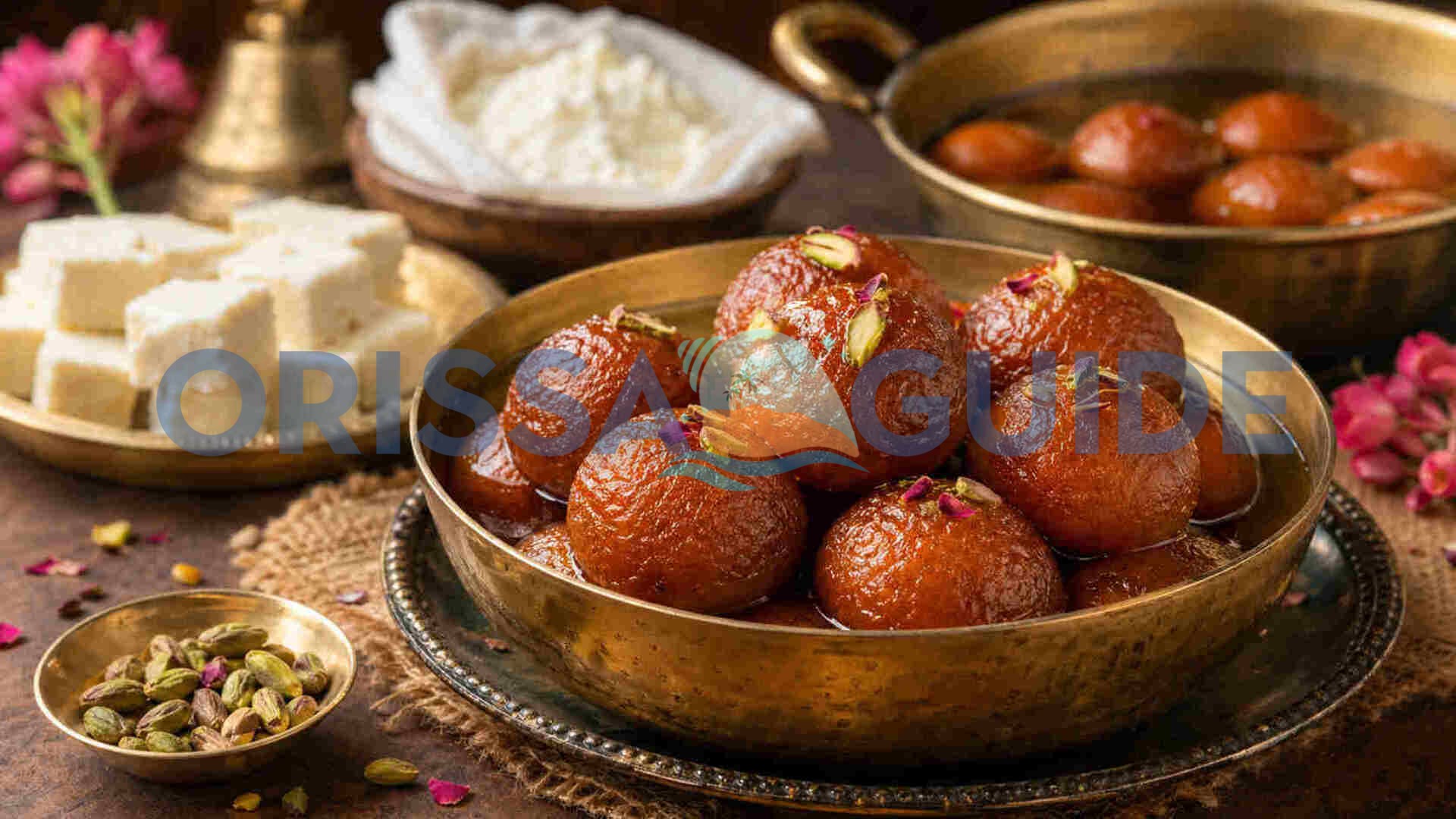
Chhena Jhili is a traditional Odia sweet that combines simplicity with indulgence. At first glance, it may resemble gulab jamun due to its golden-brown appearance and syrupy coating. However, its taste, texture, and preparation method set it apart as a unique delicacy rooted deeply in regional culinary traditions.
This dessert is known for its:
- Soft, melt-in-the-mouth texture
- Juicy syrup absorption
- Light yet satisfying sweetness
Unlike heavier sweets made from khoya, Chhena Jhili uses fresh chhena (cottage cheese), which gives it a lighter and more delicate structure. The process involves kneading chhena into a smooth dough, shaping it into small portions, deep-frying until golden brown, and soaking it in fragrant sugar syrup.
What makes Chhena Jhili truly special is not just its taste but also its cultural significance. It is a sweet that represents tradition, craftsmanship, and the art of balancing flavors with minimal ingredients.
In this comprehensive guide, you will explore everything about Chhena Jhili—from its origins and preparation to its variations, expert tips, and modern relevance.
What is Chhena Jhili?
Chhena Jhili is a deep-fried chhena-based sweet soaked in sugar syrup, known for its soft and juicy texture. It is often compared to gulab jamun, but the two differ significantly in both ingredients and taste.
Meaning of the Name
- Chhena: Refers to fresh cottage cheese
- Jhili: Believed to refer to the fried and soaked nature of the sweet
Together, the name reflects the essence of the dish—a fried chhena preparation immersed in syrup.
Key Characteristics of Chhena Jhili
- Made from fresh chhena
- Deep-fried until golden brown
- Soaked in sugar syrup
- Soft and slightly spongy texture
- Mild sweetness compared to other desserts
Unlike dense sweets, Chhena Jhili has a light and airy structure, making it easier to enjoy even after a full meal.
Origin and Cultural Significance: A Sweet from Nimapada
Chhena Jhili originates from Nimapada, a small town in the Puri district of Odisha. Despite its modest size, Nimapada is widely recognized for its contribution to traditional sweet-making.
The Birth of Chhena Jhili
The exact origins of Chhena Jhili are rooted in local culinary traditions. It is believed that skilled sweet makers in Nimapada experimented with chhena-based recipes, eventually creating this unique dessert.
Over time:
- The recipe was refined
- Techniques were perfected
- The sweet gained popularity across the region
Today, Nimapada is synonymous with authentic Chhena Jhili, attracting food lovers who want to experience its original taste.
Cultural Importance
Chhena Jhili plays an important role in:
- Festivals and celebrations
- Temple offerings (prasad)
- Weddings and special occasions
It is not just a dessert but a symbol of Odisha’s rich culinary heritage.
Ingredients: The Foundation of Flavor and Texture
One of the most remarkable aspects of Chhena Jhili is its simplicity. Despite using basic ingredients, the final result is rich, flavorful, and satisfying.
For the Jhili (Dough)
- Fresh chhena (cottage cheese)
- Semolina (sooji)
- Flour (maida or wheat)
- Cardamom powder
- A pinch of salt
- Optional: a tiny amount of baking soda
For the Sugar Syrup
- Sugar
- Water
- Cardamom pods
- Optional: rose water or saffron
Why Ingredient Quality Matters
- Fresh chhena ensures softness and elasticity
- Proper balance of flour and semolina prevents hardness
- Aromatic ingredients enhance overall flavor
The success of Chhena Jhili depends more on technique than on complex ingredients.
Step-by-Step Recipe: How to Make Chhena Jhili
Step 1: Preparing the Chhena
- Boil milk and curdle it using lemon juice or vinegar
- Strain using a muslin cloth
- Rinse to remove sourness
- Keep slightly moist
Step 2: Kneading the Dough
- Combine chhena with semolina, flour, and spices
- Knead thoroughly for 15–20 minutes
This step is crucial because:
- It creates a smooth texture
- Prevents cracks
- Ensures even cooking
Step 3: Shaping
- Divide dough into small portions
- Shape into balls or discs
- Ensure smooth surfaces
Step 4: Preparing Sugar Syrup
- Boil sugar and water
- Add cardamom
- Maintain a slightly sticky consistency
Step 5: Frying
- Heat oil or ghee on medium flame
- Fry pieces until golden brown
- Stir gently for even cooking
Step 6: Soaking
- Transfer hot pieces into warm syrup
- Let them soak for 1–4 hours
Expert Tips for Perfect Chhena Jhili
- Always use fresh chhena
- Knead until completely smooth
- Fry on medium heat
- Avoid overcrowding the pan
- Use warm syrup for soaking
These tips ensure the perfect balance of texture and flavor.
Taste, Texture & Flavor Profile
Chhena Jhili offers a delightful sensory experience:
Texture
- Slightly crisp outer layer
- Soft and spongy inside
- Juicy due to syrup absorption
Flavor
- Mild sweetness
- Subtle cardamom aroma
- Light caramelization from frying
It is a dessert that feels indulgent without being overly heavy.
Variations of Chhena Jhili
Over time, Chhena Jhili has evolved into several variations:
- Stuffed with dry fruits
- Flavored with saffron
- Infused with rose essence
- Mini bite-sized versions
Each variation adds a new dimension while preserving the essence of the dish.
Health and Nutritional Perspective
While Chhena Jhili is a sweet and should be consumed in moderation, it does offer some nutritional benefits:
Nutritional Highlights
- Protein from chhena
- Energy from sugar
- Calcium from milk
Considerations
- High in sugar and calories
- Deep-fried
It is best enjoyed occasionally as part of a balanced diet.
Why Chhena Jhili is Perfect for Modern Dessert Lovers
In today’s world of fusion desserts and global influences, Chhena Jhili stands out for its authenticity and simplicity.
- Uses natural ingredients
- Offers a lighter alternative to heavy sweets
- Represents traditional craftsmanship
It appeals to those who appreciate:
- Regional cuisine
- Homemade desserts
- Balanced flavors
Common Mistakes to Avoid
- Using dry or stale chhena
- Insufficient kneading
- Over-frying
- Using thick syrup
Avoiding these mistakes ensures the perfect result.
Serving Suggestions
Chhena Jhili is best served:
- Warm or at room temperature
- As a dessert after meals
- During festivals and celebrations
It can also be garnished with:
- Pistachios
- Saffron strands
Conclusion
Chhena Jhili is more than just a dessert—it is a reflection of Odisha’s rich culinary heritage and the art of simple yet skillful cooking. Its soft texture, balanced sweetness, and cultural significance make it a standout among Indian sweets.
In a world filled with overly complex desserts, Chhena Jhili reminds us that true indulgence lies in simplicity. Whether you are a food enthusiast, a home cook, or someone exploring regional Indian cuisine, this sweet is a must-try.
It is a dish that not only satisfies your taste buds but also connects you to tradition, craftsmanship, and the timeless joy of good food.