Introduction
Few Indian sweets carry the cultural pride, historical significance, and emotional connection that Rasagola does in Odisha. Among the many varieties of this beloved dessert, Pahala Rasagola stands out as one of the most iconic and celebrated. Known for its soft texture, caramel-like golden-brown color, juicy consistency, and delicate sweetness, Pahala Rasagola has become much more than a dessert—it represents the culinary identity of Odisha.
Located between Bhubaneswar and Cuttack, the small town of Pahala has gained nationwide recognition for producing this unique variation of Rasagola. Travelers passing through this route often stop specifically to buy fresh Rasagolas from the roadside sweet shops that line the highway. The aroma of freshly prepared chhena sweets, simmering sugar syrup, and traditional cooking methods has made Pahala a landmark destination for food lovers.
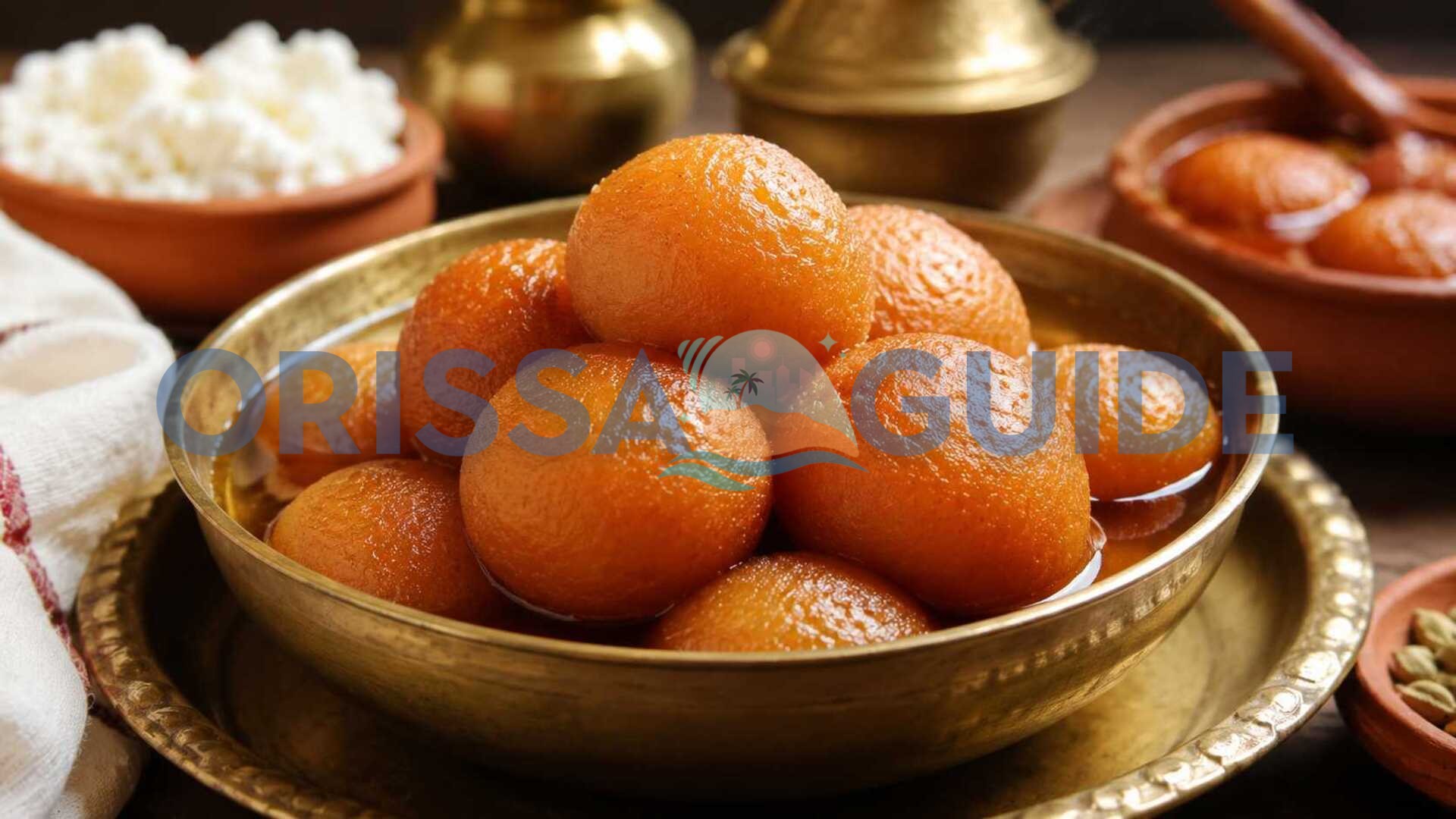
What makes Pahala Rasagola truly special is its authenticity and traditional preparation style. Unlike the white spongy Rasgullas commonly found in other parts of India, Pahala Rasagola has a light golden-brown shade and a softer, slightly denser texture. It is juicy without being excessively syrupy and carries a subtle caramelized flavor that distinguishes it from other versions.
The sweet also gained national attention after Odisha received the Geographical Indication (G.I.) tag for “Odisha Rasagola,” officially recognizing its regional identity and historical roots. This achievement was not just about food—it became a matter of cultural heritage and state pride.
This comprehensive guide explores everything about Pahala Rasagola, including its history, cultural significance, preparation methods, ingredients, G.I. tag recognition, differences from Bengali Rasgulla, nutritional aspects, and why it remains one of Odisha’s most treasured sweets.
What is Pahala Rasagola?
Pahala Rasagola is a traditional Odia sweet prepared primarily from fresh chhena (Indian cottage cheese) and sugar syrup. It is soft, spongy, juicy, and lightly caramelized, giving it its signature golden-brown appearance.
Unlike perfectly white and highly spongy Rasgullas found elsewhere, Pahala Rasagolas are intentionally cooked slightly longer, which allows the sugar to caramelize gently. This creates a richer flavor and a softer texture that melts easily in the mouth.
The sweet is primarily associated with Pahala village, situated on National Highway 16 between Bhubaneswar and Cuttack. Over the years, this area has become famous for its rows of sweet shops selling freshly prepared Rasagolas to locals and tourists alike.
Pahala Rasagola is not simply a commercial dessert. It is deeply connected with Odia culture, religious traditions, and regional identity. For many people in Odisha, celebrations and festivals feel incomplete without Rasagola.
The Historical Origin of Rasagola in Odisha
The history of Rasagola has long been a subject of debate between Odisha and West Bengal. However, Odisha maintains that Rasagola originated centuries ago as part of the rituals associated with Lord Jagannath at the Jagannath Temple in Puri.
According to Odia traditions, a sweet called “Kheer Mohana,” considered an earlier form of Rasagola, was offered to Lord Jagannath and Goddess Lakshmi during religious rituals. One popular belief connects Rasagola to the Niladri Bije ritual, which marks the return of Lord Jagannath to the temple after the annual Rath Yatra.
During this ritual, Lord Jagannath offers Rasagola to Goddess Lakshmi to appease her anger after returning late from the Rath Yatra journey. This ceremonial offering holds deep spiritual significance in Odisha and continues to be practiced today.
Historical references and temple traditions suggest that chhena-based sweets were already part of Odia cuisine long before modern commercial Rasgullas became popular elsewhere.
The debate over the origin eventually led to Odisha receiving the Geographical Indication (G.I.) tag for “Odisha Rasagola” in 2019, recognizing its unique regional variation and historical association.
The Importance of the G.I. Tag
The Geographical Indication (G.I.) tag is an important form of intellectual property recognition given to products that have a specific geographical origin and possess qualities linked to that location.
Receiving the G.I. tag for Odisha Rasagola was a major cultural and emotional victory for Odisha. It officially recognized that Odisha Rasagola is distinct in preparation style, appearance, taste, and historical roots.
The G.I. tag helped preserve:
- Traditional preparation methods
- Regional culinary identity
- Local sweet-making heritage
- Economic value for traditional sweet makers
It also brought national attention to Pahala Rasagola and boosted tourism and local business opportunities in the region.
For many Odias, the G.I. recognition represented acknowledgment of a long-preserved culinary tradition passed down through generations.
Why Pahala Became Famous for Rasagola
Pahala’s strategic location between Bhubaneswar and Cuttack played a major role in its popularity.
- Travelers frequently stopped at roadside sweet shops to buy snacks and sweets during their journeys.
- Over time, Pahala sweet makers became known for producing exceptionally soft and flavorful Rasagolas.
- The concentration of sweet shops in one area created healthy competition, encouraging vendors to perfect their recipes and maintain quality.
- Today, the highway stretch through Pahala is lined with dozens of sweet shops displaying massive containers filled with freshly prepared Rasagolas. The sight and smell of hot syrup and fresh chhena attract thousands of customers daily.
Many families traveling through Odisha consider stopping at Pahala for Rasagola a tradition in itself.
Ingredients Used in Pahala Rasagola
The beauty of Pahala Rasagola lies in its simplicity. Only a few ingredients are needed, yet achieving the perfect texture requires skill and precision.
The primary ingredient is fresh chhena made by curdling milk with acidic agents such as lemon juice or vinegar. The quality of chhena determines the softness and consistency of the final product.
- Sugar is used to prepare the syrup in which the Rasagolas are cooked. Some sweet makers slightly caramelize the sugar to achieve the characteristic golden-brown shade.
- Water is another crucial component because the syrup consistency directly affects texture and juiciness.
- Some traditional recipes may include small amounts of semolina or flour to bind the chhena, though authentic preparations often rely mainly on properly kneaded chhena.
Unlike many modern sweets, Pahala Rasagola does not depend heavily on artificial flavors or elaborate ingredients.
Traditional Preparation Method
The preparation of authentic Pahala Rasagola requires patience, experience, and careful temperature control.
The process begins by boiling milk and curdling it using lemon juice or vinegar. The separated chhena is then strained through cloth and allowed to drain partially.
- Maintaining the right moisture level is essential because overly dry chhena results in hard Rasagolas, while excessive moisture makes them break apart.
- The chhena is kneaded thoroughly until smooth and soft. Small portions are shaped into round balls without cracks.
- Meanwhile, sugar syrup is prepared in large vessels. Traditional sweet makers often cook the syrup over wood-fired stoves, which contributes subtle flavor differences.
- The chhena balls are cooked in boiling syrup until they expand and absorb sweetness. Pahala Rasagolas are typically cooked slightly longer than white Rasgullas, giving them their signature caramelized color and softer texture.
After cooking, the Rasagolas are soaked in syrup to enhance juiciness and flavor absorption.
What Makes Pahala Rasagola Different from Bengali Rasgulla?
One of the most discussed aspects of Rasagola culture is the difference between Odia Rasagola and Bengali Rasgulla.
Color and Appearance
Pahala Rasagola has a light golden-brown color due to caramelization during cooking. Bengali Rasgullas are usually white.
Texture
Odisha Rasagola tends to be softer, juicier, and slightly denser. Bengali Rasgullas are often more spongy and elastic.
Sweetness
Pahala Rasagola has balanced sweetness with mild caramel notes, while Bengali versions are generally sweeter and lighter in flavor.
Cultural Association
Odisha Rasagola is deeply linked with temple rituals and Jagannath traditions. Bengali Rasgulla is more associated with commercial sweet-making heritage.
These distinctions helped establish Odisha Rasagola as a unique regional product deserving separate recognition.
Cultural Importance of Rasagola in Odisha
Rasagola occupies an emotional space in Odia households and celebrations.
It is commonly served during:
- Festivals
- Weddings
- Religious ceremonies
- Family gatherings
- Celebratory events
The Niladri Bije ritual especially highlights the spiritual significance of Rasagola in Odia culture.
Many Odias living outside the state associate Pahala Rasagola with nostalgia and home. Carrying boxes of Rasagola while visiting relatives or returning from Odisha has become a long-standing tradition.
The Role of Pahala Rasagola in Tourism
Food tourism has grown significantly in India, and Pahala Rasagola contributes greatly to Odisha’s culinary tourism.
- Travelers visiting Bhubaneswar, Puri, or Cuttack often stop at Pahala specifically to taste authentic Rasagolas.
- The highway market atmosphere, rows of sweet shops, and live preparation processes create a memorable experience for visitors.
- Many tourists consider Pahala Rasagola one of the must-try foods in Odisha.
Nutritional Value of Pahala Rasagola
Although Rasagola is considered an indulgent dessert, it also contains some nutritional benefits due to its milk-based composition.
Chhena provides:
- Protein
- Calcium
- Healthy fats
- Essential minerals
However, Rasagola also contains significant sugar, making moderation important.
Compared to deep-fried sweets, Rasagola is relatively lighter because it is boiled rather than fried.
Modern variations using reduced sugar or jaggery are becoming increasingly popular among health-conscious consumers.
Modern Variations of Rasagola
As consumer preferences evolve, sweet makers have introduced creative Rasagola variations while preserving traditional methods.
Popular modern versions include:
- Baked Rasagola
- Jaggery Rasagola
- Kesari Rasagola
- Chocolate Rasagola
- Dry fruit stuffed Rasagola
Despite innovation, traditional Pahala Rasagola continues to remain the most respected and authentic version.
Challenges Faced by Traditional Sweet Makers
Traditional Rasagola makers face several modern challenges.
- Mass production and commercialization often prioritize quantity over authenticity. Maintaining traditional preparation methods becomes difficult under competitive market pressure.
- Rising milk prices and ingredient costs also affect small businesses.
- Additionally, imitation products marketed under the Pahala name sometimes dilute authenticity and quality standards.
Preserving genuine preparation techniques is essential for maintaining the reputation of Pahala Rasagola.
Why Pahala Rasagola Continues to Remain Popular
Despite changing food trends and increasing international dessert options, Pahala Rasagola continues to remain deeply loved.
Its enduring popularity comes from:
- Authentic flavor
- Cultural significance
- Traditional preparation
- Emotional nostalgia
- Unique texture and appearance
Unlike trendy desserts that rise and fade quickly, Pahala Rasagola represents timeless culinary heritage.
Tips for Enjoying Authentic Pahala Rasagola
For the best experience:
- Eat it fresh and slightly warm
- Choose reputed traditional shops
- Avoid refrigerated versions when possible
- Pair it with light meals or tea
Freshly prepared Rasagola offers the softest texture and richest flavor.
The Global Appeal of Indian Sweets
Indian sweets are increasingly gaining recognition internationally, and Rasagola plays a major role in introducing global audiences to Indian desserts.
Its simple ingredients and soft texture appeal to people unfamiliar with traditional Indian sweets.
As Odia cuisine gains greater visibility, Pahala Rasagola is becoming an ambassador of Odisha’s culinary heritage worldwide.
Preservation of Culinary Heritage
Traditional foods like Pahala Rasagola are important cultural assets.
Preserving these recipes ensures:
- Culinary diversity
- Cultural continuity
- Economic support for artisans
- Recognition of regional identity
The G.I. tag serves as an important step in protecting this heritage for future generations.
Conclusion
Pahala Rasagola is far more than a sweet dish. It is a symbol of Odisha’s history, spirituality, culture, and culinary artistry. From temple rituals and family celebrations to roadside sweet shops and national recognition through the G.I. tag, this golden-brown delicacy represents the heart of Odia tradition.
Its soft texture, delicate sweetness, and caramelized flavor make it distinct from other Rasagola varieties across India. Yet beyond taste, Pahala Rasagola carries emotional value and cultural pride that generations continue to preserve.
As food culture evolves globally, authentic traditional sweets like Pahala Rasagola remind us of the importance of preserving local culinary identities and celebrating regional heritage through food.