Introduction
Indian street food is known for its diversity, flavor, and deep connection to local culture. Every region of the country has dishes that represent not only culinary traditions but also the lifestyle and identity of the people who prepare and enjoy them. In Odisha, one such beloved street food combination is Bara Ghuguni. This flavorful pairing of crispy lentil fritters, known as bara, and spicy yellow pea curry, called ghuguni, is a staple snack enjoyed by people of all ages.
Bara Ghuguni is more than a quick roadside meal. It is a comfort food deeply associated with daily life, evening gatherings, local markets, school memories, and festive occasions. From small roadside stalls to busy urban food corners, the aroma of freshly fried bara served with steaming ghuguni continues to attract food lovers across Odisha and neighboring regions.
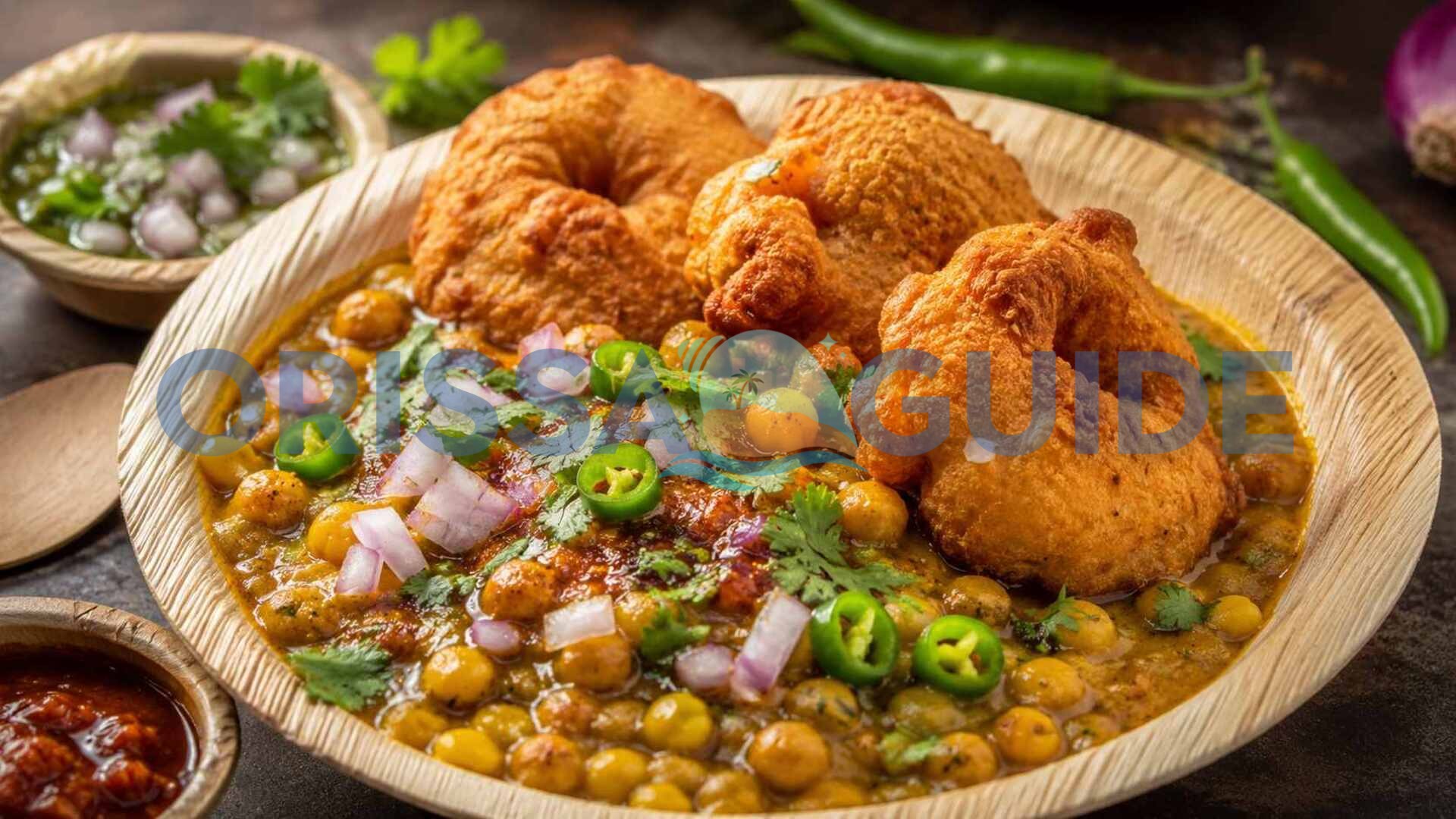
What makes Bara Ghuguni so special is the contrast of textures and flavors. The crispy exterior and soft interior of the bara perfectly complement the thick, spicy, and slightly tangy ghuguni. Topped with chopped onions, green chilies, coriander, and tangy chutneys, the dish creates a rich sensory experience that feels satisfying yet simple.
This detailed guide explores everything about Bara Ghuguni, including its history, ingredients, preparation methods, cultural significance, nutritional aspects, regional variations, street food popularity, and modern adaptations.
Understanding Bara Ghuguni
Bara Ghuguni is essentially a two-part dish. The first component, bara, is a deep-fried lentil fritter made mainly from urad dal or black gram lentils. The second component, ghuguni, is a spicy curry prepared using yellow peas cooked with onions, tomatoes, and aromatic spices.
Although each item can be eaten separately, together they form one of the most iconic street food combinations in Odisha. Vendors usually serve the hot bara on a plate and pour freshly cooked ghuguni over it before adding toppings and seasonings.
The dish is especially popular as:
- Evening street food
- Breakfast snack
- Festival treat
- Tea-time accompaniment
- Local market food
Bara Ghuguni is appreciated because it is filling, flavorful, affordable, and easy to prepare in large quantities.
The Cultural Importance of Bara Ghuguni
Food often reflects the social and cultural identity of a place, and Bara Ghuguni is no exception. In Odisha, the dish has become deeply woven into local food culture.
For many people, Bara Ghuguni carries nostalgic value. It reminds them of childhood evenings after school, family outings, temple visits, and busy local markets filled with food stalls. The dish is commonly sold near bus stands, colleges, office areas, and weekly bazaars, making it an everyday part of urban and rural life alike.
The popularity of Bara Ghuguni also highlights the importance of lentil-based foods in Eastern Indian cuisine. Lentils are affordable, nutritious, and versatile, making them a staple ingredient in traditional cooking.
Unlike expensive restaurant dishes, Bara Ghuguni remains accessible to almost everyone. Its affordability contributes to its widespread popularity and cultural significance.
The Origins of Bara Ghuguni
The exact historical origin of Bara Ghuguni is difficult to trace, but the dish likely evolved from traditional lentil and pea preparations common in Eastern India.
Lentil fritters have existed in Indian cuisine for centuries because lentils are one of the oldest cultivated food crops in the region. Similarly, yellow peas have long been used in curries and stews due to their affordability and nutritional value.
Over time, street vendors combined the crispy fritters with spicy pea curry to create a satisfying and flavorful snack. This combination became especially popular because it balanced texture, taste, and affordability.
Today, Bara Ghuguni continues to evolve while remaining rooted in traditional Odia food culture.
What Is Bara?
Bara is a savory deep-fried fritter made primarily from soaked and ground urad dal. The batter is whipped until light and airy before being shaped and fried in hot oil.
The result is a crispy outer layer with a soft and fluffy center.
Bara is similar to medu vada from South India, but Odia bara often has its own distinct texture and flavor profile. Some versions are plain, while others include chopped onions, curry leaves, ginger, or green chilies mixed into the batter.
Ingredients Used in Bara
The simplicity of bara is one of its strengths. Traditional recipes use only a few basic ingredients, yet the result is highly flavorful.
The primary ingredient is urad dal, which provides protein, structure, and softness. The lentils are soaked for several hours and then ground into a thick paste.
Common seasonings include:
- Salt
- Ginger
- Green chilies
- Cumin seeds
- Curry leaves
- Onion
Oil is used for deep frying, which creates the characteristic crispy texture.
The quality of grinding and batter consistency plays a major role in determining the final texture of the bara.
The Process of Making Bara
Preparing bara requires patience and proper technique.
The lentils must first be soaked until soft. After soaking, they are ground into a smooth batter with minimal water. The batter is then beaten vigorously to incorporate air, which helps create softness inside the fritter.
- Seasonings are mixed into the batter before frying.
- Small portions of batter are carefully shaped and dropped into hot oil. The bara are fried until golden brown and crisp.
- Proper frying temperature is important. Oil that is too hot burns the outside while leaving the inside uncooked, while low heat causes the bara to absorb excess oil.
- Freshly fried bara are best served immediately because they retain maximum crispiness.
What Is Ghuguni?
Ghuguni is a spicy curry made using dried yellow peas cooked until soft and flavorful.
The curry is thick, mildly spicy, and deeply aromatic. It acts as the perfect accompaniment to crispy bara because its soft texture contrasts beautifully with the fried fritters.
Ghuguni is not limited to Odisha. Variations exist in West Bengal, Bihar, and Assam, though Odia ghuguni has its own distinct preparation style and spice profile.
Ingredients Used in Ghuguni
The main ingredient in ghuguni is dried yellow peas, which are soaked overnight before cooking.
Additional ingredients typically include:
- Onion
- Tomato
- Ginger
- Garlic
- Turmeric
- Red chili powder
- Cumin
- Coriander powder
- Garam masala
Some versions also include potatoes for extra texture and flavor.
Fresh coriander, onions, green chilies, and tamarind chutney are often used as toppings.
How Ghuguni Is Prepared
The yellow peas are soaked overnight to soften them and reduce cooking time.
Once soaked, they are pressure-cooked until tender but not mushy.
Separately, onions, tomatoes, ginger, garlic, and spices are sautéed to create a rich masala base. The cooked peas are then added and simmered until the flavors blend together.
The consistency of ghuguni is important. It should be thick enough to coat the bara without becoming too dry or watery.
Street vendors often keep large pots of ghuguni simmering throughout the day to maintain warmth and flavor.
Why Bara and Ghuguni Work So Well Together
One of the reasons Bara Ghuguni remains so popular is the perfect contrast between the two components.
- The crispy bara absorbs some of the spicy gravy while still retaining texture. Meanwhile, the soft yellow peas create a hearty and satisfying base.
- Flavor balance is another important factor. The mild lentil fritter complements the spicy and tangy ghuguni without overpowering it.
- Toppings such as chopped onions, coriander, green chilies, and chutneys add freshness, crunch, and acidity that elevate the overall dish.
This combination of textures and flavors makes Bara Ghuguni highly addictive and memorable.
Street Food Culture and Bara Ghuguni
Street food plays an important role in Indian food culture, and Bara Ghuguni is one of Odisha’s most recognizable street snacks.
Roadside vendors often prepare bara fresh in front of customers, creating an irresistible aroma that attracts crowds.
The experience of eating Bara Ghuguni is closely tied to local life:
- Evening tea breaks
- Conversations with friends
- Quick snacks after work
- Crowded market visits
- Festival gatherings
The affordability and accessibility of the dish make it especially popular among students, office workers, and travelers.
Many vendors develop loyal customer bases because of their unique spice blends and preparation styles.
Nutritional Value of Bara Ghuguni
Although considered street food, Bara Ghuguni offers several nutritional benefits because of its lentil and pea content.
Urad dal is rich in:
- Protein
- Iron
- Calcium
- Fiber
Yellow peas provide:
- Complex carbohydrates
- Plant protein
- Dietary fiber
- Vitamins and minerals
The dish is filling and energy-dense, making it suitable as a snack or light meal.
However, because bara is deep-fried, moderation is important for those monitoring calorie or oil intake.
Health-conscious variations now include air-fried or shallow-fried bara to reduce oil content.
Regional Variations of Bara Ghuguni
Different regions and vendors prepare Bara Ghuguni in slightly different ways.
Some variations include:
- Adding potatoes to ghuguni
- Using different spice blends
- Making the curry tangier with tamarind
- Serving with chopped cucumber or sev
- Preparing softer or crispier bara
In some places, vendors add curd or sweet chutneys to create additional layers of flavor.
These regional differences contribute to the dish’s diversity and enduring popularity.
Modern Adaptations of Bara Ghuguni
As food culture evolves, traditional dishes are being adapted for modern tastes and lifestyles.
Restaurants and cafes now serve gourmet versions of Bara Ghuguni with:
- Fusion toppings
- Healthier frying methods
- Specialty chutneys
- Organic ingredients
Some chefs experiment with baked bara or vegan variations using alternative oils and ingredients.
Despite these innovations, the traditional roadside version remains the most beloved for many food enthusiasts.
The Role of Bara Ghuguni in Festivals and Gatherings
Although primarily known as street food, Bara Ghuguni is also prepared during social gatherings and celebrations.
The dish is commonly served:
- During local festivals
- At family events
- In community gatherings
- During temple-related occasions
Its ability to feed large groups affordably makes it practical for celebrations.
Because the ingredients are simple and widely available, families often prepare Bara Ghuguni at home for guests and special occasions.
Tips for Making Perfect Bara Ghuguni at Home
The quality of homemade Bara Ghuguni depends heavily on technique and ingredient preparation.
For soft and fluffy bara:
- Soak lentils properly
- Grind with minimal water
- Beat the batter well
- Maintain correct oil temperature
For flavorful ghuguni:
- Soak peas overnight
- Cook until tender but not mushy
- Allow spices to cook thoroughly
- Simmer long enough for flavors to develop
Fresh toppings significantly improve the final dish.
Common Mistakes to Avoid
Many beginners encounter issues while preparing Bara Ghuguni.
Common mistakes include:
- Thin batter causing flat bara
- Overcrowding the frying pan
- Undercooked peas
- Watery ghuguni consistency
- Insufficient seasoning
Paying attention to texture and balance is essential for authentic results.
Why Bara Ghuguni Remains Timeless
Despite changing food trends, Bara Ghuguni continues to maintain its popularity because it offers comfort, flavor, affordability, and cultural familiarity.
The dish represents the essence of Indian street food:
- Simple ingredients
- Bold flavors
- Community connection
- Everyday accessibility
Unlike many modern fast foods, Bara Ghuguni retains a homemade and traditional character that resonates emotionally with people.
Its continued popularity proves that authentic regional dishes remain deeply valued even in rapidly modernizing societies.
Conclusion
Bara Ghuguni is much more than a street snack. It is a symbol of Odisha’s culinary identity, combining simplicity, flavor, texture, and tradition in one satisfying dish.
The crispy lentil fritters and spicy yellow pea curry create a perfect harmony that has delighted generations of food lovers. Whether enjoyed from a roadside stall, prepared at home, or served during gatherings, Bara Ghuguni continues to hold a special place in the hearts of people across Eastern India.
Its enduring popularity reflects the timeless appeal of traditional comfort food made with care, local ingredients, and cultural connection.
As food trends continue to evolve, Bara Ghuguni remains a reminder that some of the best dishes are born from humble ingredients and shared experiences.