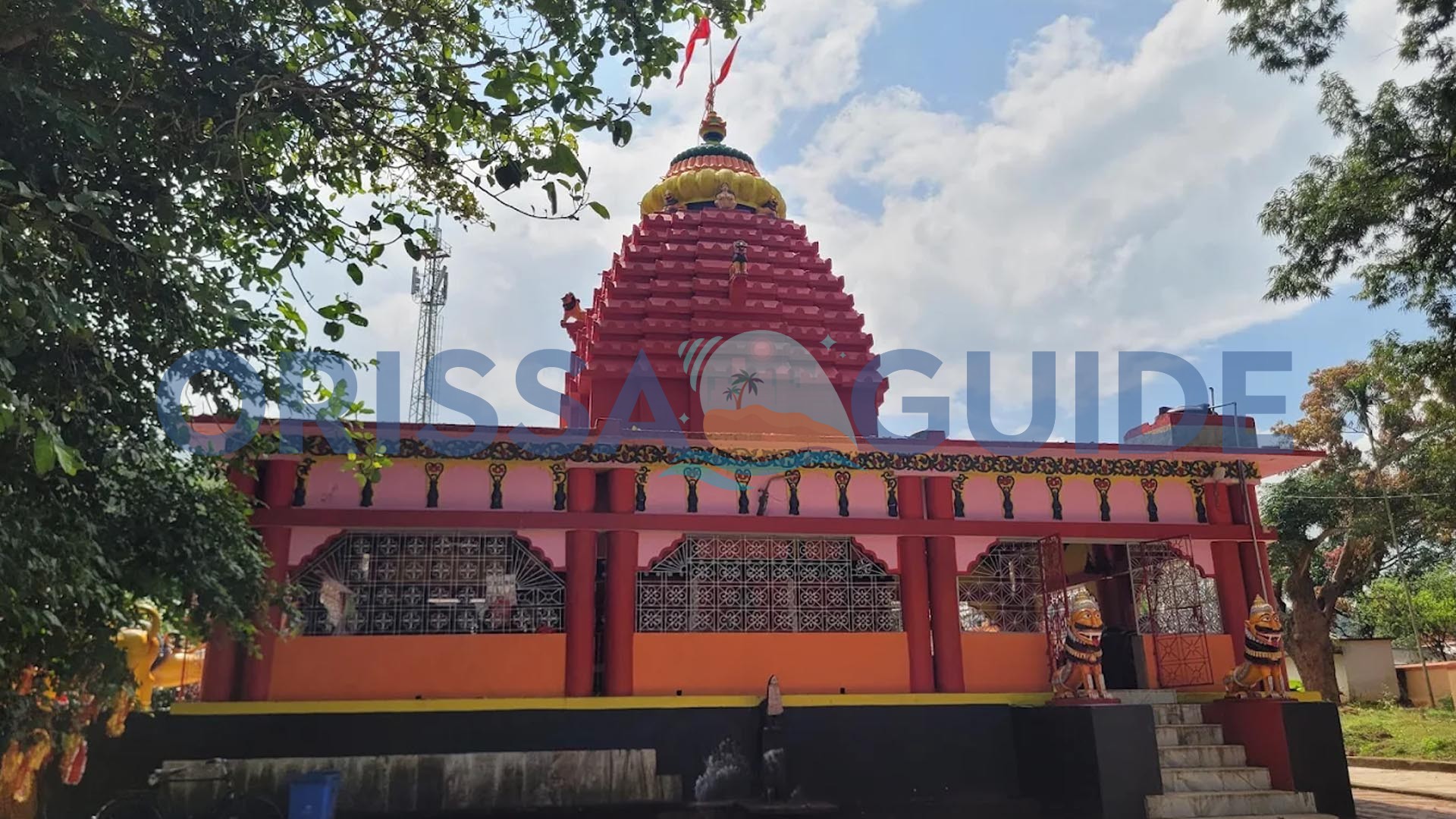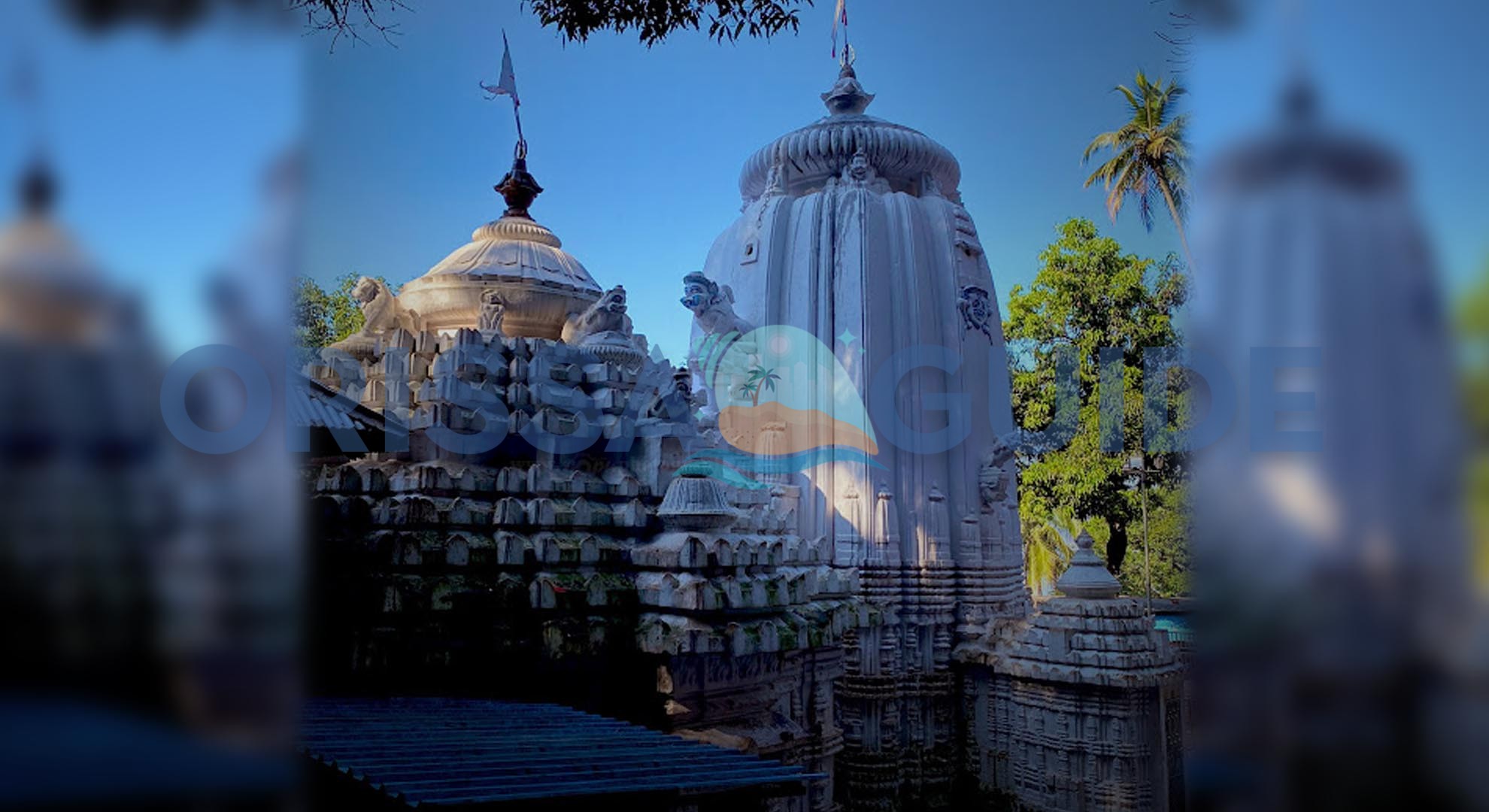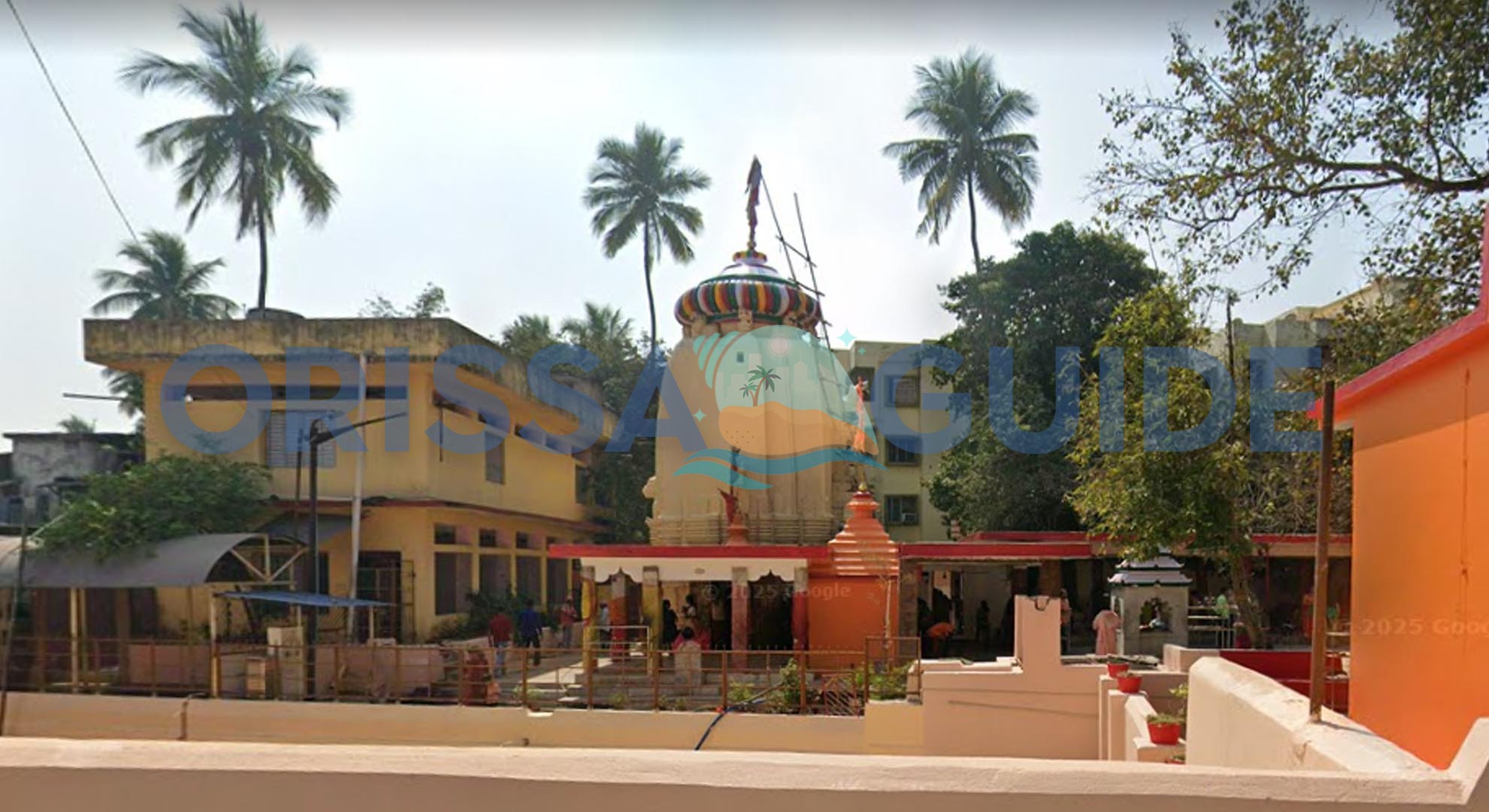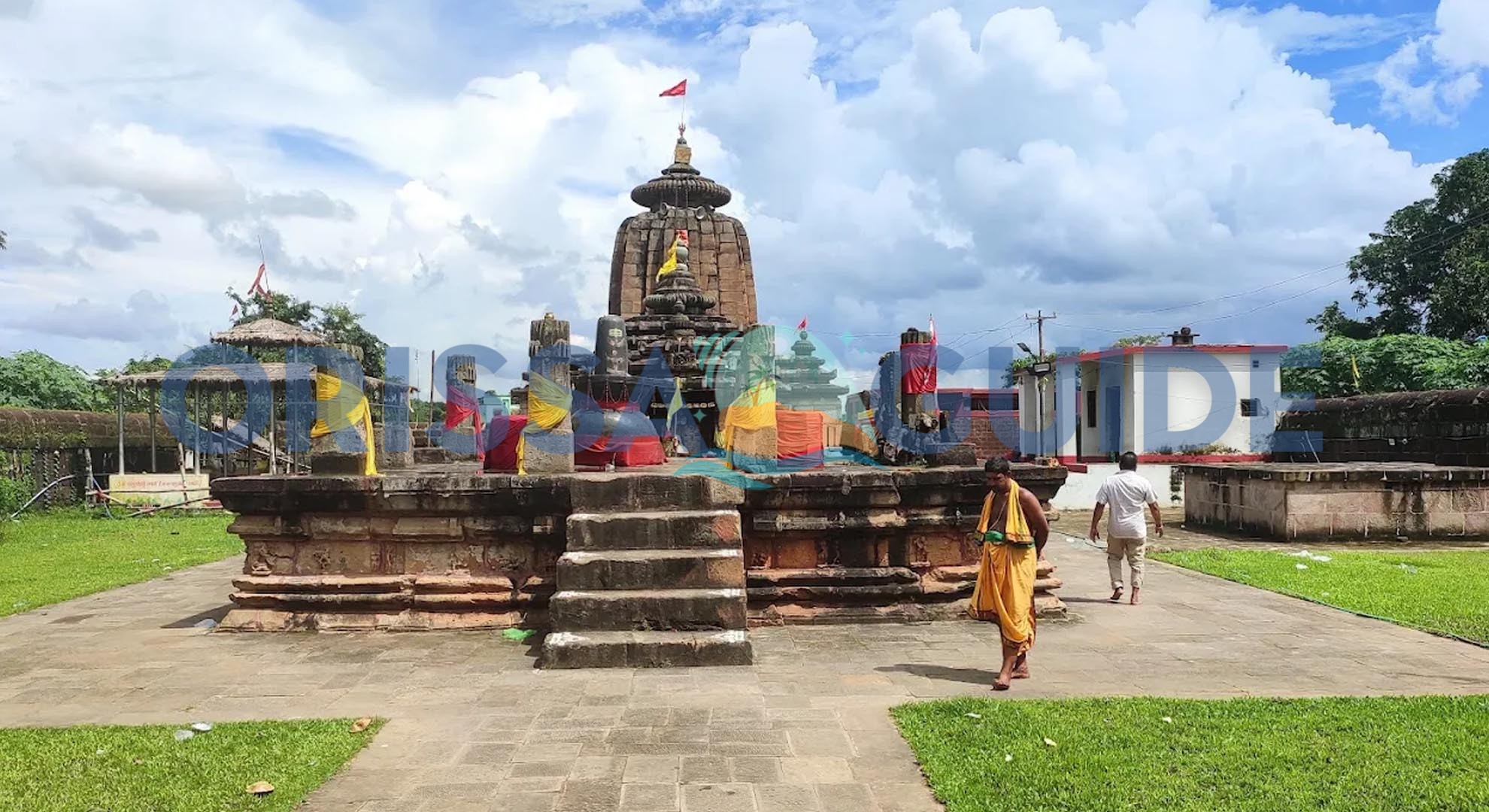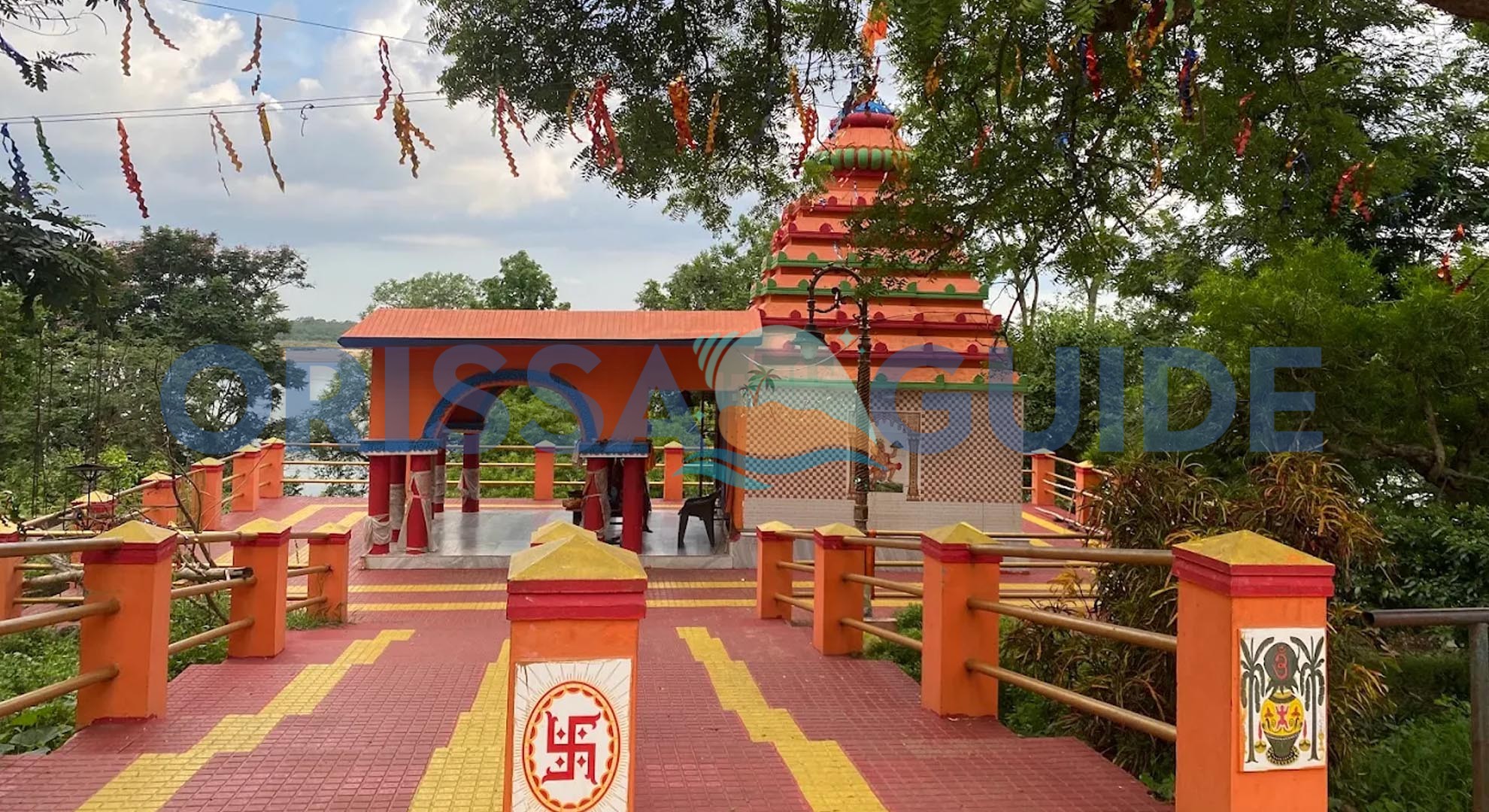
Located in the heart of Bhubaneswar, often called the “Temple City of India,” the Papanasini Siva Temple stands as a serene and spiritually powerful shrine dedicated to Lord Shiva. Despite being less commercialized than the famous Lingaraj Temple, this sacred site holds immense religious significance and attracts devotees seeking peace, purification, and divine blessings.
The name “Papanasini” itself carries deep meaning—derived from Sanskrit, it translates to “the destroyer of sins.” This makes the temple especially revered among pilgrims who believe that visiting this shrine and performing rituals here can cleanse negative karma and offer spiritual renewal.
Surrounded by ancient temples, lush greenery, and a calm environment, Papanasini Siva Temple offers a unique blend of spirituality, history, and architectural beauty. Whether you are a devotee, a history enthusiast, or a traveler exploring tourist places in Bhubaneswar, this temple promises a deeply enriching experience.
The ambiance lends very well to conversations that have ebbed and flowed over centuries, paired with wonderful architecture. Pilgrims and tourists seeking a divine (or even just their view of Kalinga) experience will be rewarded with a spiritually moving experience and impeccable craftsmanship when they come to Papanasini Siva Temple.
Historical Significance of Papanasini Siva Temple
Rich in lore, the Papanasini temple, possibly from the medieval age, attests to Odisha’s Shaivite legacy. According to local stories, those who bathe fully in the temple pond (kund) will wash away their sins; consequently, for many hundreds of years, pilgrims have been worshipping there.
Connection to Ekamra Kshetra
Bhubaneswar’s identity as a spiritual hub is deeply tied to Ekamra Kshetra, and Papanasini Temple plays a vital role within this sacred geography. Historically, it was considered a significant stop for pilgrims performing temple circuits across the city.
Legends and Beliefs
According to local folklore:
- The temple kund (sacred water tank) has divine cleansing properties
- Bathing in the kund is believed to wash away sins accumulated over a lifetime
- Devotees have been visiting the site for centuries to seek spiritual purification
These beliefs have contributed to the temple’s enduring popularity among pilgrims searching for Shiva temples in Odisha and spiritual places in Bhubaneswar.
Cultural Importance
Over time, the temple has evolved into not just a religious center but also a cultural landmark that reflects:
- Odisha’s ancient temple-building traditions
- Ritual practices passed down through generations
- The continuity of Shaivism in Eastern India
Architectural Marvels of the Temple
The Papanasini Siva Temple is a classic representation of Kalinga architecture, known for its intricate carvings, structural symmetry, and spiritual symbolism.
Key Architectural Features
- Vimana (Sanctum Tower): The main shrine rises in a traditional curvilinear structure, symbolizing spiritual ascent
- Jagamohana (Assembly Hall): A rectangular hall where devotees gather for prayers
- Stone Carvings: Detailed sculptures depicting deities, mythological motifs, and ornamental patterns
Unlike larger temples like Lingaraj, Papanasini offers a more intimate and calm spiritual atmosphere, allowing visitors to connect deeply with the divine.
The Sacred Shiva Lingam
At the core of the temple lies the Shiva Lingam, which is the primary focus of worship. Devotees perform rituals such as:
- Abhishekam (offering water, milk, and honey)
- Bilva leaf offerings
- Chanting of Shiva mantras
The Papanasini Kund
One of the most distinctive features of the temple is its sacred water tank:
- Surrounded by stone steps
- Used for ritual bathing
- Considered spiritually purifying
This kund enhances the temple’s mystical aura and is a defining element of many ancient temples in Odisha.
Religious Importance and Rituals
Pilgrims visit the Papanasini Siva Temple to receive the blessings of Lord Shiva, particularly on Maha Shivaratri and Sravana Mondays, as Papanasini has special abhishekams with prayers on these days. The main puja ritual associated with this temple is to pour water, milk, and bilva leaves over the Shiva Linga to remove any sins.
Particularly noteworthy is the Papanasini Kund located just next to the temple – legend has it that taking a dip inside the Kund will cleanse the pilgrim of an entire lifetime of karma. It is not uncommon for pilgrims who visit Papanasini to also visit other shrines in the area, particularly Lingaraj Temple, and for that reason, Papanasini is an important temple in Bhubaneswar’s loop of temples.
Visitor Information and Travel Tips
- Location: Near Lingaraj Temple, Old Bhubaneswar.
- Best Time to Visit: October–March (pleasant weather) or during festivals.
- Timings: 6 AM–12 PM, 4–8 PM.
- Nearby Attractions: Lingaraj Temple, Mukteswar Temple, Rajarani Temple.
- Tips: Dress modestly, carry offerings (flowers, milk), and explore the temple pond.
How to Reach
- By Air: Biju Patnaik International Airport (approximately 4–6 km away)
- By Rail: Bhubaneswar Railway Station (approximately 5 km away)
- By Road: Easily accessible via taxis, auto-rickshaws, and local transport
Nearby Attractions to Explore
Enhance your trip by visiting nearby iconic temples:
- Lingaraj Temple: One of the most famous Shiva temples in India
- Mukteswar Temple: Known for exquisite carvings
- Rajarani Temple: Famous for its unique architecture
- Bindu Sagar Lake: A sacred water body near Lingaraj Temple
These attractions make the area a hub for religious tourism in Odisha.
Travel Tips for Visitors
To ensure a smooth, respectful, and fulfilling experience at Papanasini Siva Temple, it is important to plan your visit thoughtfully. This temple is not only a historical site but also an active place of worship, so maintaining decorum enhances both your experience and that of other visitors.
- Wear modest and appropriate clothing: As a sacred religious site, visitors are expected to dress conservatively. Choose outfits that cover shoulders and knees to align with temple customs. This reflects respect for the spiritual environment and local traditions.
- Carry offerings if you plan to perform rituals: Devotees often bring offerings such as fresh flowers, milk, water, and bilva leaves to perform rituals at the Shiva Linga. These offerings are symbolic and are believed to purify intentions and enhance spiritual connection.
- Visit early in the morning for a peaceful experience: Early mornings provide a calm and serene atmosphere, allowing you to explore the temple without crowds. It is also considered an auspicious time for prayers and meditation, making your visit more spiritually enriching.
- Exercise caution around the temple pond (kund): The sacred water tank near the temple is an important part of its spiritual identity. While many visitors take ritual dips, it is advisable to be careful near the steps, as they can be slippery. Always prioritize safety while respecting traditions.
- Follow temple guidelines and maintain cleanliness: Avoid littering and ensure you follow all instructions provided by temple authorities. Maintaining cleanliness preserves the sanctity of the temple and contributes to a better experience for everyone.
- Respect photography restrictions: In many temple areas, photography may be limited or prohibited, especially inside the sanctum. Always check before taking pictures and respect religious boundaries.
- Plan your visit with nearby temples: Since the temple is located close to major landmarks like Lingaraj Temple and Mukteswar Temple, you can plan a spiritual circuit to make the most of your visit to Bhubaneswar.
Conclusion
Papanasini Siva Temple stands as a serene and spiritually enriching destination that beautifully reflects the depth of Odisha’s religious and cultural heritage. Rooted in ancient traditions and surrounded by a tranquil atmosphere, the temple offers a unique blend of history, architecture, and devotion.
Its significance goes beyond being just a place of worship. The temple represents centuries of faith, where rituals, beliefs, and architectural brilliance come together to create a meaningful spiritual experience. The presence of the sacred kund, the intricate stone carvings, and the peaceful surroundings make it an ideal place for introspection and connection.
For travelers exploring Bhubaneswar—often referred to as the “Temple City”—this temple provides a quieter, more intimate alternative to larger, more crowded shrines. It allows visitors to slow down, absorb the spiritual energy, and appreciate the subtle beauty of traditional temple architecture.
Whether you are a devotee seeking blessings, a history enthusiast interested in ancient temple architecture, or a traveler looking for peaceful places to explore, Papanasini Siva Temple offers something truly special. Its calming environment, deep-rooted traditions, and cultural importance make it a must-visit destination for anyone wanting to experience the authentic spiritual essence of Odisha.