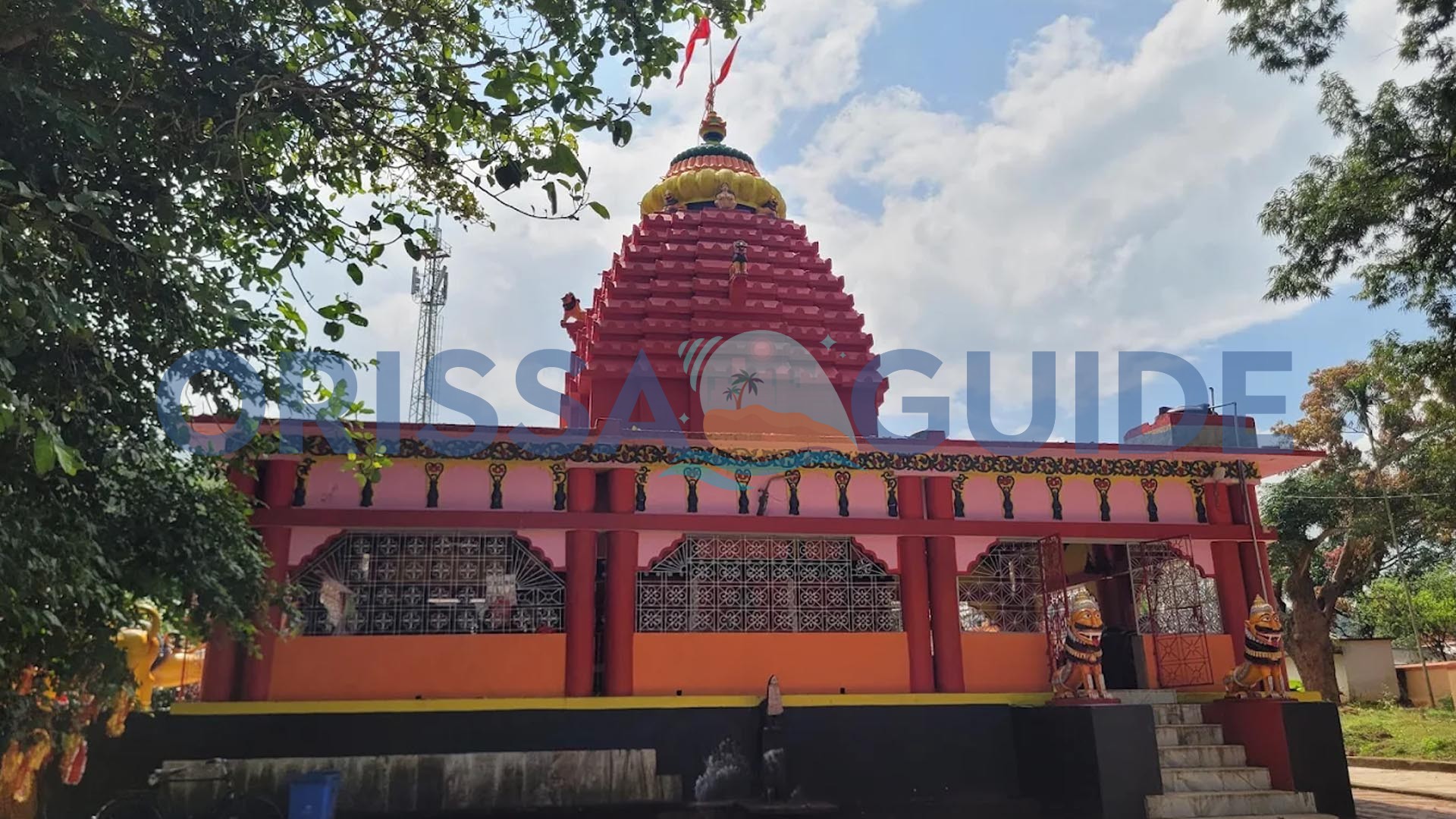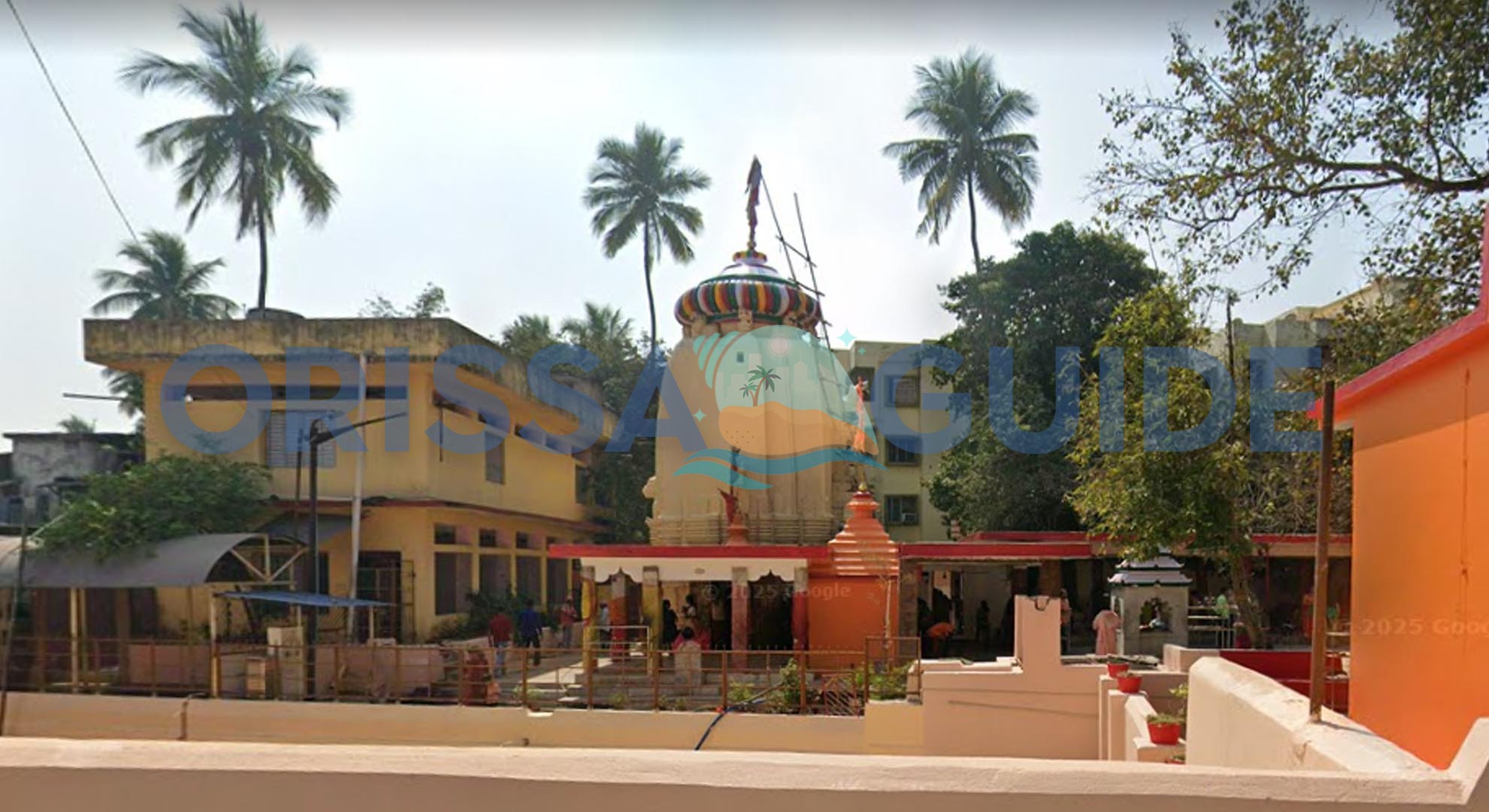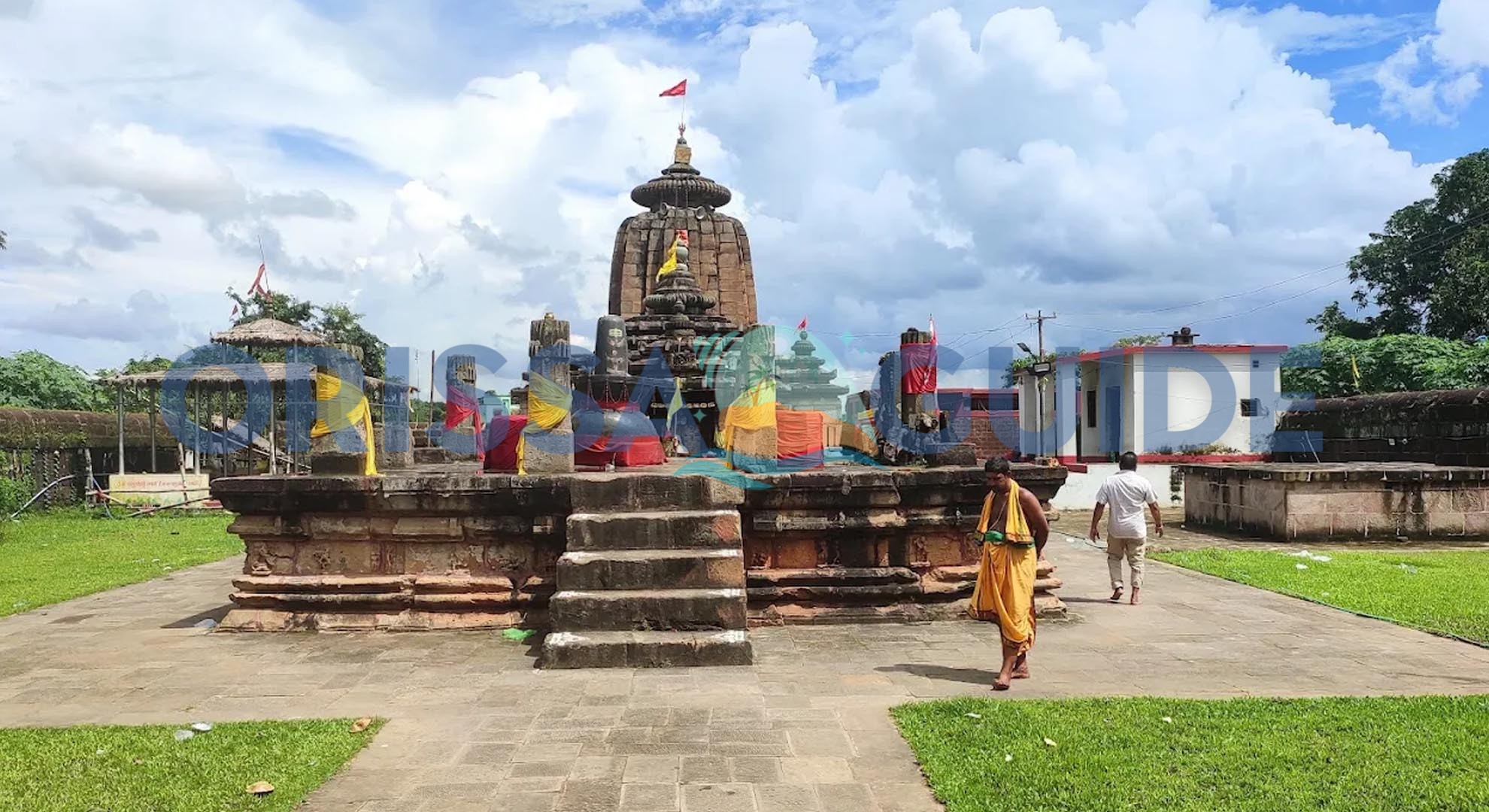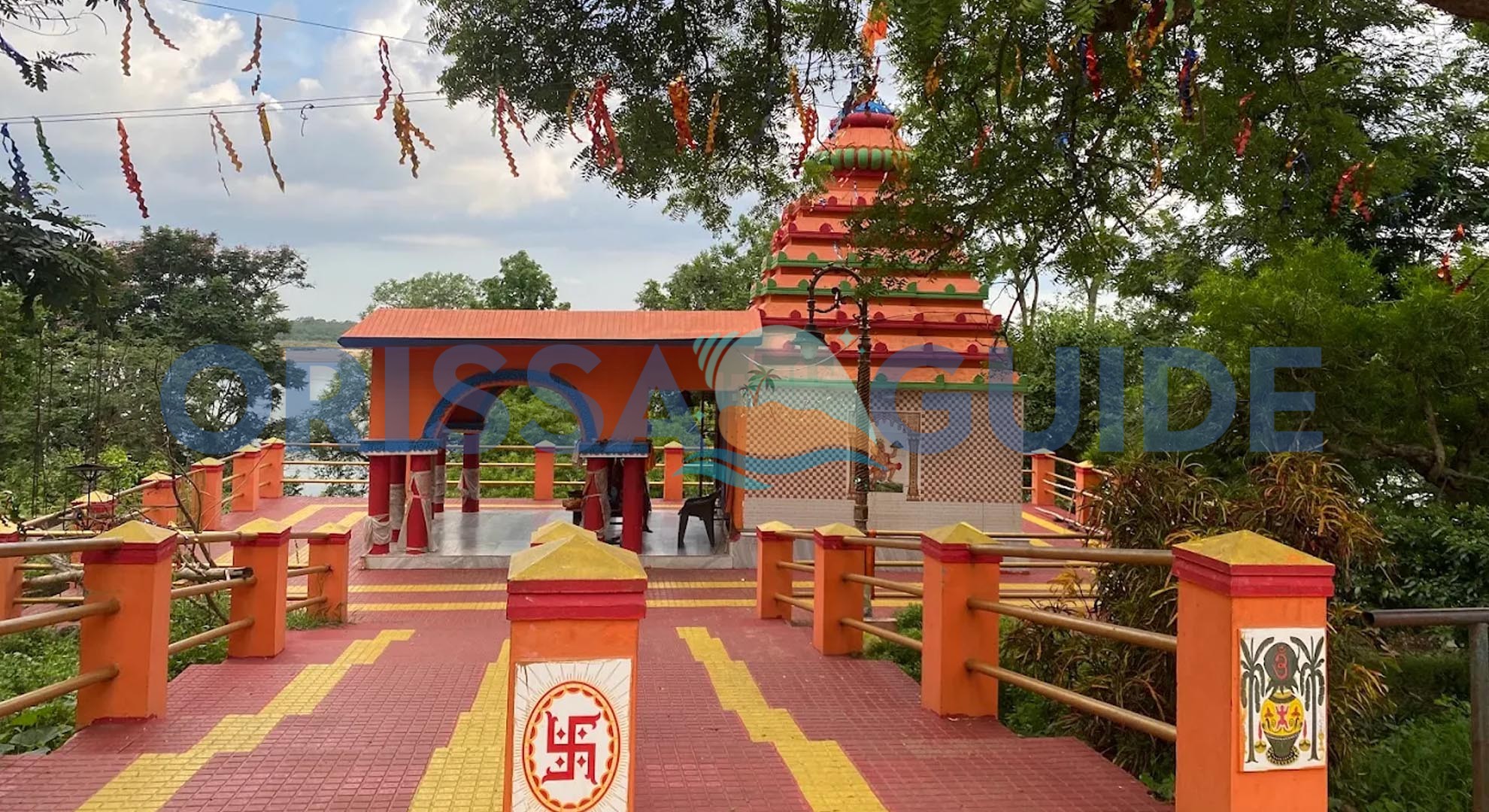
The Paradaresvara Siva Temple is the masterpiece of Odia temple architecture, located at the center of Bhubaneswar. It is a historic shrine to Lord Shiva built in the Kalinga style of temple architecture with elaborate carvings and lots of religious significance. Built during the Middle Ages, the temple offers a serene place of worship and leisure for historians, pilgrims, and tourists.
The Paradaresvara Siva Temple is not just the place of a religious congregation but rather a symbol of culture, and the peck and jeeps for posters to take an ugly and a festive fountain of Odia culture.
While located in the heart of Bhubaneswar and surrounded by its vibrant life, visitors can experience a temple dedicated to Lord Shiva in a peace-inducing atmosphere where visitors can bask in the calming stonework and divine aura of Lord Shiva – be it a historians who love the archaeological progress of their culture, someone wanting sparked thought from a temple of silhouette and symbolize serenity in cultivating their spiritual development or someone who simply appreciates ancient architecture. The Paradaresvara Siva Temple is well worth a visit in Bhubaneswar.
Historical Significance of Paradaresvara Siva Temple
The Paradaresvara Siva Temple dates back to the 10th–11th century CE, during the reign of the Somavamsi dynasty, a period known for its flourishing temple construction across Odisha. This era marked the golden age of Kalinga architecture, and the temple stands as a testament to the craftsmanship and devotion of ancient Odia artisans.
Historically, the temple was not only a center for religious worship but also a hub for Shaivism, attracting scholars, priests, and spiritual seekers from across the Indian subcontinent. It played a vital role in preserving and promoting religious teachings, rituals, and philosophical traditions associated with Lord Shiva.
The temple’s walls narrate stories from Hindu mythology through detailed carvings of:
- Deities and divine figures
- Mythical creatures and guardians
- Floral and geometric patterns
- Scenes inspired by sacred scriptures
These elements transform the temple into a living museum of medieval Indian art and culture, offering visitors a glimpse into Odisha’s glorious past. Walking through the temple feels like stepping back in time, where every stone holds historical and spiritual significance.
Architectural Marvels of Paradaresvara Siva Temple
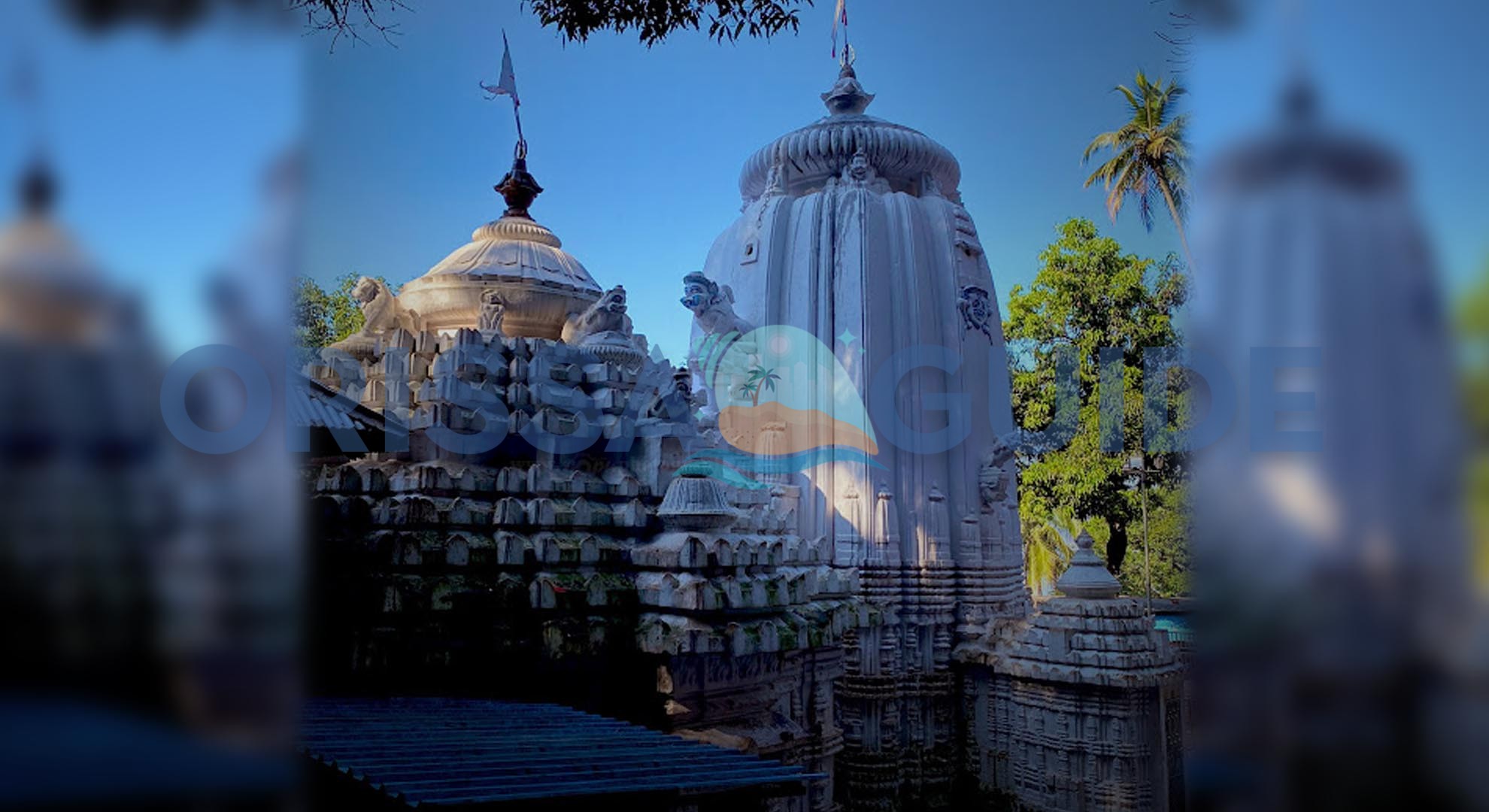
The Paradaresvara Siva Temple is a fine representation of Kalinga style temple architecture, which is characterized by its structural precision, artistic detailing, and symbolic design.
Key Architectural Features
1. Deula Structure (Sanctum Tower)
The temple follows the traditional Rekha Deula style, featuring a towering shikhara (spire) that rises gracefully above the sanctum. The vertical lines and symmetrical proportions create a sense of grandeur and spiritual elevation.
2. Jagamohana (Assembly Hall)
The pillared hall in front of the sanctum serves as a gathering space for devotees. Its design reflects advanced engineering techniques of the time, ensuring durability and aesthetic harmony.
3. Intricate Stone Carvings
The outer walls are adorned with:
- Sculptures of gods and goddesses
- Decorative scrollwork
- Mythological narratives
- Miniature temple motifs
These carvings showcase the exceptional skill of Odia craftsmen and their deep understanding of symbolism and storytelling.
4. Parsvadevatas (Subsidiary Deities)
Smaller shrines and carved figures of associated deities enhance the temple’s spiritual aura and architectural complexity.
5. Light and Shadow Play
One of the most fascinating aspects of the temple is how natural light interacts with the stone surfaces, highlighting textures and carvings throughout the day. This creates a dynamic visual experience for visitors and photographers.
The temple’s design is often compared to the architectural principles seen in the Lingaraj Temple, making it an essential stop for anyone exploring heritage temples in Bhubaneswar.
Religious Importance and Festivals at Paradaresvara Siva Temple
The Paradaresvara Siva Temple holds immense religious significance for devotees of Lord Shiva. The main deity is worshipped in the form of a Shiva Lingam, symbolizing cosmic energy and divine creation.
Major Festivals Celebrated
1. Maha Shivaratri
The most important festival celebrated at the temple, attracting thousands of devotees. The atmosphere becomes vibrant with:
- Continuous chanting of “Om Namah Shivaya”
- Night-long pooja and rituals
- Special offerings and decorations
2. Shravana Month (Sawan Mondays)
Considered highly auspicious for Shiva worship, devotees visit the temple every Monday during this holy month.
3. Kartik Purnima
Another significant occasion marked by rituals, and spiritual gatherings.
4. Spiritual Experience
The temple is known for its serene environment, allowing visitors to:
- Meditate and reflect
- Participate in rituals
- Experience spiritual calmness
It serves as both a pilgrimage site and a cultural hub, where tradition, devotion, and community come together.
Visitor Information and Travel Guide
Planning your visit to Paradaresvara Siva Temple is simple, thanks to its central location and accessibility.
Location
Near Lingaraj Temple, Old Bhubaneswar, Odisha
Timings
- Open daily: 6:00 AM – 8:00 PM
- Best time for darshan: Early morning or evening
Entry Fee
- Free for all visitors
Best Time to Visit
- October to March (pleasant weather)
- Early mornings for a peaceful experience
- Festival times for cultural immersion (if you enjoy crowds)
How to Reach
By Air:
- Biju Patnaik International Airport (approx. 5–6 km away)
By Rail:
- Bhubaneswar Railway Station (well connected to major cities)
By Road:
- Easily accessible via taxis, auto-rickshaws, and local buses
Nearby Attractions
- Lingaraj Temple
- Rajarani Temple
- Mukteshwar Temple
- Bindusagar Lake
These nearby sites make it easy to plan a complete Bhubaneswar temple tour itinerary.
Travel Tips for Visitors
To make your visit smooth and meaningful, keep the following tips in mind:
- Wear modest and respectful clothing suitable for a religious place
- Carry water, especially during warmer months
- Visit early in the morning to avoid crowds
- Maintain silence and respect temple rituals
- Avoid photography in restricted areas
- Combine your visit with nearby temples for a full cultural experience
Conclusion
The Paradaresvara Siva Temple is more than just an ancient shrine—it is a powerful blend of history, spirituality, and architectural brilliance. Nestled in the culturally rich city of Bhubaneswar, this temple offers a rare opportunity to experience Odisha’s heritage in a peaceful and authentic setting.
From its origins in the Somavamsi era to its stunning Kalinga-style carvings, every element of the temple tells a story of devotion and craftsmanship. Whether you are seeking spiritual fulfillment, historical exploration, or simply a tranquil escape, this temple delivers on every front.
For travelers exploring top tourist places in Bhubaneswar, adding Paradaresvara Siva Temple to your itinerary ensures a well-rounded cultural experience. It stands as a reminder that sometimes, the most meaningful journeys are found not in crowded landmarks, but in quiet places filled with timeless beauty and divine presence.