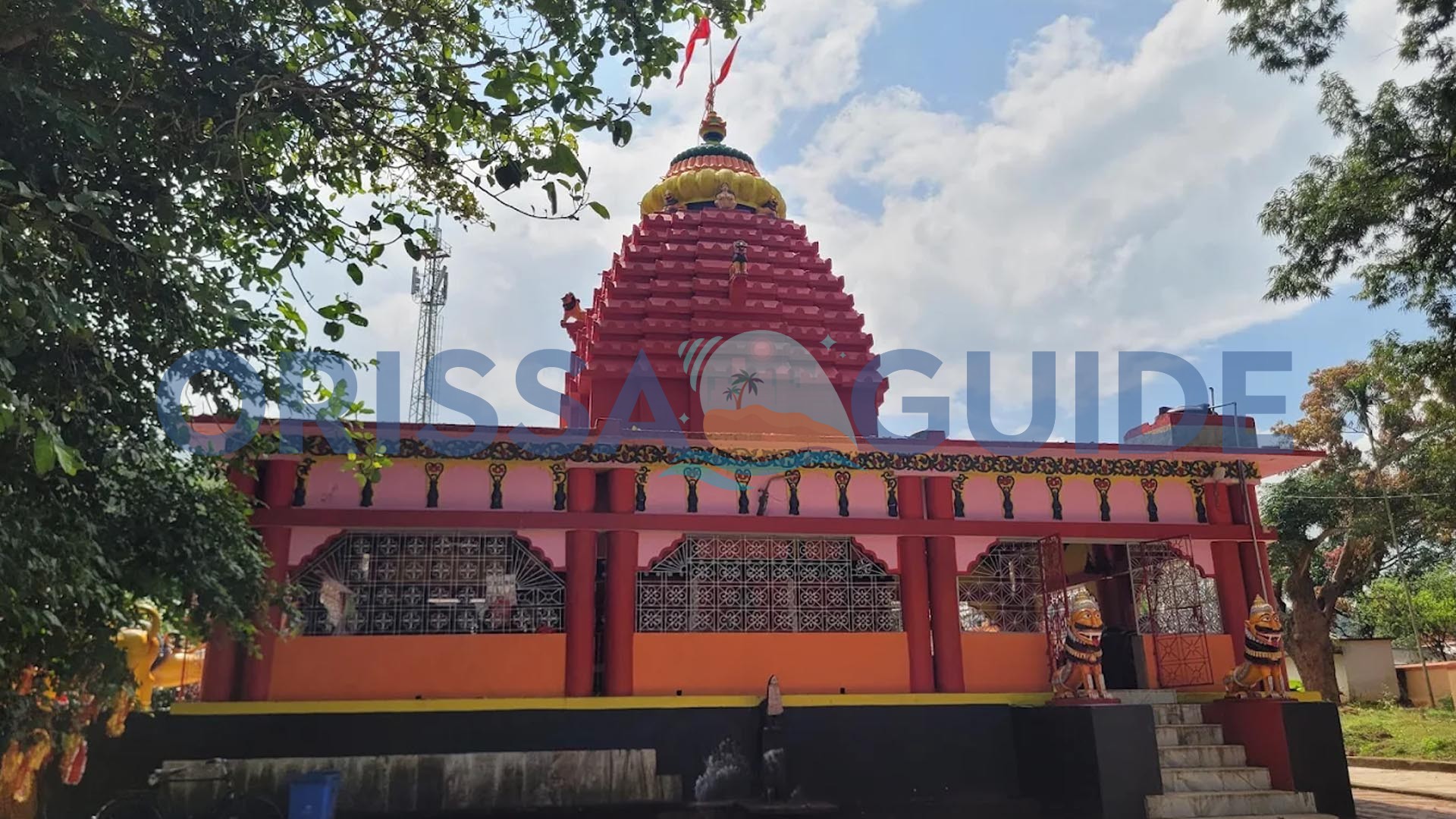
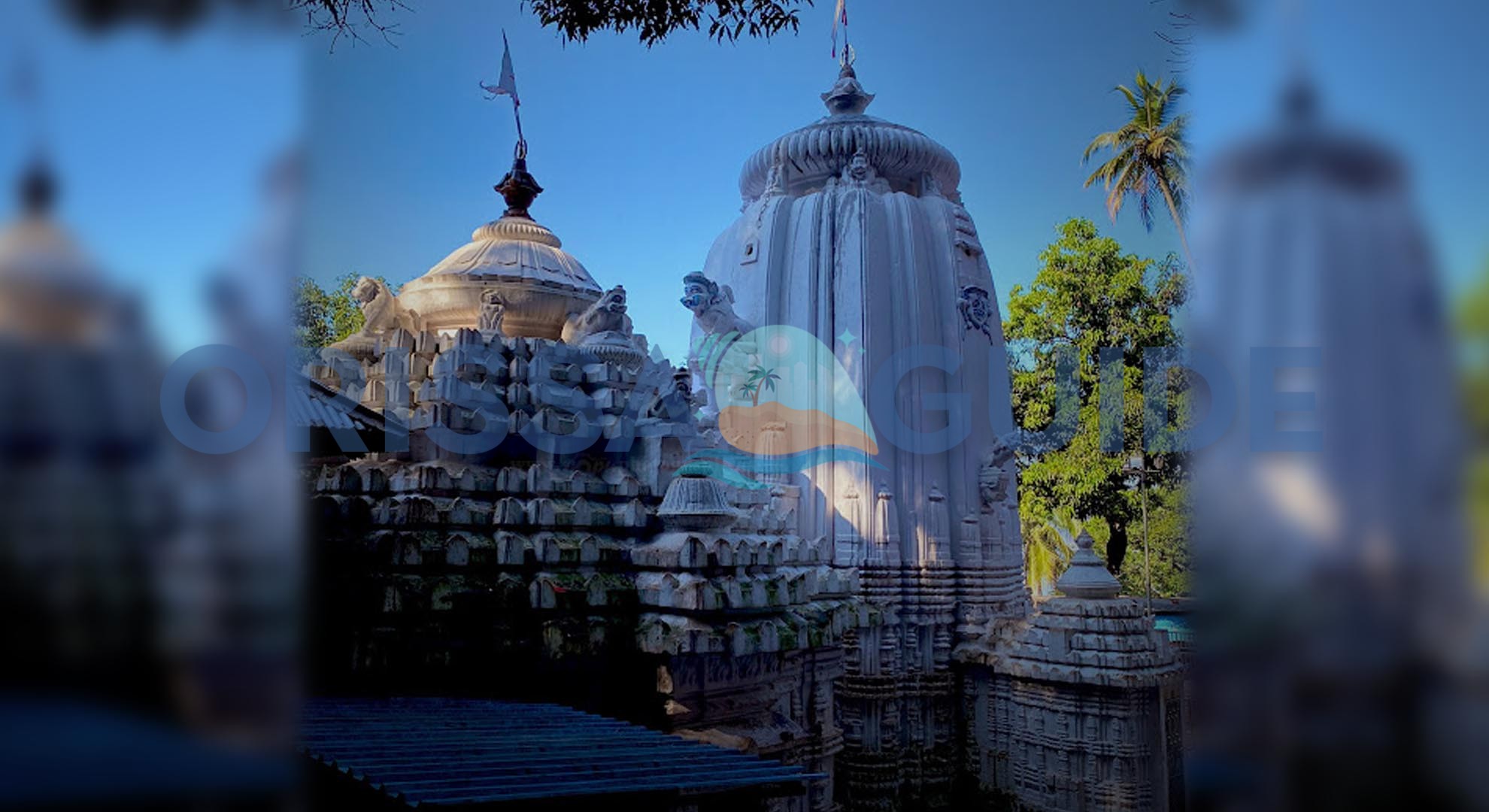
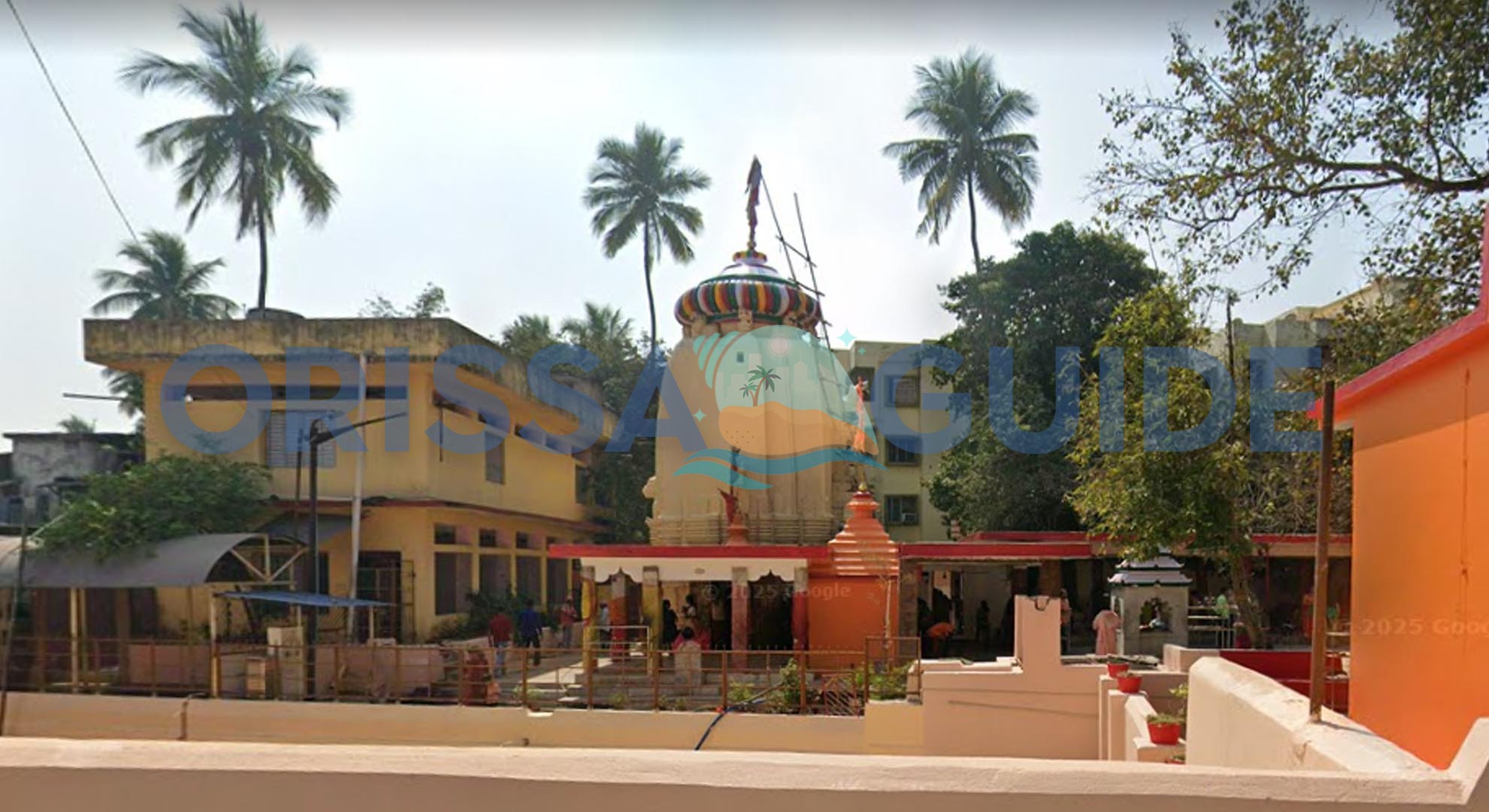
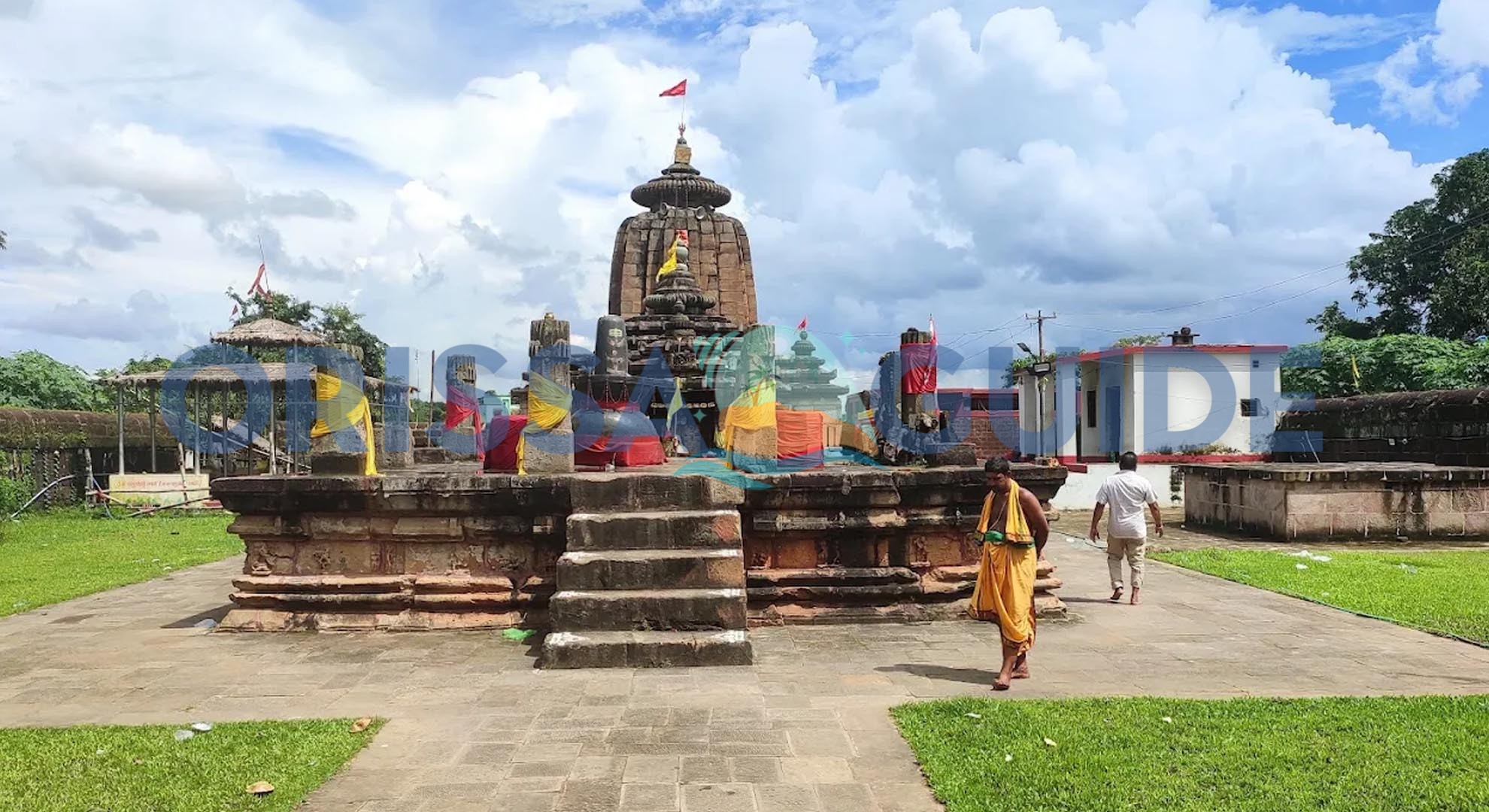
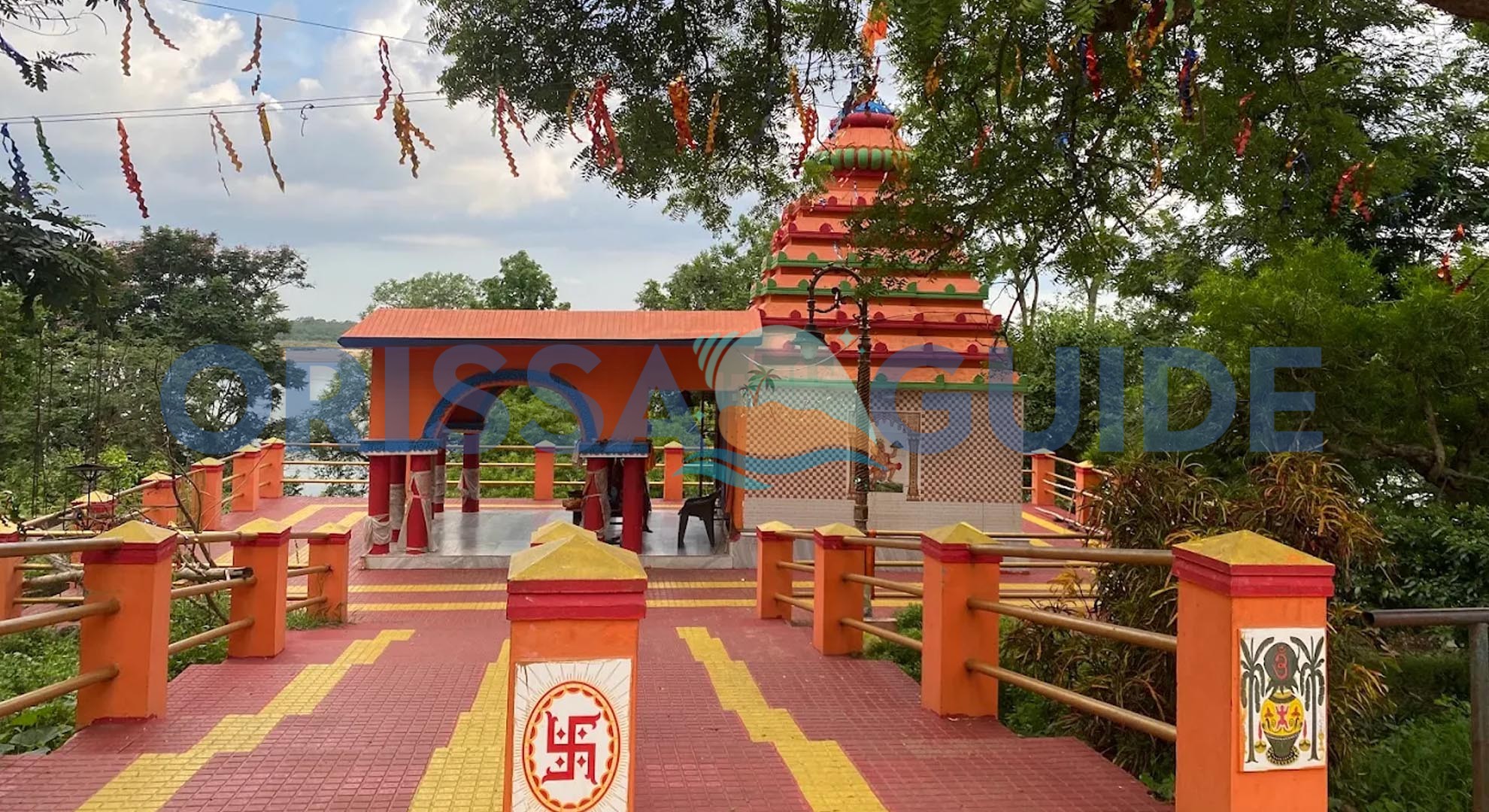
The Baitala deula is situated in the center of Bhubaneswar in the province of Odisha. What the structure has to offer is ancient Indian temple architecture and Hindu mythologies. Built-in the 8th century, it worshiped the goddess Chamunda, thus marking one of Bhubaneswar’s significant landmarks.
Unlike many temples in Odisha that follow the traditional curvilinear “Rekha Deula” style, Baitala Deula stands apart because of its unusual architectural form. The temple’s rectangular sanctum and barrel-shaped sloping roof immediately attract the attention of visitors and historians alike. This distinct structure belongs to the Khakhara Deula style, a rare variation of Odishan temple architecture.
Baitala Deula is more than just a place of worship. It is a living testimony to Odisha’s glorious past, ancient craftsmanship, and deep-rooted spiritual traditions. The temple’s mysterious atmosphere, intricate carvings, and historical importance make it a must-visit destination for travelers exploring Bhubaneswar, often called the “Temple City of India.”
Whether you are a devotee, history enthusiast, architecture lover, or cultural explorer, Baitala Deula offers a unique journey into Odisha’s ancient heritage.

Historical Background of Baitala Deula
The origins of Baitala Deula date back to the 8th century, during the rule of the Bhauma-Kara dynasty, a period when tantric practices flourished in Odisha. The temple was built as a center for the worship of Goddess Chamunda, who is considered one of the most powerful manifestations of Goddess Durga.
The name “Baitala” is believed to be derived from the word “Vetala” or “Batuka,” which refers to mystical spirits associated with tantric traditions. This connection highlights the temple’s importance in the practice of Tantric Hinduism during ancient times.
Historically, Bhubaneswar served as a major center of Shaivism and Shaktism, and Baitala Deula played a significant role in strengthening these religious traditions. Unlike many temples dedicated to peaceful forms of deities, this temple focused on the fierce and protective aspect of divine power.
The temple has survived centuries of political and social changes and continues to stand proudly as one of Odisha’s most remarkable monuments. Archaeologists and historians consider Baitala Deula an invaluable example of early medieval temple architecture in eastern India.
Today, the temple not only attracts devotees but also scholars and tourists interested in understanding India’s ancient spiritual and artistic heritage.
Architectural Marvel of Baitala Deula
Baitala Deula is one of the stellar archetypes for Odishan temple architecture, rare indeed in its specific style of “Khakhara deula.” The characteristic barrel-vault roof is somewhat of a variation on the mainstream rekha deula, of which examples are more common in temples like Lingaraj. The most interesting aspect is said to be the tantric influence on its peculiar structure, which was built during the height of tantric practice prevalent in the 8th century.
Unique Khakhara Deula Style
Unlike the towering curvilinear spires seen in temples such as Lingaraj Temple, Baitala Deula features:
- A rectangular sanctum
- A semi-cylindrical or barrel-vault roof
- A long sloping structure resembling Dravidian temple architecture
This unique design immediately distinguishes the temple from other shrines in Bhubaneswar.
The roof structure is believed to symbolize Mount Meru, the sacred cosmic mountain in Hindu mythology. The temple’s design reflects both spiritual symbolism and architectural innovation.
Intricate Stone Carvings
The outer walls of the temple are covered with detailed carvings and sculptures depicting:
- Hindu deities
- Mythological stories
- Floral motifs
- Celestial beings
- Scenes from everyday life in ancient Odisha
Each carving tells a story and reflects the remarkable skill of ancient Odishan artisans.
The Idol of Goddess Chamunda
Inside the sanctum lies the fierce idol of Goddess Chamunda. The deity is portrayed in a terrifying form, symbolizing the destruction of evil and protection of devotees.
The image of Chamunda is adorned with:
- Garlands
- Vermilion
- Traditional offerings
This powerful representation creates an intense spiritual atmosphere within the temple.
Tantric Influence in Architecture
The temple’s structure and iconography strongly reflect tantric traditions. Every aspect of the design—from the layout to the sculptures—carries deeper symbolic meanings related to spirituality, energy, and divine power.
This blend of art, religion, and symbolism makes Baitala Deula a masterpiece of ancient Indian architecture.
Baitala Deula opens up new vistas for anyone interested in exploring the architectural heritage of Bhubaneswar. Its unique design and historical significance herald its presence as truly unique among the various temples of Odisha.
Spiritual Significance of Baitala Deula
Baitala Deula is not merely a historical monument; it remains an active spiritual center deeply connected with tantric worship practices.
The temple is dedicated to Goddess Chamunda, one of the fiercest forms of Shakti or divine feminine power. In Hindu mythology, Chamunda is known as the destroyer of evil forces and the protector of righteousness.
Center of Tantric Worship
For centuries, Baitala Deula has been associated with:
- Tantric rituals
- Meditation practices
- Spiritual healing
- Worship of divine feminine energy
The tantric traditions connected with the temple contribute to its mystical and sacred aura.
A Place of Devotion and Faith
Devotees visit the temple seeking:
- Protection from negative energies
- Strength and courage
- Spiritual blessings
- Inner peace
The rhythmic chanting of prayers and the peaceful surroundings create an atmosphere of devotion and tranquility.
Spiritual Experience for Visitors
Even for non-devotees, the temple offers a deeply spiritual experience. The combination of ancient architecture, sacred rituals, and calm surroundings allows visitors to connect with India’s ancient spiritual heritage.
The temple’s mystical ambiance often leaves travelers with a sense of wonder and reflection.
Baitala Deula – A Cultural Gem of Odisha
Baitala Deula holds an important place in Odisha’s cultural identity. It is not only a temple but also a representation of the state’s artistic excellence and historical richness.
Symbol of Odisha’s Heritage
The temple reflects:
- Ancient craftsmanship
- Religious traditions
- Architectural innovation
- Cultural continuity
It stands as a reminder of Odisha’s glorious past and its contributions to Indian art and spirituality.
Artistic Excellence
The detailed carvings and sculptures demonstrate the incredible talent of ancient artisans. Every inch of the temple showcases precision, creativity, and storytelling through stone art.
The temple also provides valuable insights into:
- Medieval Odishan society
- Religious beliefs
- Cultural practices
- Daily life during ancient times
Importance in Tourism
Baitala Deula is an essential part of Bhubaneswar’s famous temple trail. Tourists visiting Odisha often include this temple in their itinerary because of its unique architecture and historical significance.
Its proximity to major attractions like:
- Lingaraj Temple
- Mukteshwar Temple
- Rajarani Temple
makes it an important stop for travelers exploring the city.
Exploring Baitala Deula – A Traveler’s Guide
Visiting Baitala Deula is an unforgettable experience for anyone interested in history, architecture, spirituality, or photography.
What to See at the Temple
During your visit, take time to explore:
- The unique Khakhara-style roof
- Intricate stone carvings
- Sculptures of deities and mythological figures
- The sanctum of Goddess Chamunda
Every corner of the temple offers something fascinating to observe.
Best Time to Visit
The ideal time to visit Baitala Deula is between October and February, when the weather in Bhubaneswar is pleasant and comfortable for sightseeing.
Early morning and evening hours are especially peaceful and ideal for photography.
Temple Etiquette
While visiting:
- Dress modestly
- Respect religious practices
- Avoid touching ancient carvings
- Maintain silence inside the sanctum
Following these guidelines helps preserve the sanctity and heritage of the temple.
How to Reach Baitala Deula
Baitala Deula is centrally located in Bhubaneswar and can be easily accessed through various modes of transportation.
By Air
The nearest airport is Biju Patnaik International Airport, located around 5–6 km from the temple.
By Rail
The nearest railway station is Bhubaneswar Railway Station, approximately 3–4 km away.
By Road
The temple is well-connected by roads and can be reached via:
- Local buses
- Auto-rickshaws
- Taxis
- App-based cab services
Why You Should Visit Baitala Deula
Baitala Deula is one of the most unique temples in India because of its:
- Rare architecture
- Spiritual importance
- Tantric connections
- Historical significance
- Artistic beauty
The temple offers a perfect blend of history, culture, spirituality, and architecture, making it an unforgettable destination in Odisha.
Whether you are exploring Bhubaneswar’s temple heritage or seeking a peaceful spiritual experience, Baitala Deula promises a memorable journey into India’s ancient traditions.