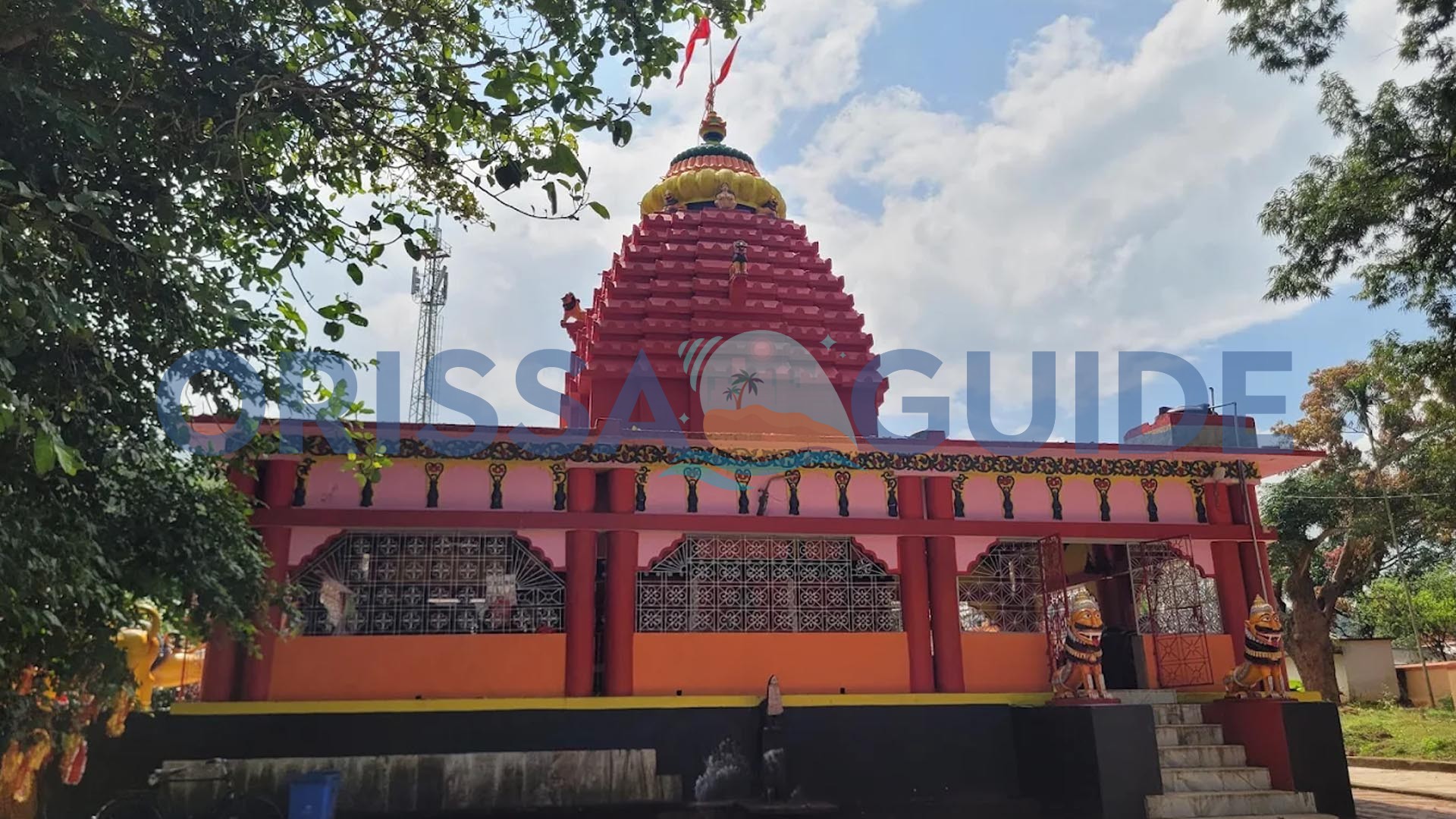
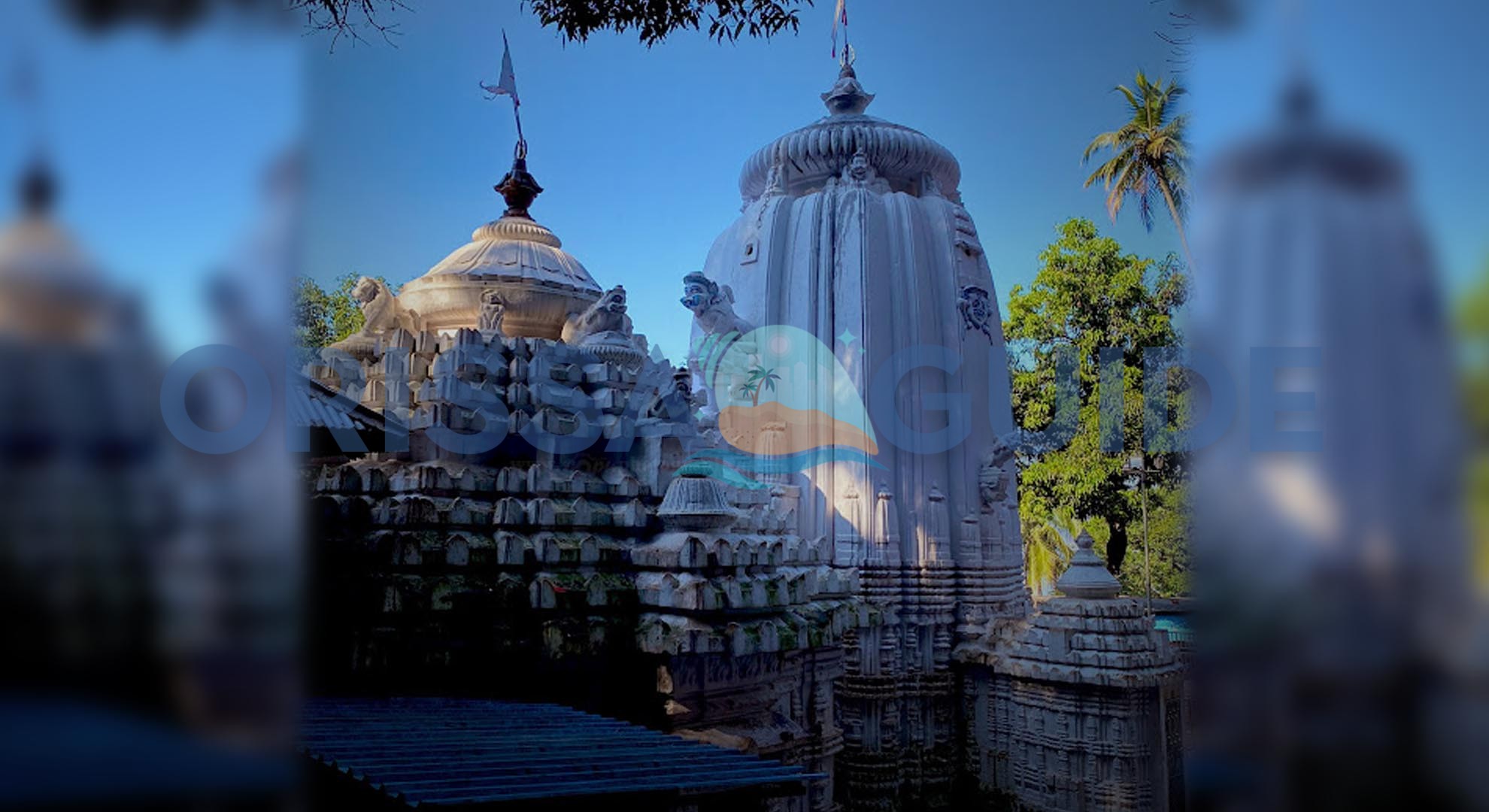
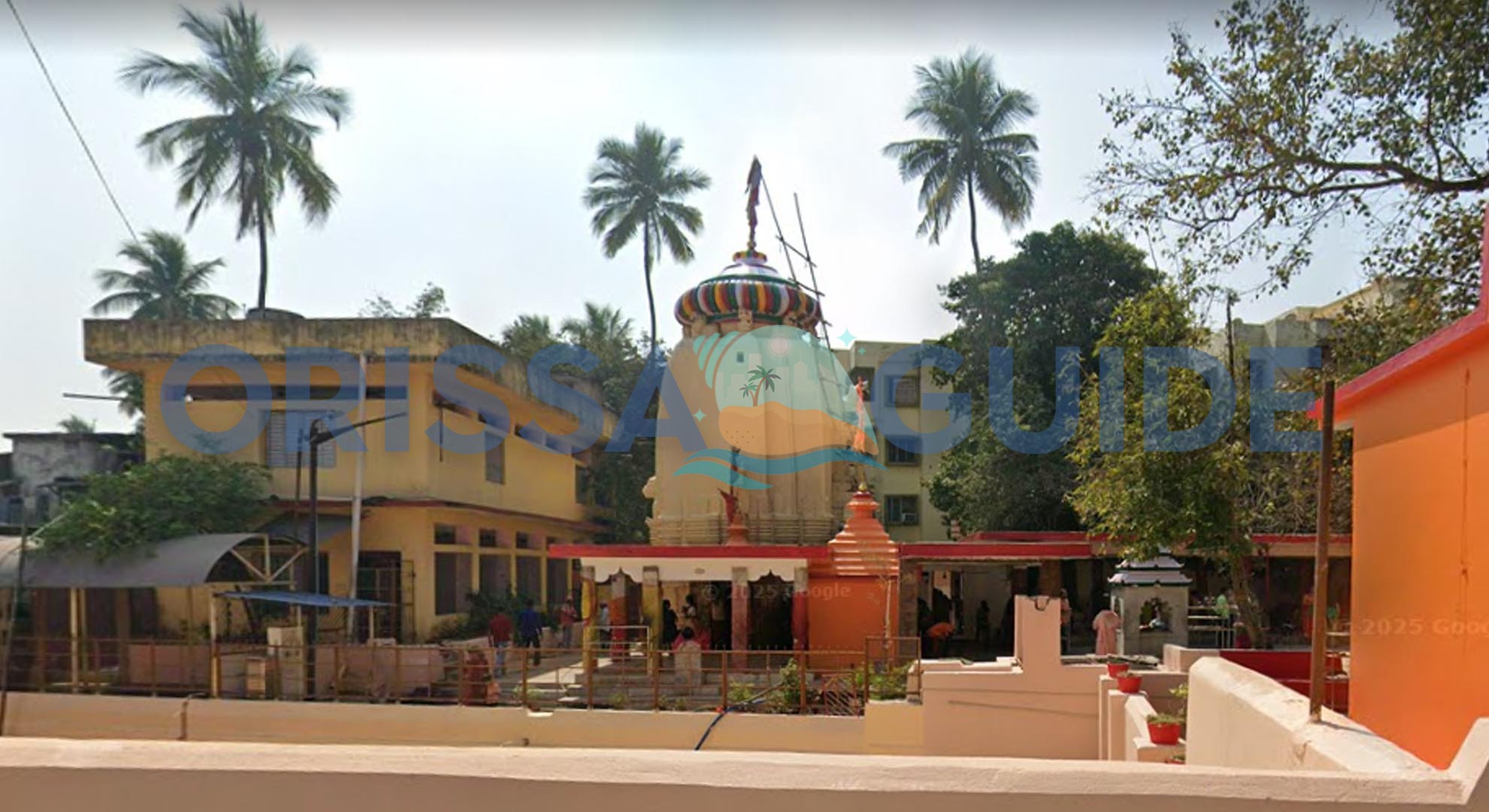
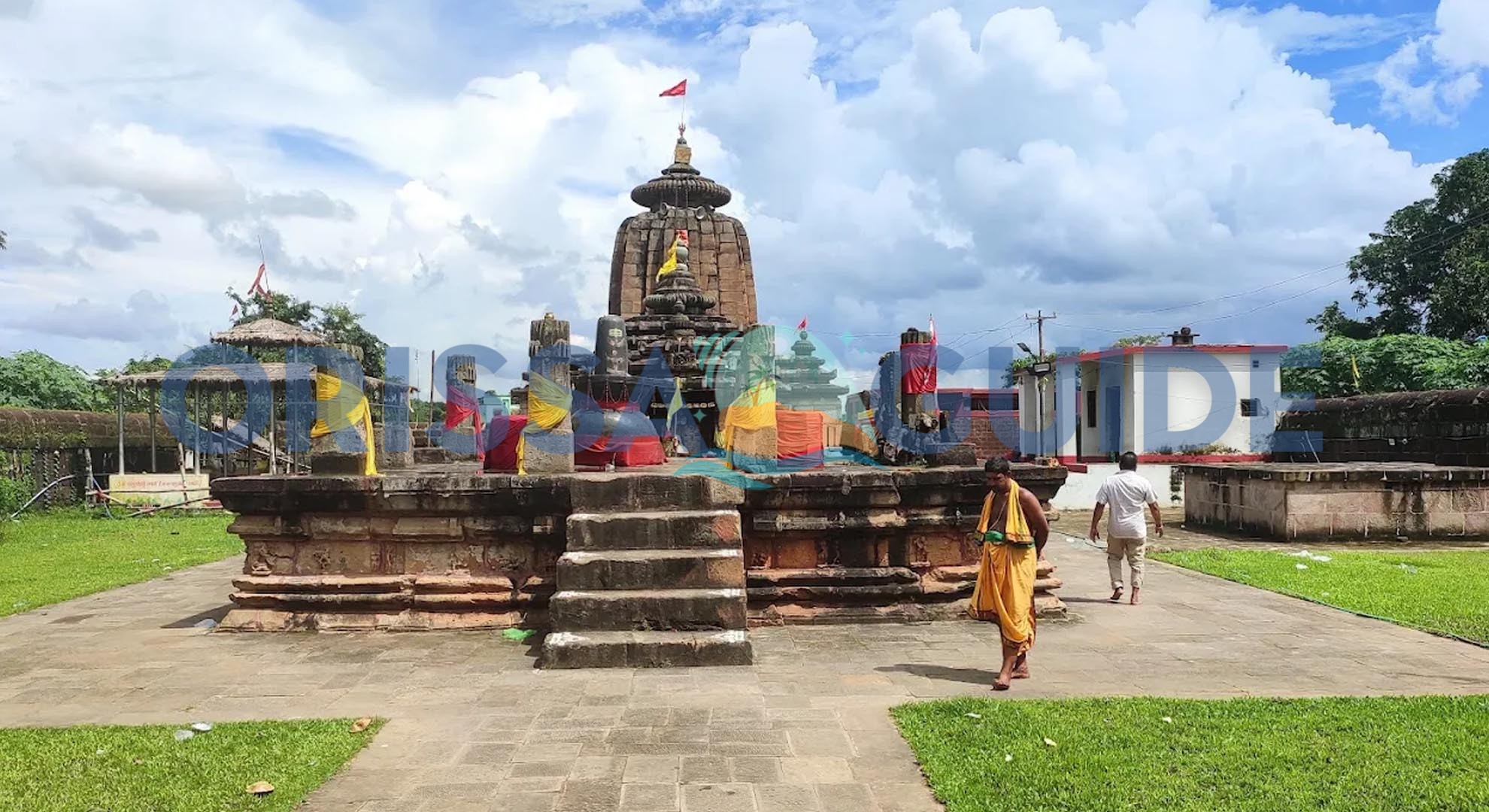
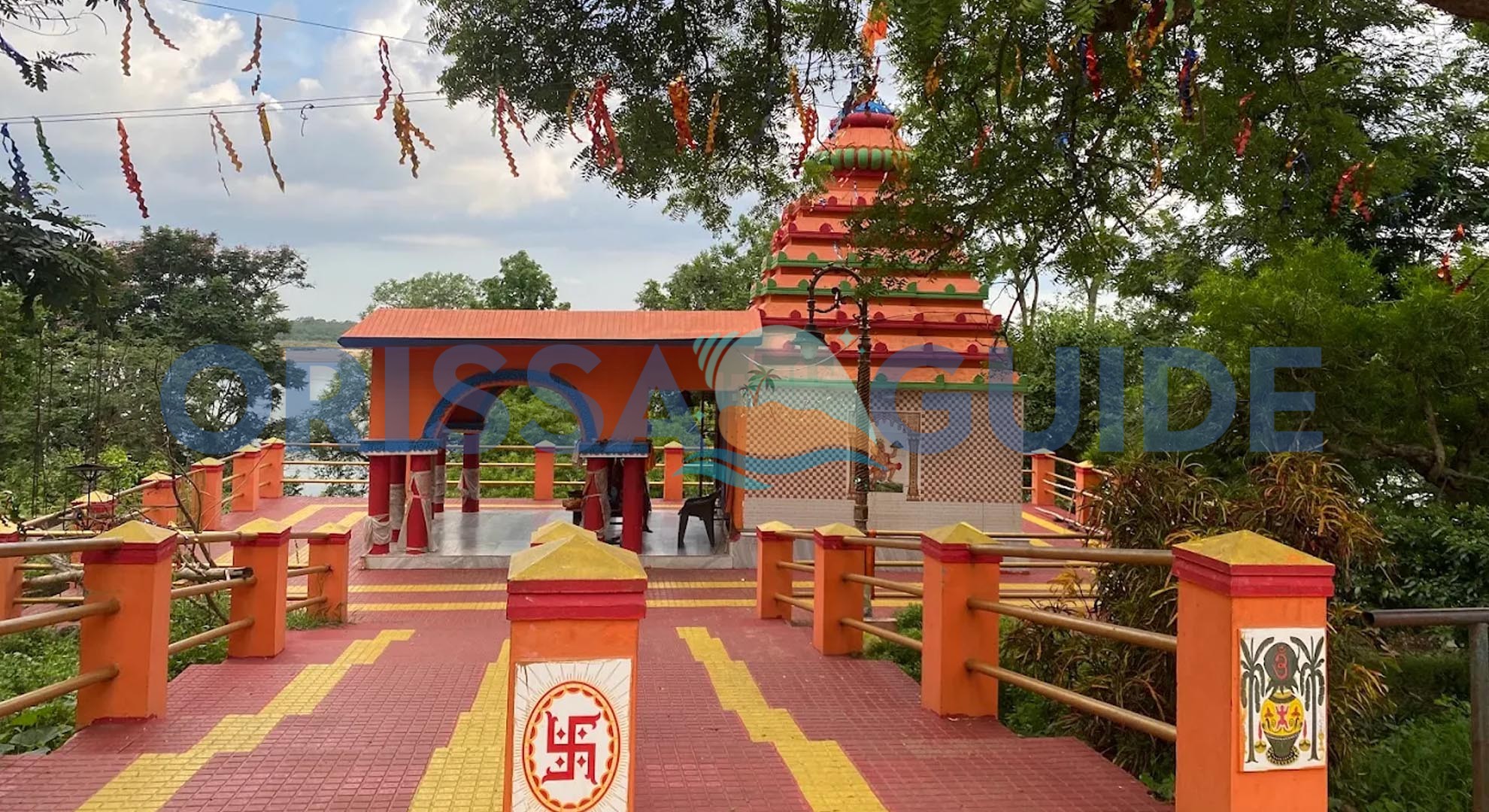
Bhubaneswar, commonly known as the “temple city of India” is an assemblage of ancient temples, each narrating its own story of devotion, architecture, and history. Among these, at Bindusagar Lake, the Brahma Temple stands as a living testimony to the rich color of culture and spirituality that the city boasts of. Devoted to Lord Brahma, the creator of the trinity of Hindu gods, this temple merits a visitation for a person on a tour of the famous temples of Orissa.
Dedicated to Lord Brahma, the creator of the universe according to Hindu mythology, the Brahma Temple stands as an important symbol of Odisha’s ancient religious traditions. Temples dedicated to Lord Brahma are extremely rare in India, which makes this temple especially significant for devotees and travelers interested in spiritual tourism and historical architecture.
Situated near the sacred Bindusagar Lake, the temple attracts pilgrims, tourists, historians, and architecture enthusiasts throughout the year. The peaceful surroundings, ancient stone carvings, and devotional atmosphere create a deeply spiritual experience for visitors.
The Brahma Temple is not just a place of worship but also a reflection of the artistic brilliance and religious devotion of ancient Odisha. A visit to this sacred temple offers travelers an opportunity to explore the cultural soul of Bhubaneswar while experiencing the timeless charm of Odisha’s temple heritage.
Historical Background
The Brahma Temple is believed to have been constructed during the 9th century, making it one of the ancient temples of Bhubaneswar. Though smaller in scale compared to grand temples like the Lingaraja Temple or Konark Sun Temple, the Brahma Temple carries immense historical and spiritual significance.
The temple was built during a period when Bhubaneswar was emerging as a major center for Hindu religion, temple architecture, and spiritual learning. Ancient rulers and dynasties of Odisha promoted the construction of temples dedicated to various Hindu deities, resulting in the development of Bhubaneswar as one of India’s most important temple cities.
The history of the Brahma Temple is closely associated with the growth of Kalinga civilization and the flourishing of temple architecture in eastern India. Over centuries, the temple has remained a sacred destination for devotees seeking blessings from Lord Brahma.
Because temples dedicated to Brahma are extremely rare across India, the Brahma Temple in Bhubaneswar stands out as a culturally important monument. It preserves centuries of religious traditions and offers insight into Odisha’s historical devotion toward different Hindu deities.
The temple also highlights the importance of Bindusagar Lake, around which many important religious structures were built. The lake and surrounding temples together form a sacred spiritual landscape that continues to attract pilgrims from different parts of India.

Architectural Marvel
The Brahma Temple is a remarkable example of traditional Kalinga architecture, the architectural style that defines many ancient temples of Odisha.
Although relatively smaller compared to some of Bhubaneswar’s larger temples, the Brahma Temple displays extraordinary craftsmanship and artistic detailing that reflect the engineering excellence of ancient Odisha.
Kalinga Architectural Style
The temple follows the classic Kalinga style of temple construction characterized by:
- Curved temple towers (Vimana)
- Detailed stone carvings
- Sculpted walls
- Decorative motifs
- Symmetrical structural design
The temple consists primarily of:
- Vimana (sanctum tower)
- Jagamohana (assembly hall)
These structural elements are common features in many famous temples of Odisha, including Mukteshwar Temple and Lingaraja Temple.
Intricate Stone Carvings
One of the most captivating features of the Brahma Temple is its intricate stone carvings and sculptures. The walls of the temple are beautifully decorated with:
- Mythological scenes
- Floral motifs
- Divine figures
- Geometric patterns
- Sculptures of deities
These carvings demonstrate the artistic brilliance and attention to detail of ancient craftsmen.
Every sculpture and design element tells a story connected to Hindu mythology, spirituality, and religious symbolism. The carvings also provide valuable insight into the artistic traditions and cultural values of ancient Odisha.
Idol of Lord Brahma
The sanctum of the temple houses the idol of Lord Brahma, which is considered rare and sacred. Since very few temples in India are dedicated to Lord Brahma, devotees consider visiting this temple highly auspicious.
The idol symbolizes creation, wisdom, and divine knowledge according to Hindu beliefs.
Religious Significance
The Brahma Temple is one of the spiritually important temples in Bhubaneswar because of its association with Lord Brahma, the creator deity of the Hindu Trinity consisting of Brahma, Vishnu, and Shiva.
Devotees visit the temple to seek blessings for:
- Wisdom and knowledge
- Peace and prosperity
- Spiritual growth
- Positive beginnings
The temple attracts worshippers throughout the year, especially during religious festivals and auspicious occasions.
Kartik Purnima Celebrations
One of the most important occasions associated with the temple is Kartik Purnima. During this festival, devotees gather near Bindusagar Lake to take a sacred bath before offering prayers at nearby temples, including the Brahma Temple.
The atmosphere during the festival becomes spiritually vibrant with:
- Devotional chants
- Temple rituals
- Religious ceremonies
- Pilgrim gatherings
The festival reflects the deep-rooted spiritual traditions of Odisha and highlights the cultural importance of the temple.
Sacred Connection with Bindusagar Lake
The Brahma Temple’s location near Bindusagar Lake further enhances its religious significance.
Bindusagar Lake is considered highly sacred and is believed to have been created by Lord Shiva himself. According to local beliefs, the lake contains drops of water from all holy rivers of India.
Pilgrims visiting Bhubaneswar often consider a visit to Bindusagar Lake and nearby temples spiritually purifying and auspicious.
Cultural and Spiritual Experience
Visiting the Brahma Temple is not just a sightseeing activity but a deeply spiritual experience for many devotees and travelers.
The temple’s peaceful atmosphere, rhythmic prayers, ringing bells, and fragrance of incense create a calming environment that allows visitors to connect with their inner selves.
Peaceful Temple Atmosphere
Unlike heavily crowded commercial tourist sites, the Brahma Temple offers a serene and quiet environment ideal for:
- Meditation
- Spiritual reflection
- Prayer and worship
- Mental relaxation
Many visitors spend time sitting peacefully near the temple and Bindusagar Lake to experience the spiritual energy of the surroundings.
Connection Between Spirituality and Nature
The sacred lake, ancient temple structures, and natural surroundings together create a harmonious atmosphere that promotes inner peace and devotion.
The reflection of temples in the waters of Bindusagar Lake during sunrise and sunset adds to the spiritual beauty of the area.
Bindusagar Lake and Its Importance
Bindusagar Lake is one of the most sacred water bodies in Bhubaneswar and forms the spiritual center around which many ancient temples are located.
The lake is closely associated with:
- Religious rituals
- Temple festivals
- Sacred bathing traditions
- Pilgrimage activities
Pilgrims visiting Bhubaneswar often begin their spiritual journey at Bindusagar Lake before exploring nearby temples.
The peaceful lake also enhances the scenic beauty of the temple surroundings and attracts photographers and tourists.
Nearby Attractions
The Brahma Temple is located close to several important historical and religious attractions in Bhubaneswar.
Lingaraja Temple
One of the most famous temples in Odisha, the Lingaraja Temple is located nearby and is renowned for its massive structure and architectural grandeur.
Mukteshwar Temple
Mukteshwar Temple is admired for its elegant carvings and beautiful torana (arched gateway). It is considered a masterpiece of Kalinga architecture.
Udayagiri and Khandagiri Caves
These ancient caves provide insight into Odisha’s Jain heritage and ancient rock-cut architecture.
Rajarani Temple
Rajarani Temple is known for its artistic sculptures and unique reddish-golden sandstone construction.
Together, these attractions make Bhubaneswar one of the most important heritage and spiritual destinations in India.
Best Time to Visit Brahma Temple
The Brahma Temple can be visited throughout the year, but the most pleasant time to explore Bhubaneswar is during the winter season.
Winter Season (October to February)
Winter offers:
- Pleasant weather
- Comfortable sightseeing conditions
- Ideal atmosphere for temple visits
- Festival celebrations
Monsoon Season
The temple surroundings become lush and scenic during monsoon, although occasional rains may affect travel plans.
Summer Season
Summers can be hot, but early morning and evening visits remain enjoyable.
Tourist Facilities Near Brahma Temple
Visitors can find several facilities near the temple area, including:
- Hotels and guest houses
- Restaurants and local eateries
- Parking facilities
- Transportation services
- Shopping areas for handicrafts and souvenirs
Guided tours are also available for tourists interested in exploring Bhubaneswar’s temple heritage.
Cultural Importance of Brahma Temple
The Brahma Temple is an important part of Odisha’s cultural identity and temple heritage. It represents:
- Ancient spiritual traditions
- Kalinga architecture
- Religious diversity
- Historical continuity
The temple preserves centuries of faith, art, and cultural expression that continue to inspire visitors today.
Why You Should Visit Brahma Temple
The Brahma Temple offers visitors:
- A rare temple dedicated to Lord Brahma
- Ancient Kalinga architecture
- Spiritual atmosphere
- Historical significance
- Peaceful surroundings near Bindusagar Lake
- Access to Bhubaneswar’s rich temple heritage
Whether you are a devotee, history enthusiast, architecture lover, or traveler seeking peace, the Brahma Temple provides a meaningful and memorable experience.
Conclusion
The Brahma Temple near Bindusagar Lake stands as a timeless symbol of Odisha’s rich spiritual and architectural heritage. Though modest in size compared to some of Bhubaneswar’s grand temples, its historical significance, religious importance, and serene atmosphere make it a truly special destination.
Surrounded by sacred waters, ancient temples, and centuries of history, the Brahma Temple continues to inspire devotion, curiosity, and admiration among visitors from around the world.
A visit to this sacred temple is not only a journey into Odisha’s glorious past but also an opportunity to experience peace, spirituality, and cultural richness in the heart of Bhubaneswar.
How to Reach, Destination Facilities, Transportation, Destination Attractions, Accessibility
Open Time
Rourkela Jagannath Temple’s open timing is Monday to Sunday Morning 6 am to Evening 8 pm.
Best Time to visit
The best time to visit Jagannath Temple is all time of the Years
Nearby Bus stand
The nearby bus stand is Rourkela, Which is around 4.5 KM Distance from Sector 3, Jagannath Mandir.
Nearby Airport from Rourkela Jagannath Temple
The nearby airport is Veer Surendra Sai Airport, Jharsuguda, Which is around 122 km from Jagannath Temple
Nearby Railway Station
The nearby Railway Station is Rourkela, Which is around 4 KM Distance from Jagannath Mandir