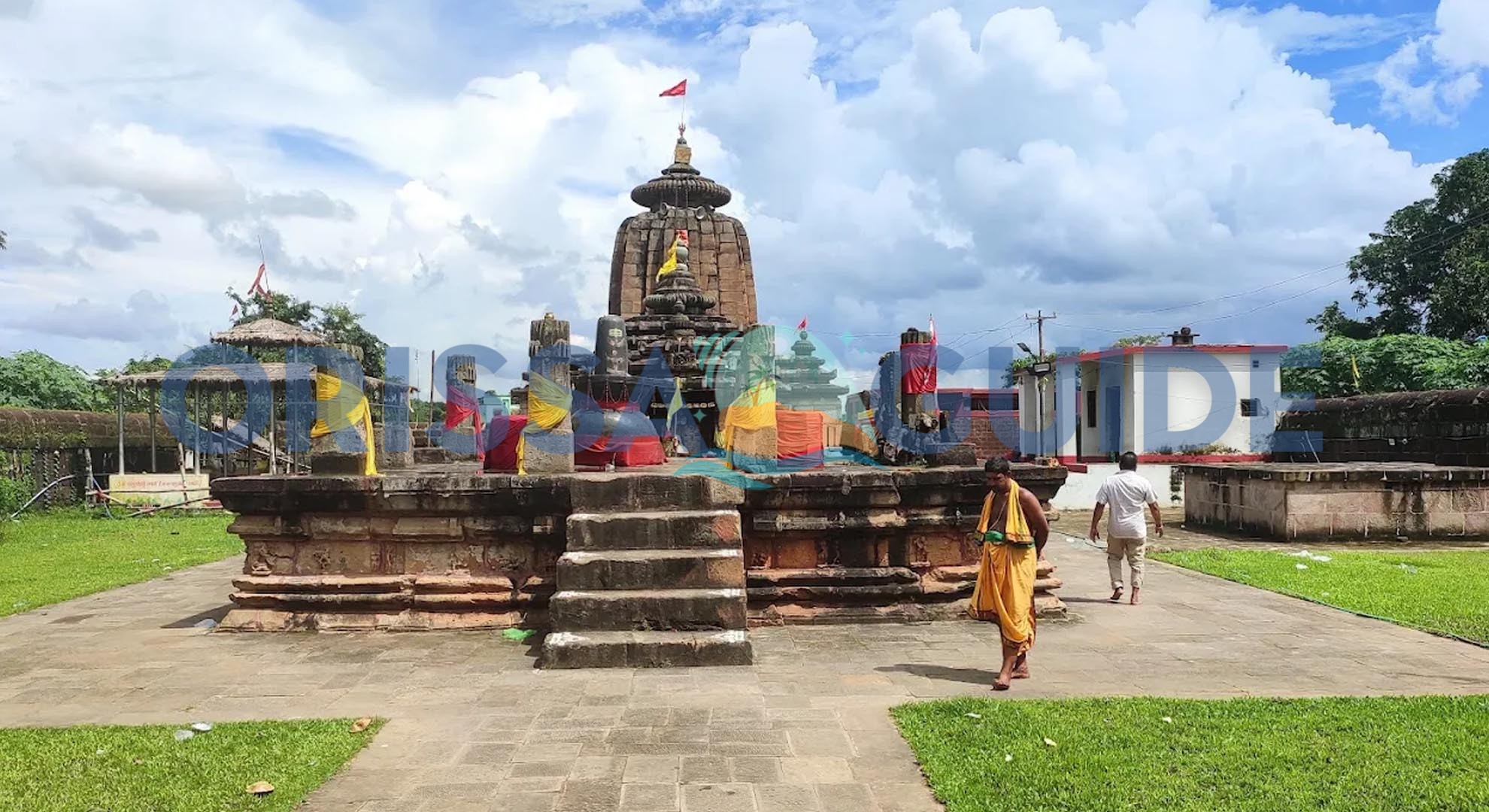
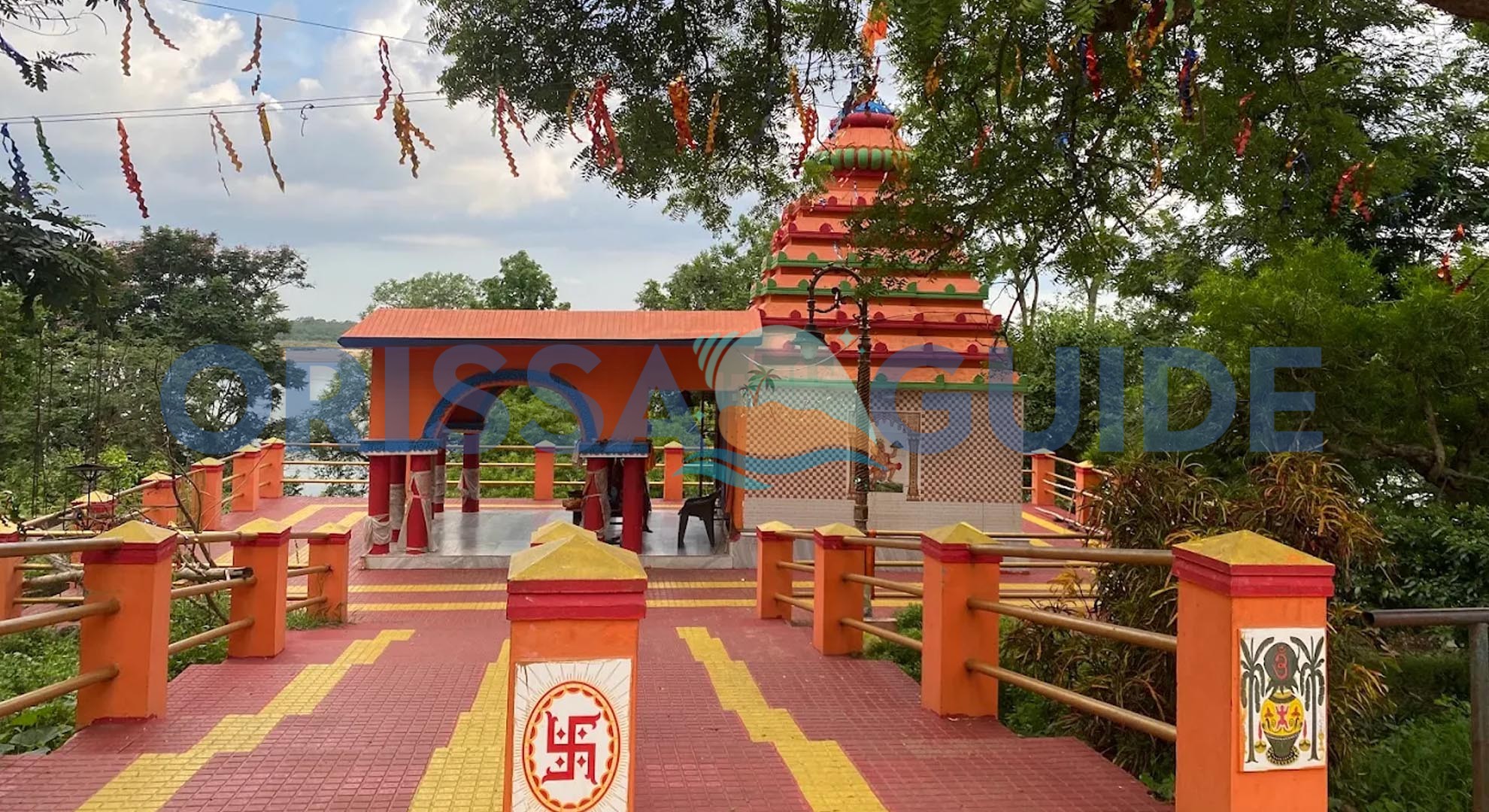
Nestled amidst the lush greenery and scenic riverbanks of Nayagarh district in Odisha, the Kantilo Nilamadhaba Temple stands as one of the most revered spiritual destinations in the state. Located in the peaceful village of Kantilo, this sacred temple dedicated to Lord Vishnu in his divine form as Nilamadhaba attracts thousands of devotees, pilgrims, and tourists every year.
Perched gracefully on a hilltop beside the majestic Mahanadi River, the temple offers not only spiritual peace but also breathtaking panoramic views of forests, hills, and flowing river waters. The tranquil atmosphere surrounding the temple creates a divine environment that deeply touches every visitor who steps into the sacred premises.
The temple is famous for its religious importance, historical connections, and stunning Kalinga-style architecture. Devotees believe that Lord Nilamadhaba is a self-manifested deity, or Swayambhu, making the temple exceptionally sacred in Hindu tradition. The peaceful environment, combined with spiritual vibrations and ancient traditions, transforms every visit into a deeply meaningful experience.
Whether you are a pilgrim seeking blessings, a traveler exploring Odisha’s spiritual heritage, or a history enthusiast fascinated by ancient Indian temples, the Kantilo Nilamadhaba Temple offers an unforgettable journey into the heart of Odisha’s culture and devotion.

Historical Background of Kantilo Nilamadhaba Temple
The Kantilo Nilamadhaba Temple possesses a rich and fascinating history deeply connected to Odisha’s ancient religious traditions. According to historical records and local folklore, the temple dates back to the period of the Eastern Ganga dynasty, which ruled Odisha between the 11th and 15th centuries.
The temple is believed to have played a significant role in the growth of Vaishnavism in Odisha during medieval times. Vaishnavism is a major tradition within Hinduism that worships Lord Vishnu as the supreme deity.
Connection with Jagannath Culture
One of the most important aspects of the temple’s history is its close connection with the Jagannath culture of Odisha. Many scholars and devotees believe that Lord Nilamadhaba is closely linked to Lord Jagannath of Puri.
According to popular legends:
- Lord Nilamadhaba was worshipped before the establishment of the Jagannath Temple in Puri
- The rituals and traditions followed at Kantilo resemble those practiced at Jagannath Temple
- The worship style reflects ancient Vaishnavite customs of Odisha
This connection significantly enhances the spiritual importance of the temple among devotees.
Meaning of Nilamadhaba
The name “Nilamadhaba” comes from two Sanskrit words:
- Nila meaning blue
- Madhaba meaning Lord Vishnu
Together, the name symbolizes the divine blue form of Lord Vishnu.
Over centuries, the temple has undergone several renovations and restorations. However, despite modernization and structural improvements, it continues to preserve its ancient spiritual aura and traditional architectural beauty.
An Architectural Marvel of the Temple
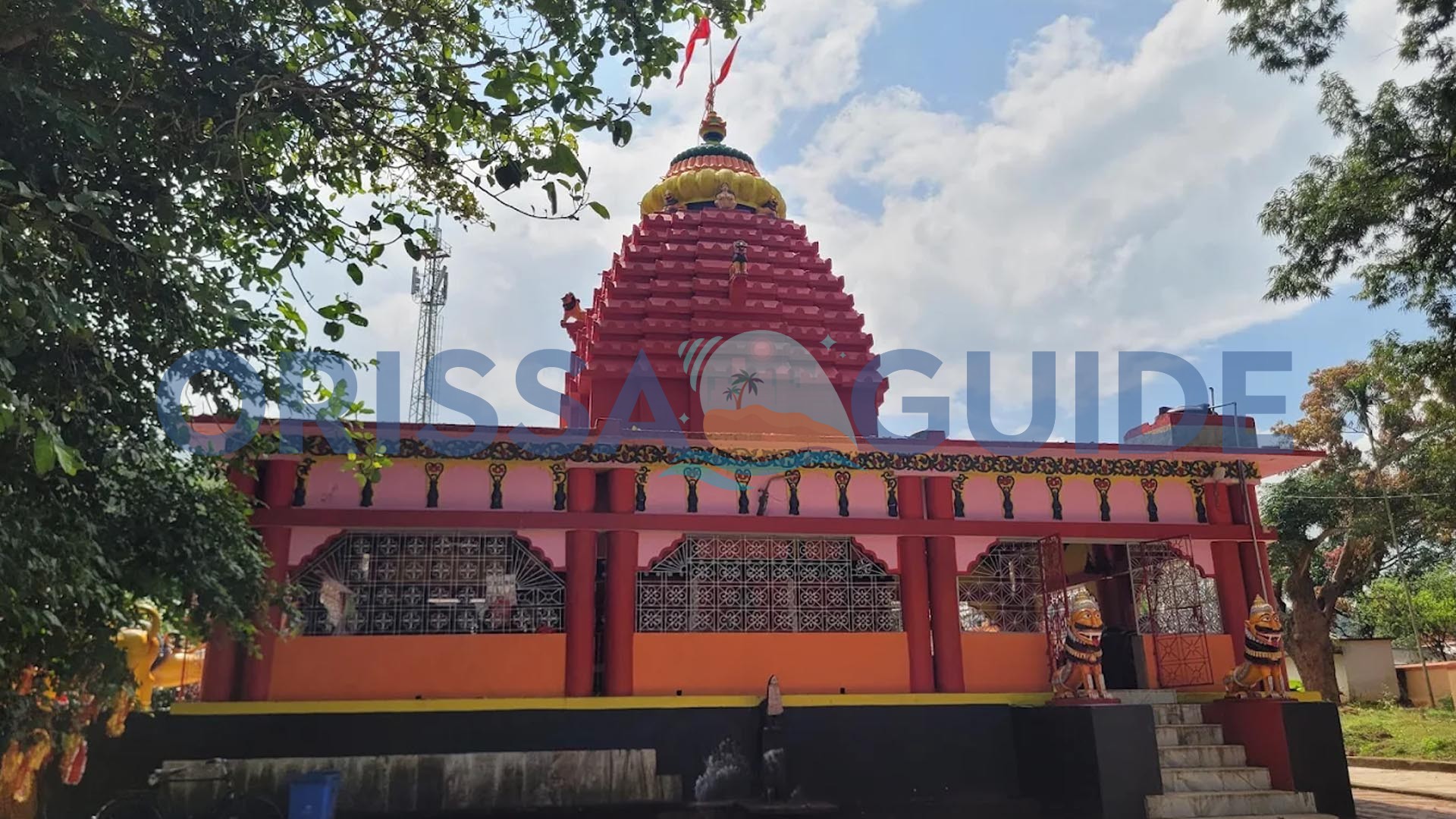
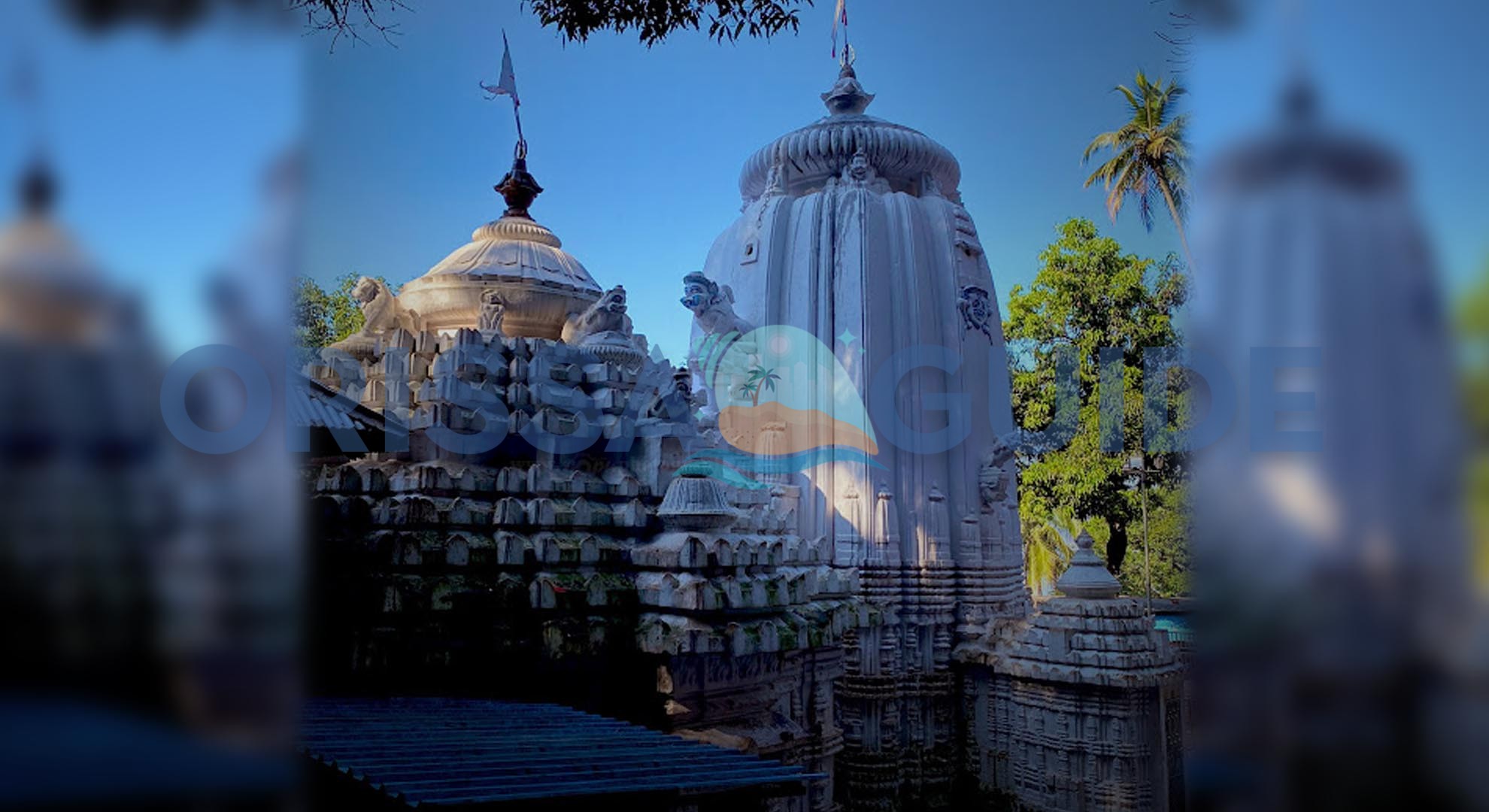
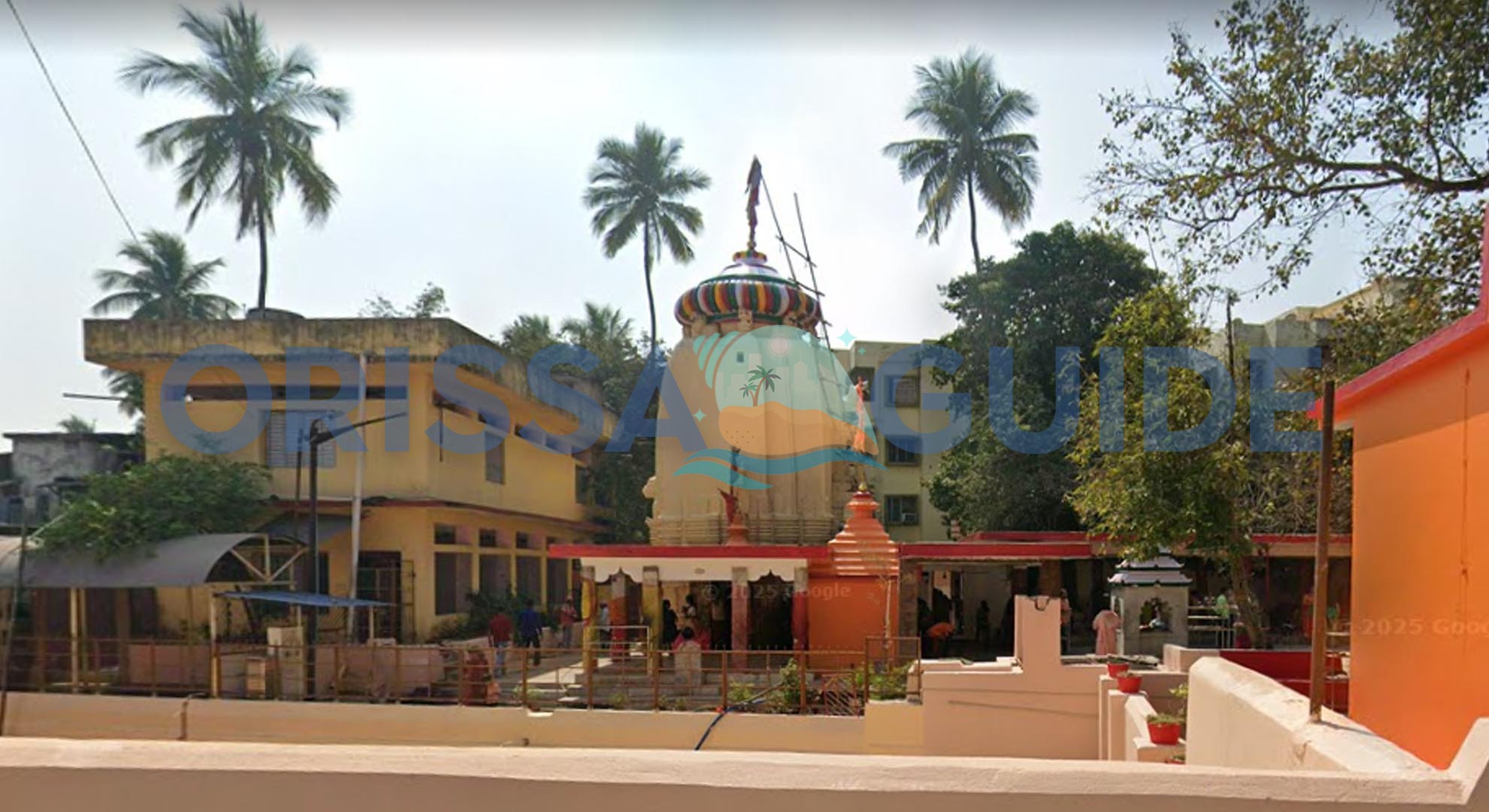
Kantilo Nilamadhaba Temple is the best exponent of Kalinga architecture with its exquisite carvings, soaring tower caps, and majestic sculptures. The temple complex consists of three parts: the temple, the Natya Mandapa (hall for dancing), and the Bhoga Mandapa (the hall for offerings). Inside the sanctum sanctorum of the temple, there is an idol of Lord Nilamadhaba dressed in beautiful jewelry and ornaments.
The walls are decorated with exquisite carvings portraying scenes from Hindu mythology, such as the Dashavatara (the ten incarnations) of Lord Vishnu. This temple typifies Kalinga architecture with its pyramidal roof known as the Rekha Deula. Its location on a hilltop gives additional grandeur to the temple, serving as an aesthetic treat for visitors.
Spiritual Importance of Kantilo Nilamadhaba Temple
Kantilo Nilamadhaba Temple is one of Odisha’s most spiritually significant temples dedicated to Lord Vishnu. The deity worshipped here is believed to possess divine powers capable of fulfilling the wishes of devotees.
Swayambhu Deity
One of the most sacred beliefs associated with the temple is that the idol of Lord Nilamadhaba is Swayambhu, meaning self-manifested. Such deities are considered extremely holy in Hindu tradition because they are believed to have appeared naturally through divine intervention rather than being carved or installed by humans.
This belief attracts countless pilgrims seeking:
- Peace of mind
- Prosperity and success
- Spiritual growth
- Blessings for family and health
- Fulfillment of wishes
The spiritual atmosphere within the temple premises provides devotees with a sense of calmness and divine connection.
Ideal Place for Meditation
The temple’s location amidst nature further enhances its spiritual charm. Surrounded by forests and overlooking the Mahanadi River, the temple offers a peaceful setting ideal for:
- Meditation
- Prayer
- Self-reflection
- Spiritual retreats
Many visitors spend time sitting quietly near the temple to experience inner peace and tranquility.
Architectural Beauty of Kantilo Nilamadhaba Temple
The Kantilo Nilamadhaba Temple is a magnificent example of traditional Kalinga architecture, one of the most celebrated architectural styles of Odisha.
The temple complex beautifully showcases the artistic excellence and craftsmanship of ancient Odishan artisans.
Kalinga Architectural Style
The temple follows the distinctive Kalinga style characterized by:
- Towering temple spires
- Intricate stone carvings
- Sculpted walls and pillars
- Decorative motifs
- Pyramidal roof structures
The main temple tower, known as the Rekha Deula, rises majestically above the hilltop and dominates the surrounding landscape.
Temple Structure
The temple complex consists of three important sections:
Main Sanctum (Garbhagriha)
This is the innermost sacred chamber where the idol of Lord Nilamadhaba is worshipped. The deity is beautifully adorned with ornaments, jewelry, flowers, and traditional attire.
Natya Mandapa
The Natya Mandapa serves as the hall for dance and cultural performances. Traditionally, devotional music and dance performances were conducted here during religious festivals.
Bhoga Mandapa
This hall is used for offering Bhoga (sacred food offerings) to the deity before distribution among devotees.
Intricate Carvings and Sculptures
The walls of the temple are adorned with remarkable carvings depicting scenes from Hindu mythology.
Visitors can observe:
- Dashavatara (Ten incarnations of Lord Vishnu)
- Floral motifs
- Divine figures
- Mythological stories
- Religious symbols
The detailed craftsmanship reflects the artistic brilliance of ancient Odisha.
Scenic Beauty Around the Temple
One of the most enchanting aspects of Kantilo Nilamadhaba Temple is its breathtaking natural setting.
The temple is situated on a hill beside the Mahanadi River, offering spectacular views of:
- River landscapes
- Green forests
- Rolling hills
- Rural countryside scenery
The surrounding environment remains peaceful and less crowded compared to major urban pilgrimage centers, making the experience even more refreshing.
Sunrise and Sunset Views
The hilltop location allows visitors to witness mesmerizing sunrise and sunset views over the Mahanadi River. During early mornings and evenings, the temple surroundings become incredibly scenic and photogenic.
Nature lovers and photographers especially enjoy capturing:
- River reflections
- Temple silhouettes
- Forest landscapes
- Golden sunlight over the hills
The natural beauty around the temple creates a perfect balance between spirituality and scenic tourism.
Religious and Cultural Significance
The Kantilo Nilamadhaba Temple holds immense religious and cultural importance in Odisha.
Center of Vaishnavite Worship
The temple is a major pilgrimage site for followers of Vaishnavism. Devotees believe that worshipping Lord Nilamadhaba brings:
- Peace and happiness
- Spiritual fulfillment
- Prosperity
- Removal of obstacles
The temple continues to preserve ancient rituals and traditions that have been followed for centuries.
Promotion of Spiritual Tourism
The temple plays an important role in Odisha’s spiritual tourism sector. Pilgrims and tourists visiting the temple also explore nearby cultural and natural attractions in Nayagarh district.
Cultural Activities
The temple serves as a center for various cultural and devotional events, including:
- Bhajan programs
- Classical music performances
- Traditional Odissi dance performances
- Religious gatherings and festivals
These activities help preserve Odisha’s rich cultural heritage.
Festivals Celebrated at Kantilo Nilamadhaba Temple
The temple becomes especially vibrant during festivals when thousands of devotees gather to participate in celebrations and rituals.
Jhulana Yatra
Jhulana Yatra is one of the grandest festivals celebrated at the temple.
During this festival:
- The deity is placed on a beautifully decorated swing
- Devotional songs and rituals are performed
- The temple is decorated with flowers and lights
- Large crowds gather for darshan
Janmashtami
Janmashtami, the birth anniversary of Lord Krishna, is celebrated with great devotion and enthusiasm.
Rath Yatra
The famous Rath Yatra festival is also observed at the temple with traditional rituals and processions.
Diwali
During Diwali, the temple glows with decorative lights and festive celebrations.
Festive Atmosphere
During festivals, visitors can enjoy:
- Spiritual rituals
- Traditional music
- Devotional chanting
- Special food offerings
- Cultural performances
The festive atmosphere beautifully reflects the colorful traditions of Odisha.
How to Reach Kantilo Nilamadhaba Temple
The temple is well connected by road and can be easily reached from Bhubaneswar and nearby cities.
By Road
Kantilo is located approximately:
- 70 km from Bhubaneswar
- Around 50 km from Cuttack
Visitors can travel by:
- Private cars
- Taxis
- State transport buses
The road journey to the temple is scenic and passes through beautiful countryside landscapes.
By Rail
The nearest major railway station is:
- Cuttack Railway Station
From Cuttack, visitors can hire taxis or take buses toward Kantilo.
By Air
The nearest airport is:
- Biju Patnaik International Airport, Bhubaneswar
From Bhubaneswar, travelers can continue by road to reach the temple.
Tourist Facilities Near the Temple
Basic tourist facilities are available near the temple area for visitors and pilgrims.
Facilities include:
- Parking areas
- Small shops and eateries
- Resting spaces
- Local transportation
- Accommodation options in nearby towns
Visitors are advised to carry comfortable footwear and water while climbing toward the hilltop temple.
Why You Should Visit Kantilo Nilamadhaba Temple
Kantilo Nilamadhaba Temple is more than just a religious destination—it is a place where spirituality, history, architecture, and nature come together beautifully.
Visitors should explore the temple for:
- Spiritual peace and devotion
- Ancient Kalinga architecture
- Historical significance
- Scenic river and hill views
- Cultural experiences
- Religious festivals and traditions
The temple provides a deeply enriching experience for both pilgrims and travelers.
Conclusion
The Kantilo Nilamadhaba Temple stands as one of Odisha’s most sacred and beautiful spiritual destinations. Surrounded by the serene landscapes of Nayagarh and the flowing waters of the Mahanadi River, the temple offers visitors an unforgettable journey into spirituality, history, culture, and architectural excellence.
Whether you seek divine blessings, wish to explore Odisha’s ancient heritage, or simply desire a peaceful retreat amidst nature, the temple welcomes every traveler with its timeless beauty and spiritual tranquility.
A visit to Kantilo Nilamadhaba Temple is not just a journey to a temple—it is an experience that nourishes the soul and connects visitors with Odisha’s rich spiritual legacy.