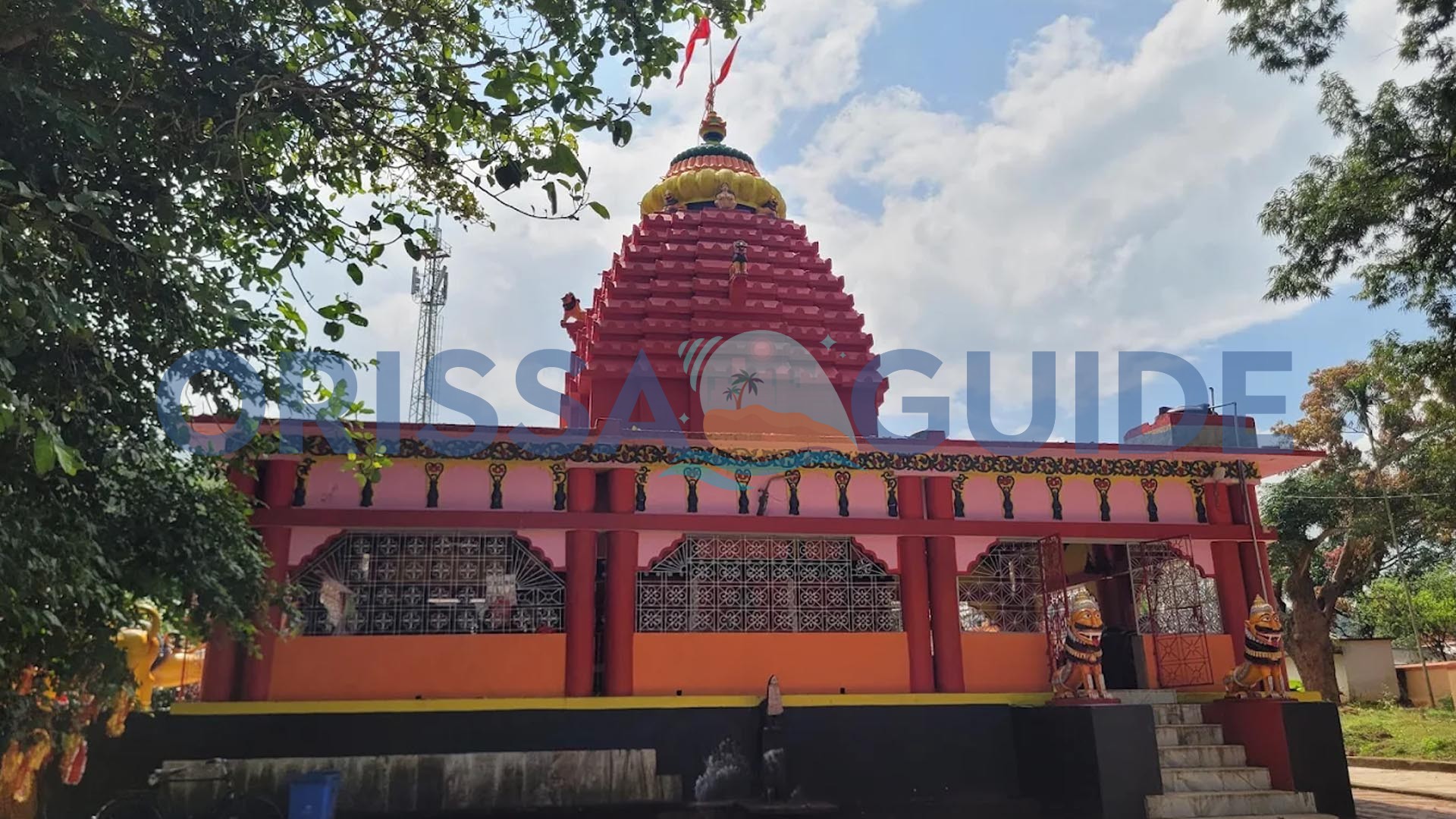
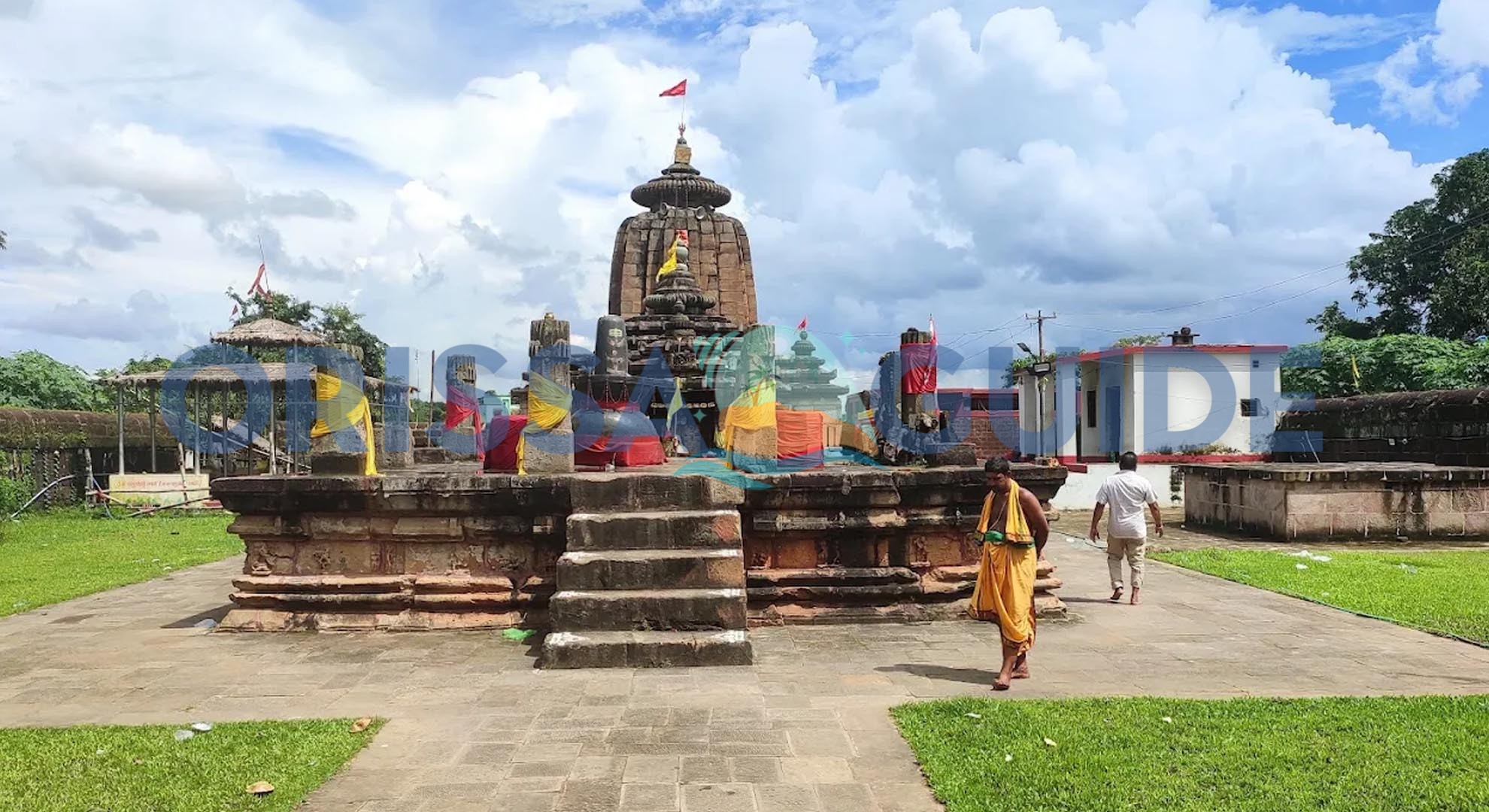
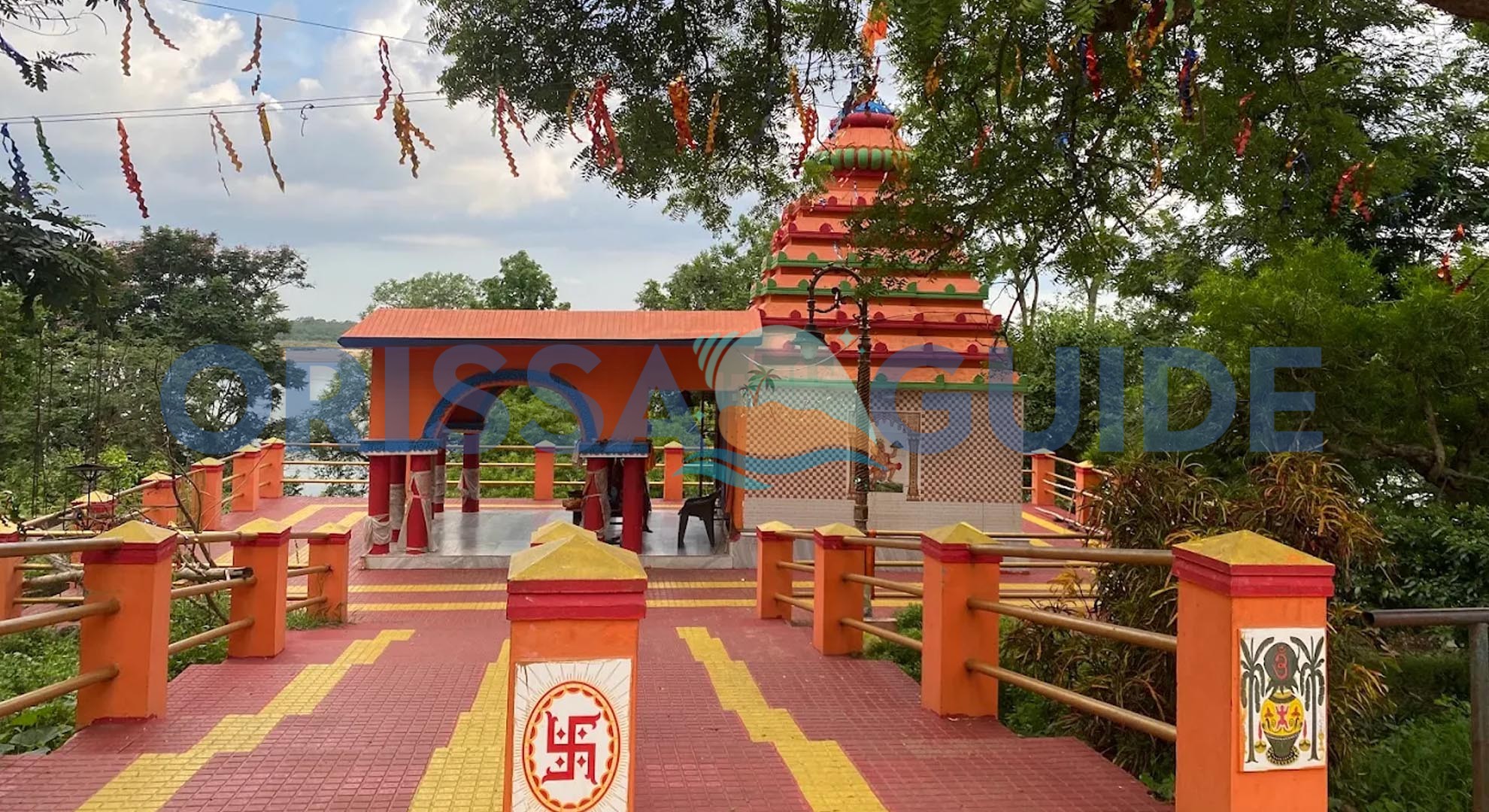
Perched among the scenic beauty of Murga Mahadev in Keonjhar, in the state of Odisha, is a temple of historical and cultural significance. It is dedicated to Lord Shiva, and since ancient times, this temple has remained a most treasured place of pilgrimage. The word “Murga” means rooster in Hindi; the temple draws its name from the legend of a rooster that somewhere served Lord Shiva.
Located in a peaceful environment surrounded by hills, waterfalls, forests, and rocky landscapes, the temple offers a perfect blend of spirituality and natural beauty. Unlike crowded urban temples, Murga Mahadev Temple provides visitors with a calm and deeply meditative atmosphere where one can experience devotion in the lap of nature.
The temple derives its name from the word “Murga,” meaning rooster in Hindi. According to local legends, a rooster once sacrificed itself in devotion to Lord Shiva, and the temple became associated with this extraordinary act of faith. Over the centuries, this story has become an important part of the cultural and spiritual identity of the temple.
Murga Mahadev Temple is not merely a religious destination; it is also an architectural and historical landmark that reflects Odisha’s rich cultural heritage. Built in the traditional Kalinga style of architecture, the temple showcases intricate carvings, elegant sculptures, and timeless craftsmanship that continue to amaze visitors even today.
Whether you are seeking:
- Spiritual peace
- Ancient history
- Temple architecture
- Scenic beauty
- Cultural exploration
- A peaceful escape into nature
Murga Mahadev Temple offers an unforgettable and soul-enriching experience.

The Legend and History of Murga Mahadev Temple
One of the most fascinating aspects of Murga Mahadev Temple is the legend associated with its origin. Like many ancient temples in India, Murga Mahadev is deeply rooted in mythology and local folklore.
According to popular belief, a rooster—or “Murga”—once displayed immense devotion toward Lord Shiva. It is said that the rooster sacrificed itself as an offering to the deity, demonstrating unconditional faith and loyalty. Lord Shiva, pleased with this act of devotion, blessed the rooster with immortality and divine recognition.
This legend became so deeply associated with the temple that the shrine eventually came to be known as Murga Mahadev Temple.
The story symbolizes:
- Selfless devotion
- Faith and sacrifice
- Spiritual surrender
- Divine blessings
For local devotees, the temple is not just a place of worship but also a symbol of unwavering faith.
Many pilgrims believe that praying at Murga Mahadev Temple helps remove negativity, obstacles, and suffering from life. The spiritual energy associated with the temple continues to attract thousands of devotees throughout the year.
Historical Significance of Murga Mahadev Temple
The Murga Mahadev Temple is believed to have been constructed during the reign of the Keshari Dynasty, which was known for promoting temple architecture and Hindu religious traditions in Odisha.
Although exact historical records are limited, historians and researchers believe that the temple has existed for several centuries and has survived through changing political and social conditions. Over time, the temple became an important center of Shaivism in the region.
The historical significance of the temple lies in:
- Its association with ancient Odisha
- Preservation of Kalinga architecture
- Religious importance in Shaivism
- Cultural continuity through generations
Ancient temples like Murga Mahadev served not only as places of worship but also as centers for:
- Community gatherings
- Cultural celebrations
- Religious education
- Artistic development
The carvings and sculptures found on the temple walls provide valuable insight into the artistic and spiritual traditions of ancient Odisha.
Even today, the temple stands as a proud reminder of the region’s rich heritage and deep-rooted spiritual culture.
Architectural Marvel of Murga Mahadev Temple
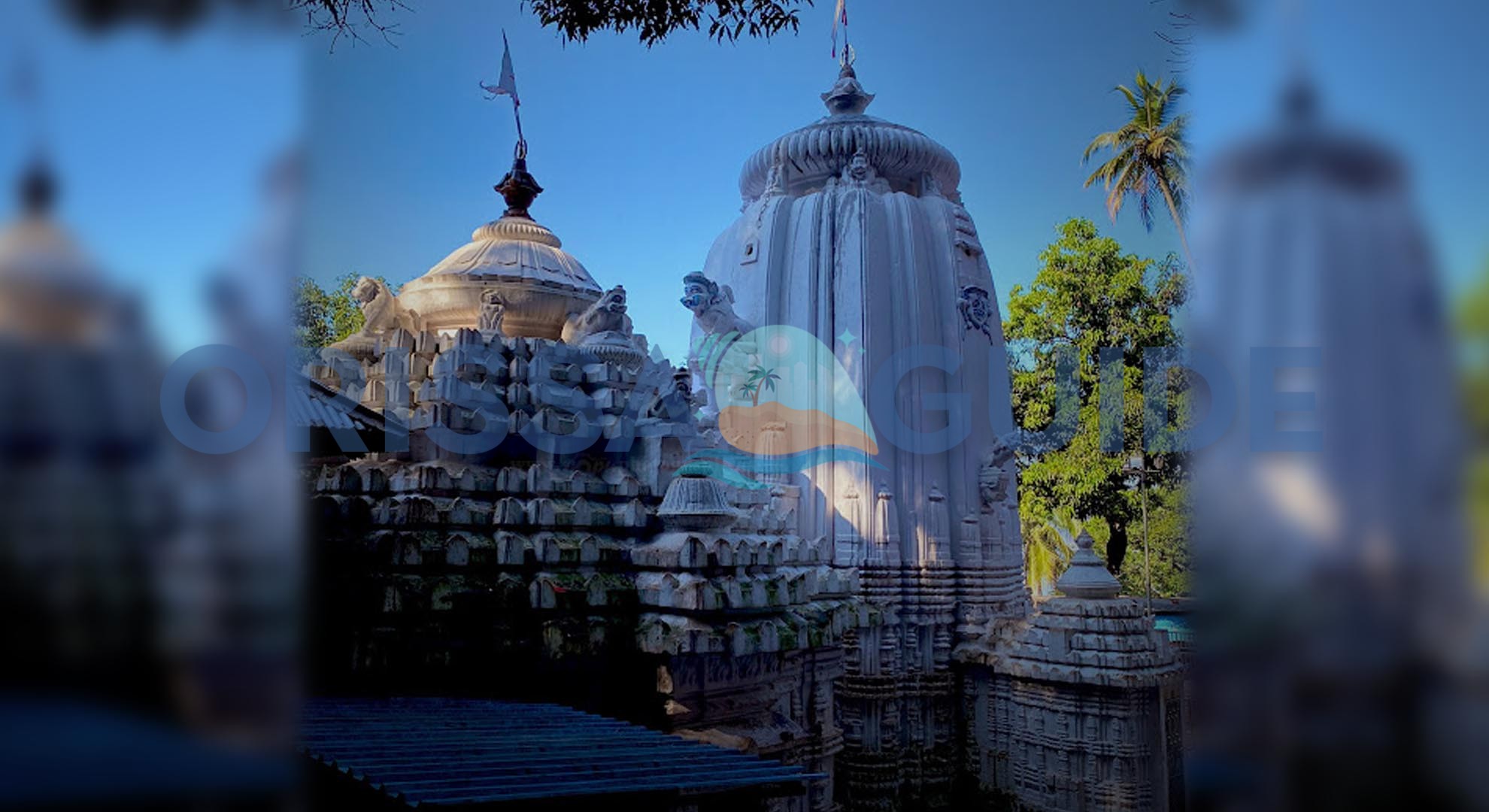
Murga Mahadev Temple is a fine example of the famous Kalinga style of architecture, which is considered one of the most remarkable temple architectural styles in India.
The temple’s design reflects extraordinary craftsmanship and artistic excellence. Every part of the structure showcases the skill and dedication of ancient artisans who spent years creating detailed carvings and sculptures.
The Towering Shikhara
One of the most eye-catching features of the temple is its magnificent shikhara (tower). Rising gracefully above the temple complex, the shikhara symbolizes spiritual elevation and the connection between the earthly world and the divine realm.
The towering structure can be seen from a distance and adds grandeur to the temple’s natural surroundings.
Stone Carvings and Sculptures
The walls of the temple are beautifully decorated with:
- Mythological figures
- Floral patterns
- Divine beings
- Sculptures of gods and goddesses
- Scenes from Hindu epics like Ramayana and Mahabharata
These carvings are not merely decorative; they narrate stories from Hindu mythology and communicate religious teachings through visual art.
The attention to detail visible in the sculptures reflects the advanced artistic abilities of ancient Odisha’s craftsmen.
The Sacred Shiva Lingam
At the heart of the temple lies the sacred Shiva Lingam, which is worshipped as the central deity of the shrine.
Devotees offer:
- Milk
- Water
- Honey
- Bel leaves
- Flowers
during rituals and prayers.
The sanctum sanctorum of the temple radiates spiritual energy and remains the focal point for pilgrims visiting the shrine.
Natural Beauty Surrounding Murga Mahadev Temple
One of the most unique aspects of Murga Mahadev Temple is its breathtaking natural setting.
The temple is surrounded by:
- Dense forests
- Green hills
- Rocky landscapes
- Fresh air and peaceful silence
The scenic environment makes the temple not only a spiritual destination but also a paradise for nature lovers and photographers.
The road leading to the temple passes through beautiful landscapes that enhance the overall travel experience. During monsoon and winter seasons, the area becomes especially picturesque with mist-covered hills and lush greenery.
Visitors often describe the temple surroundings as:
- Peaceful
- Refreshing
- Spiritually uplifting
- Naturally beautiful
The combination of spirituality and nature creates a deeply calming atmosphere.
Spiritual Significance of Murga Mahadev Temple
Murga Mahadev Temple holds immense religious importance for devotees of Lord Shiva. It is considered a sacred site where prayers and devotion can bring peace, prosperity, and spiritual fulfillment.
Pilgrims visit the temple to:
- Seek blessings from Lord Shiva
- Pray for health and happiness
- Find mental peace
- Perform religious rituals
- Meditate in a sacred environment
The temple becomes especially vibrant during:
- Maha Shivaratri
- Shravan month
- Mondays dedicated to Lord Shiva
During festivals, thousands of devotees gather at the temple to participate in prayers, bhajans, and rituals.
The chanting of Vedic hymns, ringing temple bells, and fragrance of incense create a divine atmosphere that deeply touches visitors.
Many devotees believe that visiting Murga Mahadev Temple helps them feel spiritually purified and emotionally refreshed.
Maha Shivaratri Celebrations at Murga Mahadev Temple
The festival of Maha Shivaratri is the most important celebration at Murga Mahadev Temple.
During this occasion:
- Thousands of pilgrims visit the temple
- Special rituals and prayers are conducted
- Devotees fast and stay awake all night
- The temple is beautifully decorated with lights and flowers
- Bhajans and devotional songs fill the atmosphere
The sacred Shiva Lingam is ceremonially bathed with:
- Milk
- Honey
- Water
- Sandalwood paste
The spiritual energy during Maha Shivaratri transforms the temple into a center of devotion and celebration.
How to Reach Murga Mahadev Temple, Keonjhar, Odisha
Planning to visit the Murga Mahadev Temple, Keonjhar, Odisha? Here’s how to reach this holy place! The temple is situated about 33 kilometers from Keonjhar town, connected via road. There are regular bus services and private taxis from Keonjhar to the temple. The nearest station is at Keonjhar, while Biju Patnaik International Airport, Bhubaneswar, which is about 200 kilometers away, is the closest airport.
The journey to the temple is as beautiful as the destination itself, traveling through Odisha’s lush terrain. Whether alone or in groups, Murga Mahadev Temple, Keonjhar, Odisha, is one destination that can be accessed with ease and with the promise of being an unforgettable experience.
Best Time to Visit Murga Mahadev Temple, Keonjhar, Odisha
While the Murga Mahadev Temple in Keonjhar, Odisha, can be visited any time of the year, the most ideal time for a visit is between October and February. During winter, the pleasant weather makes it best for any exploration around the temple. While other seasons like monsoons (June to September) also offer a unique experience with the temple clad with lush greenery and misty hills, Maha Shivaratri is the most auspicious time when the temple comes alive with splendid festivities and spiritual fervor. The Murga Mahadev Temple, Keonjhar, Odisha, is always a destination worth visiting to experience serene and enriching moments.
Nearby Attractions to Explore Around Murga Mahadev Temple
It doesn’t make sense to visit Murga Mahadev Temple, Keonjhar, Odisha, without exploring its nearby attractions. This includes the scenic Badaghagara Waterfall-must for nature. Another spiritual site worth visiting is the Jagannath Temple in Keonjhar town. For those interested in ancient culture, the Maa Tarini Temple and Khandadhar Waterfall will indeed excite any sort of history buff. The lush forest and wildlife sanctuaries surrounding Keonjhar are perfect for adventure freaks. From spiritual serenity to adventurous excursions, Murga Mahadev Temple, Keonjhar, Odisha, and surrounding areas have something for everyone.
Tips for Visiting Murga Mahadev Temple, Keonjhar, Odisha
To enjoy maximum benefit on your visit to the Murga Mahadev Temple, Keonjhar, Odisha, here are certain tips: comfortable footwear is to be kept on, as the temple stands apart from village life and hence is walking. A water bottle and some snacks, since there will be kids along. Modest clothing and absence of footwear before entering the sanctum, since some customs are being observed.
Photography may vary between temples; always ask for permission, always. Consider visiting during the weekdays for lesser crowds; else, participate in the festivities for a unique experience during Maha Shivaratri. With these tips, your visit to the Murga Mahadev Temple, Keonjhar, Odisha will be a fun, enjoyable, and spiritually fulfilling one.
How to Reach, Destination Facilities, Transportation, Destination Attractions, Accessibility
Open Time
Murga Mahadev Temple’s open timings are Morning 6 am to Evening 7 pm
Best Time to visit
The best time to visit Murga Mahadev Temple is from November to June and during the winter season.
Nearby Airport
The nearest airport is Biju Patnaik International Airport, Bhubaneswar, which is located around 286 KM distance from Murga Mahadev Temple and 213 km from Veer Surendra Sai Airport, Jharsuguda
Nearby Railway Station
The Nearby Railway Station to Murga Mahadev Temple is Joda-Barbil, which is about 10 km away
Nearby Bus Stand
The nearest Bus stand is Joda, which is located around 15 KM distance from Murga Mahadev Temple.
Travel Tips for Visiting Murga Mahadev Temple
To ensure a comfortable and memorable visit, consider the following tips:
- Wear comfortable footwear
- Carry water bottles and snacks
- Dress modestly while visiting the temple
- Remove footwear before entering the sanctum
- Respect local customs and traditions
- Carry a camera for scenic photography
- Visit during weekdays for fewer crowds
- Plan early morning visits for peaceful experiences
Why You Should Visit Murga Mahadev Temple
Murga Mahadev Temple is more than just a religious site—it is a complete experience combining:
- Spirituality
- History
- Architecture
- Nature
- Culture
- Peaceful surroundings
Whether you are a pilgrim, traveler, photographer, or history enthusiast, the temple offers something truly special.
Its combination of ancient heritage and scenic beauty makes it one of the most rewarding destinations in Keonjhar district.
Conclusion
Murga Mahadev Temple in Keonjhar, Odisha, stands as a timeless symbol of faith, devotion, and cultural heritage. Surrounded by hills and forests, the temple offers visitors a deeply spiritual and peaceful experience while also showcasing the architectural brilliance of ancient Odisha.
From fascinating legends and intricate carvings to vibrant festivals and serene natural beauty, every aspect of Murga Mahadev Temple leaves a lasting impression.
For anyone seeking spiritual fulfillment, cultural exploration, or simply a peaceful retreat in nature, Murga Mahadev Temple is undoubtedly a destination worth experiencing.