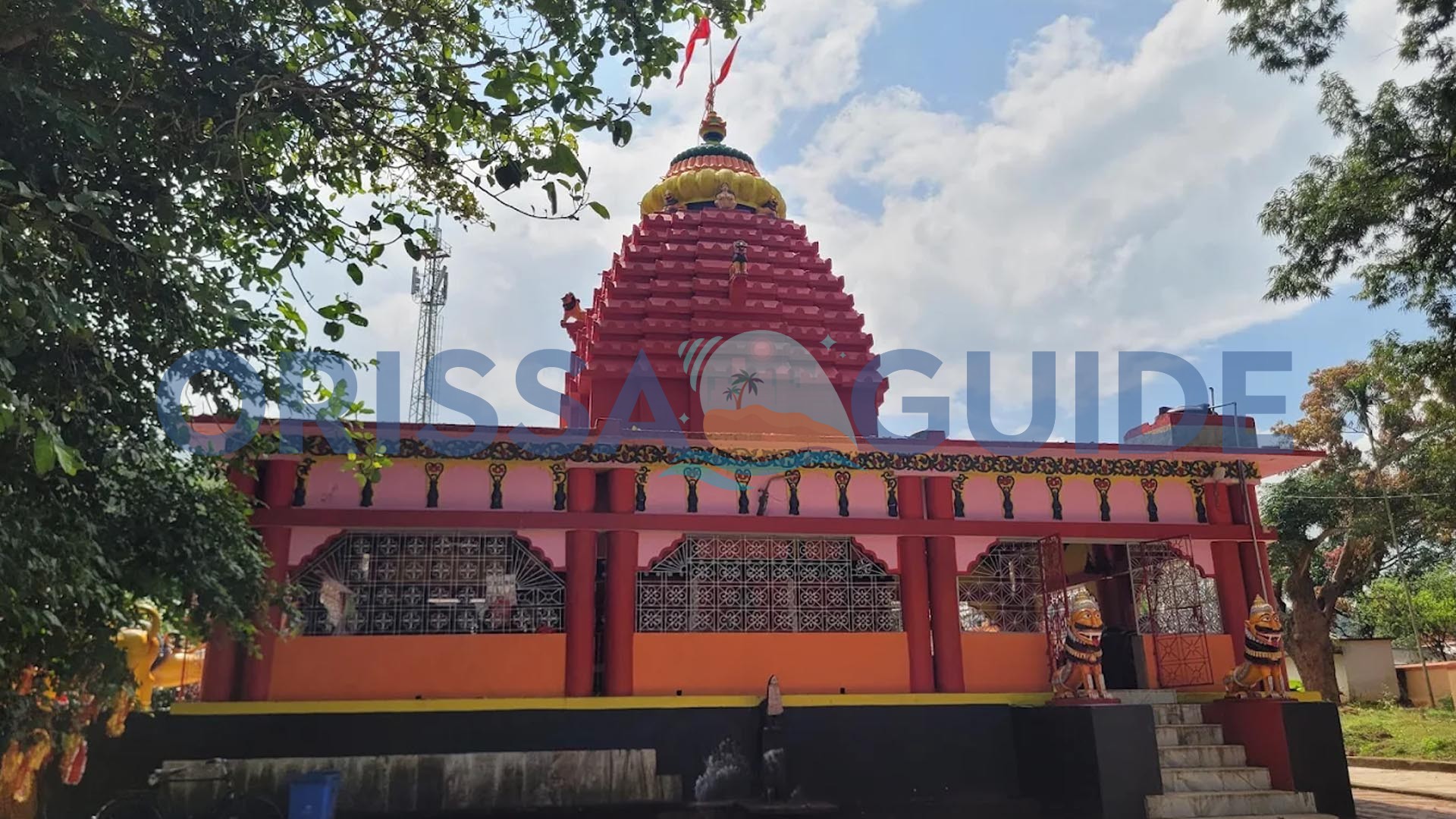
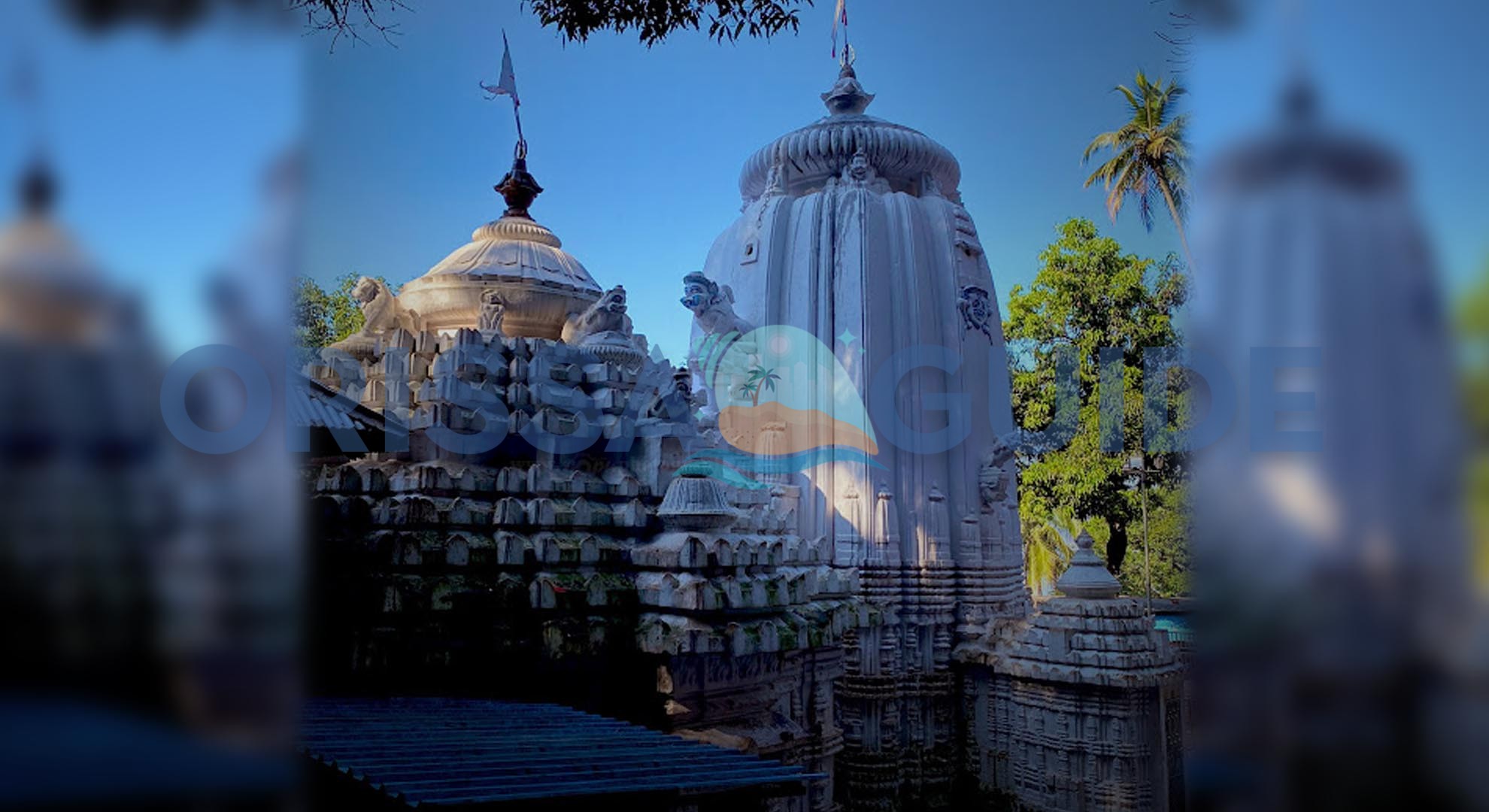
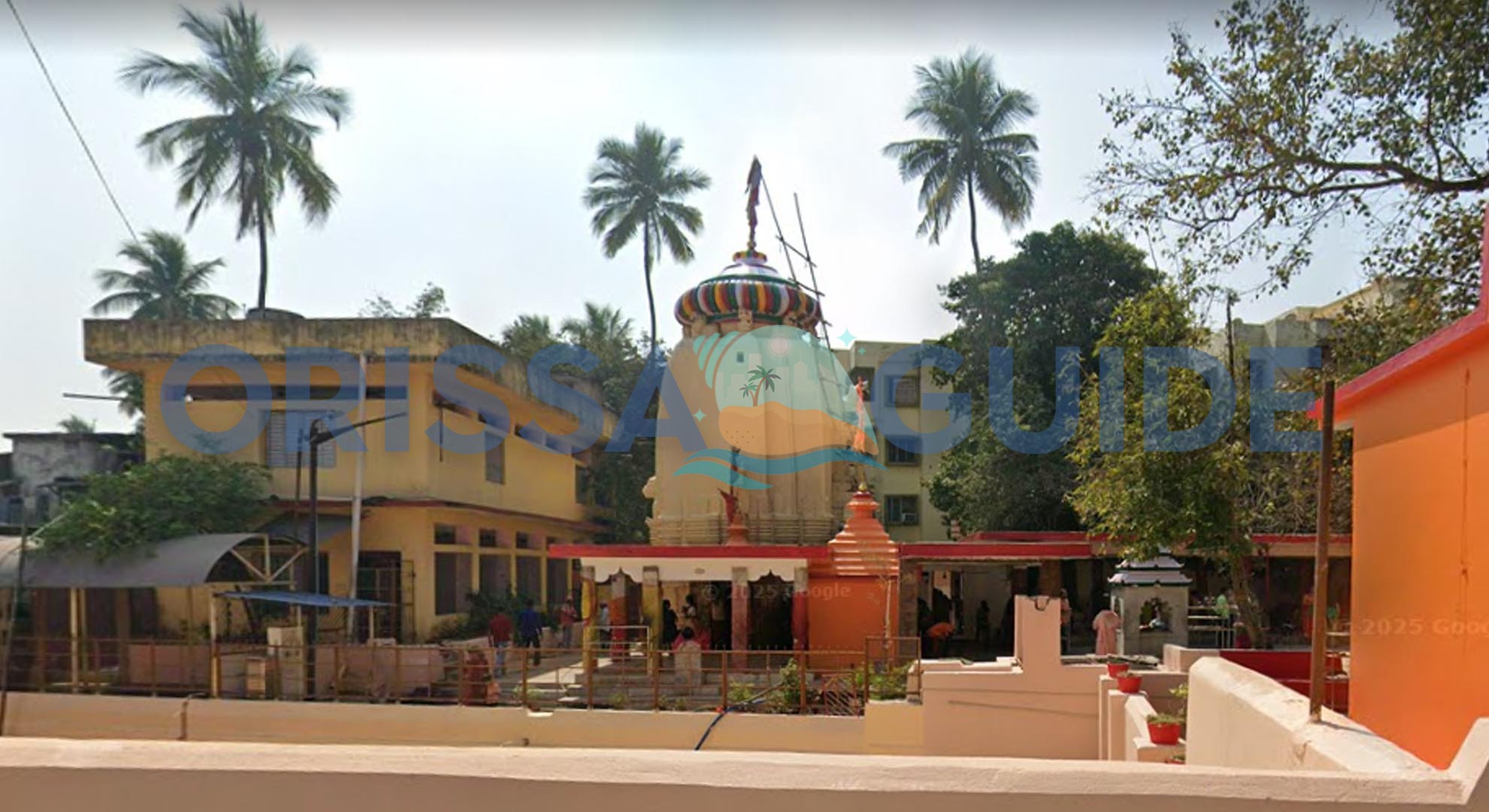
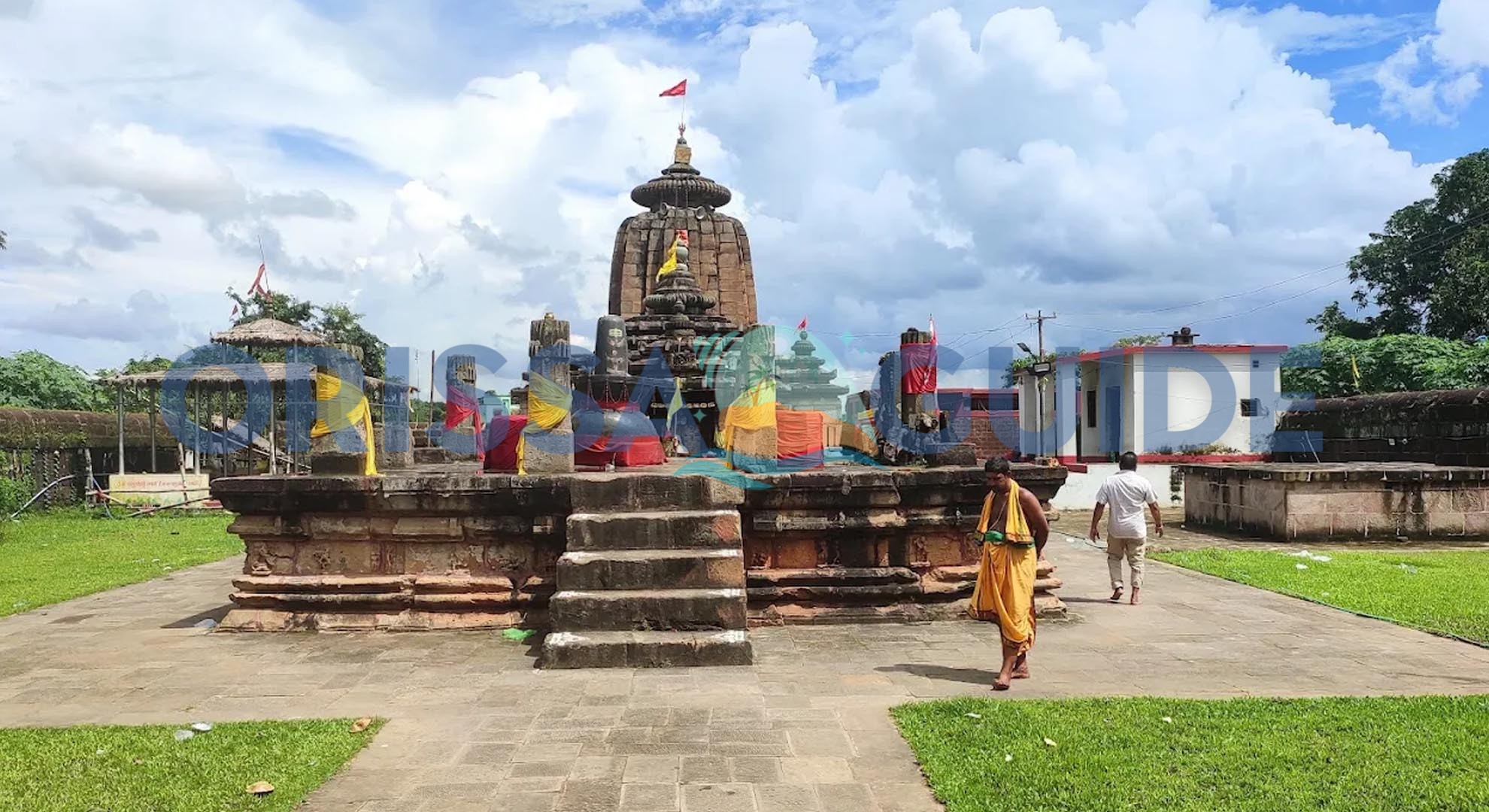
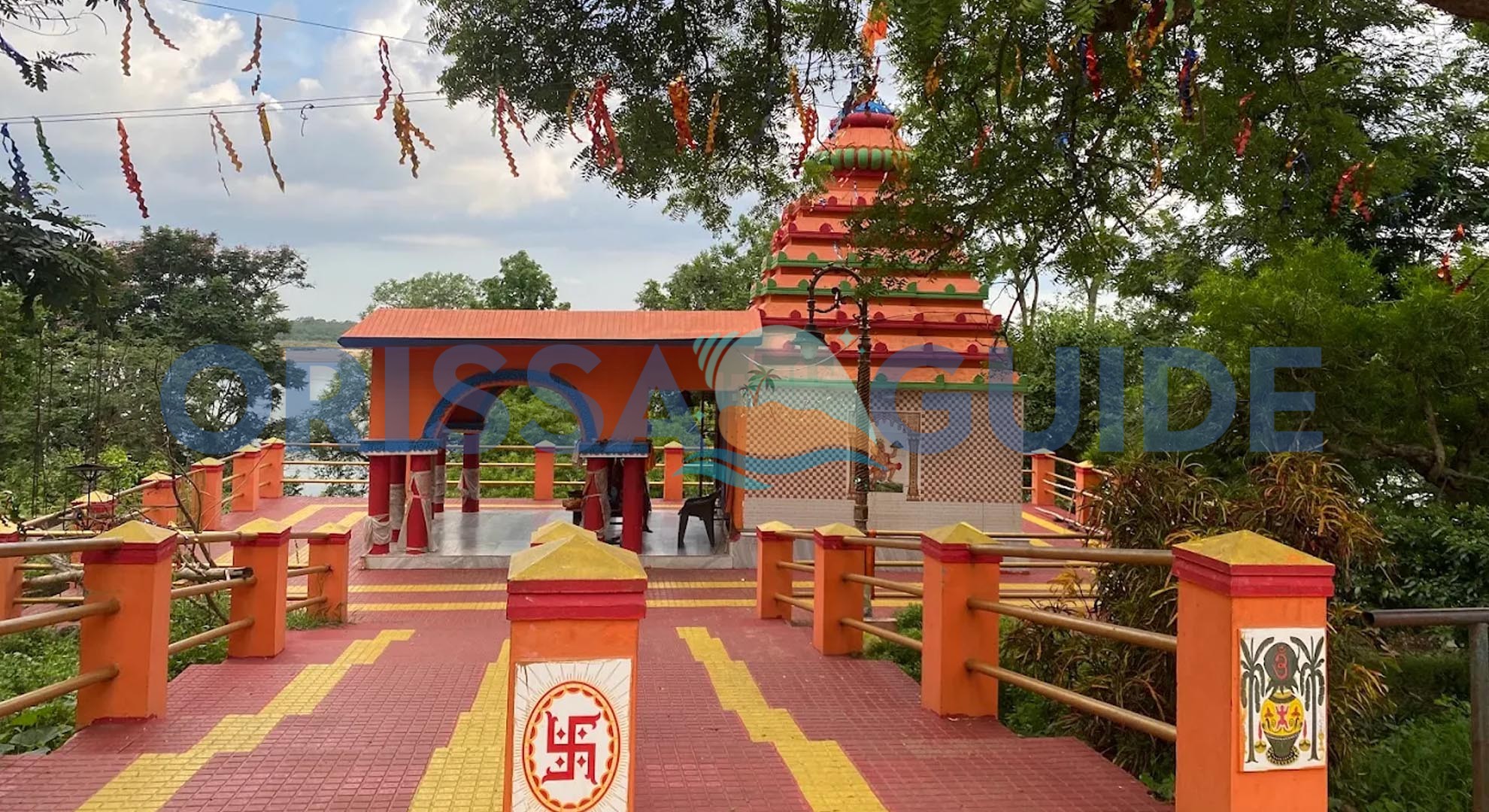
The Belesvara Shiva Temple, Bhubaneswar, Odisha, shining forth as an illustration of the cultural and spiritual heritage of antiquity, situates itself at the very heart of Bhubaneswar and has given way to the sobriquet, “Temple City of India.” An ancient temple built during the medieval period, it is dedicated to one of the major deities of Hinduism-Lord Shiva.
Dedicated to Lord Shiva, one of the principal deities of Hinduism, the temple is an important place of worship and devotion for countless devotees. Although smaller and less crowded compared to some of Bhubaneswar’s larger temples, Belesvara Shiva Temple possesses a unique charm that deeply touches visitors. Its peaceful surroundings, historical significance, and exquisite craftsmanship make it a treasured landmark of Odisha’s temple architecture.
Constructed during the medieval period, the temple showcases the brilliance of classical Kalinga architecture, a style renowned for its elegant structures, intricate carvings, and spiritual symbolism. The temple beautifully captures the artistic excellence of ancient Odisha while preserving the devotional traditions that have continued for centuries.
For devotees, the temple is a sacred place where prayers, rituals, and spiritual practices create an atmosphere of divine energy. For historians and travelers, it offers a fascinating glimpse into the architectural and cultural achievements of ancient India.
A visit to Belesvara Shiva Temple is not simply about sightseeing—it is about experiencing the soul of Odisha through its spirituality, history, artistry, and timeless traditions.

Historical Background of Belesvara Shiva Temple
The Belesvara Shiva Temple carries immense historical importance as one of the many ancient temples that contribute to Bhubaneswar’s identity as a major center of Hindu spirituality and temple architecture.
Historians believe that the temple was built during the medieval era, a period when Odisha witnessed a flourishing of temple construction and artistic expression. During this time, rulers and devotees invested heavily in building magnificent temples dedicated to Hindu deities, particularly Lord Shiva.
The temple stands as a testimony to:
- The religious devotion of ancient Odisha
- The advancement of temple architecture
- The importance of Shaivism in the region
- The artistic brilliance of medieval craftsmen
Bhubaneswar itself has been an important spiritual center for centuries. The city once served as a hub for religious learning, temple rituals, and cultural activities. Belesvara Shiva Temple formed an essential part of this sacred landscape, contributing to the city’s spiritual identity.
Like many ancient temples in Odisha, Belesvara Shiva Temple was not only a place of worship but also a center for:
- Community gatherings
- Religious celebrations
- Cultural performances
- Preservation of traditions
Over the centuries, despite changing political periods and modernization, the temple has continued to preserve its spiritual essence and architectural beauty.
Today, it remains a symbol of Odisha’s glorious past and an important destination for pilgrims, historians, and cultural explorers.
Architectural Wonders of Belesvara Shiva Temple
Belesvara Shiva Temple is a magnificent example of Kalinga temple architecture, one of the most celebrated architectural styles of India. The temple’s structure reflects extraordinary craftsmanship and attention to detail, demonstrating the advanced artistic abilities of ancient Odisha.
The architectural beauty of the temple lies in its:
- Intricately carved stone walls
- Towering Nagara-style vimana
- Sculpted mythological figures
- Decorative floral and geometric patterns
- Harmonious structural design
Every section of the temple showcases the remarkable dedication and talent of the artisans who created it centuries ago.
The Vimana (Temple Tower)
One of the most striking features of the temple is its towering vimana, which rises gracefully above the sanctum. The tower is designed in the traditional Nagara style, characterized by its vertical structure and curving silhouette.
The vimana symbolizes:
- Spiritual elevation
- Connection between heaven and earth
- The divine presence of Lord Shiva
Its elegant form dominates the temple complex and serves as a visual reminder of the temple’s sacred purpose.
Intricate Stone Carvings
The walls of Belesvara Shiva Temple are adorned with detailed carvings that depict:
- Hindu deities and mythological stories
- Floral and vine motifs
- Celestial beings
- Decorative geometric designs
These carvings are not merely decorative; they serve as visual representations of religious beliefs, spiritual symbolism, and cultural narratives.
The craftsmanship displayed in the carvings reflects:
- Artistic precision
- Religious devotion
- Deep understanding of mythology
- Exceptional stone sculpting techniques
Each carving tells a story and adds depth to the temple’s spiritual atmosphere.
Sanctum and Shiva Linga
At the heart of the temple lies the sacred Shiva Linga, the symbolic representation of Lord Shiva. The sanctum is considered the holiest part of the temple and serves as the focal point of worship and devotion.
Devotees gather here to:
- Offer prayers and flowers
- Perform rituals
- Seek blessings
- Experience spiritual connection
The sanctum’s peaceful and sacred atmosphere creates a profound sense of devotion and tranquility.
Symbolism in Temple Architecture
Like many ancient Hindu temples, the architecture of Belesvara Shiva Temple carries deep spiritual symbolism.
The temple design reflects:
- Cosmic order and balance
- The journey from the material world to spiritual enlightenment
- Harmony between humans and the divine
Every structural element, from the carvings to the temple tower, contributes to this spiritual philosophy.
Spiritual Importance of Belesvara Shiva Temple
The Belesvara Shiva Temple is not only admired for its architectural beauty but also revered as a center of spiritual energy and devotion.
Dedicated to Lord Shiva, the temple attracts devotees throughout the year who visit to:
- Seek blessings
- Offer prayers
- Perform rituals
- Experience inner peace
The temple becomes especially vibrant during Maha Shivaratri, one of the most important festivals dedicated to Lord Shiva. During this festival:
- Thousands of devotees gather at the temple
- Special rituals and prayers are performed
- The temple is beautifully decorated
- Spiritual chants fill the atmosphere
The sacred environment of the temple provides the ideal setting for:
- Meditation
- Self-reflection
- Spiritual awakening
Daily Rituals and Worship
The daily rituals at Belesvara Shiva Temple create a deeply devotional atmosphere.
Common rituals include:
- Abhishekam (ritual bathing of the Shiva Linga)
- Offering flowers and Bilva leaves
- Chanting of Shiva mantras
- Lighting oil lamps and incense
These rituals strengthen the spiritual connection between devotees and Lord Shiva.
The sound of bells, chanting of prayers, and fragrance of incense together create a divine ambiance that deeply affects visitors.
A Place for Spiritual Peace
Unlike crowded tourist attractions, Belesvara Shiva Temple offers a calm and serene environment where visitors can disconnect from the stress of modern life.
Many people visit the temple simply to:
- Sit peacefully
- Meditate
- Reflect quietly
- Experience spiritual calmness
The peaceful surroundings and sacred atmosphere make the temple an ideal retreat for spiritual seekers.
Historical and Cultural Context
The Belesvara Shiva Temple forms an integral part of Bhubaneswar’s extraordinary temple heritage. The city is home to more than 500 temples, earning its reputation as the “Temple City of India.”
These temples collectively represent:
- The religious history of Odisha
- The development of Kalinga architecture
- The artistic excellence of ancient India
- The cultural identity of the region
Belesvara Shiva Temple contributes significantly to this heritage by preserving medieval architectural traditions and devotional practices.
For historians and cultural enthusiasts, the temple offers valuable insight into:
- Ancient temple construction techniques
- Religious customs and rituals
- Medieval Odisha society
- Evolution of Hindu temple art
The temple stands as a living reminder of Odisha’s glorious cultural past.
Visitor experience at Belesvara Shiva temple
Visiting Belesvara Shiva Temple is a deeply enriching experience that combines spirituality, history, and architectural beauty.
As visitors enter the temple premises, they are greeted by:
- Peaceful surroundings
- Beautiful stone carvings
- Sacred rituals
- A calming spiritual atmosphere
The temple’s location within Bhubaneswar makes it easily accessible while still offering a sense of tranquility away from the city’s busy streets.
Visitors can:
- Admire the intricate architecture
- Participate in daily worship rituals
- Learn about Odisha’s temple heritage
- Spend quiet moments in meditation
The temple appeals to:
- Devotees
- History lovers
- Architecture enthusiasts
- Photographers
- Travelers seeking cultural experiences
Its intimate atmosphere allows visitors to fully appreciate the beauty and spirituality of the place.
Nearby Attractions in Bhubaneswar
A visit to Belesvara Shiva Temple can be combined with several nearby attractions that showcase Bhubaneswar’s rich heritage.
Popular nearby places include:
- Lingaraj Temple
- Mukteswara Temple
- Rajarani Temple
- Ananta Vasudeva Temple
- Udayagiri and Khandagiri Caves
- Odisha State Museum
Together, these destinations create a complete spiritual and cultural journey through Bhubaneswar.
Best Time to Visit Belesvara Shiva Temple
The best time to visit the temple is during the winter season from October to February, when the weather remains pleasant and comfortable.
Winter Season
- Ideal for sightseeing and temple visits
- Pleasant climate for exploring Bhubaneswar
Festival Periods
Visiting during Maha Shivaratri offers a unique opportunity to witness:
- Grand celebrations
- Traditional rituals
- Devotional gatherings
- Cultural vibrancy
How to Reach Belesvara Shiva Temple
By Air
The nearest airport is:
- Biju Patnaik International Airport, Bhubaneswar
By Rail
The nearest railway station is:
- Bhubaneswar Railway Station
The city is well connected to major Indian cities by rail.
By Road
Bhubaneswar has excellent road connectivity. Visitors can easily reach the temple through:
- Local buses
- Taxis
- Auto-rickshaws
- Private vehicles
Why You Should Visit Belesvara Shiva Temple
Belesvara Shiva Temple is a destination that beautifully combines:
- Spirituality
- Architecture
- History
- Culture
- Peaceful surroundings
It offers visitors a chance to:
- Explore ancient Odisha heritage
- Experience authentic spiritual traditions
- Admire remarkable stone craftsmanship
- Escape the noise of urban life
Whether you are a devotee, traveler, historian, or architecture enthusiast, the temple provides a meaningful and memorable experience.
Conclusion
The Belesvara Shiva Temple stands as a timeless symbol of Odisha’s spiritual devotion and architectural brilliance. Nestled within the sacred city of Bhubaneswar, the temple preserves centuries of history, artistry, and religious tradition.
Its intricate carvings, sacred atmosphere, and historical importance make it one of the most fascinating spiritual landmarks in Odisha. A visit to this temple is not merely a journey through architecture or history—it is an opportunity to connect with the spiritual soul of ancient India.
For anyone exploring Bhubaneswar and Odisha’s temple heritage, Belesvara Shiva Temple is truly a destination worth experiencing.