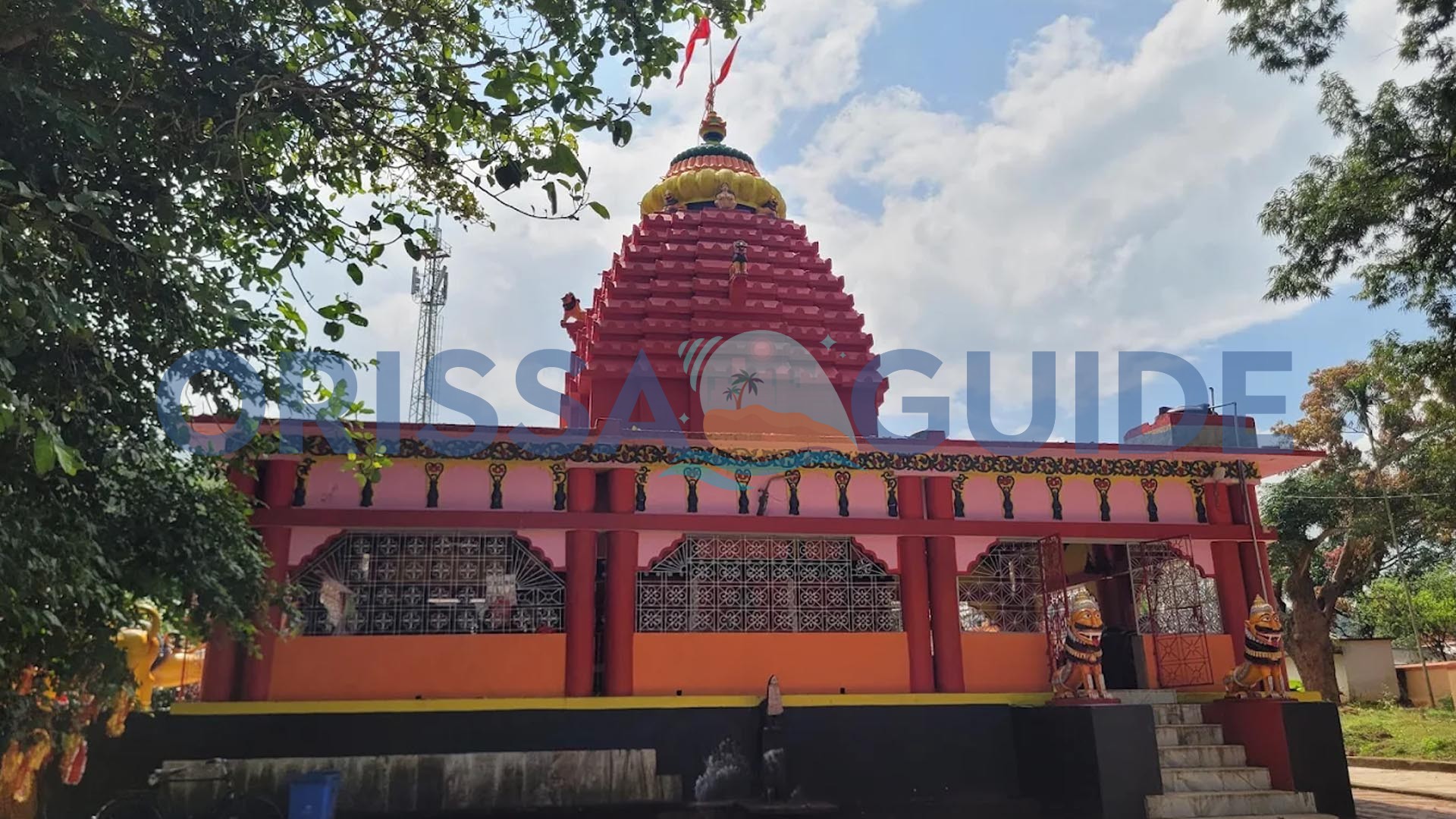
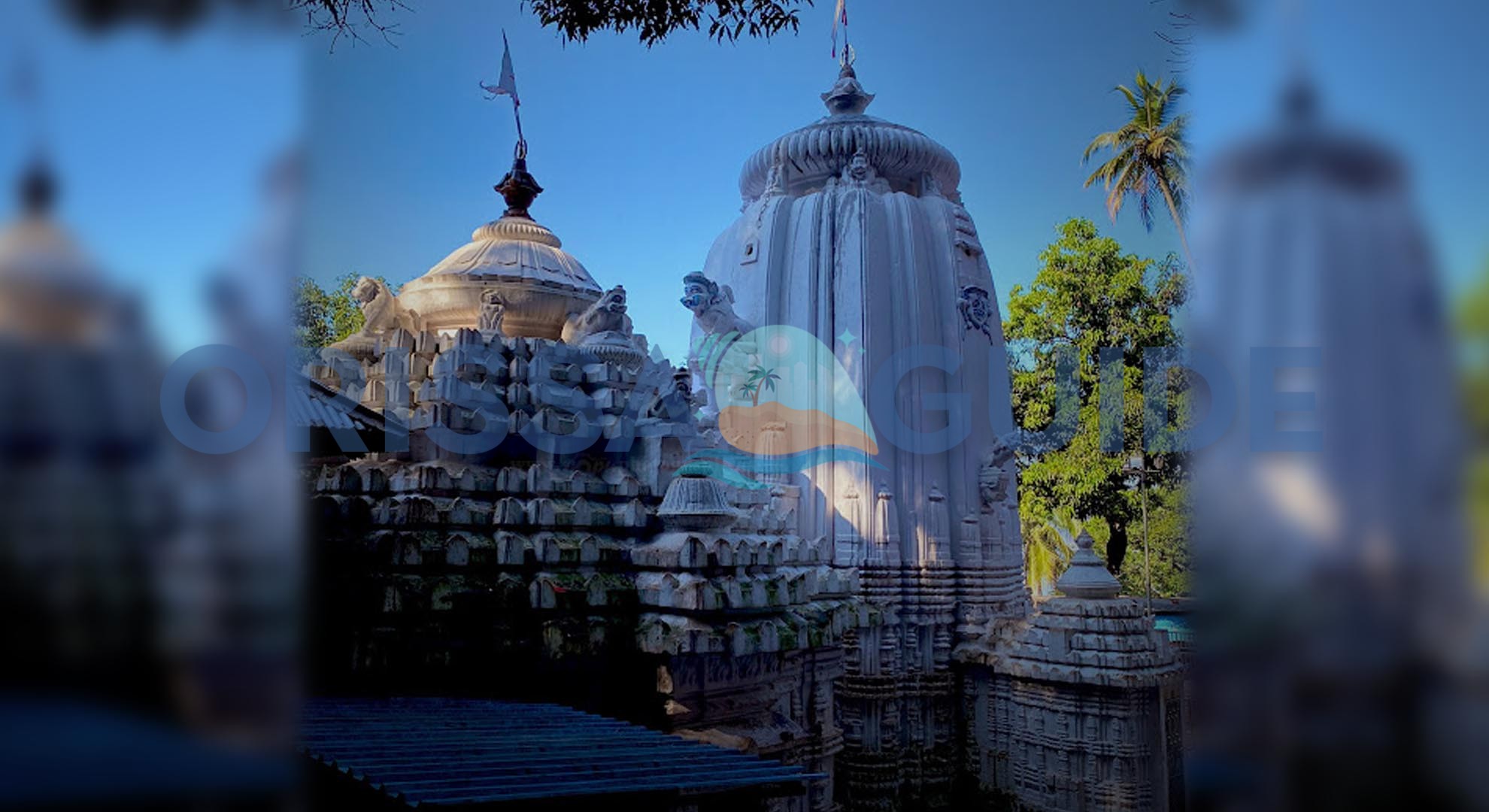
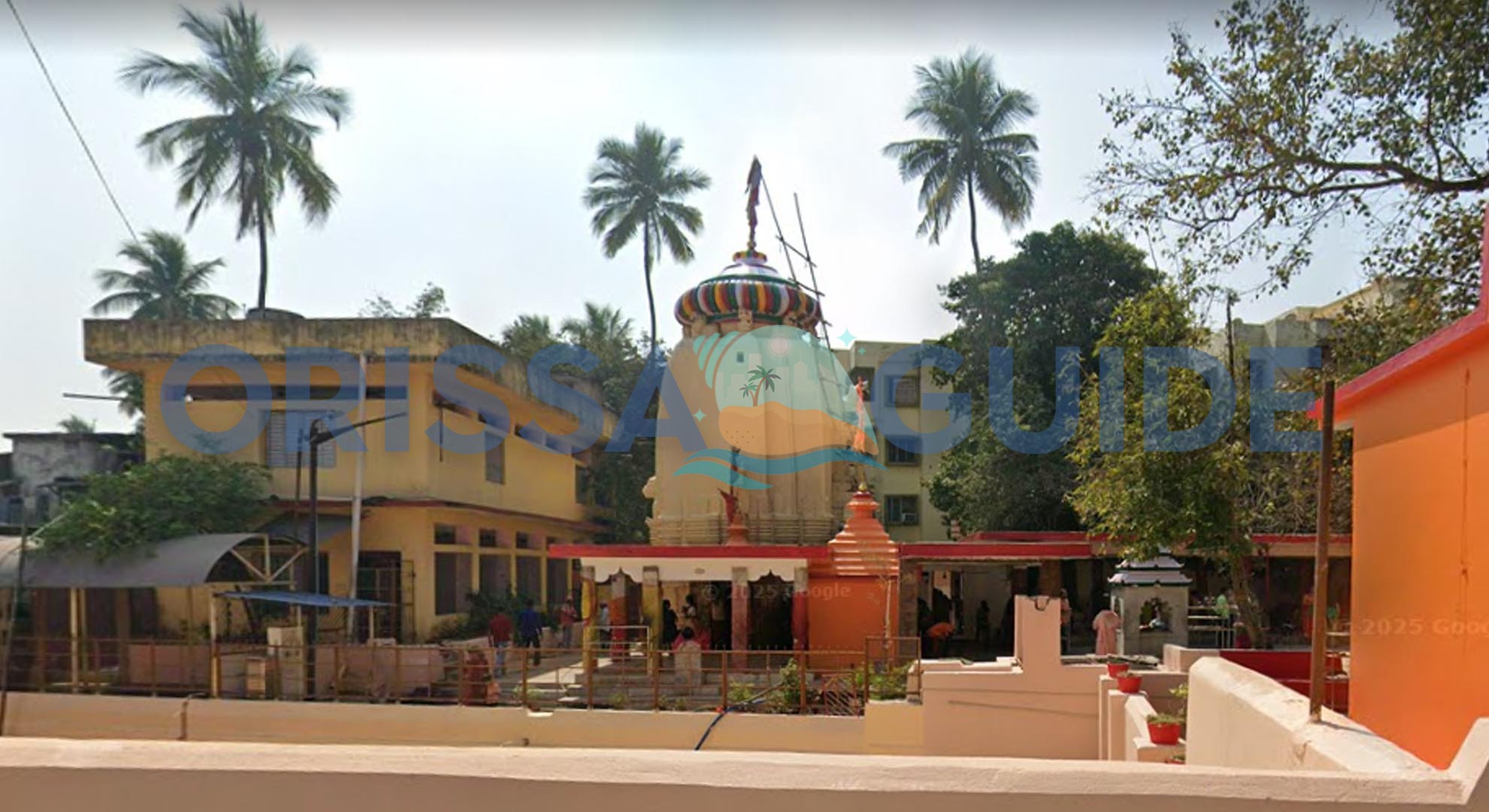
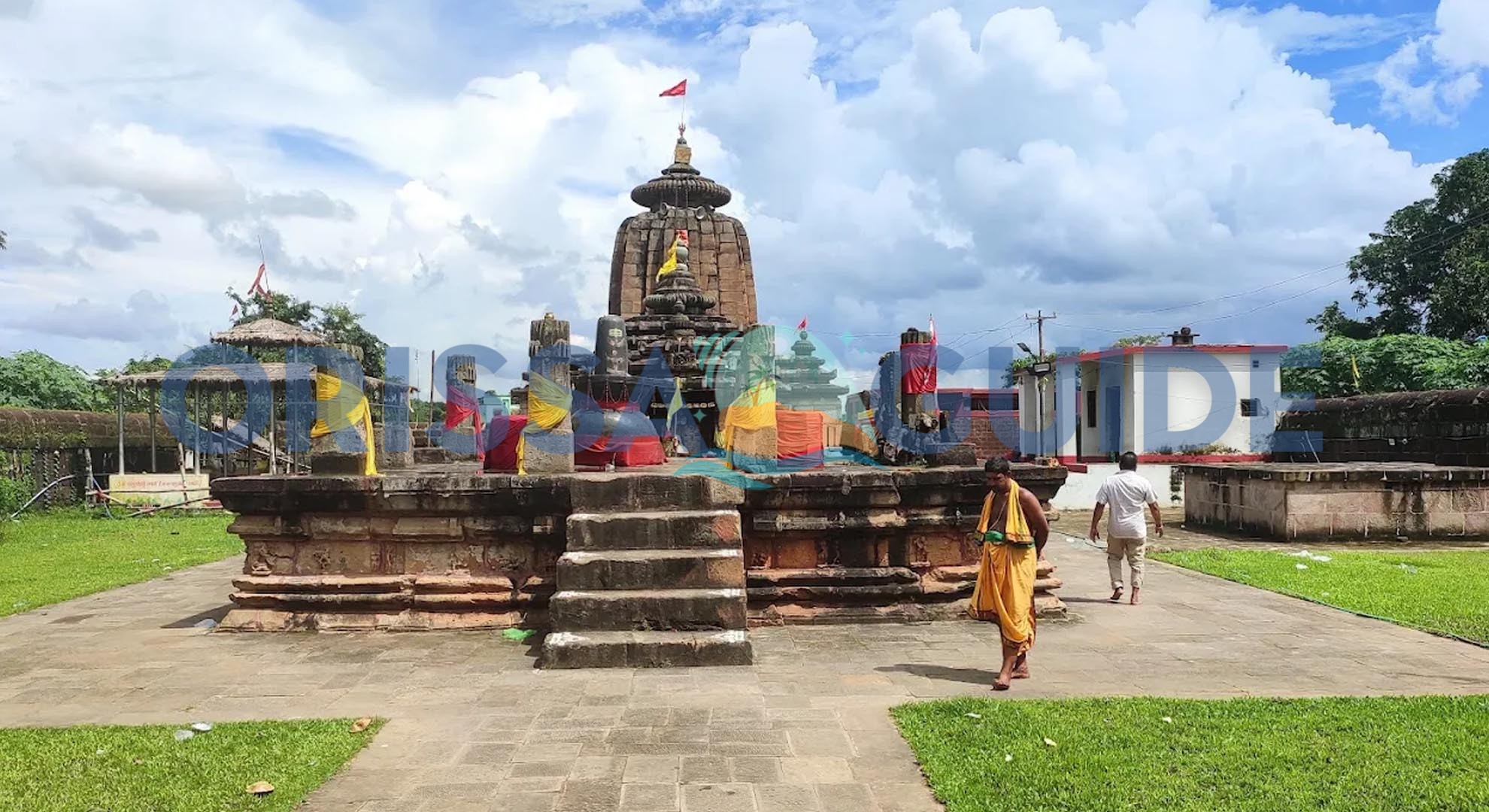
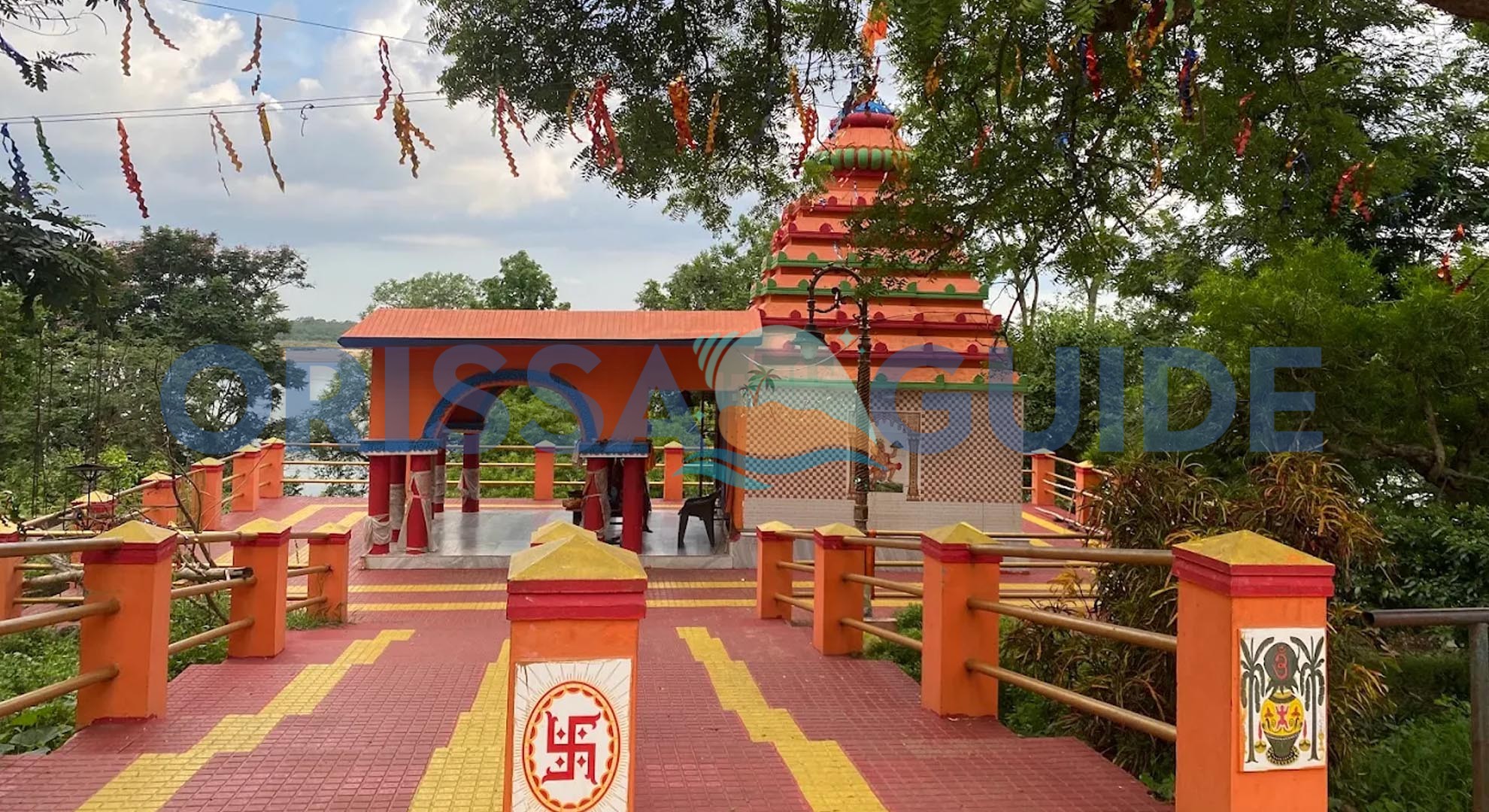
The Bharateswar Temple is situated right in the center of Bhubaneswar, which is known as the “Temple City of India” The temple is rich in culture and spirituality reflecting Odisha’s rich cultural and spiritual heritage and antiquity. The temple, dedicated to Lord Shiva, is an example of Kalinga architecture replete with it is intricate carvings and grandeur.
The majesty of the Bharateswar Temple attracts antiquity freaks, devotees, and tourists among many historical monuments of Bhubaneswar. The serene setting and majestic ancient architecture make it a tourist spot for any traveler in Odisha.
Dedicated to Lord Shiva, Bharateswar Temple is one of the ancient Shiva temples that contribute to the timeless spiritual identity of Bhubaneswar. Though smaller in size compared to famous temples such as Lingaraj Temple or Mukteswar Temple, Bharateswar Temple possesses a distinct charm that attracts historians, devotees, architects, photographers, and travelers alike.
The temple beautifully showcases the essence of Kalinga architecture, a unique architectural style that flourished in Odisha during ancient and medieval times. The intricate carvings, detailed sculptures, elegant stonework, and sacred surroundings make Bharateswar Temple a remarkable example of Odisha’s artistic excellence.
For visitors exploring Bhubaneswar’s rich temple heritage, Bharateswar Temple offers:
- Historical significance
- Spiritual tranquility
- Architectural beauty
- Cultural depth
- A glimpse into ancient Odisha
Surrounded by serene surroundings and ancient monuments, the temple provides a peaceful environment where visitors can connect with history, spirituality, and art simultaneously. A visit to Bharateswar Temple is not simply a sightseeing experience—it is a journey into the heart of Odisha’s timeless heritage.

Architectural Marvel of Bharateswar Temple
One of the most captivating aspects of Bharateswar Temple is its stunning architecture. The temple is an excellent example of Kalinga architecture, which is widely regarded as one of the finest temple architectural styles in India.
The structure reflects the brilliance of ancient artisans who transformed stone into works of sacred art. Every section of the temple demonstrates precision, creativity, and deep spiritual symbolism.
Towering Spire (Deul)
The temple’s soaring spire rises gracefully above the sanctum, creating a striking silhouette against the sky. The vertical design symbolizes the connection between the earthly world and the divine realm.
The deul is decorated with:
- Detailed carvings
- Sculptural motifs
- Mythological imagery
- Sacred symbols
This towering structure immediately draws the attention of visitors and reflects the grandeur of ancient temple construction.
Intricate Stone Carvings
The walls of Bharateswar Temple are adorned with exquisite carvings that depict:
- Hindu deities
- Celestial dancers
- Floral patterns
- Geometric motifs
- Mythological scenes
Each carving tells a story and reflects the artistic excellence of Odisha’s ancient craftsmen. The intricate detailing showcases the immense patience and skill required to create such masterpieces.
The carvings also provide valuable insights into:
- Ancient lifestyles
- Religious beliefs
- Cultural traditions
- Social practices of the era
Sanctum and Pillared Hall
The temple follows the traditional Odisha temple layout, consisting of:
- A sacred inner sanctum where the deity resides
- A pillared hall used for rituals and gatherings
- A pyramidal roof structure above the hall
The interior design creates a spiritual atmosphere filled with calmness and devotion.
Sculptures and Decorative Elements
The temple features numerous sculptures of gods, goddesses, guardians, and symbolic figures. These decorative elements enhance the temple’s beauty while also serving spiritual and symbolic purposes.
The floral decorations and ornamental patterns carved into the stone reflect the harmony between nature and spirituality, which is a recurring theme in Indian temple art.
Historical Significance of Bharateswar Temple
The Bharateswar Temple holds an important place in the historical narrative of Odisha. Built during the medieval period, the temple reflects the flourishing era of temple construction that transformed Bhubaneswar into one of India’s greatest religious and architectural centers.
Historians believe that the temple was constructed during a time when Odisha witnessed significant cultural and spiritual growth under various dynasties that patronized art, architecture, and religion. During this period, temples were not only places of worship but also centers of:
- Education
- Community activities
- Cultural expression
- Religious learning
- Artistic development
Bharateswar Temple represents this golden age of temple architecture in Odisha. It stands as a reminder of the region’s deep-rooted connection to Shaivism, one of the major traditions within Hinduism that worships Lord Shiva as the supreme deity.
Over the centuries, the temple has continued to serve as a sacred place of devotion for local communities and pilgrims. Despite the passage of time and the rapid modernization of Bhubaneswar, Bharateswar Temple remains an enduring symbol of Odisha’s spiritual legacy.
The historical significance of the temple lies not only in its age but also in what it represents:
- The evolution of temple architecture in Odisha
- Ancient religious practices and traditions
- The cultural identity of Bhubaneswar
- The artistic achievements of medieval India
Walking through the temple premises today allows visitors to step back into history and appreciate the remarkable craftsmanship and spiritual devotion of ancient Odisha.
Religious and Spiritual Significance
Bharateswar Temple is not merely a historical monument—it remains an active center of worship and spiritual devotion. Dedicated to Lord Shiva, the temple attracts devotees who visit to seek blessings, peace, and spiritual fulfillment.
For centuries, the temple has played an important role in the religious life of Bhubaneswar’s residents. Daily prayers, rituals, and offerings continue to preserve the spiritual traditions associated with the temple.
The sacred environment of Bharateswar Temple provides visitors with:
- Inner peace
- Spiritual reflection
- A sense of devotion
- Calmness away from urban stress
The atmosphere inside the temple becomes especially powerful during prayer times when the sound of bells, chants, and devotional hymns fills the surroundings.
Maha Shivratri Celebrations
One of the most important festivals celebrated at Bharateswar Temple is Maha Shivratri, dedicated to Lord Shiva.
During this festival:
- Thousands of devotees visit the temple
- Special prayers and rituals are performed
- The temple is beautifully decorated
- Devotional songs and chants create a vibrant atmosphere
The celebration transforms the temple into a lively spiritual center filled with faith and devotion.
Meditation and Spiritual Tourism
Apart from religious worship, Bharateswar Temple is also an ideal destination for spiritual tourism and meditation. The peaceful surroundings and ancient atmosphere create a perfect setting for:
- Meditation
- Quiet contemplation
- Spiritual exploration
- Mindfulness practices
Visitors often spend time sitting peacefully within the temple complex, appreciating its calming energy and timeless beauty.
Visiting Experience of the Bharateswar Temple
A visit to Bharateswar Temple offers a deeply enriching experience for travelers interested in:
- History
- Spirituality
- Architecture
- Photography
- Cultural exploration
Located in the heart of Bhubaneswar, the temple is easily accessible and can be conveniently included in a city tour itinerary.
As visitors approach the temple, they are immediately welcomed by:
- Ancient stone structures
- Beautiful carvings
- Peaceful surroundings
- Sacred ambiance
Unlike heavily crowded tourist sites, Bharateswar Temple allows visitors to explore at a relaxed pace and fully appreciate the artistic and spiritual atmosphere.
Photography enthusiasts particularly enjoy capturing:
- Detailed stone carvings
- Architectural patterns
- Temple spires
- The serene environment
The temple’s ancient charm creates a unique visual experience that stands out among Bhubaneswar’s heritage sites.
Best Time to Visit Bharateswar Temple
The best time to visit Bharateswar Temple is during the winter months from October to March.
During this period:
- The weather remains pleasant and comfortable
- Sightseeing becomes more enjoyable
- Festivals and cultural activities often take place
Morning and evening hours are considered ideal for visiting because the atmosphere becomes especially peaceful and photogenic during these times.
Nearby Attractions
One of the advantages of visiting Bharateswar Temple is its proximity to several other famous landmarks in Bhubaneswar.
Mukteswar Temple
Known for its exquisite archway and intricate carvings, Mukteswar Temple is one of the finest examples of Odisha temple architecture.
Lingaraj Temple
One of the most important Shiva temples in India, Lingaraj Temple is a major spiritual and architectural attraction in Bhubaneswar.
Rajarani Temple
Famous for its elegant sculptures and unique architectural style, Rajarani Temple is another must-visit heritage site.
Udayagiri and Khandagiri Caves
These ancient rock-cut caves provide insights into Odisha’s Jain heritage and historical past.
Preservation and Conservation
Relics like the Bharateswar Mandir face challenges to degradation due mainly to the hazards of nature, and certainly, such has been the case. Helping IU retain this monument are efforts by the Odisha government and the local communities. The aim of conservation and restoration is on the safety of the structure and its carved details.
The task of the heritage conservation projects also includes an effort to sensitize people to the importance of preserving these sites for generations to come. By cooperating in these projects, we stake a claim on the existence of the Bharateswar Mandir as a cultural heritage symbol of Odisha.
Like many ancient monuments, Bharateswar Temple faces challenges caused by:
- Natural weathering
- Environmental pollution
- Urban expansion
- Aging stone structures
Preserving such heritage monuments is essential for protecting Odisha’s cultural identity and historical legacy.
The Odisha government, archaeological departments, and local communities actively work toward:
- Structural conservation
- Restoration of carvings
- Protection of historical features
- Public awareness regarding heritage preservation
Conservation projects aim to ensure that future generations can continue to appreciate the temple’s architectural and spiritual significance.
Heritage preservation also helps:
- Promote cultural tourism
- Educate visitors about history
- Support local communities
- Protect ancient craftsmanship traditions
Importance of Bharateswar Temple in Odisha Tourism
Bharateswar Temple contributes significantly to Odisha’s tourism and cultural landscape. It offers travelers an authentic experience of the state’s:
- Ancient history
- Temple architecture
- Religious traditions
- Spiritual culture
For tourists seeking destinations beyond mainstream attractions, Bharateswar Temple provides a peaceful and meaningful exploration of Bhubaneswar’s heritage.
Its historical atmosphere and artistic beauty make it a valuable destination for:
- Heritage tourism
- Educational tours
- Photography trips
- Spiritual travel
- Cultural studies
Why You Should Visit Bharateswar Temple
There are many reasons why Bharateswar Temple deserves a place on your Odisha travel itinerary:
- Rich historical significance
- Magnificent Kalinga architecture
- Peaceful spiritual atmosphere
- Beautiful carvings and sculptures
- Connection to Odisha’s cultural heritage
- Easy accessibility within Bhubaneswar
- Proximity to other famous temples
Whether you are a history lover, architecture enthusiast, devotee, photographer, or curious traveler, Bharateswar Temple offers a memorable and enriching experience.
Conclusion
Bharateswar Temple stands as a timeless symbol of Odisha’s spiritual depth, artistic brilliance, and cultural richness. Hidden among the many temples of Bhubaneswar, this sacred monument beautifully preserves the traditions, craftsmanship, and devotion of ancient India.
From its towering spire and intricate carvings to its peaceful spiritual atmosphere, every part of the temple reflects centuries of faith and creativity. Visiting Bharateswar Temple is not only an opportunity to admire architecture but also a chance to connect with the soul of Odisha’s heritage.
As Bhubaneswar continues to grow as a modern city, monuments like Bharateswar Temple remain invaluable reminders of the region’s glorious past and enduring spiritual legacy.
How to Reach Bharateswar Temple
Bharateswar Temple is located in Bhubaneswar, the capital city of Odisha. Since Bhubaneswar is well connected by air, rail, and road, reaching the temple is convenient for tourists and pilgrims from different parts of India.
By Air
The nearest airport to Bharateswar Temple is Biju Patnaik International Airport, Bhubaneswar. The airport is well connected to major Indian cities such as Delhi, Mumbai, Kolkata, Bengaluru, Hyderabad, and Chennai.
From the airport, visitors can hire:
- Taxis
- App-based cabs
- Auto-rickshaws
to reach the temple comfortably.
By Rail
The nearest railway station is Bhubaneswar Railway Station, which is one of the major railway hubs in Odisha. Regular trains connect Bhubaneswar to important cities across India.
After reaching the railway station, visitors can take:
- Local taxis
- Auto-rickshaws
- City buses
to reach Bharateswar Temple.
By Road
Bhubaneswar enjoys excellent road connectivity with nearby cities and states through national and state highways. Travelers can easily reach the city by:
- Private cars
- Tourist buses
- Government buses
- Rental taxis
The temple is located within the city and can be conveniently accessed through local transportation.
Local Transportation
Within Bhubaneswar, tourists can use:
- Auto-rickshaws
- Cycle-rickshaws
- City buses
- Cab services
to travel between Bharateswar Temple and nearby attractions like Mukteswar Temple, Lingaraj Temple, and Rajarani Temple.
Distance from Major Locations
- Biju Patnaik International Airport: Approx. 5–7 km
- Bhubaneswar Railway Station: Approx. 4–6 km
- Lingaraj Temple: Approx. 2–3 km
- Mukteswar Temple: Approx. 1–2 km
Its central location makes Bharateswar Temple an easily accessible destination for visitors exploring the heritage and spiritual attractions of Bhubaneswar.