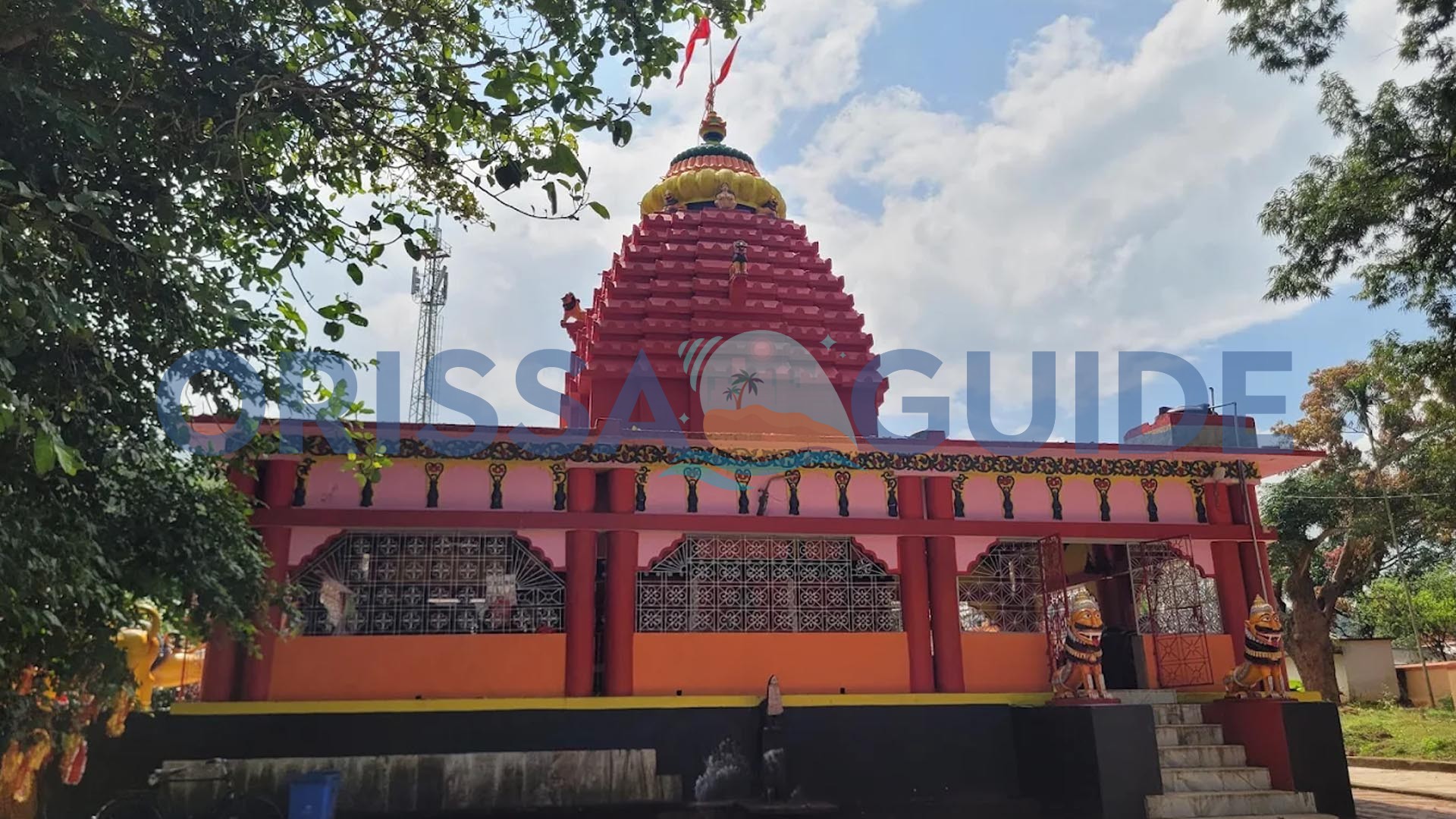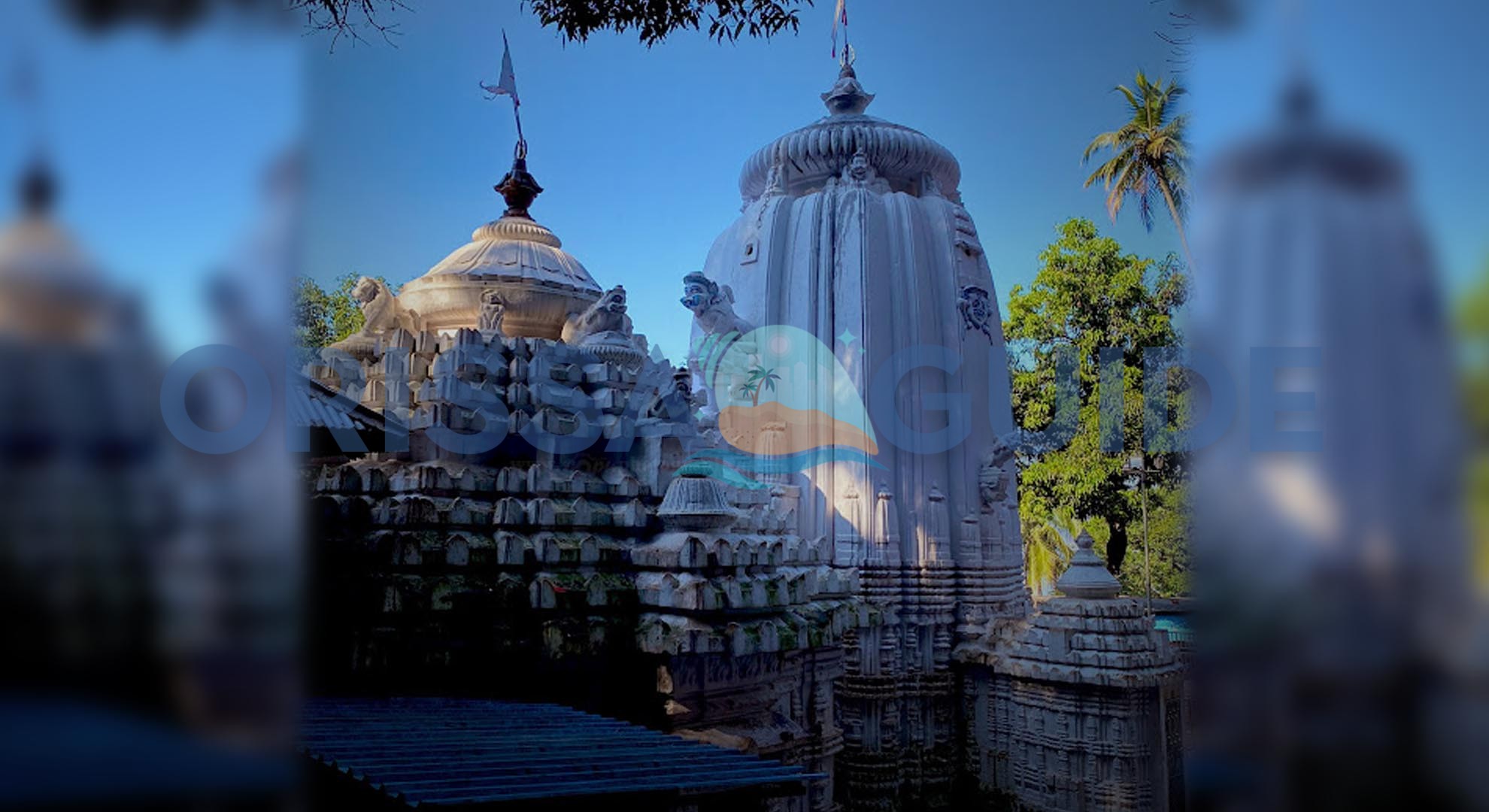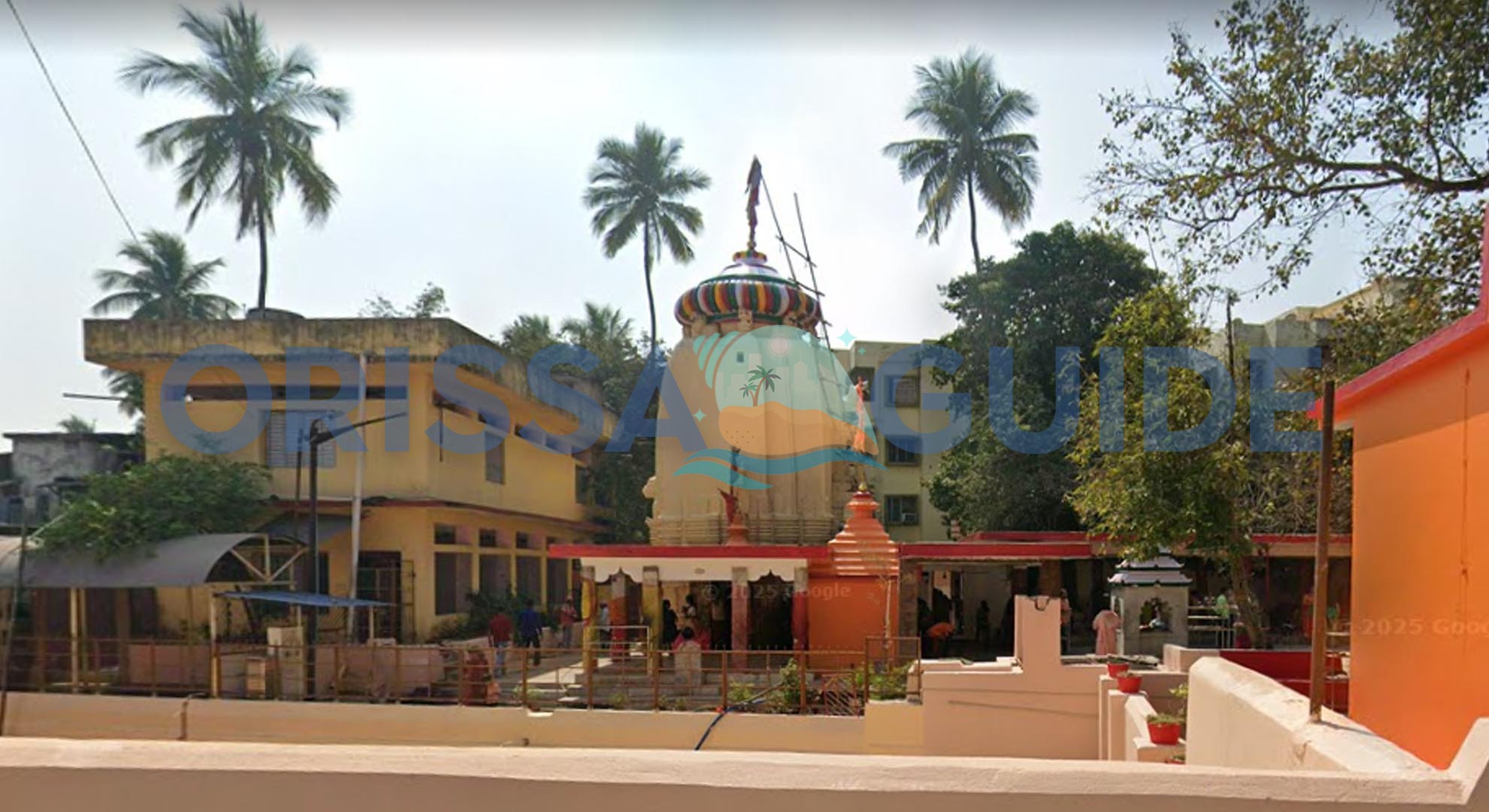
Centrally positioned in the core of Bhubaneswar, Odisha’s capital, Budha Deula stands out as an appeal for the maintenance of the cultural and religious heritage of the region. Bhubaneswar, famously known as the “Temple City of India,” is home to hundreds of ancient temples that beautifully showcase Odisha’s rich spiritual and architectural heritage. Among these remarkable monuments stands the historic Budha Deula, a lesser-known yet culturally significant temple that reflects the artistic excellence and religious traditions of ancient Odisha.
Situated in the heart of Bhubaneswar, Budha Deula quietly preserves centuries of history, devotion, and architectural brilliance. While many tourists are drawn toward famous temples like Lingaraj Temple, Mukteshwar Temple, and Rajarani Temple, Budha Deula offers a peaceful and spiritually enriching experience away from the crowds.
The temple is admired for:
- Ancient Kalinga-style architecture
- Intricate stone carvings
- Historical significance
- Religious importance
- Peaceful spiritual atmosphere
- Cultural heritage of Odisha
Budha Deula stands as a timeless reminder of Odisha’s glorious temple-building traditions. The temple reflects the devotion, craftsmanship, and spiritual beliefs of the dynasties that ruled the region centuries ago.
For history lovers, architecture enthusiasts, pilgrims, and travelers seeking cultural experiences, Budha Deula is a hidden gem worth exploring in Bhubaneswar.

Historical Background
Budha Deula is believed to date back to the 9th century during the reign of the Somavamshi dynasty, one of the important ruling dynasties in Odisha’s history. The Somavamshis played a significant role in the development of temple architecture and religious culture in the region.
The temple represents an important phase in the evolution of Odisha’s architectural identity and serves as a valuable historical monument from medieval India.
Influence of Ancient Dynasties
Over centuries, Budha Deula witnessed the influence of several powerful dynasties, including:
- Somavamshi Dynasty
- Eastern Ganga Dynasty
- Gajapati rulers
Each dynasty contributed to the preservation, renovation, and cultural importance of the temple. The carvings and artistic details visible on the temple walls showcase the evolving artistic styles of different historical periods.
The temple survived:
- Political transitions
- Invasions
- Natural weathering
- Architectural restorations
Despite the passage of time, Budha Deula continues to stand proudly as a symbol of Odisha’s enduring cultural and religious heritage.
Importance in Odisha’s Temple History
Budha Deula forms an important part of Bhubaneswar’s ancient temple network. It helps historians and archaeologists understand the development of Kalinga architecture and religious practices in Odisha during the medieval era.
The temple provides valuable insights into:
- Ancient temple construction techniques
- Stone carving traditions
- Religious rituals and worship
- Social and cultural life of ancient Odisha
For scholars and heritage enthusiasts, Budha Deula serves as a living example of Odisha’s architectural and spiritual legacy.
Architectural Marvel
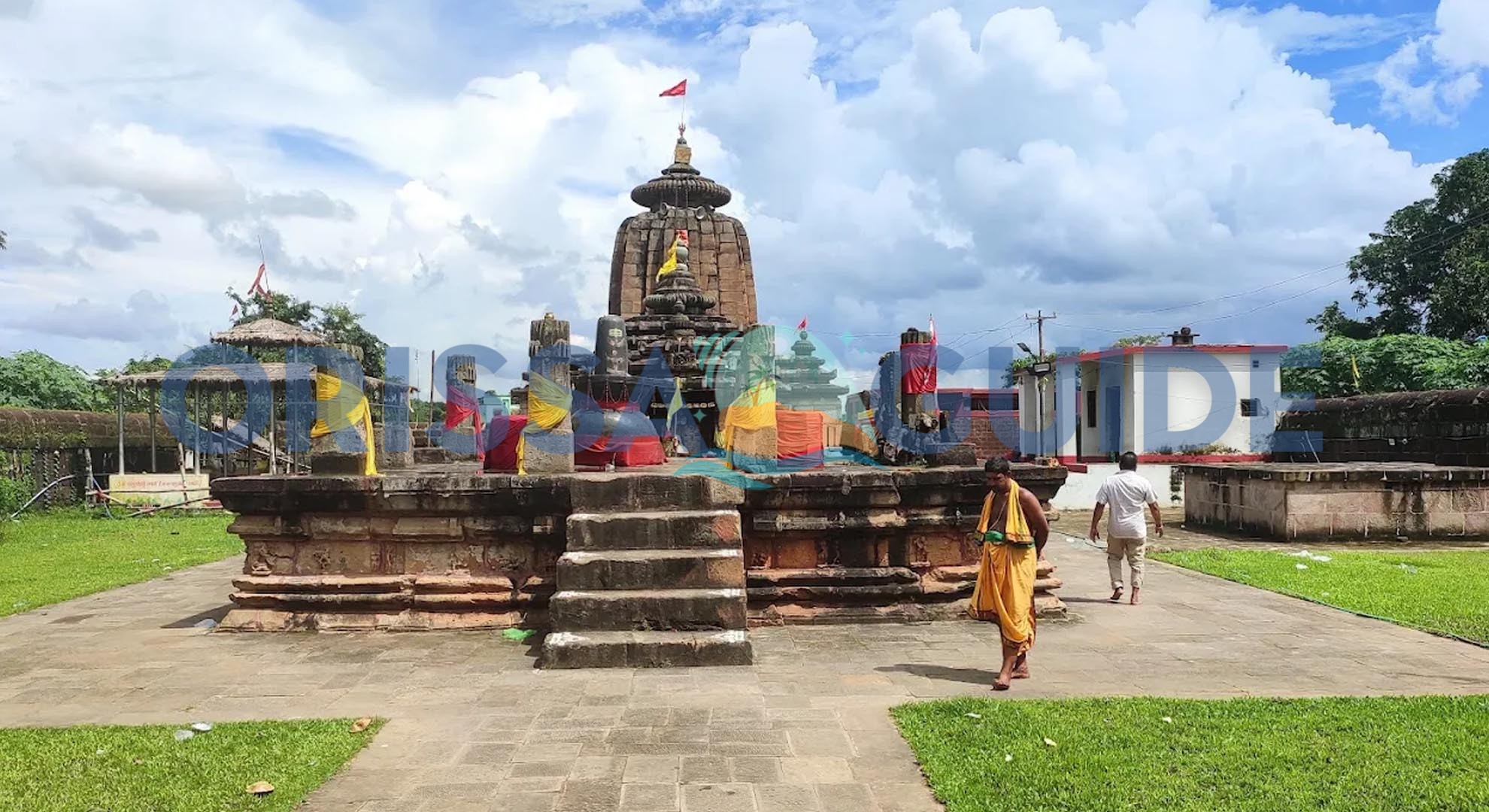
One of the most captivating features of Budha Deula is its magnificent architecture. The temple is constructed in the traditional Kalinga architectural style, which is famous throughout Odisha for its elegant structures and intricate stone carvings.
Features of Kalinga Architecture
Kalinga architecture is known for:
- Towering temple structures
- Decorative carvings
- Sculpted walls
- Detailed mythological artwork
- Symmetrical temple design
Budha Deula beautifully represents these characteristics through its carefully crafted stone structures and artistic detailing.
The Main Sanctum and Shiva Linga
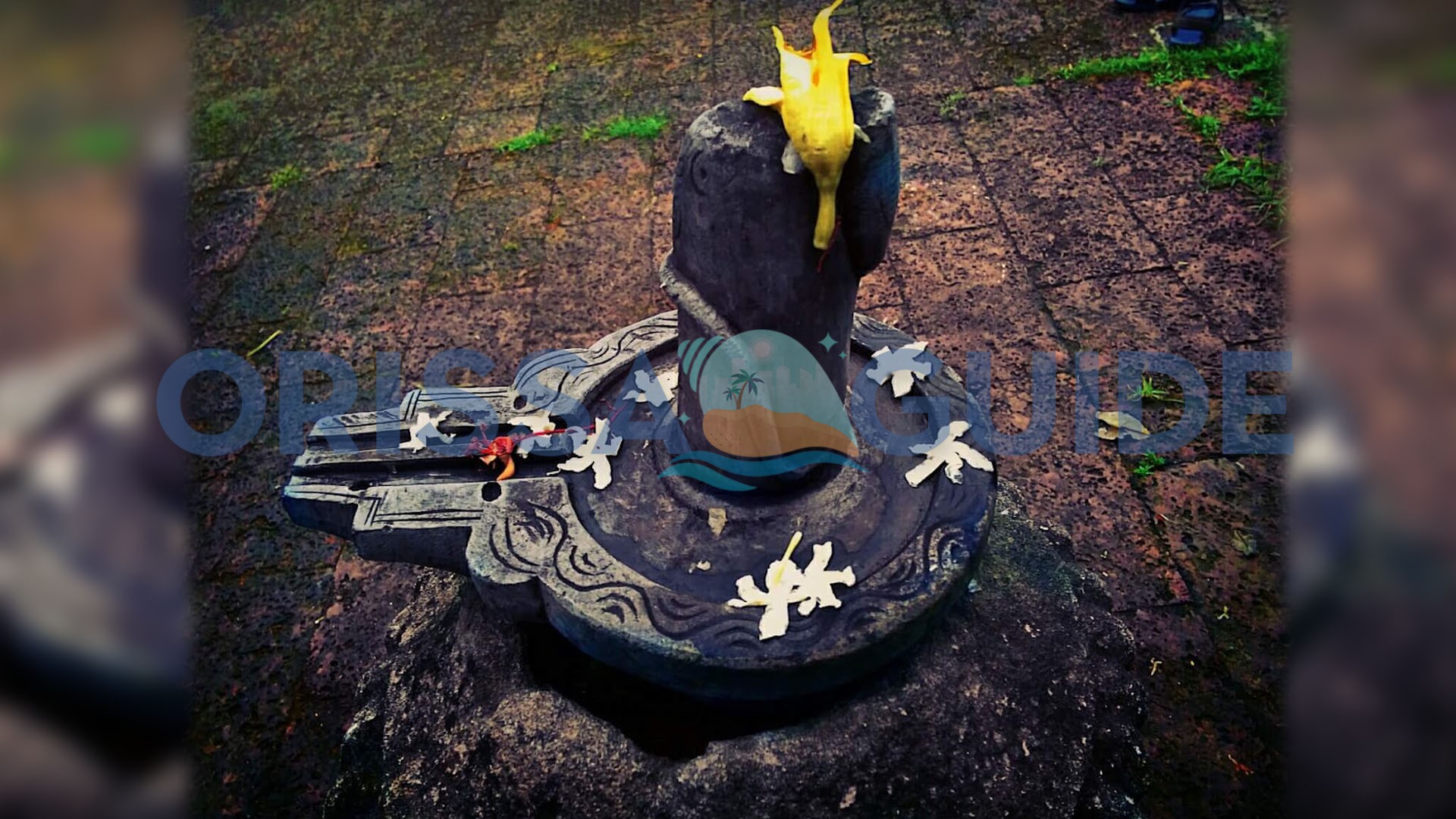
At the center of the temple lies the sacred sanctum housing the Shiva Linga, the primary object of worship. The sanctum creates a spiritual atmosphere filled with devotion and tranquility.
Devotees visit the temple to:
- Offer prayers to Lord Shiva
- Seek blessings and peace
- Participate in religious rituals
- Experience spiritual calmness
The temple interior reflects simplicity combined with spiritual depth, creating an environment ideal for meditation and worship.
Intricate Stone Carvings
The walls and structures of Budha Deula are adorned with beautifully detailed carvings depicting:
- Hindu deities
- Mythological stories
- Floral motifs
- Celestial beings
- Sacred symbols
These carvings demonstrate the extraordinary craftsmanship of ancient Odishan artisans. Every sculpture and decorative element reflects attention to detail and artistic brilliance.
The stone carvings also serve as historical records, offering glimpses into the beliefs, traditions, and lifestyles of ancient society.
Symbolism in Temple Design
Like many ancient temples in Odisha, Budha Deula incorporates symbolic architectural concepts representing:
- Cosmic balance
- Spiritual connection between heaven and earth
- Divine energy
- Sacred geometry
The temple structure was designed not only for worship but also to reflect deeper philosophical and spiritual meanings.
Religious Significance
Budha Deula holds immense religious importance among devotees and local communities. Dedicated primarily to Lord Shiva, the temple has remained an active center of worship for centuries.
Worship of Lord Shiva
Lord Shiva is worshipped as the main deity of the temple. Devotees visit regularly to offer:
- Flowers
- Milk
- Bel leaves
- Incense
- Prayers and chants
The spiritual atmosphere of the temple creates a sense of peace and devotion that deeply connects visitors with the divine.
Presence of Other Deities
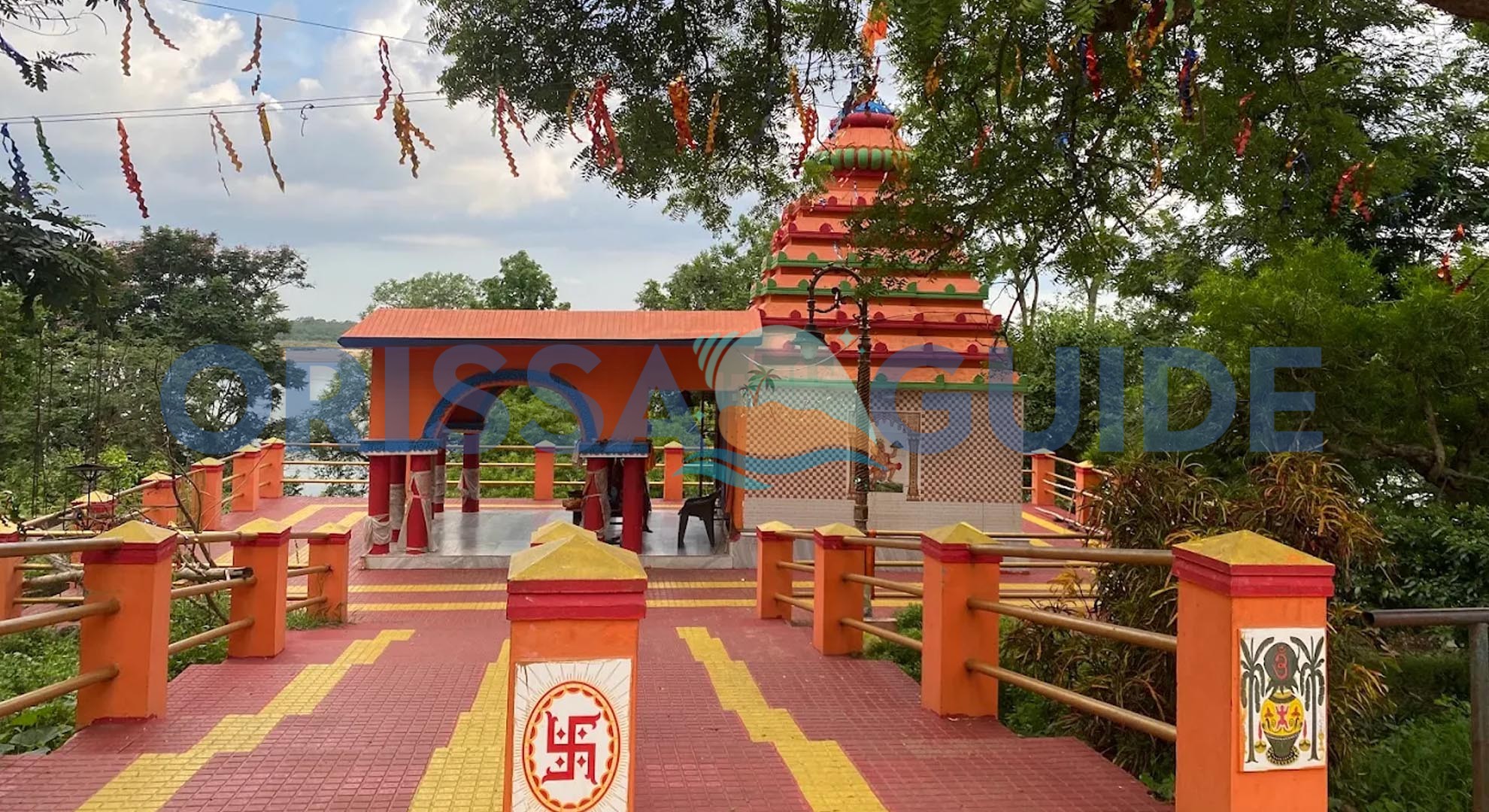
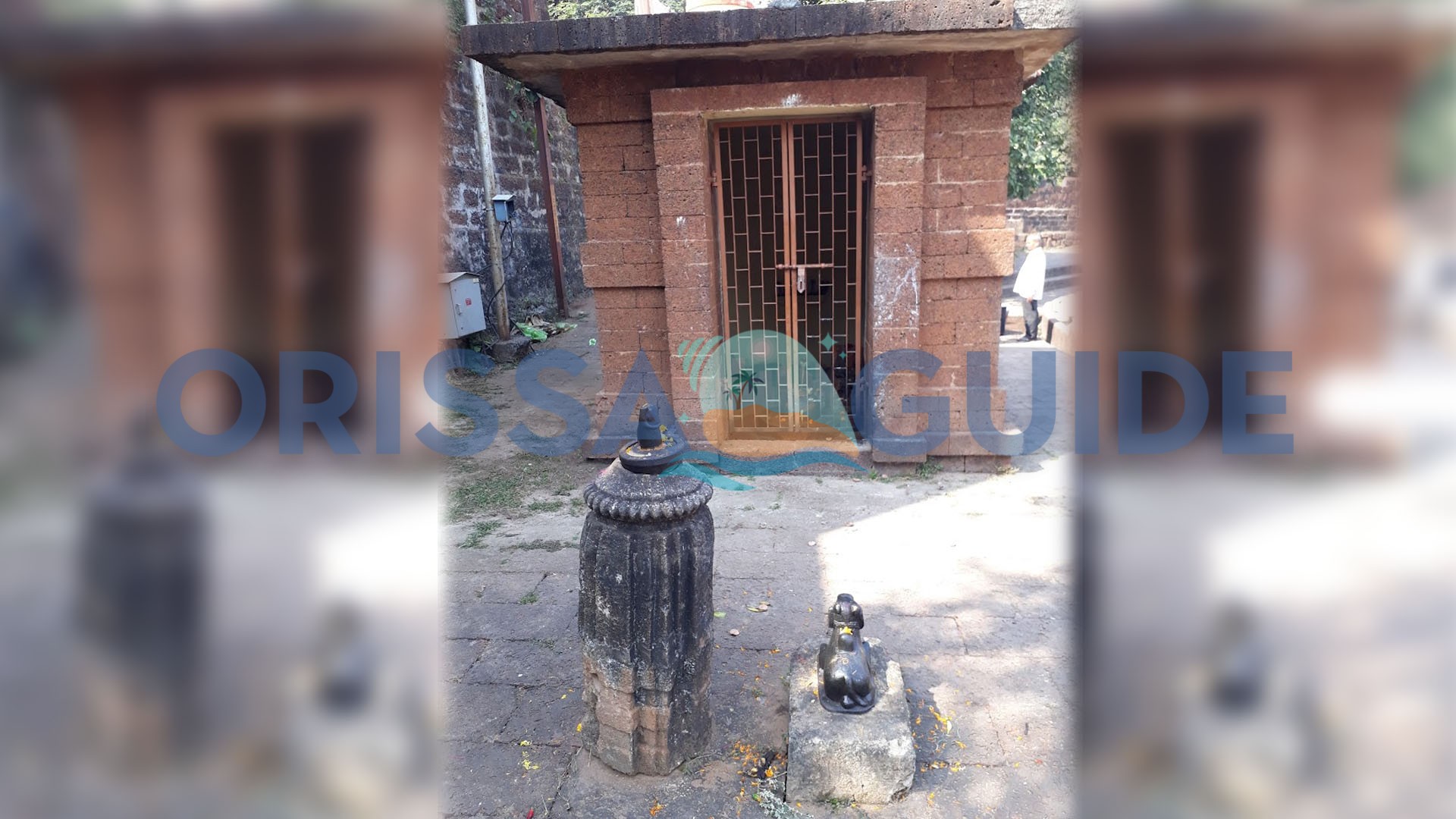
Apart from Lord Shiva, the temple complex also includes shrines dedicated to various Hindu gods and goddesses. This reflects the inclusive religious traditions of Odisha where multiple deities are worshipped together.
The temple’s association with:
- Maa Bhagabati
- Banapur traditions
- Other regional deities
enhances its spiritual and cultural importance.
Festivals and Religious Celebrations
Budha Deula becomes especially vibrant during major Hindu festivals, particularly:
- Maha Shivaratri
- Shravan month celebrations
- Local temple festivals
- Religious gatherings and rituals
During these occasions, devotees from nearby areas gather at the temple to participate in prayers, bhajans, and spiritual ceremonies.
The temple premises are filled with:
- Chanting of mantras
- Devotional music
- Traditional rituals
- Festive decorations
These celebrations strengthen the cultural and spiritual identity of the temple.
Spiritual Experience at Budha Deula
Visiting Budha Deula is more than just a historical tour—it is a deeply spiritual experience.
The peaceful surroundings and sacred atmosphere allow visitors to:
- Meditate quietly
- Experience inner peace
- Connect with spirituality
- Escape the stress of urban life
The temple’s calm ambiance contrasts beautifully with the busy surroundings of modern Bhubaneswar.
Many visitors describe the temple as:
- Serene
- Spiritually uplifting
- Architecturally inspiring
- Historically enriching
The simplicity and silence of the temple create a powerful spiritual environment that leaves a lasting impression on pilgrims and travelers alike.
Contemporary Cultural Impact of Budha Deula
Budha Deula continues to influence Odisha’s cultural identity even today.
Role in Odisha’s Cultural Heritage
The temple represents:
- Odisha’s temple-building legacy
- Ancient artistic traditions
- Spiritual continuity
- Historical preservation
It remains an important symbol of the state’s cultural pride and religious history.
Influence on Art and Literature
The architecture and sculptures of Budha Deula have inspired:
- Local artists
- Sculptors
- Writers
- Historians
- Musicians
Its presence in Bhubaneswar’s cultural landscape continues to inspire appreciation for Odisha’s ancient heritage.
Attraction for Tourists and Pilgrims
Today, Budha Deula attracts:
- History enthusiasts
- Pilgrims
- Architecture lovers
- Cultural travelers
- Researchers and scholars
Its peaceful environment and historical significance make it an important stop for tourists exploring Bhubaneswar’s temple heritage.
Tourist Experience at Budha Deula
Budha Deula offers visitors a memorable and educational travel experience.
Peaceful Temple Environment
Unlike crowded tourist attractions, the temple provides a calm and quiet atmosphere where visitors can explore comfortably.
The peaceful surroundings make it ideal for:
- Photography
- Meditation
- Heritage exploration
- Cultural learning
Guided Tours and Historical Insights
Tour guides and local experts often provide valuable information about:
- Temple history
- Architectural details
- Religious significance
- Ancient Odisha traditions
This enhances the visitor experience and helps tourists better understand the cultural importance of the temple.
Nearby Attractions Around Budha Deula
Bhubaneswar is home to several famous temples and heritage attractions located near Budha Deula.
Lingaraj Temple
One of the most famous Shiva temples in India, Lingaraj Temple is known for its magnificent Kalinga architecture and spiritual significance.
Mukteshwar Temple
Mukteshwar Temple is celebrated for its exquisite carvings and elegant stone archways.
Rajarani Temple
Rajarani Temple is admired for its architectural beauty and detailed sculptures.
Tourists visiting Budha Deula often include these nearby temples in their itinerary to explore Bhubaneswar’s rich temple heritage.
Best Time to Visit Budha Deula
The best time to visit Budha Deula is during:
- October to March
- Early mornings
- Late afternoons
The weather remains pleasant during winter months, making sightseeing more comfortable.
Visitors are advised to avoid peak afternoon heat during summer.
How to Reach Budha Deula
Budha Deula is centrally located in Bhubaneswar and can be reached easily by road.
By Road
The temple is well connected through:
- Local taxis
- Auto-rickshaws
- City buses
- Private vehicles
Nearest Railway Station
The nearest railway station is:
- Bhubaneswar Railway Station
Nearest Airport
The nearest airport is:
- Biju Patnaik International Airport, Bhubaneswar
The airport is well connected to major Indian cities.
Preservation of Heritage and Architecture
Ancient monuments like Budha Deula require careful preservation to protect Odisha’s cultural identity.
Conservation efforts help:
- Preserve ancient carvings
- Maintain temple structures
- Promote cultural tourism
- Educate future generations
Responsible tourism and heritage awareness play an important role in protecting such historical treasures.
Why You Should Visit Budha Deula
Budha Deula is an ideal destination for travelers interested in:
- Ancient architecture
- Spiritual experiences
- Odisha’s cultural history
- Temple tourism
- Peaceful heritage exploration
The temple offers a unique blend of:
- History
- Art
- Religion
- Architecture
- Cultural heritage
Its quiet beauty and historical depth make it one of Bhubaneswar’s hidden treasures.
Conclusion
Budha Deula stands as a timeless symbol of Odisha’s spiritual, architectural, and cultural greatness. Despite being less famous than some of Bhubaneswar’s major temples, it preserves centuries of history and devotion within its beautifully carved stone walls.
From its ancient Kalinga architecture and sacred Shiva Linga to its peaceful spiritual atmosphere and historical significance, Budha Deula offers visitors an unforgettable journey into the heart of Odisha’s temple heritage.
A visit to Budha Deula is not merely a sightseeing experience—it is an opportunity to connect with the rich traditions, artistic brilliance, and spiritual soul of ancient Odisha.