|
Getting your Trinity Audio player ready...
|
Tucked away in the sacred city of Bhubaneswar, where every ancient stone seems to beckon with spirituality, the Chandrasekhara Mahadeva Temple is a quiet reminder of Odisha’s brilliant past. While many travelers visit Bhubaneswar for its famous shrines, this temple offers a quieter and more intimate experience of Odisha’s ancient spiritual and architectural heritage.
Often overshadowed by larger temples in the region, Chandrasekhara Mahadeva Temple provides a rare glimpse into the evolution of Kalinga temple architecture, devotion to Lord Shiva, and the historical legacy of the temple-building era in Odisha. For travelers exploring heritage tourism in eastern India, this temple is a peaceful stop that reveals the true soul of the Temple City of India.
If you are interested in history, spirituality, architecture, or cultural exploration, this temple deserves a place in your Bhubaneswar travel itinerary.

The Significance of Chandrasekhara Mahadeva Temple
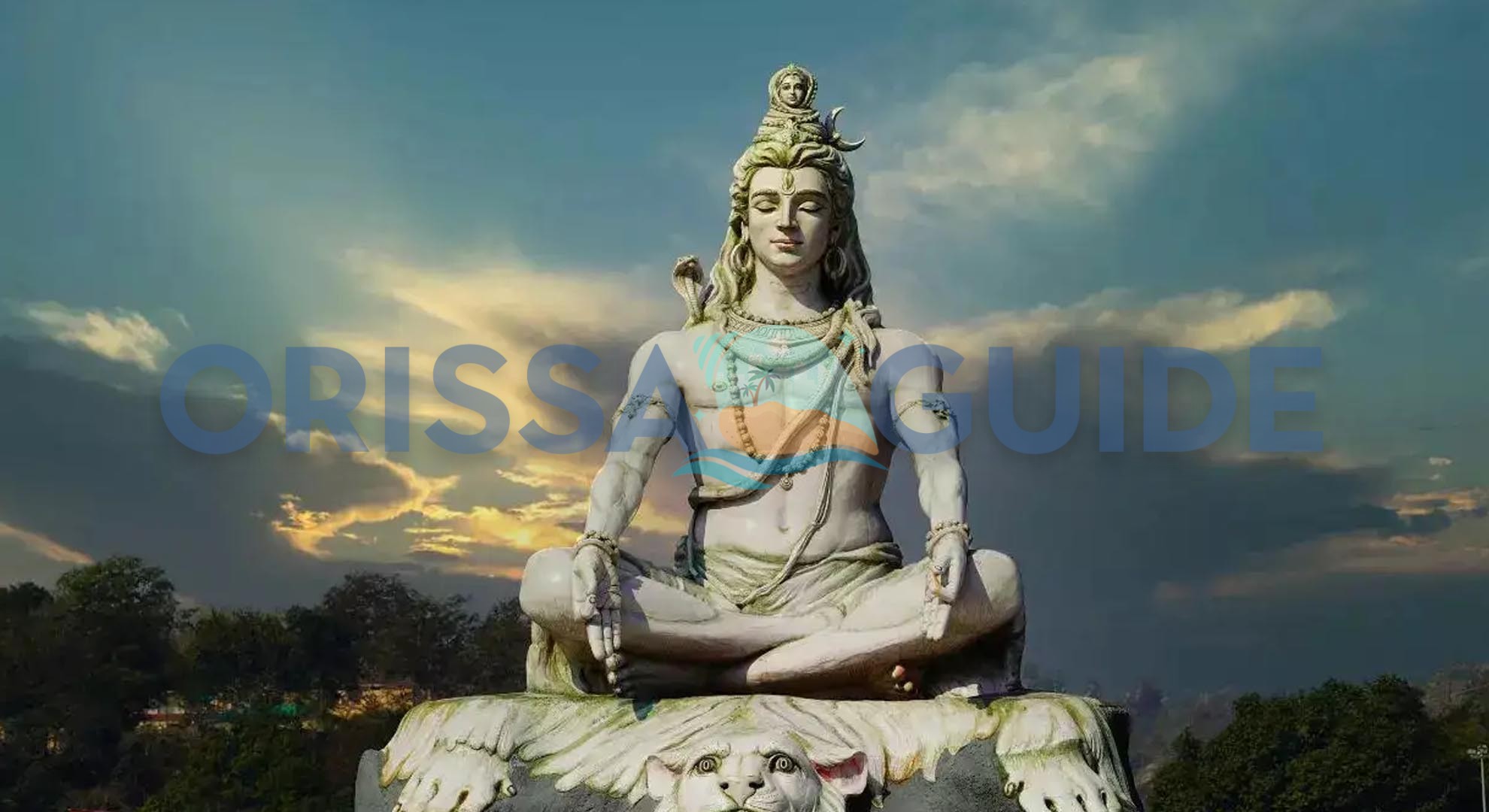
Chandrasekhara Mahadeva Temple is dedicated to Lord Shiva in his form known as Chandrasekhara, meaning “the one who wears the moon on his head.” This sacred form of Shiva symbolizes calmness, cosmic balance, and divine protection.
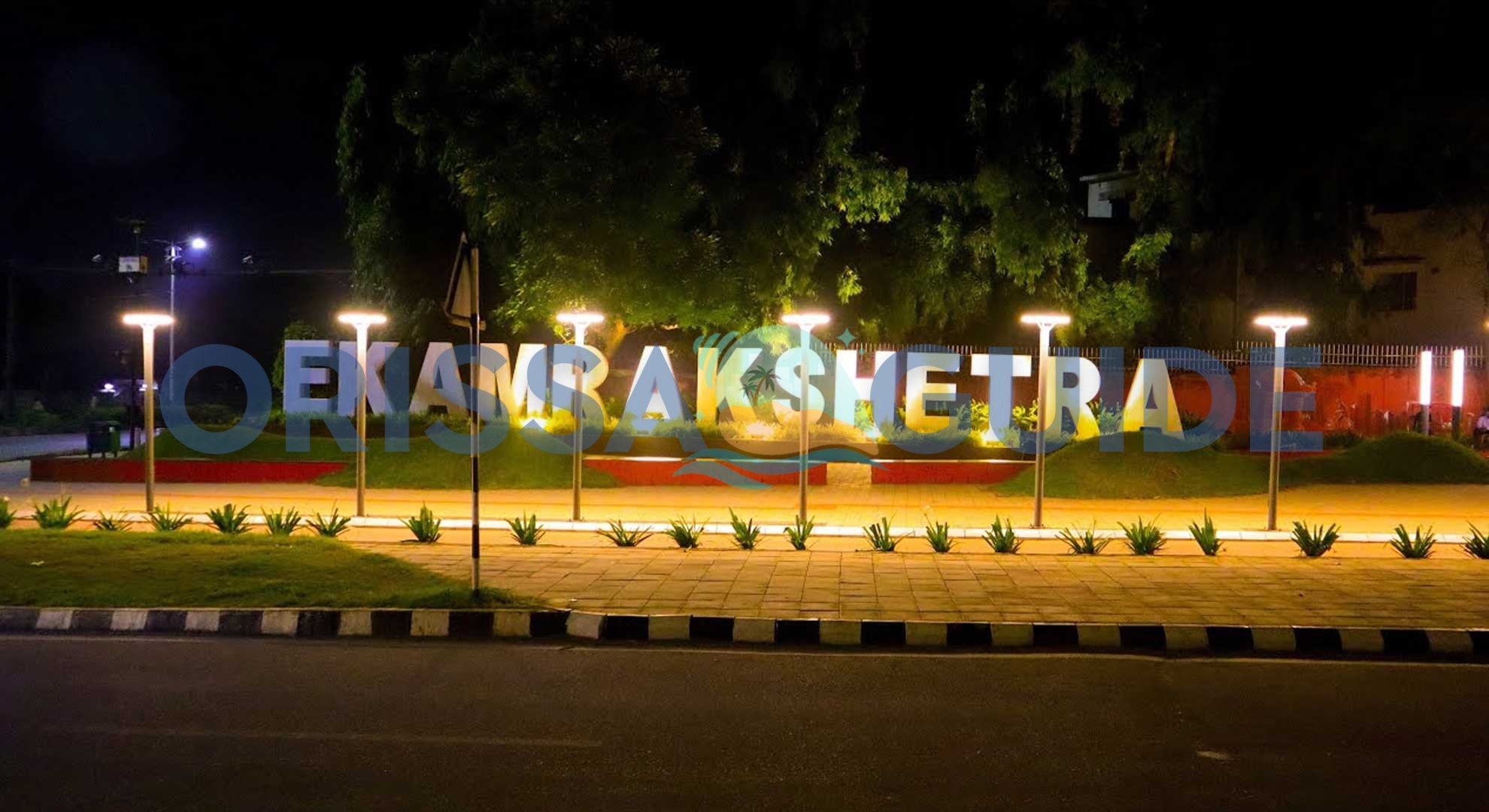
The temple plays an important role in the broader spiritual network of Bhubaneswar, which includes several ancient temples forming the historic Ekamra Kshetra—the old temple district that shaped the identity of the city.
What makes this temple unique is:
- Its peaceful environment compared to major pilgrimage centers
- Historical connection to Odisha’s temple-building period
- Fine examples of early Odishan stone architecture
- Cultural importance for local devotees
- Preservation under heritage protection
For travelers looking to explore beyond crowded tourist sites, Chandrasekhara Mahadeva Temple offers a meaningful and authentic experience.
Architectural Grandeur: A Symphony in Stone
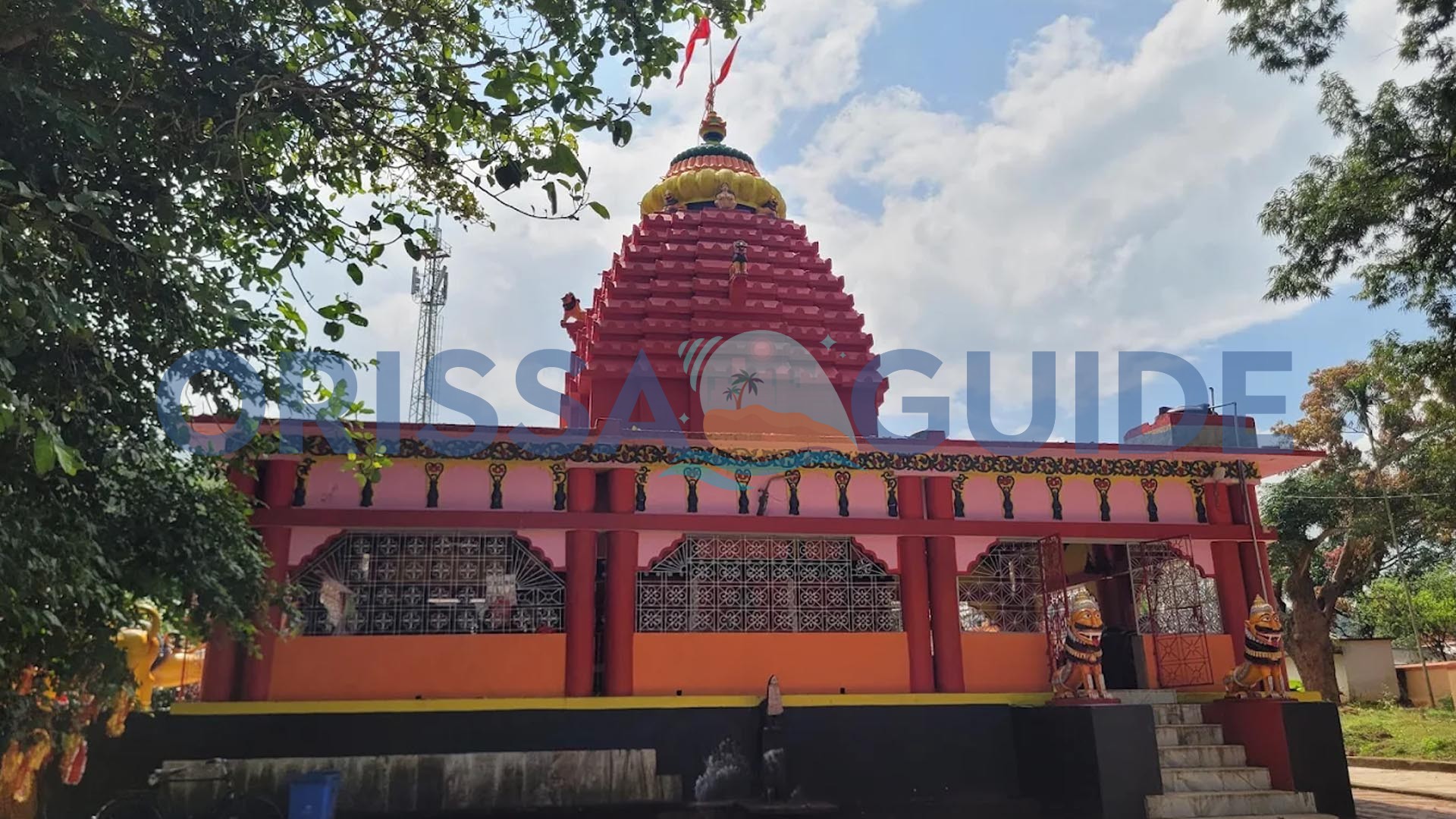
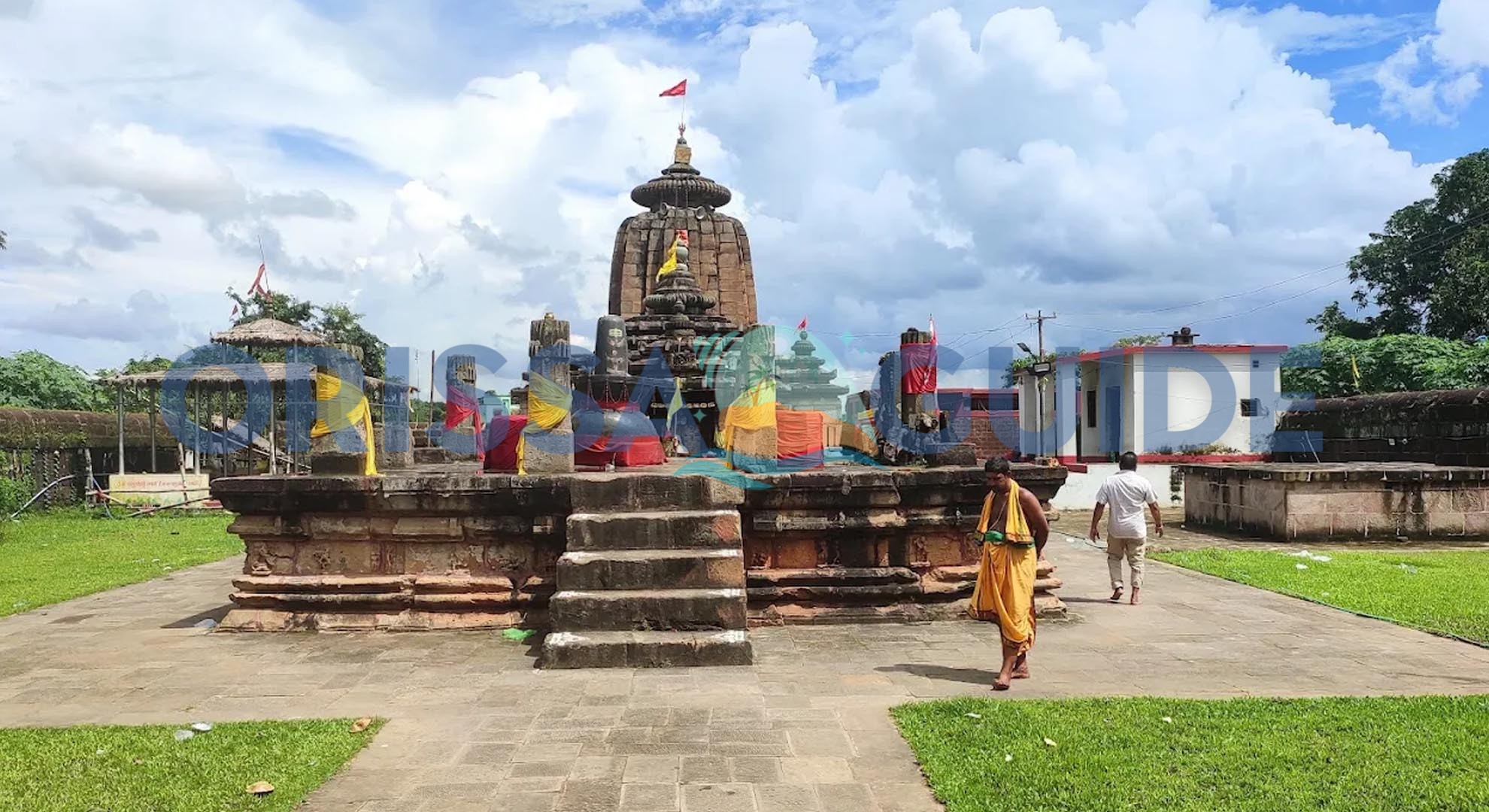
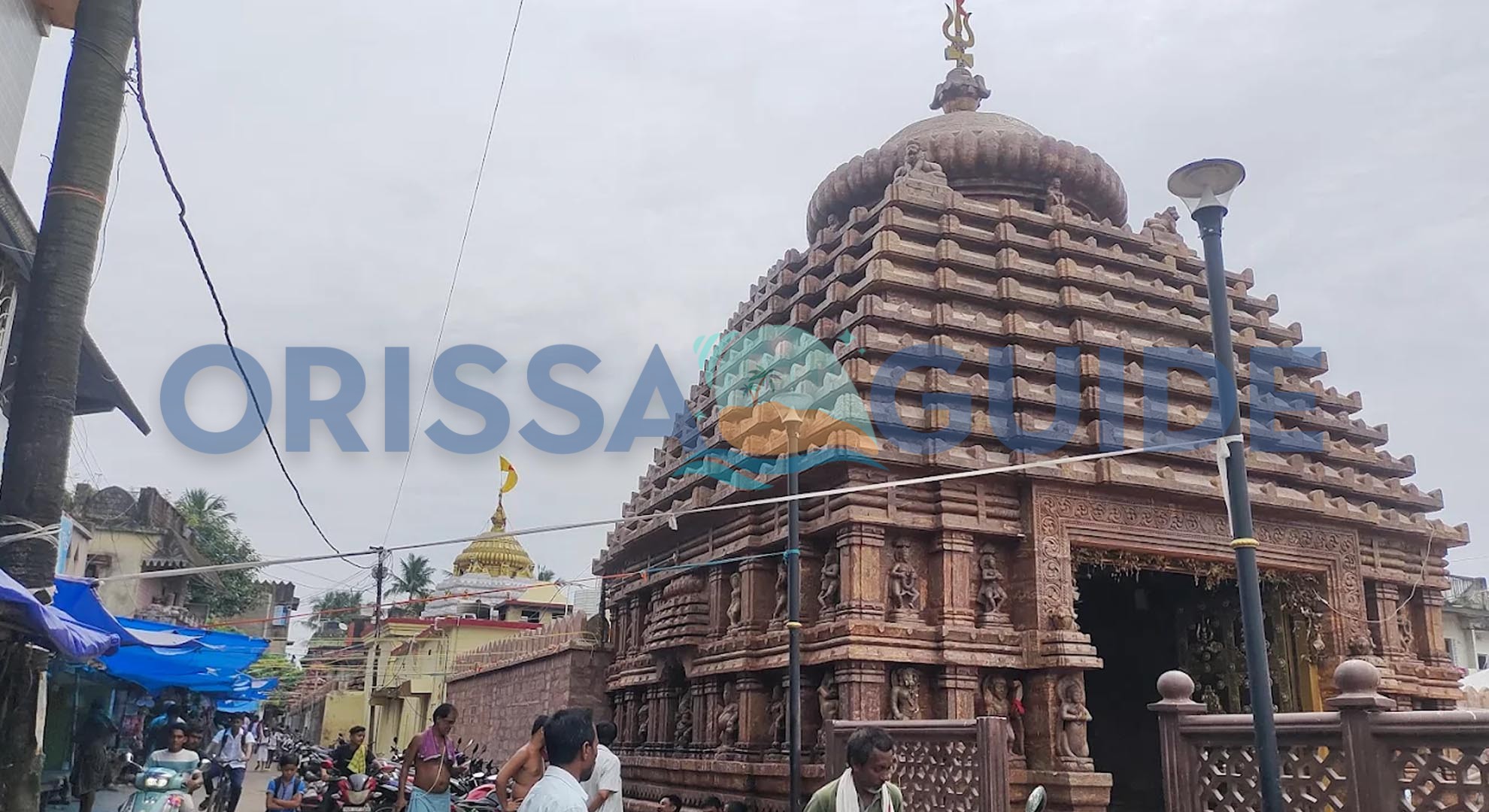
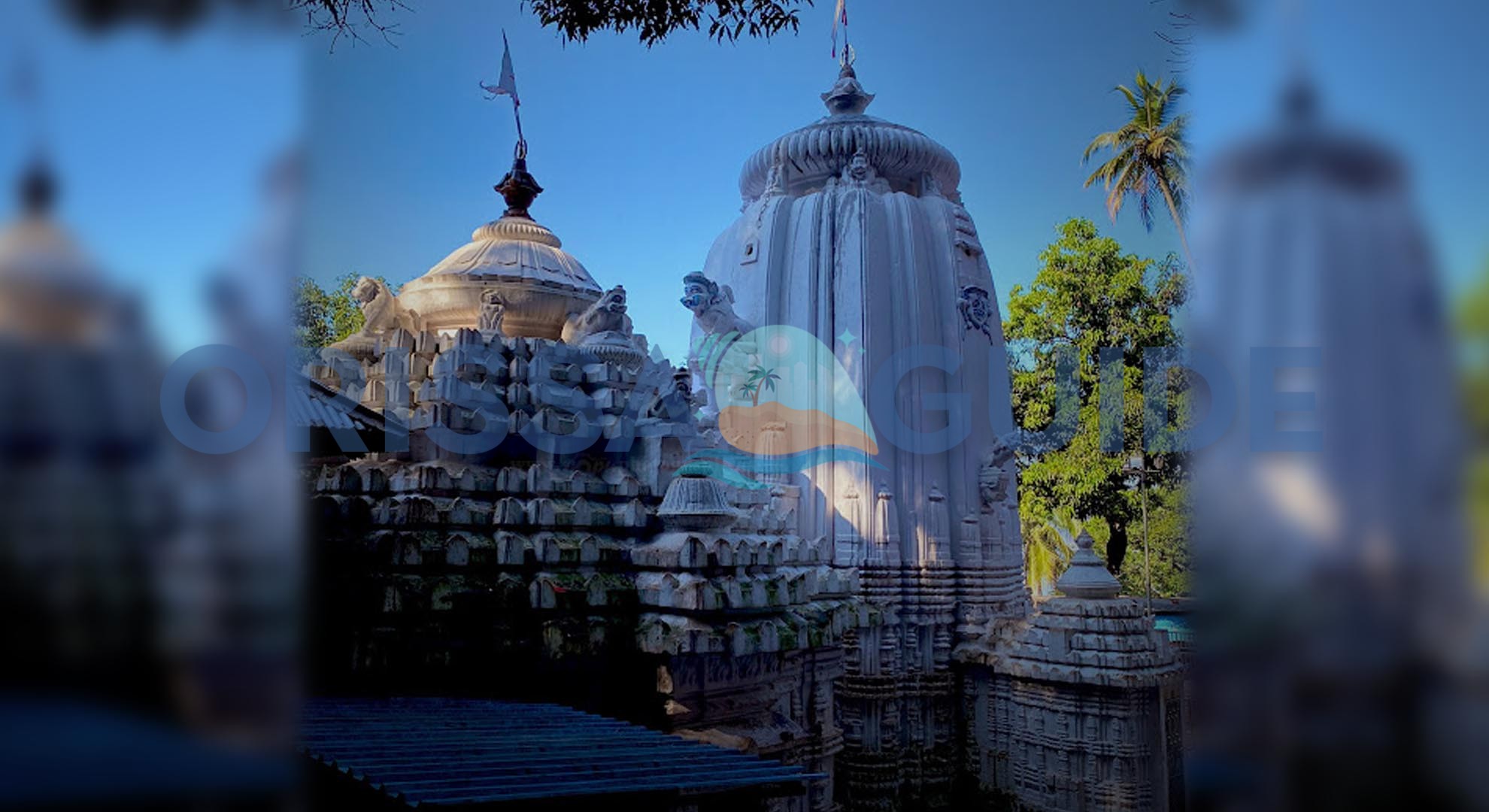
As you approach the temple, the first thing that stands out is its traditional design based on the Rekha Deul style, a defining feature of Odisha temple architecture.
The structure includes:
- A towering curvilinear spire (Shikhara)
- A Jagamohana (assembly hall) in front of the sanctum
- Stone carvings and sculptural motifs
- Proportional and symmetrical temple layout
This architectural style reflects the craftsmanship of temple builders during the medieval period in Odisha.
The temple’s stone walls, though weathered by time, still display remarkable details such as:
- Mythological carvings
- Floral and geometric patterns
- Sculpted deities
- Symbolic motifs related to Shaivism
Historians often regard temples like Chandrasekhara Mahadeva Temple as important in understanding how temple design evolved before reaching its grand form in larger structures such as Lingaraja Temple.
A Spiritual Sanctuary: The Divine Resonance
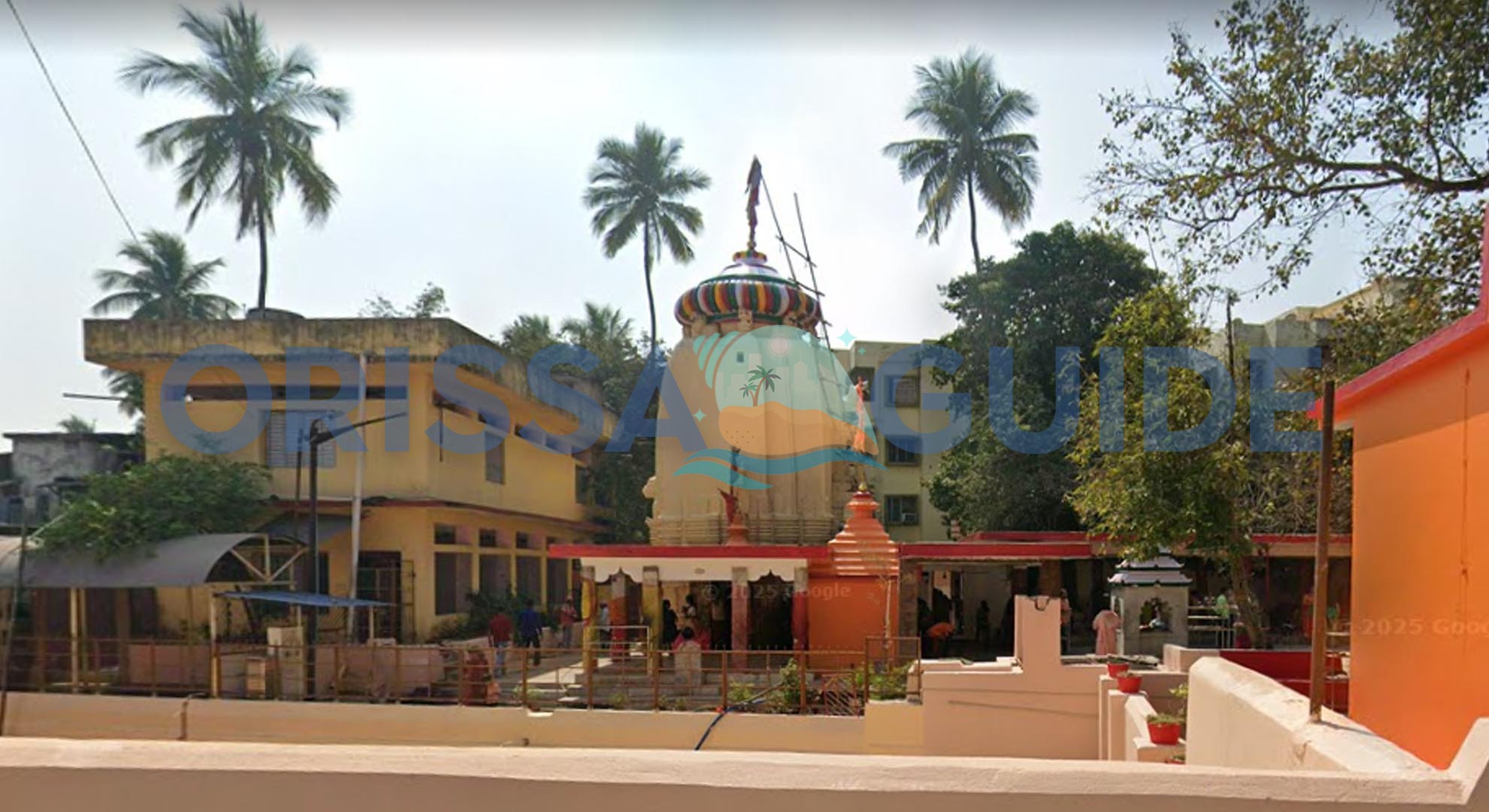
Inside the temple complex, visitors immediately notice the calm and devotional atmosphere. Unlike busy pilgrimage centers, this temple provides a tranquil spiritual setting ideal for meditation and quiet reflection.
The sanctum houses the sacred Shiva Lingam worshipped as Chandrasekhara Mahadeva. Devotees visit the temple daily to perform rituals, offer prayers, and seek blessings.
Key spiritual experiences here include:
- Morning temple rituals
- Chanting of sacred mantras
- Traditional offerings of flowers and incense
- Peaceful meditation environment
The temple’s serene surroundings make it an ideal place for those who wish to experience spiritual tourism in Bhubaneswar beyond the main pilgrimage circuits.
A Stroll Through History: The Temple’s Legacy
Chandrasekhara Mahadeva Temple is believed to date back to the 10th or 11th century, a period associated with the Somavamsi dynasty. This era is widely considered the Golden Age of temple architecture in Odisha.
During this time, several temples were built across Bhubaneswar, transforming the region into one of the most important religious centers in eastern India.
The temple contributes to the historical narrative of Bhubaneswar by representing:
- Early stages of Kalinga temple design
- Development of temple construction techniques
- Cultural and religious expansion of Shaivism
- Artistic excellence of Odishan artisans
Many historians and heritage experts note that smaller temples like Chandrasekhara Mahadeva Temple are crucial for understanding the evolution of temple architecture in Odisha.
Because of its historical significance, the site is protected and maintained by the Archaeological Survey of India, ensuring preservation for future generations.
Exploring the Temple City of India
Bhubaneswar is often referred to as the Temple City of India because of its large number of ancient temples, many of which are located within a short distance of each other.
When visiting Chandrasekhara Mahadeva Temple, travelers can also explore nearby heritage landmarks such as:
- Mukteshwar Temple
- Rajarani Temple
- Brahmeswara Temple
- Bindusagar Lake
- Lingaraja Temple complex
These sites together form one of the most significant temple clusters in India, making Bhubaneswar a top destination for:
- Heritage tourism
- Architecture enthusiasts
- Religious pilgrimage
- Cultural exploration
- Photography and history travel
Visitors who appreciate ancient architecture and historical travel destinations will find Bhubaneswar incredibly rewarding.
Cultural and Religious Importance
The temple continues to serve as an active place of worship for local communities. Religious festivals and special rituals attract devotees who gather to celebrate Lord Shiva.
One of the most important festivals observed here is Maha Shivaratri, when the temple becomes a hub of spiritual activity.
During this festival:
- Devotees fast and pray through the night
- Temple rituals continue until dawn
- The entire area becomes vibrant with devotional energy
- Thousands visit nearby temples in Bhubaneswar
This celebration highlights the living heritage of the temple and its continued importance in modern times.
Best Time to Visit Chandrasekhara Mahadeva Temple
The best time to visit the temple is during the winter season from October to March, when the weather in Bhubaneswar is pleasant and suitable for exploring temples and heritage sites.
Early morning visits are especially recommended because:
- The temple is quieter
- The sunlight highlights the stone carvings
- Rituals take place during this time
- The atmosphere feels more spiritual
Visitors should also dress modestly and respect temple customs, as it is an active religious site.
How to Reach Chandrasekhara Mahadeva Temple
The temple is located within Bhubaneswar city and can be reached easily through various transport options.
By Air
- Nearest airport: Biju Patnaik International Airport
- Distance: Approximately 4–6 km from the temple area.
By Train
Nearest railway station:
Bhubaneswar Railway Station, which connects the city to major Indian destinations like Kolkata, Visakhapatnam, and Delhi.
By Road
The temple is well connected through city roads and can be reached via:
- Local taxis
- Auto rickshaws
- City buses
- App-based cab services
Visitors often combine this temple visit with a tour of nearby temples in Ekamra Kshetra.
Why Chandrasekhara Mahadeva Temple Is Worth Visiting
Although it may not be as famous as some other temples in Bhubaneswar, Chandrasekhara Mahadeva Temple offers a unique travel experience.
Reasons to visit:
- Peaceful spiritual environment
- Rich historical significance
- Fine example of Kalinga architecture
- Less crowded compared to major temples
- Ideal for cultural and heritage tourism
- Important part of Bhubaneswar’s temple heritage
For travelers who want to explore the deeper cultural layers of Odisha, this temple offers both historical insight and spiritual calmness.