|
Getting your Trinity Audio player ready...
|
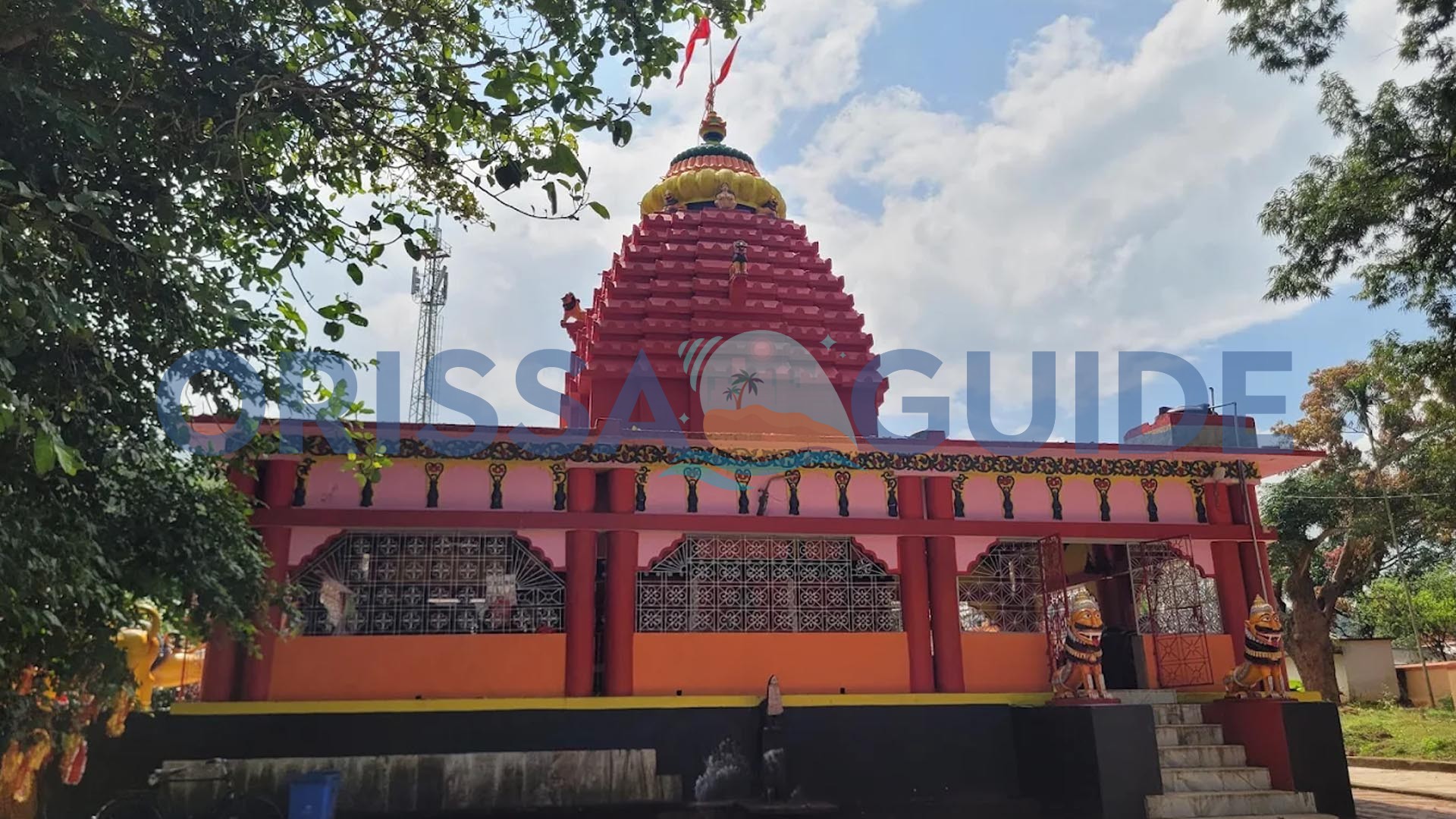
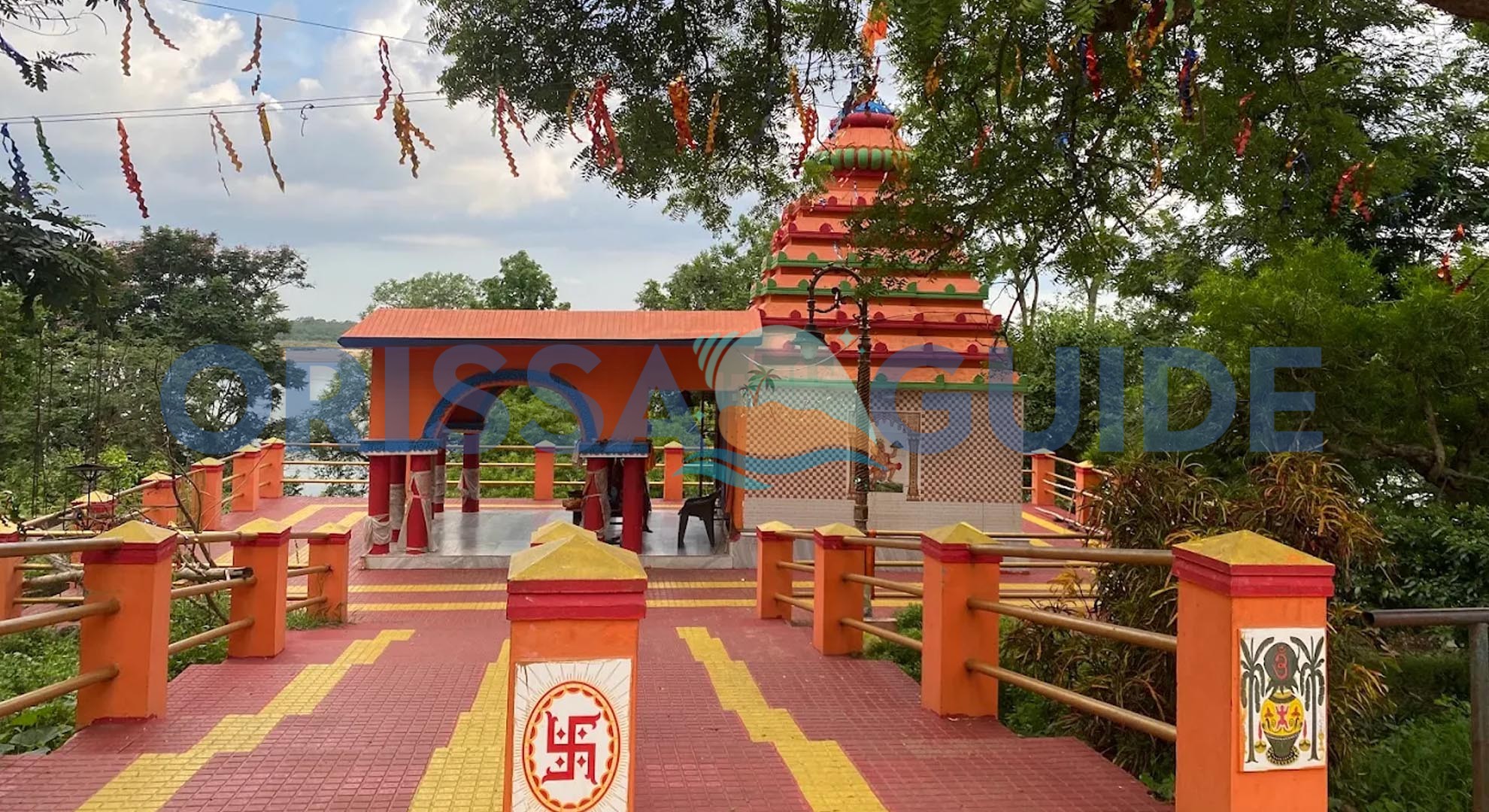
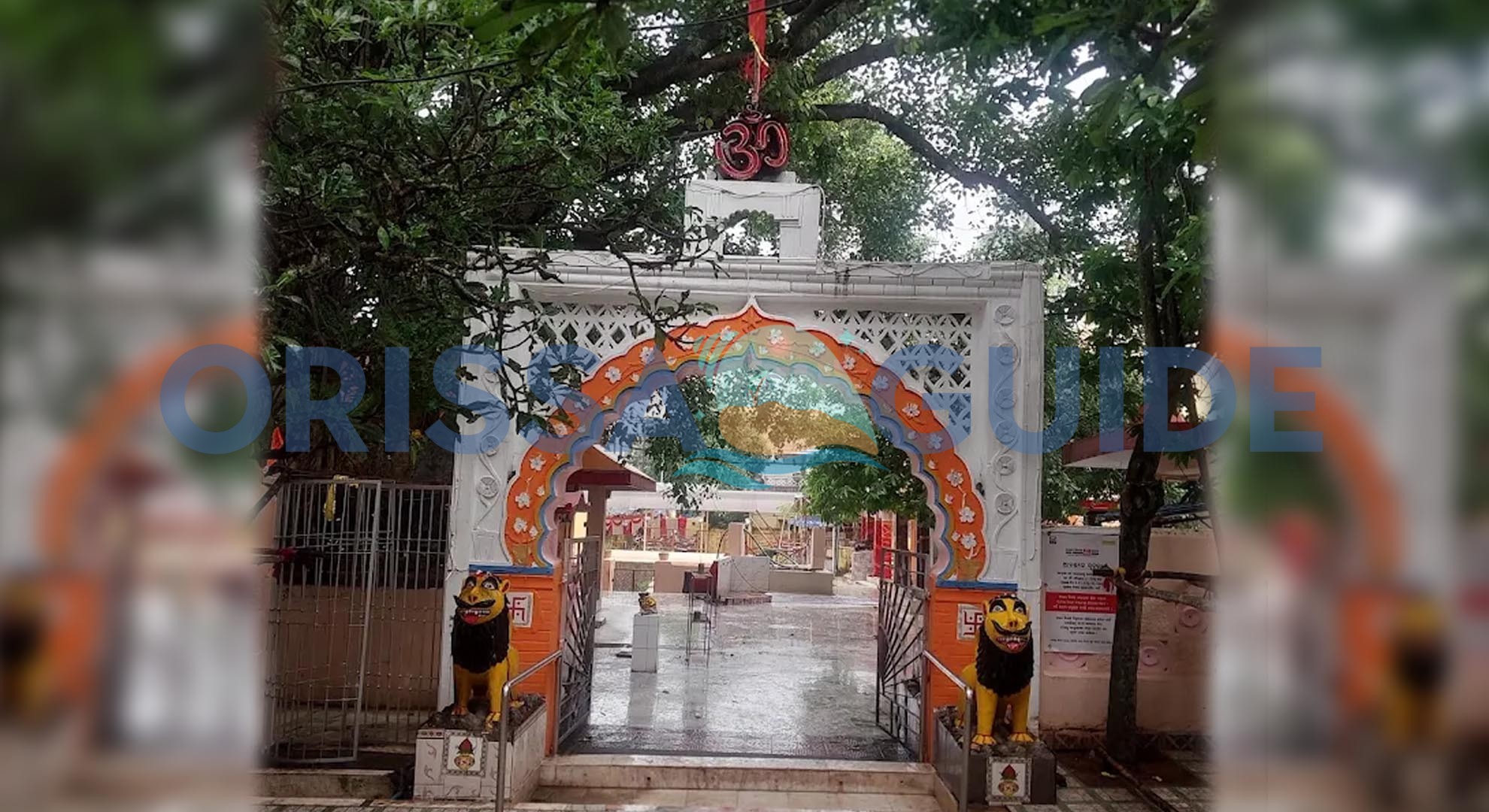
Leave behind the contemporary buzz in Bhubaneswar and enter a world of calm antiquity at Chintamanisvara Siva Temple. While the city is often called the Temple City of India for its hundreds of ancient temples, this lesser-known yet historically significant shrine offers something unique: peace, authenticity, and a deep connection to Odisha’s spiritual heritage.
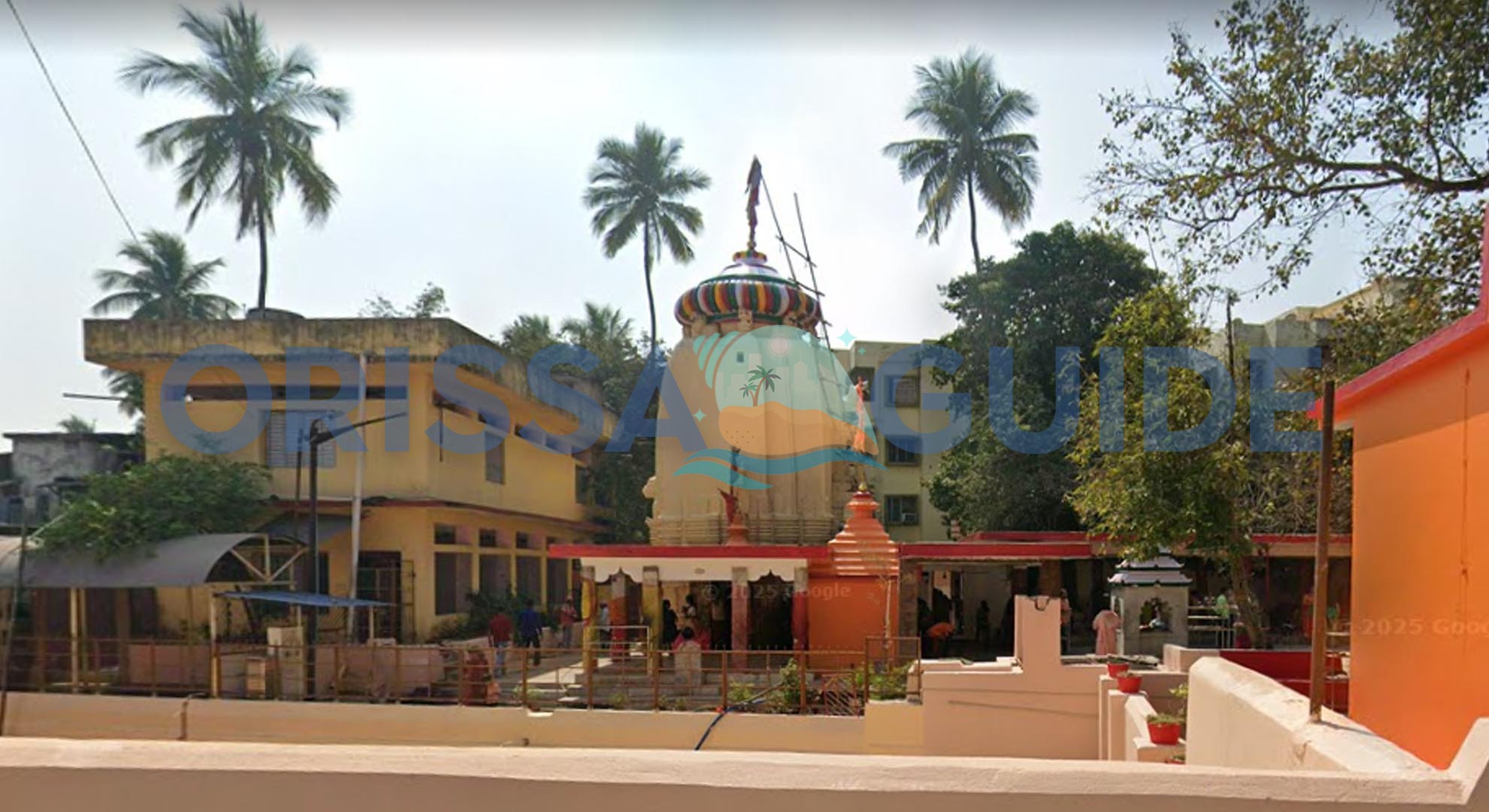
Unlike the grand and crowded temple complexes of the city, the Chintamanisvara Siva Temple provides visitors with a quiet and reflective experience. The temple reflects the early phase of temple architecture in Odisha and preserves elements of ancient religious practices that continue to influence local culture today.
For travelers exploring spiritual tourism, heritage architecture, or historical sites in Odisha, this temple is an essential stop.
Historical Depth: Whispers from a Bygone Era
The Chintamanisvara Siva Temple dates back to the 10th–11th century, during the rule of the Soma Vamsi dynasty, a period known for major developments in temple construction across Odisha. Many of the temples built during this time laid the foundation for the classical Kalinga architectural style seen in later monuments.
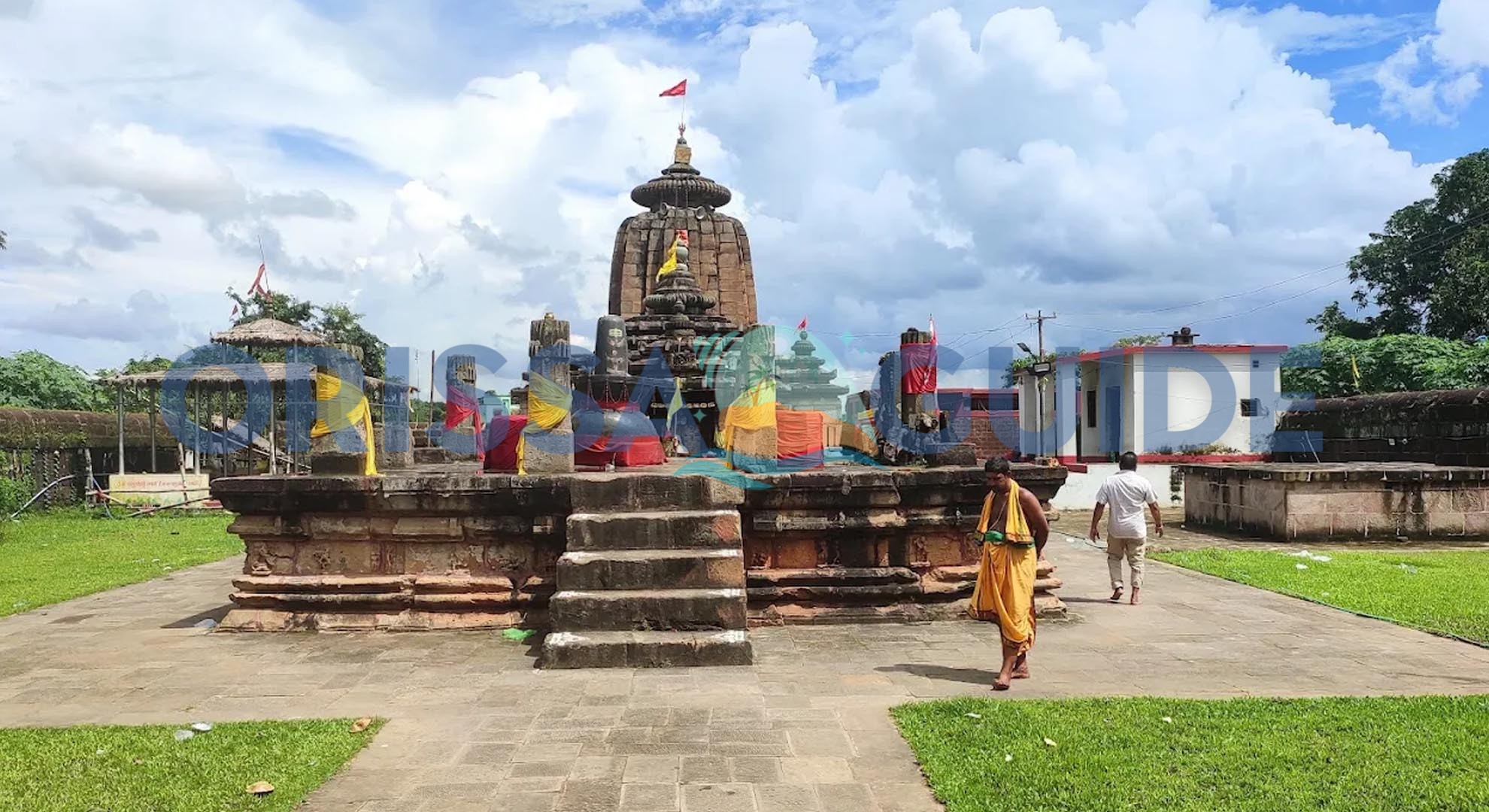
This temple stands as an important example of early medieval temple architecture and religious life in the region. Compared to later temples that feature elaborate carvings and complex structures, Chintamanisvara retains a more restrained yet powerful architectural identity.
Historians and architecture scholars often consider the temple significant because it represents a transitional stage in Odisha temple architecture. The structure reveals how temple design evolved from simpler forms into the highly ornate masterpieces seen in later centuries.
Beyond architecture, the temple also reflects the spiritual continuity of Shaivism in Odisha, where Lord Shiva has been worshipped for centuries.

Architectural Splendor: A Testament to Kalinga Style
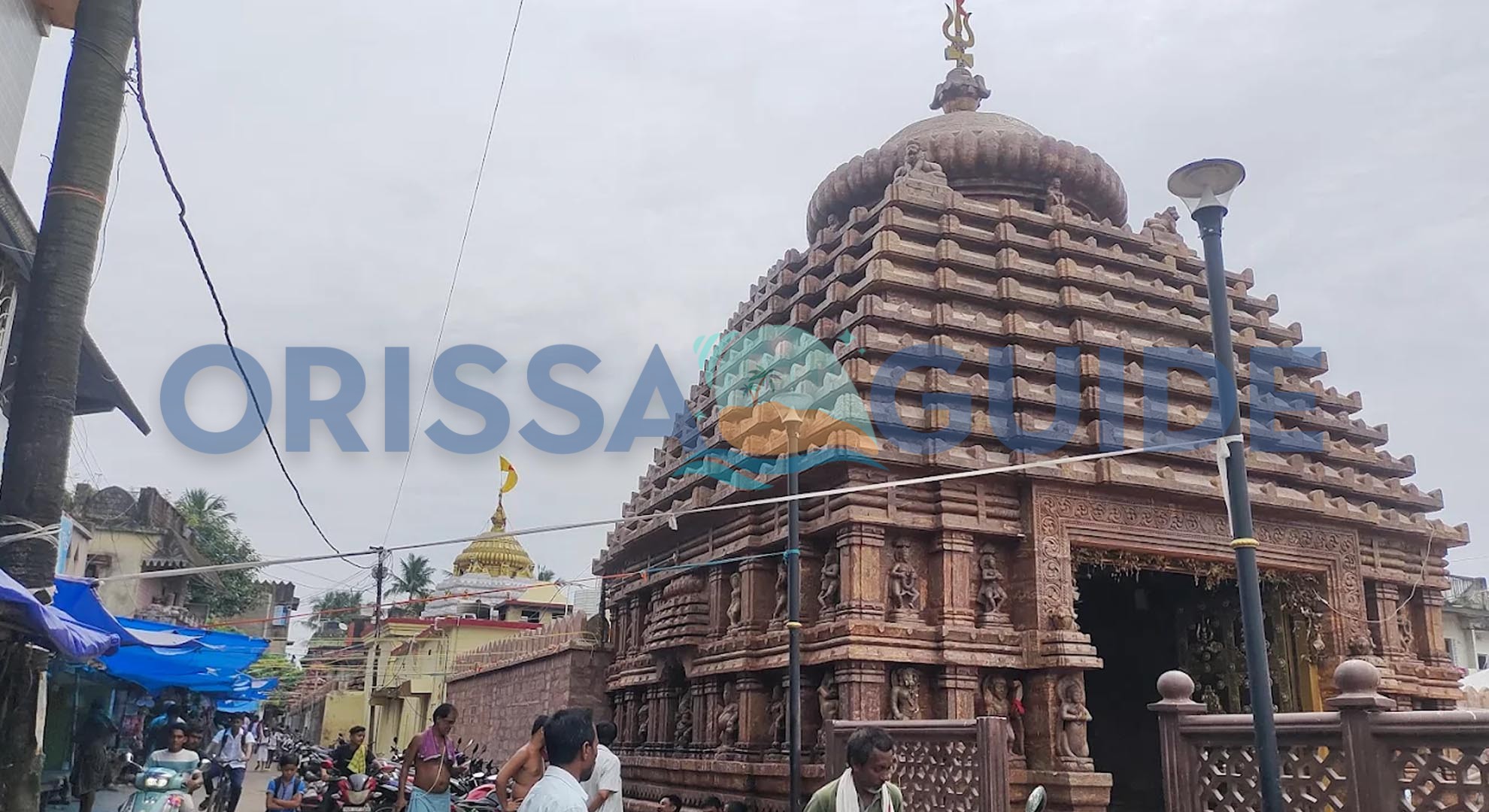
One of the most remarkable aspects of the temple is its adherence to the early Kalinga style of architecture, a style that defines many temples in Odisha.
The temple follows a traditional layout that includes:
- Rekha Deul (main sanctum tower)
- Jagamohana (assembly hall concept in Odishan temples)
- Intricately carved doorway
- Sacred temple complex layout
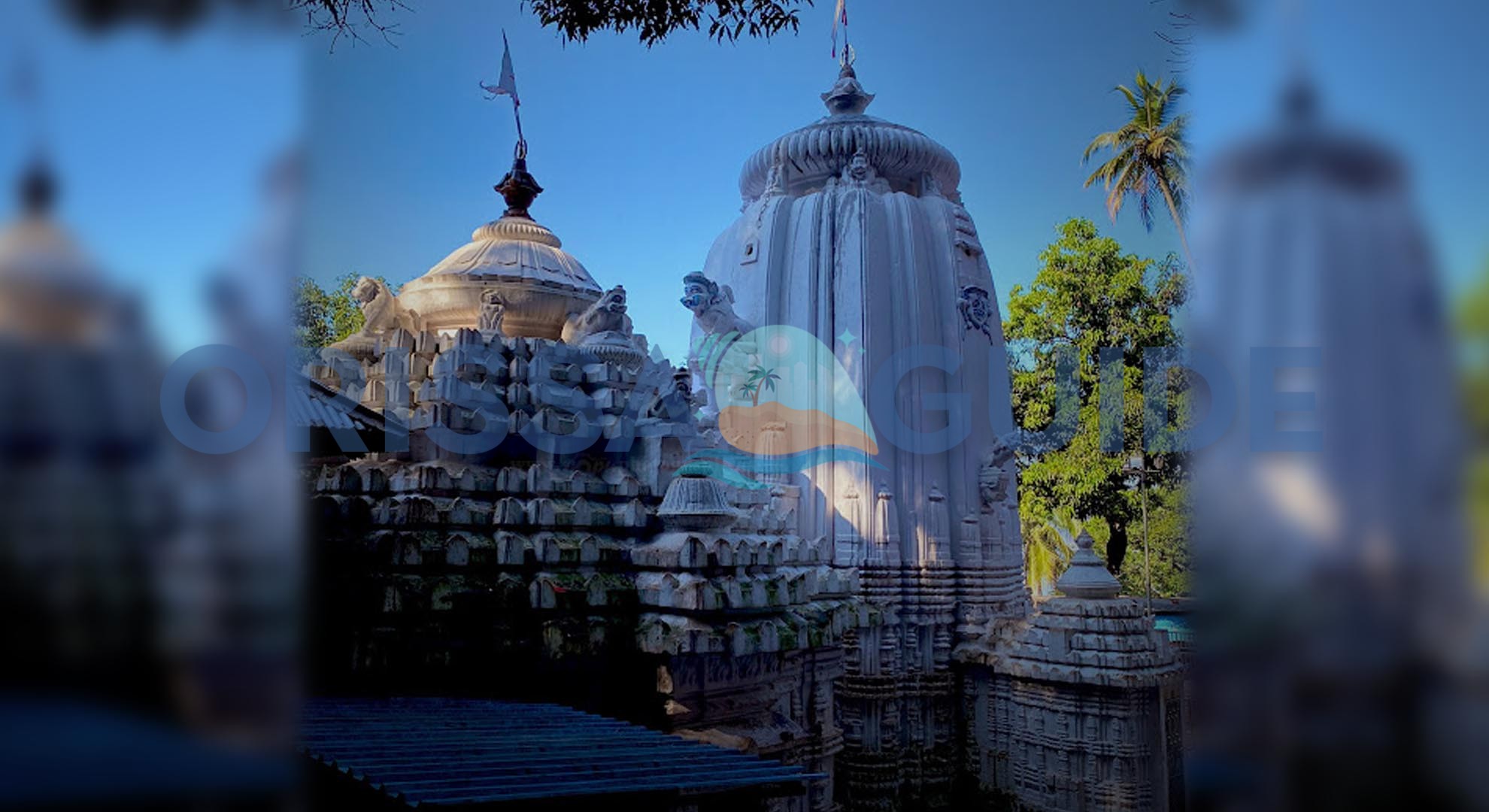
The Rekha Deul, the tall curvilinear tower above the sanctum, is the most prominent feature of the temple. This architectural form is characteristic of Odishan temple structures and symbolizes the cosmic mountain or axis connecting heaven and earth.
While the outer walls of the temple are relatively simple compared to larger temples in Bhubaneswar, the doorframe carvings are highly detailed. These carvings often include:
- Divine guardians
- Floral patterns
- Symbolic motifs
- Sacred iconography
This balance between simplicity and symbolism makes the temple aesthetically appealing while maintaining its spiritual identity.
The temple’s architecture reflects the philosophy of early temple builders who prioritized proportion, symbolism, and sacred geometry rather than excessive ornamentation.
The Spiritual Core: Sanctum Sanctorum and Sacred Pond
At the heart of the temple lies the sanctum sanctorum, which houses a Svayambhu Shiva Lingam, believed to be self-manifested. Such lingams hold special significance in Hindu traditions because they are considered naturally formed rather than crafted by human hands.
Devotees visit the temple to seek blessings for:
- Peace of mind
- Spiritual growth
- Removal of worries and obstacles
- Inner clarity
The calm atmosphere inside the temple allows visitors to experience a deep sense of devotion and tranquility. Many pilgrims believe that prayers offered here are particularly powerful because of the temple’s ancient spiritual energy.
This sacred environment makes the temple an important site for religious tourism in Bhubaneswar.
Sacred Water Body: Vindu Sarovara
Another significant feature near the temple is Bindu Sagar Lake, often referred to as Vindu Sarovara in historical references.
This sacred water tank plays a crucial role in the religious landscape of Bhubaneswar. Many temples in the city are located around this holy water body, which is believed to contain water from sacred rivers across India.
The presence of the sacred pond near the temple enhances its spiritual atmosphere and adds to its historical importance.
Pilgrims often visit both the temple and the lake as part of a spiritual journey through the city.
Why Chintamanisvara Siva Temple Is Unique Among Bhubaneswar Temples
Although Bhubaneswar is home to many famous temples such as Lingaraj Temple, the Chintamanisvara Siva Temple offers a completely different experience.
Here are some reasons why this temple stands out:
1. One of the Oldest Surviving Temples
The temple dates back more than a thousand years and represents early temple-building traditions in Odisha.
2. Peaceful Atmosphere
Unlike larger temples, the temple remains relatively quiet and less crowded.
3. Important Example of Early Kalinga Architecture
It helps historians and visitors understand how temple architecture evolved over time.
4. Authentic Spiritual Experience
Visitors can witness traditional rituals and local devotional practices.
5. Ideal for Cultural and Heritage Tourism
The temple is a valuable destination for travelers interested in history, architecture, and religion.
The Visitor’s Experience: A Journey of Serenity
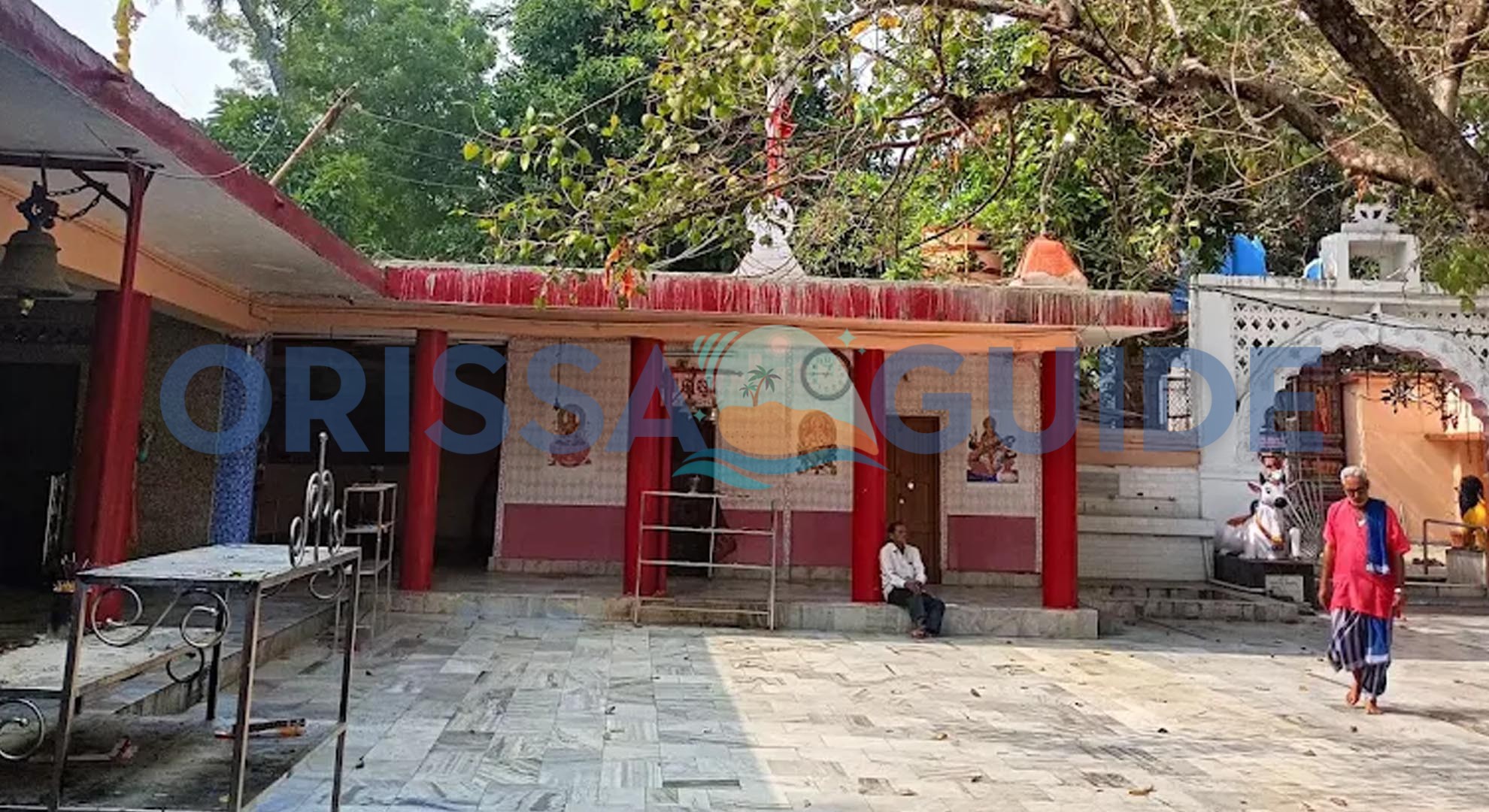
A trip to the Chintamanisvara Siva Temple is a uniquely serene experience. The presence of quiet devotion feels far removed from the busyness of larger temples in the region. You can take time to appreciate the sculpture art on your own time, observe local rituals at your leisure, or rest in thoughtful contemplation.
For the visitor of Bhubaneswar, Chintamanisvara is the only truly authentic temple to help you see the spirit of the city. If you are looking for a deep connection to the ancient ancestors of the modern Temple City of India, and a moment of genuine peace, Chintamanisvara is a must-see.
Conclusion
The Chintamanisvara Siva Temple is more than an ancient structure; it is an ageless lighthouse of faith, art, and culture. It beckons with open arms to step beyond its ancient thresholds to discover a fragment of Odisha’s eternal spirit. No matter if you are a history buff, a lover of architecture, or a seeker of spirituality, you will leave enriched and enlivened. So, when you are planning your route through India’s Temple City, make certain that this tranquil gem is on your list. Your pilgrimage to this ancient Shiva temple awaits.
How to Reach, Destination Facilities, Transportation, Destination Attractions, Accessibility
Open Time
Chintamaniswar Temple open timing is every Morning from 8:00 am to 7:00 pm
Best Time to Visit
The best time to visit Chintamaniswar Temple is any time of the year.
Nearby Bus Stand
The nearby Bus stand is the master Canteen, which is located around 3.5 KM distance from Chintamaniswar Shiva Temple.
Nearby Airport from Pancharatha Mandir
The nearby airport is Biju Patnaik International Airport, Bhubaneswar, which is located around 5.5 KM distance from Chintamaniswar Shiva Temple.
Nearby Railway Station
The nearby Railway Station is Bhubaneswar, which is located around 3.5 KM distance from Chintamaniswar Shiva Mandir.
Nearby Attractions to Explore
Visitors exploring Chintamanisvara Siva Temple can also visit several other historic sites in Bhubaneswar.
Popular nearby attractions include:
- Lingaraj Temple
- Mukteshwar Temple
- Rajarani Temple
- Bindu Sagar Lake
- Odisha State Museum
These attractions together create a complete heritage tourism circuit in Bhubaneswar.
Travel Tips for Visitors
To make the most of your visit, consider the following tips:
- Wear modest clothing when visiting temples.
- Visit early in the morning for a peaceful experience.
- Respect local customs and rituals.
- Carry water during summer months.
- Combine the visit with nearby temples for a complete heritage tour.