Daringbadi, located in the misty hills of the state of Odisha, is widely known as the “Kashmir of Odisha” due to its cool climate, which is so surprising to those visiting. However, Daringbadi has much more to offer than just tranquil scenery; it has also been very successful in creating a beautiful agricultural tapestry through the production of both coffee and black pepper, two of the most aromatic spices in the world.
The area surrounding Daringbadi is not only filled with breathtaking vistas and lush greenery, but it has also become the heart of the Kandhamal region’s organic spice industry. Through the use of sustainable farming techniques and methods, farmers in the area have developed an entirely new flavour profile for both coffee and black pepper that is unique to the region. Visitors to Daringbadi will enjoy experiencing an entirely new journey of flavour that will continue long after they have left this beautiful destination.
The Fragrant Orchards: A Sensory Walk Through the Plantations
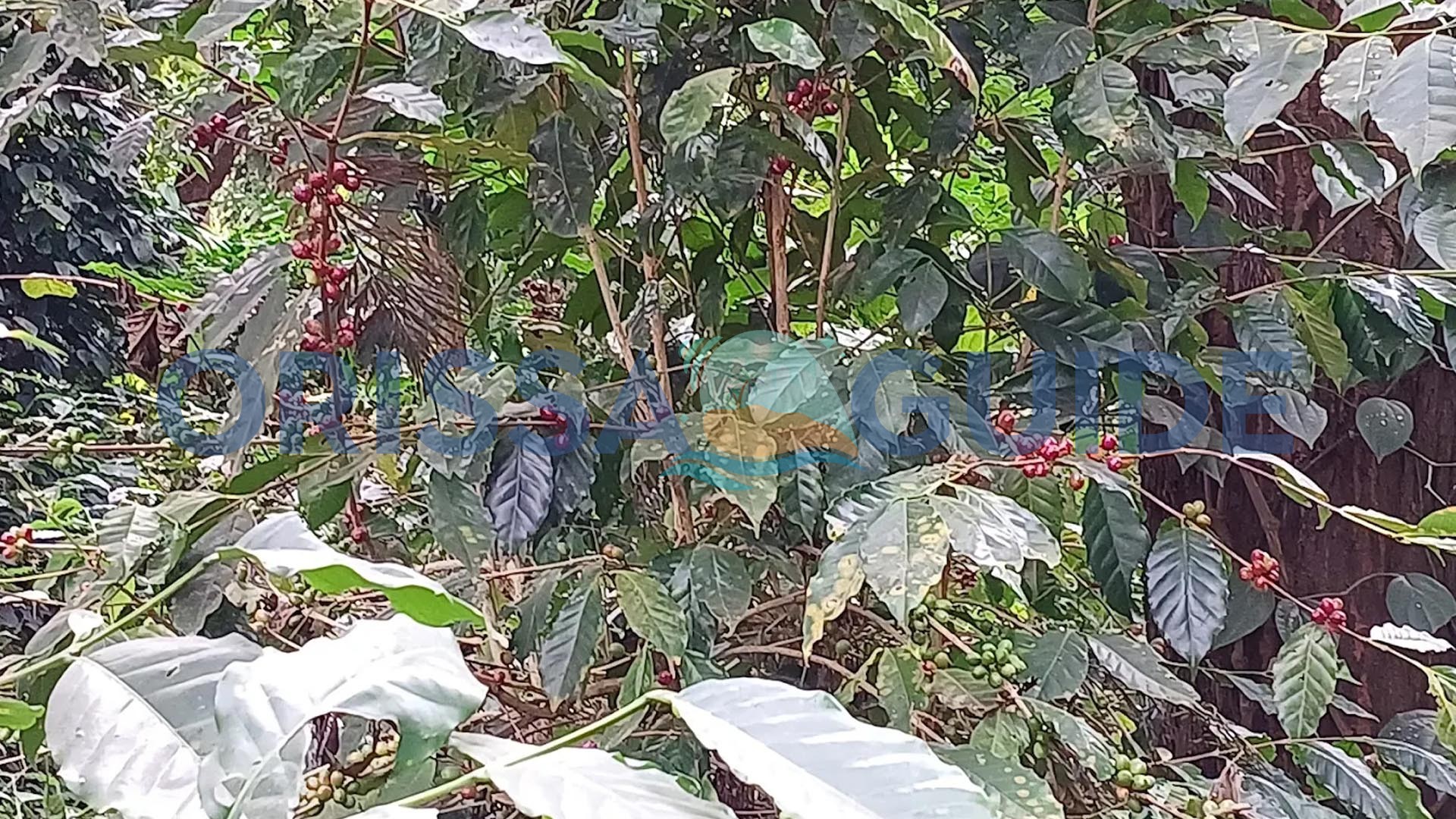
When you enter Daringbadi plantations, you will notice a very complex aroma. On your plantation tour, you will begin below the young Silver Oak trees that are acting as posts for the variety of climbing vines or Black Pepper. The lush, bushy coffee plants are growing directly below these trees and are bearing large, dark red “cherries”. They create an unbelievably beautiful undergrowth.

As you walk and experience the aroma of the coffee and Black Pepper and the cool, buttery, moist air, you will start to appreciate how much work it takes to grow these crops organically. At each step, the local farmer will explain how each crop is grown organically, and therefore, with each inhalation and every eye contact with the plants, you will learn about Sustainable Agriculture.
From Cherry to Cup: The Artisan Coffee Process of Kandhamal
Coffee from Kandhamal is a showcase of both patience and dedication. After being carefully picked by hand and selected based on ripeness, the red cherries undergo a series of processes: pulping, fermentation, washing, and drying in large open-air concrete yards. Visitors can see each of these steps as they view the entire process.
Through careful processing, the coffee retains some of the natural flavours created by upslope conditions (laterite soils) of the area, which contribute to flavours such as cocoa and spicy citrus.
The end product is a fine-quality Arabica bean produced using local farming techniques and growing conditions. During tours, guests may have the opportunity to watch as the coffee is roasted and to experience first-hand how to brew using traditional methods to create their very own cups of freshly brewed coffee, telling them all about the land and the culture.
The King of Spices: Discovering Black Pepper on the Vine
The black pepper vine (Piper nigrum) grows in the same ecosystem as the green peppercorn (Piper guineense). Whereas the peppercorns are harvested in clusters, dried, and shredded into the familiar black powder commonly used around the world, this product has been used for thousands of years to add flavor to food and beverages.
The black pepper vine is a powerful, aromatic herb with a flavor profile that is completely different from processed black pepper found in grocery stores. By learning how the black pepper vine grows and is used, we can appreciate the long history of the black pepper vine as an economic and cultural cornerstone of all cultures of the world, starting from the mountains of Kandhamal, India, and throughout the globe.
The Perfect Synergy: Why Coffee and Pepper Grow Together
Coffee agroforestry creates a unique strategic intercropping system where the coffee shrubs benefit from the filtered sunbeams through the taller pepper trees and the nitrogen-fixing abilities of these same tree species. The place where the coffee shrub planting occurs also takes up very little vertical space, while increasing the overall product diversity of both coffee and pepper trees.
This synergetic mix provides a year-round income to the farmers in Kandhamal, which reduces their vulnerability to market fluctuations and supports the continued cultivation of these valuable crops.
Cultural Infusion: Tribal Heritage and Sustainable Practices
The cultivation practices are intertwined with the heritage of the local Kondh tribal community, and their traditional knowledge of the land provides the foundation for all eco-tourism initiatives in this region. Community-run plantations allow visitors opportunities not only to explore the fields but also to experience cultural exchange.
Visitors can hear stories passed on through generations about the land or learn how indigenous people protect fragile ecosystems using age-old techniques. By maintaining this model of tourism, the local community directly benefits from tourism and supports their way of living while giving others an opportunity to appreciate the products of their harmonious relationship with nature.
Planning Your Visit: An Immersive Travel Guide
In order to be fully immersed in this aromatic world, it is best to visit between October and March when the weather is nice, and harvesting takes place frequently. The essential items for a Daringbadi travel guide are a local homestay or eco-cottage experience for a truly authentic experience; do not forget to visit the Government Coffee Nursery for a complete picture of what is available.
Be sure to pack walking shoes, a camera, and a bag to carry with you to hold all of the fresh local produce that will be available to you! Participating in the rural tourism of this region helps to support the local economy and provides you with more than just memories; you will also take home some of the flavours of the hills of Kandhamal that are authentic and packaged.
Conclusion: More Than a Scenic Escape—A Flavourful Pilgrimage
Daringbadi provides an experience that is different from other hill station retreats; it is as much a spiritual journey into the depths of a rich organic spice country as it is a picturesque travel destination. You’ll walk through the aromatic forest, see how the farmers live, try some freshly roasted coffee beans, and taste some of the best-quality pepper produced on the farm.
The entire experience will change the way you view some of the more familiar food products that may be on your plate every day. Daringbadi also celebrates the unique model of organic farming in Kandhamal and helps you to form a bond with the area, its people, and the specialty spiced coffee and tea produced there.
How to Reach, Destination Facilities, Transportation, Destination Attractions, Accessibility
Open Time
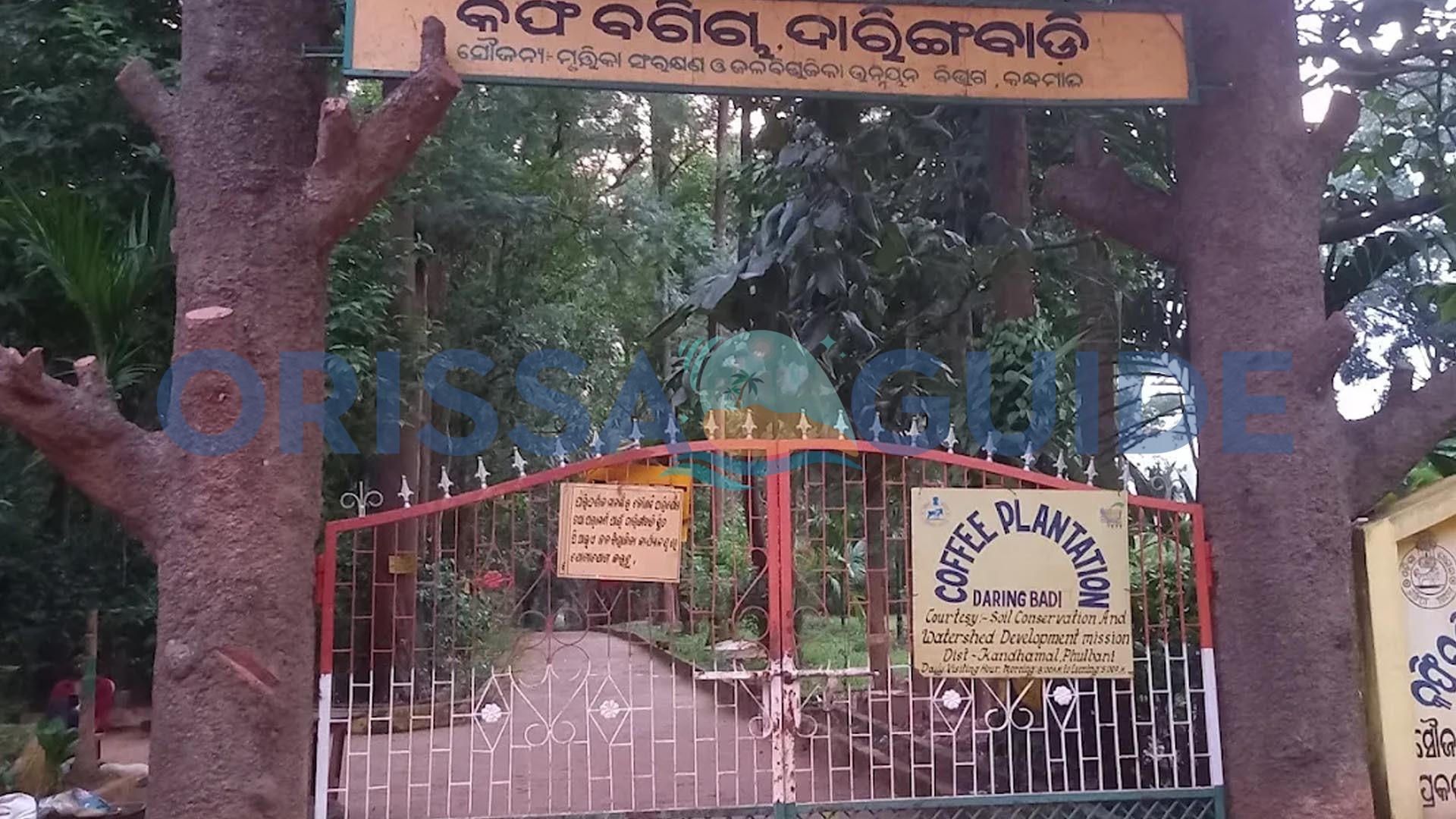
Daringbadi black pepper and coffee garden open timings are Morning 8 am to Evening 6 pm
Best Time to Visit
The best time to visit Daringbadi Coffee garden is from October and March, and the winter Season.
Nearby Bus Stand
The nearby Bus stand is Daringbadi, which is located around 1.2 KM distance from kandhamal black pepper garden.
Nearby Airport from Pancharatha Mandir
The nearby airport is Bhubaneswar, which is located around 249 KM distance from Daringbadi Coffee Garden.
Nearby Railway Station
The nearby Railway Station is Berhampur, which is located around 124 KM distance from Coffee Garden