|
Getting your Trinity Audio player ready...
|
Daringbadi, located in the misty hills of the state of Odisha, is widely known as the “Kashmir of Odisha” due to its cool climate, which is so surprising to those visiting. But beyond its scenic charm lies a lesser-known identity—Daringbadi is the aromatic heart of Odisha’s coffee garden and black pepper tree cultivation.
This tranquil hill town has quietly emerged as a model for organic coffee and spice farming, where rich laterite soil, high altitude, and sustainable agroforestry practices come together. For travellers, food enthusiasts, and eco-tourists alike, Daringbadi offers not just a visual retreat but a deeply sensory journey through coffee plantations and black pepper trees rooted in tribal wisdom.
Daringbadi’s Agricultural Landscape: Where Climate Meets Cultivation
Daringbadi’s elevation, cool temperatures, and consistent rainfall create ideal growing conditions for Arabica coffee plants and black pepper vines. Over the years, farmers in Kandhamal have transformed forested slopes into thriving coffee gardens, while maintaining ecological balance.
What makes these plantations unique is their organic and shade-grown approach—a system that enhances flavour while preserving biodiversity. The result is a distinct coffee profile and highly aromatic pepper that reflect the terroir of the Eastern Ghats.
The Fragrant Orchards: A Sensory Walk Through the Plantations
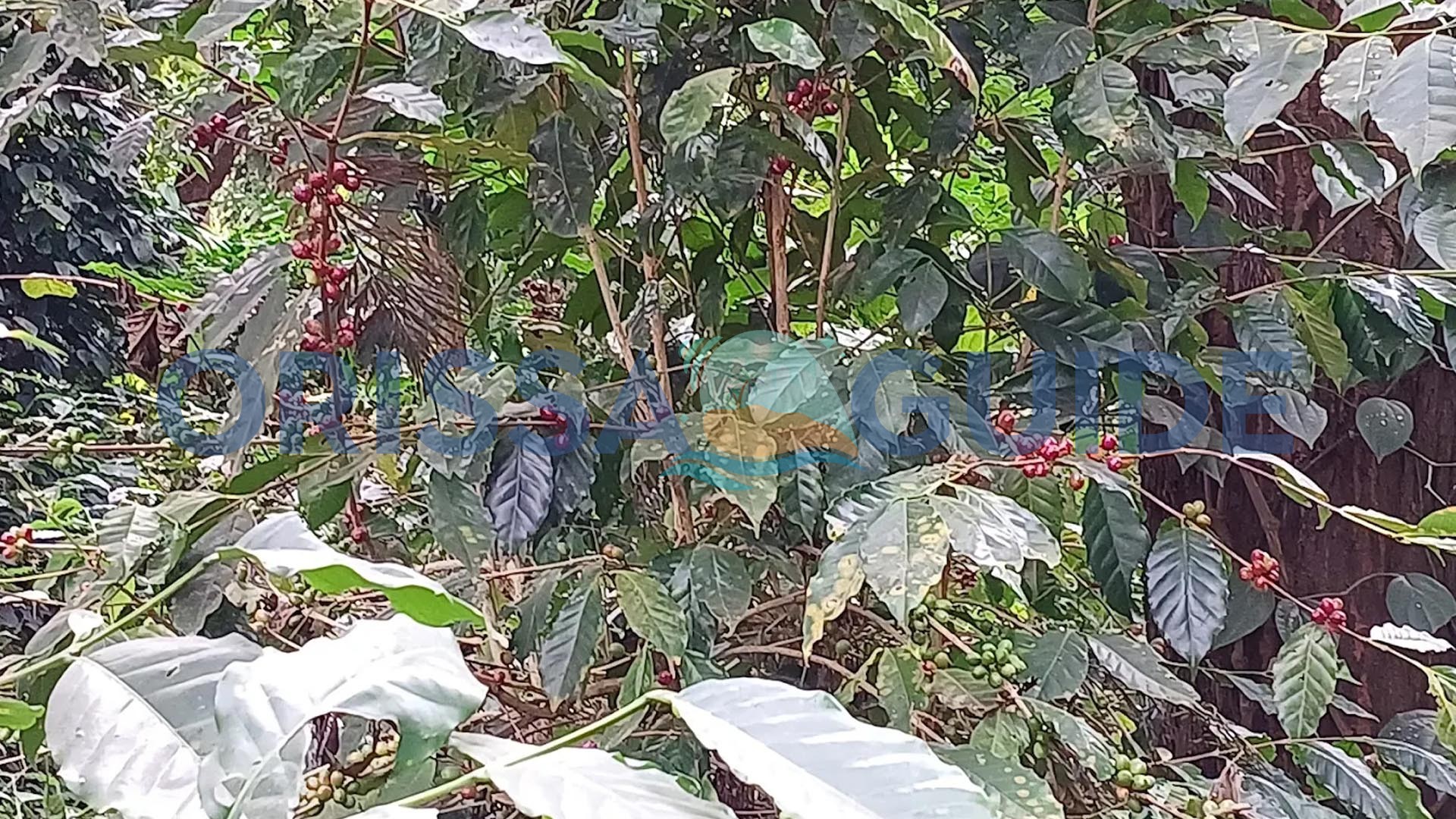
Stepping into a Daringbadi coffee garden feels like entering a living, breathing ecosystem. Tall Silver Oak trees act as natural supports for climbing black pepper vines, while dense coffee shrubs flourish below, heavy with ripening red cherries.

What You’ll Experience:
- The earthy aroma of wet soil and fresh coffee leaves
- Pepper clusters growing along every black pepper tree
- Farmers explaining organic composting, pruning, and harvesting
- Cool, misty air that makes plantation walks incredibly soothing
This layered plantation design—pepper above, coffee below—is both visually striking and agriculturally efficient.
From Cherry to Cup: The Artisan Coffee Process of Kandhamal
Coffee cultivation in Kandhamal is a patient craft. Farmers hand-pick ripe coffee cherries, ensuring quality over quantity. The cherries then undergo:
- Pulping
- Natural fermentation
- Washing
- Sun-drying in open yards
These traditional methods preserve the bean’s natural complexity. Kandhamal coffee is known for its mild acidity, cocoa undertones, and subtle spicy notes, shaped by laterite soil and hill-grown conditions.
Many plantation tours allow visitors to watch small-batch roasting and even brew their own cup—an immersive experience that connects flavour directly to land and labour.The King of Spices: Discovering Black Pepper on the Vine
The black pepper tree (Piper nigrum) is one of the world’s oldest traded spices, and in Daringbadi, it grows with remarkable potency. The pepper vines climb living supports, producing clusters of green peppercorns that are harvested just before ripening.
The black pepper vine is a powerful, aromatic herb with a flavor profile that is completely different from processed black pepper found in grocery stores. By learning how the black pepper vine grows and is used, we can appreciate the long history of the black pepper vine as an economic and cultural cornerstone of all cultures of the world, starting from the mountains of Kandhamal, India, and throughout the globe.
The Perfect Synergy: Why Coffee and Pepper Grow Together
Coffee agroforestry creates a unique strategic intercropping system where the coffee shrubs benefit from the filtered sunbeams through the taller pepper trees and the nitrogen-fixing abilities of these same tree species. The place where the coffee shrub planting occurs also takes up very little vertical space, while increasing the overall product diversity of both coffee and pepper trees.
This synergetic mix provides a year-round income to the farmers in Kandhamal, which reduces their vulnerability to market fluctuations and supports the continued cultivation of these valuable crops.
Cultural Infusion: Tribal Heritage and Sustainable Practices
The cultivation practices are intertwined with the heritage of the local Kondh tribal community, and their traditional knowledge of the land provides the foundation for all eco-tourism initiatives in this region. Community-run plantations allow visitors opportunities not only to explore the fields but also to experience cultural exchange.
Visitors can hear stories passed on through generations about the land or learn how indigenous people protect fragile ecosystems using age-old techniques. By maintaining this model of tourism, the local community directly benefits from tourism and supports their way of living while giving others an opportunity to appreciate the products of their harmonious relationship with nature.
Planning Your Visit: An Immersive Travel Guide
In order to be fully immersed in this aromatic world, it is best to visit between October and March when the weather is nice, and harvesting takes place frequently. The essential items for a Daringbadi travel guide are a local homestay or eco-cottage experience for a truly authentic experience; do not forget to visit the Government Coffee Nursery for a complete picture of what is available.
Be sure to pack walking shoes, a camera, and a bag to carry with you to hold all of the fresh local produce that will be available to you! Participating in the rural tourism of this region helps to support the local economy and provides you with more than just memories; you will also take home some of the flavours of the hills of Kandhamal that are authentic and packaged.
Why Coffee and Black Pepper Grow Together in Daringbadi
Daringbadi’s plantations follow a coffee-based agroforestry system, where coffee and pepper complement each other naturally.
Benefits of This Synergy:
- Pepper vines provide partial shade for coffee plants
- Improved soil fertility and moisture retention
- Better land utilization with vertical layering
- Year-round income stability for farmers
This sustainable intercropping model is now being recognized as a best practice for hill agriculture in Eastern India.
Tribal Heritage, Eco-Tourism & Sustainable Living
The success of Daringbadi’s coffee garden and black pepper tree cultivation is deeply tied to the Kondh tribal community. Their ancestral knowledge guides planting cycles, soil conservation, and forest protection.
Many plantations are community-run, offering:
- Guided farm walks
- Cultural storytelling
- Exposure to indigenous farming techniques
This approach ensures tourism benefits locals directly while preserving Kandhamal’s fragile ecosystem.
Conclusion
Daringbadi provides an experience that is different from other hill station retreats; it is as much a spiritual journey into the depths of a rich organic spice country as it is a picturesque travel destination. You’ll walk through the aromatic forest, see how the farmers live, try some freshly roasted coffee beans, and taste some of the best-quality pepper produced on the farm.
The entire experience will change the way you view some of the more familiar food products that may be on your plate every day. Daringbadi also celebrates the unique model of organic farming in Kandhamal and helps you to form a bond with the area, its people, and the specialty spiced coffee and tea produced there.
Planning Your Visit to Daringbadi Coffee & Pepper Plantations
Best Time to Visit
October to March (pleasant climate + active harvesting)
Open Timings
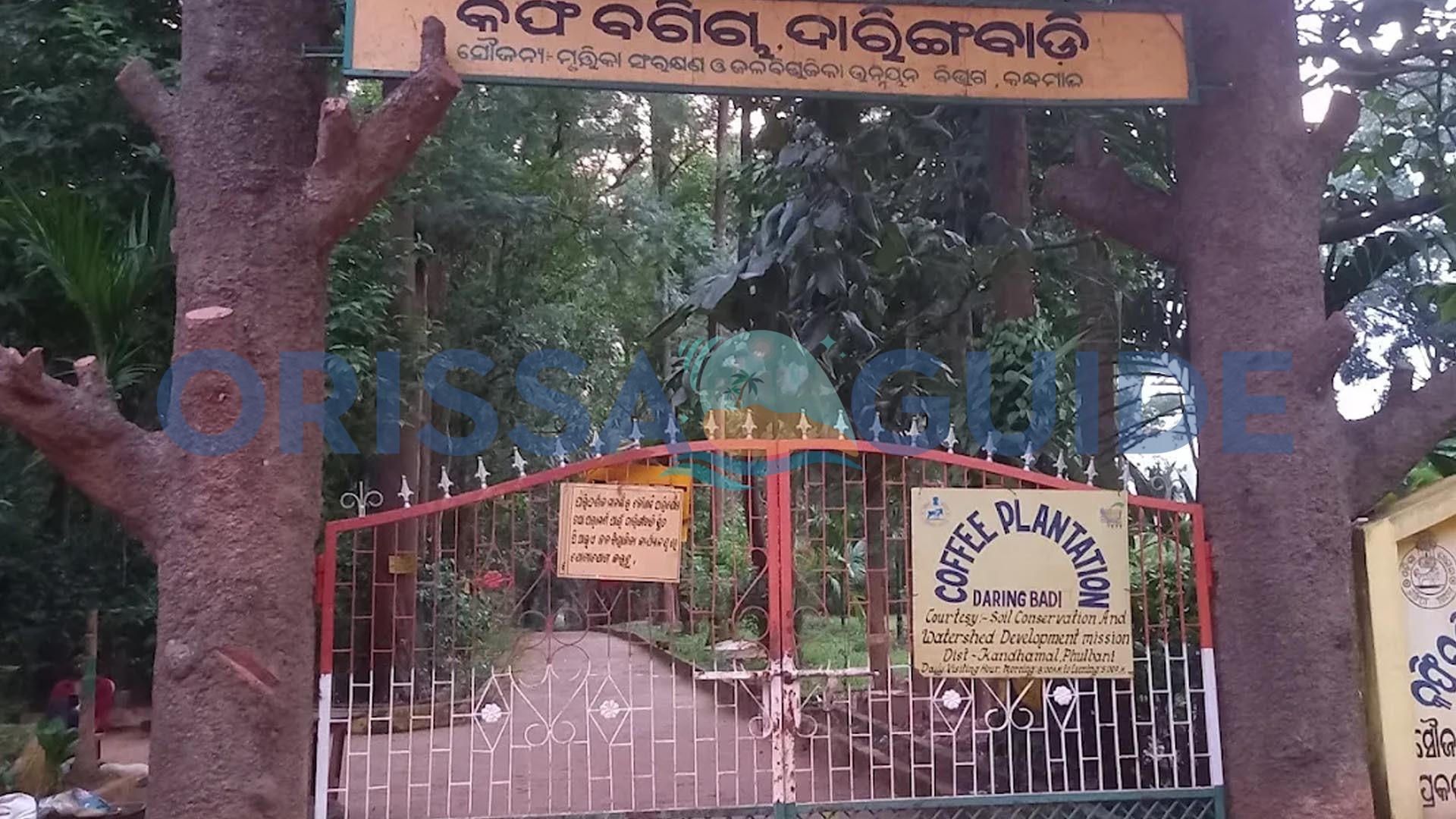
8:00 AM to 6:00 PM (Daily)
What to Carry
- Comfortable walking shoes
- Camera
- Reusable bag for local produce
- Light jacket for mornings
Staying in a homestay or eco-cottage enhances the experience and supports local livelihoods.
How to Reach Daringbadi Coffee Garden
Open Time
- Nearest Bus Stand: Daringbadi (1.2 km)
- Nearest Railway Station: Berhampur (124 km)
- Nearest Airport: Bhubaneswar (249 km)
Road travel from Berhampur or Phulbani offers scenic views of hills and forests.