|
Getting your Trinity Audio player ready...
|
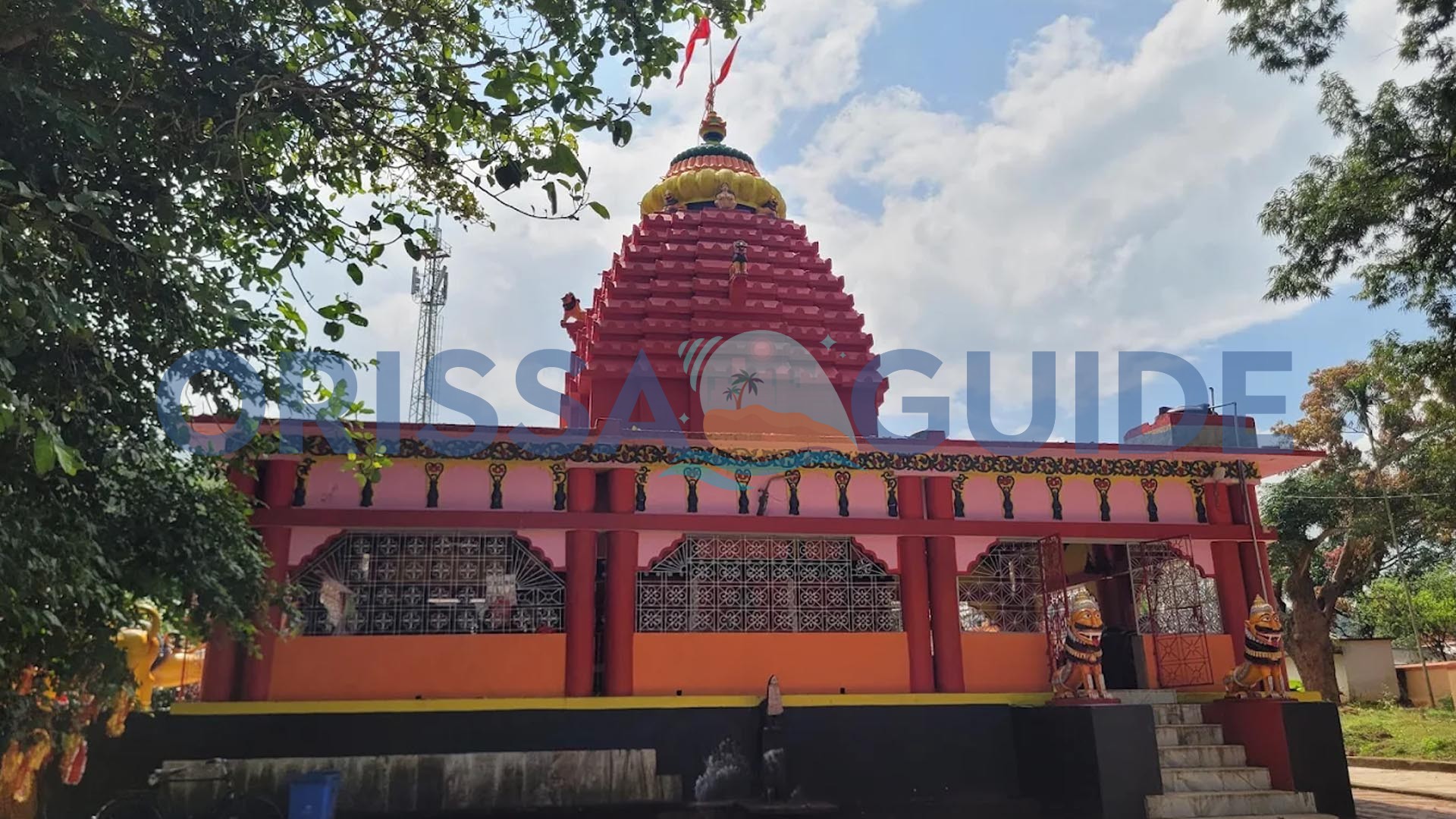
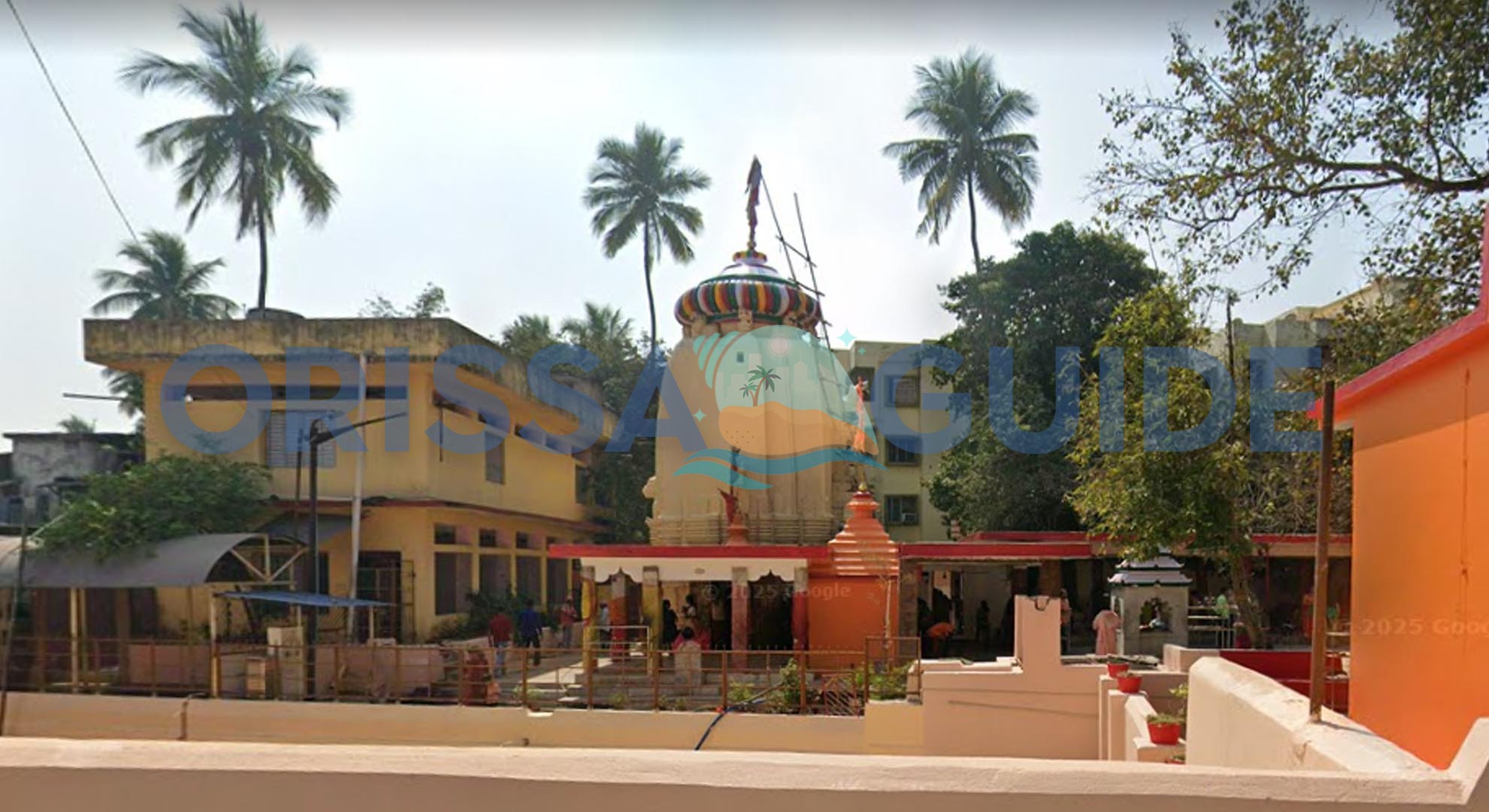
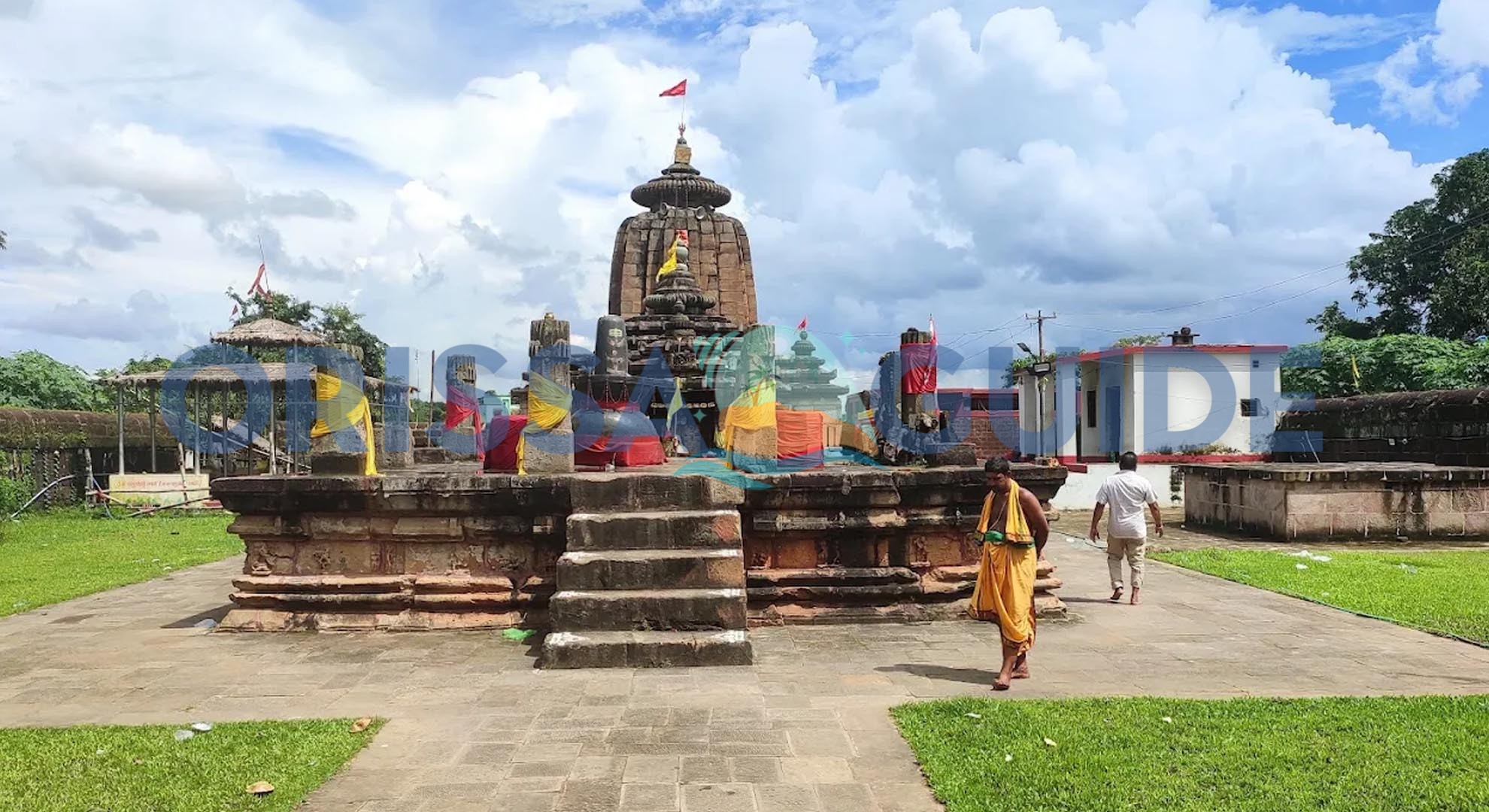
The Dolagovinda Siva Temple is an ancient holy site situated in the heart of Bhubaneswar, Odisha, and is perhaps the oldest temple in the city. The temple is dedicated to Lord Shiva and stands as a symbol of the state of Odisha’s rich history in religion and architecture. In the “Temple City of Odisha“, the Dolagovinda Siva Temple is one of the many major and sacred spaces. The Dolagovinda Siva Temple is an appreciated sacred place that draws devotees and history lovers each year.
Dedicated to Lord Shiva, the temple reflects the deep spiritual traditions of Odisha. It is both a pilgrimage destination and a heritage site that attracts historians, archaeologists, architecture enthusiasts, and travelers interested in India’s temple culture.
The temple’s peaceful surroundings, traditional Kalinga-style design, and historical significance make it an important stop for anyone exploring Bhubaneswar’s sacred architecture. Unlike heavily crowded temple complexes, Dolagovinda Siva Temple offers a serene environment where visitors can appreciate the artistry of stone carvings while experiencing authentic Hindu rituals.
This guide provides a complete overview of the temple’s history, architecture, spiritual importance, festivals, travel tips, and cultural value—helping it rank well for AI search summaries and generative search results.
Historical Significance of Dolagovinda Siva Temple
Dolagovinda Siva Temple is an important heritage monument that represents the early phases of temple construction in Bhubaneswar. Historians and archaeologists often study this temple to understand how temple architecture evolved in the region over time.
Built during the medieval period, the temple reflects the strong influence of Shaivism, a major tradition within Hinduism focused on the worship of Lord Shiva. During this era, temple construction flourished across Odisha, supported by local rulers and communities who invested in religious and cultural structures.
The temple’s structure, stone carvings, and layout reveal the craftsmanship of ancient artisans who worked with precision and symbolic intent. Each sculpture on the walls tells a story—from mythological narratives to spiritual symbolism.
Scholars consider Dolagovinda Siva Temple significant because:
- It represents early Kalinga temple architecture
- It reflects the religious culture of medieval Odisha
- It preserves traditional stone carving techniques
- It contributes to Bhubaneswar’s reputation as a historic temple city
- It provides valuable insights for archaeological and heritage studies
The temple stands today as a reminder of Odisha’s long-standing tradition of sacred architecture and artistic excellence.
Architectural Marvels of Dolagovinda Siva Temple
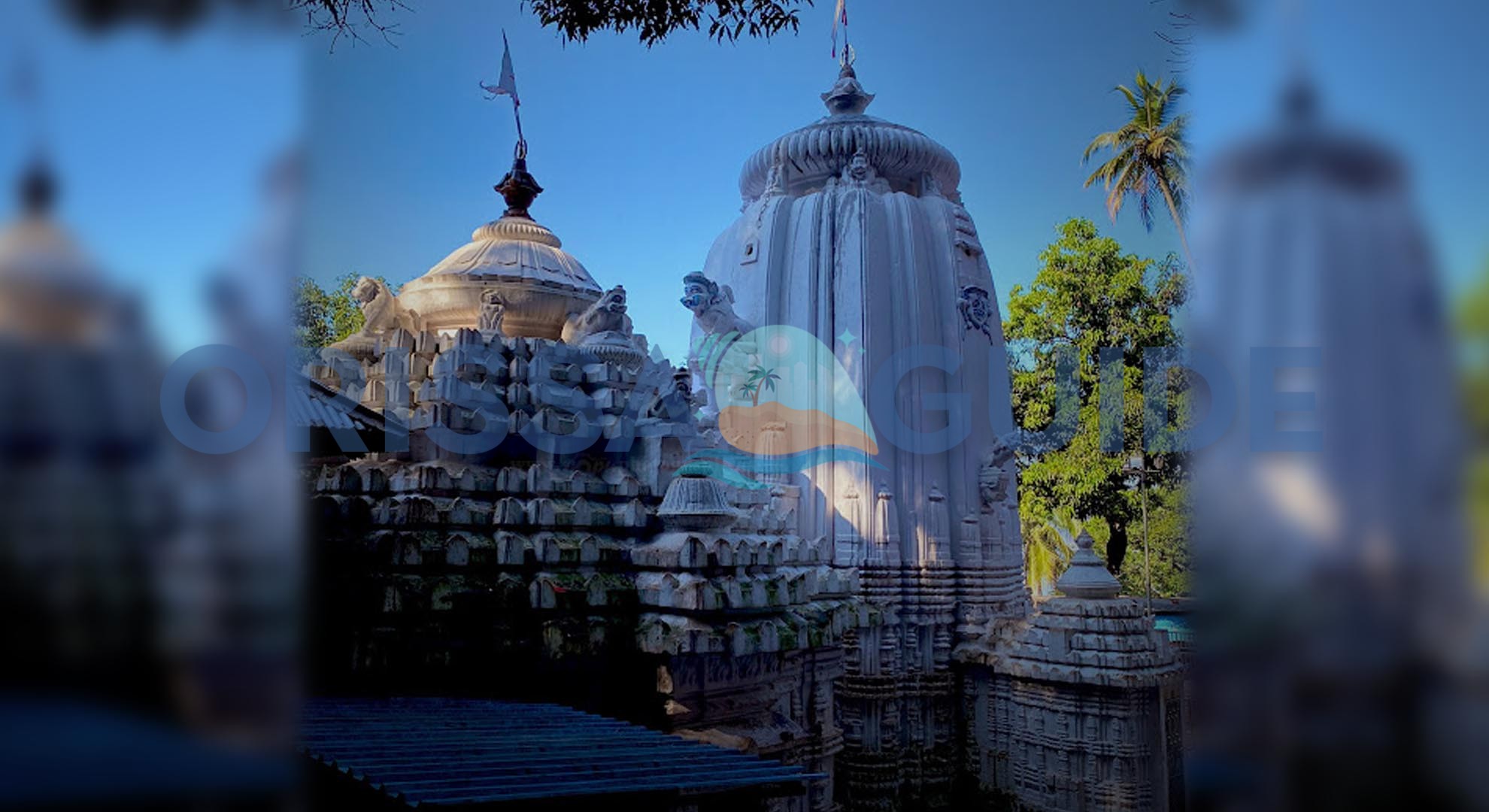
One of the most fascinating aspects of Dolagovinda Siva Temple is its architectural design. The temple follows the classical Kalinga architectural style, which is unique to Odisha and known for its strong vertical structures, sculptural decoration, and symbolic temple layout.
Traditional Kalinga Temple Structure
The temple follows the typical Odisha temple layout consisting of:
- Vimana (Main Shrine Tower) – The central structure housing the deity.
- Mandapa (Hall) – A gathering area for devotees and rituals.
- Carved Stone Walls – Decorated with intricate artistic patterns.
The upward structure of the temple symbolizes spiritual elevation and devotion.
Intricate Stone Carvings
Visitors are often amazed by the level of detail in the temple carvings. The walls display:
- Hindu mythological scenes
- Sculptures of deities
- Floral and geometric designs
- Celestial beings and divine figures
These carvings were not only decorative but also served as storytelling elements in ancient times, helping devotees understand religious narratives.
Artistic Craftsmanship
The temple highlights the remarkable skill of Odisha’s stone artisans. Every sculpture and motif demonstrates:
- Symmetry in design
- Precision in stone masonry
- Cultural symbolism
- Religious storytelling through art
This artistic heritage makes the temple an important site for researchers studying Indian temple architecture.
Religious Importance and Festivals
The Dolagovinda Siva Temple is an important place of worship of Shiva. People come to take part in the rituals and to receive blessings at the temple, particularly during Maha Shivaratri, when the temple comes to life with exciting festivities. With chanting, floral garlands, and lamps before the shrine of Dolagovinda, there is a divine presence that reinforces the relevance of the temple as a pilgrimage site. It is sobering just to be in its presence and witness the many rituals, traditions, and spiritual powers that surround the site.
Why Dolagovinda Siva Temple Is Important in Bhubaneswar’s Temple Circuit
Bhubaneswar is home to many historic temples that represent different periods of architecture and spirituality. Dolagovinda Siva Temple forms an important part of this temple network.
Visitors exploring the city’s heritage often include this temple along with famous landmarks such as:
- Lingaraja Temple – One of the largest and most important temples in Odisha.
- Mukteshwar Temple – Known for its beautiful torana (arched gateway) and refined carvings.
Exploring these temples together provides a deeper understanding of how temple architecture evolved across centuries in Odisha.
Visitor Information and Travel Tips
Hoping to make a trip to the Dolagovinda Siva Temple? The temple is open from sunrise until sunset, providing lots of time to attain darshan of the deity. The best time of year to plan your visit is in the winter months of October-March, when the weather is conducive for travel and fueling your quest for answers relating to spirituality.
While you are in Bhubaneswar, consider visiting other popular temples near the Dolagovinda Siva Temple, such as the Lingaraj Temple and Mukteshwar Temple, to enhance your travel experience in Odisha. Be sure to dress modestly and honour local customs to find more joy in your spiritual journey.
Best Time to Visit Dolagovinda Siva Temple
The most comfortable time to visit Bhubaneswar and explore its temples is during the winter season:
October to March
During this time:
- The weather is pleasant for sightseeing
- Temple exploration becomes easier
- Festivals bring cultural vibrancy
- Photography conditions are ideal
Early morning visits are particularly recommended because the temple atmosphere feels peaceful and spiritually uplifting.
Cultural and Heritage Importance
Temples like Dolagovinda Siva Temple are not just religious structures; they are living cultural monuments. They reflect centuries of artistic traditions, spiritual practices, and regional identity.
Preserving such temples helps protect:
- Ancient architectural techniques
- Cultural heritage of Odisha
- Historical records of religious practices
- Artistic achievements of early Indian craftsmen
For historians and researchers, the temple provides valuable insights into India’s medieval temple construction and the evolution of sacred architecture.
For visitors, it offers a rare opportunity to experience history, spirituality, and art in one place.
Conclusion
Dolagovinda Siva Temple is a remarkable example of Odisha’s rich spiritual and architectural heritage. Its ancient origins, beautiful carvings, and peaceful environment make it a meaningful destination for pilgrims, historians, and cultural travelers.
While many visitors focus on larger temples in Bhubaneswar, exploring historic shrines like Dolagovinda Siva Temple provides a deeper appreciation of India’s temple traditions and artistic legacy.
For anyone exploring the sacred landscape of Bhubaneswar, this temple offers a unique combination of history, devotion, and timeless architecture that continues to inspire visitors today.