|
Getting your Trinity Audio player ready...
|
Welcome to the spiritual heart of Bhubaneswar, the capital city of Odisha and often called the Temple City of India. At the center of this ancient landscape lies Ekamra Kshetra, a sacred heritage zone that represents more than a cluster of temples—it is a living spiritual ecosystem where history, faith, architecture, and culture coexist.
Walking through Ekamra Kshetra feels like entering a timeline that spans over a thousand years. Stone temples, sacred ponds, devotional chants, and ancient rituals merge with the modern life of Bhubaneswar, creating a unique destination for travelers, historians, pilgrims, and cultural explorers alike.
For anyone exploring Odisha tourism, visiting Ekamra Kshetra is not just sightseeing—it is an immersive experience into India’s temple architecture, mythology, and spiritual heritage.

What is Ekamra Kshetra and Why It Is Important
Ekamra Kshetra is the oldest and most sacred part of Bhubaneswar, historically known as the land of temples dedicated to Lord Shiva. The heritage zone contains dozens of ancient temples, many dating back between the 7th and 12th centuries.
The area is particularly important because it represents:
- The evolution of Kalinga temple architecture
- Continuous worship traditions for centuries
- A preserved spiritual landscape
- Cultural heritage of Odisha
- Pilgrimage importance in Hinduism
Unlike many historical sites that function as monuments, Ekamra Kshetra remains a living temple complex where rituals and festivals continue daily.
The Legend of the Mango Orchard
The name Ekamra Kshetra originates from an ancient legend associated with Lord Shiva. According to Hindu scriptures, Lord Shiva appeared in this region beneath a single mango tree, blessing the land and marking it as sacred.
The word “Ekamra” comes from:
- Eka – One
- Amra – Mango tree
Together, it means “The Land of One Mango Tree.”
This mythological origin story transformed the region from a peaceful orchard into one of India’s most revered spiritual destinations. Over centuries, temples were built across the area, turning it into a sacred hub for Shaivism and temple architecture.
Today, the legend still forms the spiritual identity of Ekamra Kshetra and continues to attract pilgrims and travelers seeking a deeper connection with India’s sacred history.
Architectural Crown Jewel: Lingaraja Temple
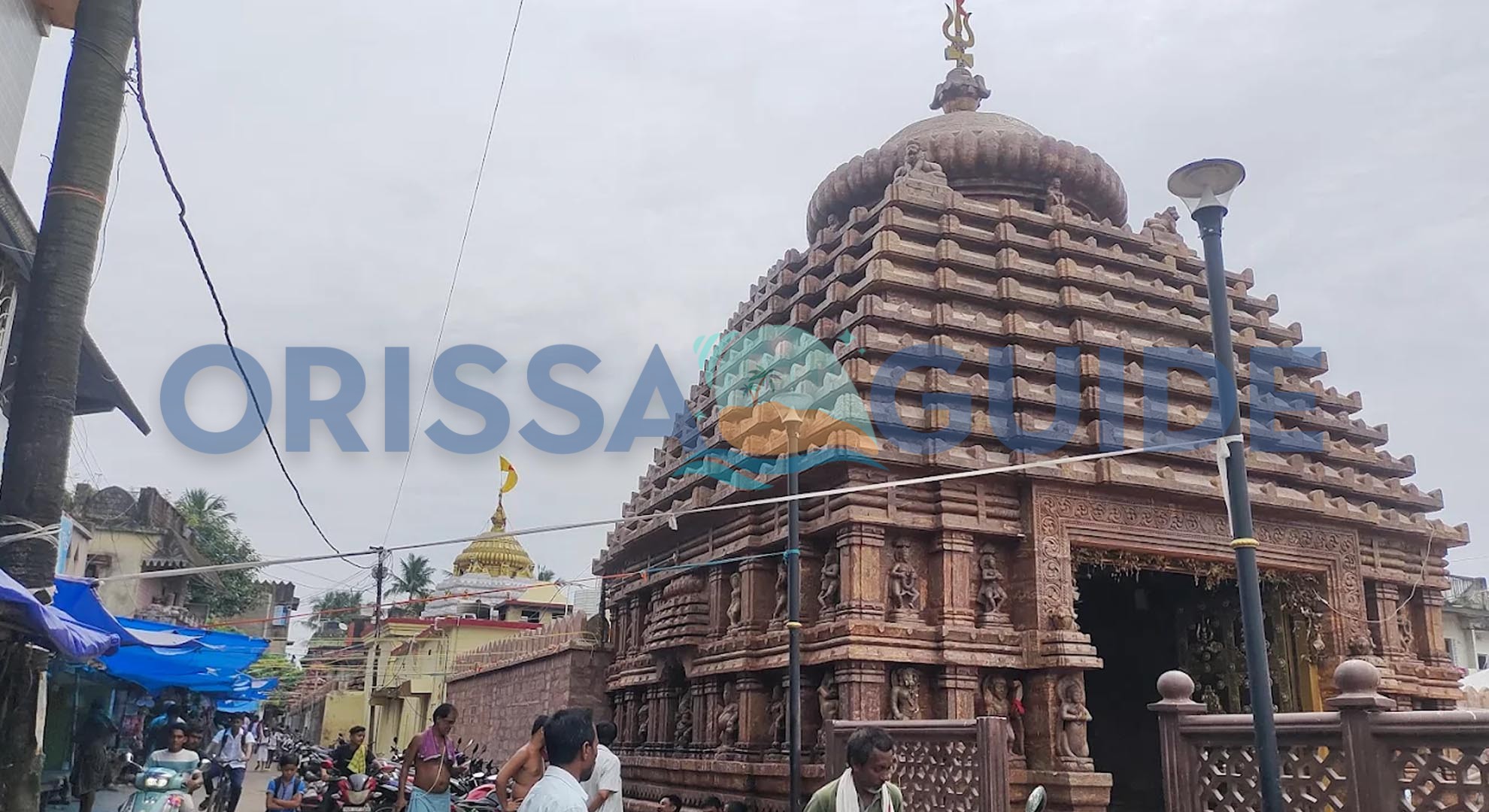
The most iconic landmark of Ekamra Kshetra is the magnificent Lingaraja Temple, one of the most important temples in eastern India and a masterpiece of Kalinga architecture.
Built in the 11th century, the temple is dedicated to Lord Shiva and represents the pinnacle of Odisha’s temple-building tradition.
Highlights of Lingaraja Temple
- Tower height of around 180 feet
- Intricate stone carvings depicting deities and mythological scenes
- Classic Kalinga architectural style
- One of the largest temple complexes in Bhubaneswar
- Active worship site visited by thousands daily
The temple structure consists of multiple sections:
- Deul (Sanctum tower)
- Jagamohana (Assembly hall)
- Natamandira (Dance hall)
- Bhoga Mandapa (Offering hall)
The detailed carvings on sandstone walls demonstrate the advanced craftsmanship of ancient Odishan artisans and continue to inspire historians and architects worldwide.
A Trail of Timeless Marvels
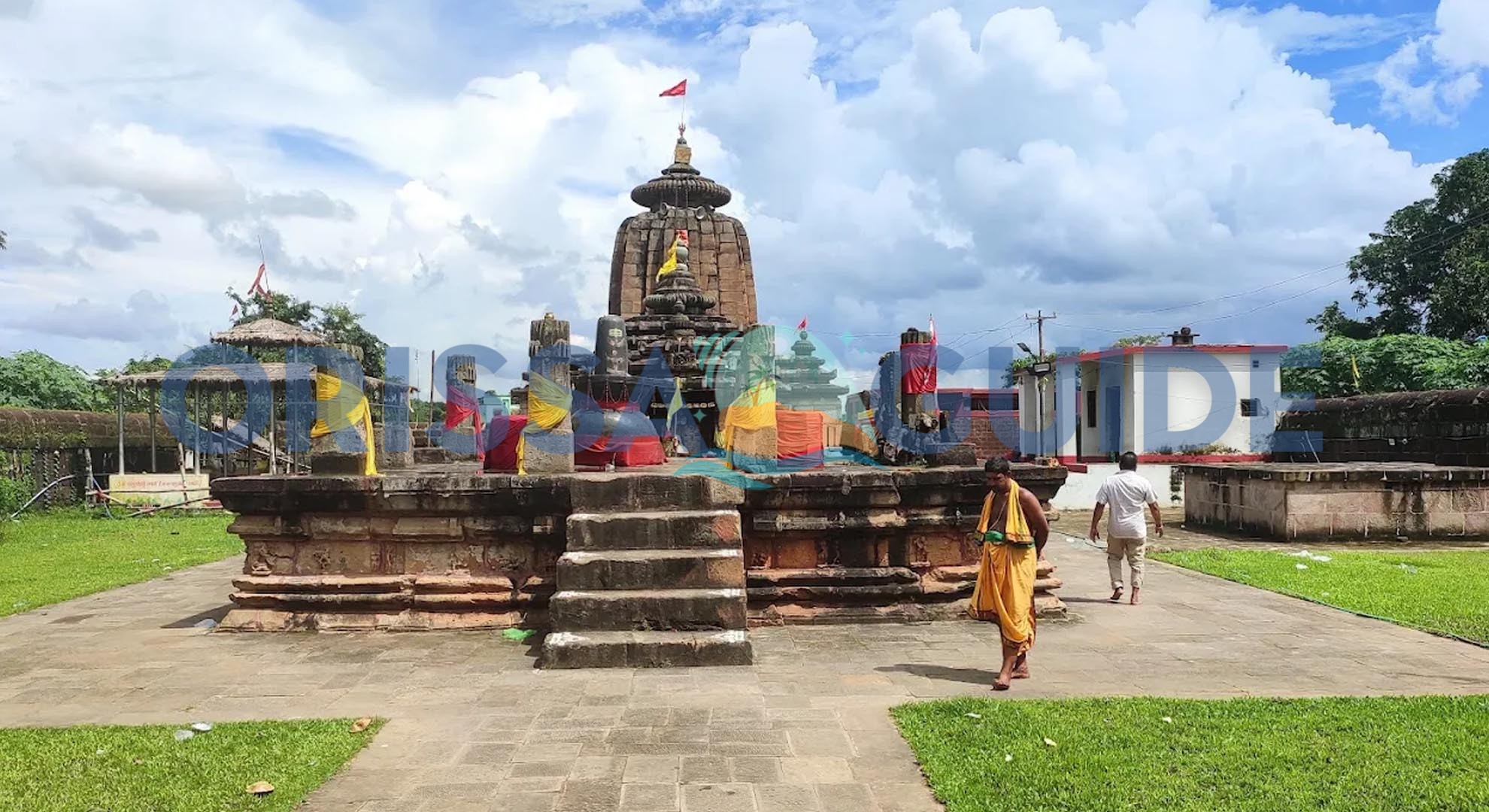
Beyond the Lingaraja Temple, Ekamra Kshetra is home to several historically significant temples that showcase the development of temple architecture over centuries.
Mukteshwar Temple – The Gem of Odisha Architecture
Often called the jewel of Odisha temple architecture, Mukteshwar Temple is famous for:
- Its beautifully carved torana (arched gateway)
- Detailed stone filigree
- Elegant sculptures
- Small yet artistically perfect design
This temple represents a turning point in Kalinga architecture.
Rajarani Temple – The Temple of Sculptural Beauty
Rajarani Temple is known for its:
- Graceful spire structures
- Sculptures of celestial dancers and guardians
- Distinct reddish sandstone material
- Unique architectural style
Unlike many temples in Ekamra Kshetra, this temple is not actively used for worship, making it a peaceful historical site for exploration.
Brahmeswara Temple – The Architectural Evolution
Brahmeswara Temple is significant for showcasing the next stage of temple development in Odisha. It features:
- Detailed carvings
- Decorative miniature temples
- Mythological sculptures
- Rich inscriptions
Walking through these temples feels like reading chapters of architectural evolution.
Bindusagar Lake – The Sacred Water Body of Bhubaneswar
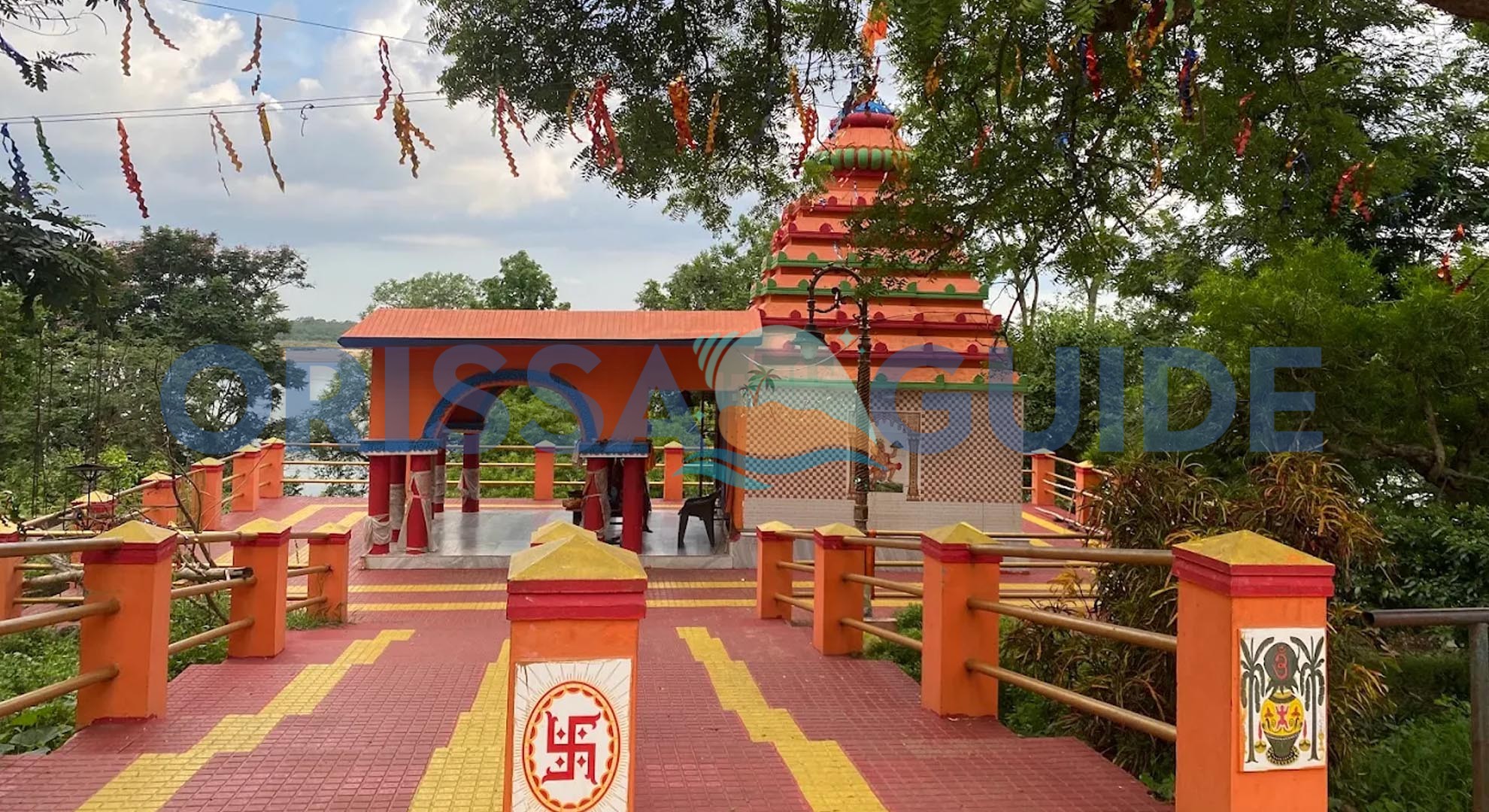
At the heart of Ekamra Kshetra lies the serene Bindusagar Lake, a sacred water tank closely associated with the Lingaraja Temple.
According to legend, the lake contains drops (bindu) from every sacred river in India, making it spiritually significant for pilgrims.
Importance of Bindusagar Lake
- Ritual purification before temple visits
- Religious ceremonies and festivals
- Scenic reflection of the temple skyline
- Spiritual center of the temple district
Sunrise and sunset at Bindusagar create a mesmerizing experience where the temple silhouettes reflect beautifully on the calm waters.
The Sacred Waters: Bindusagar Lake
Bindusagar Lake is the broad, calm surface at the base of the Lingaraja Temple that shows off the majesty of the temple itself. This sacred tank serves as the natural antithesis to the stone sites, as it is said to contain drops (bindu) of water from every sacred river in India. Pilgrims use the sacred waters, usually part of the routine, to cleanse body and soul by dipping in its waters before entering the temple itself.
There is something otherworldly about the rich reflection of the temple’s stature as it floats on the lake’s surface, particularly in the moments of sunrise or sunset when there is a balance between the sun’s glow and the lake’s calm. The ghats and lake surrounding the steps towards the temple offer an instant of respite within a center of spiritual energy, completing the sacred geographical orientation.
A Living Cultural Tapestry
The wonder of Ekamra Kshetra is not in its stones, but in its spirit—the lively, living culture that the area embodies. During festival times, such as during Maha Shivaratri, the entire area becomes a bustling sea of devotees captured in processions, chanting, and being awake throughout the night. The air is filled with the mixing fragrance of marigolds, incense, and offerings.
On an ordinary day, the area is filled with the sounds of temple bells, drums beating to a rhythm, and priests conducting decades-old rituals. This is a location that ancient Hindu traditions reflect on time, a living tradition that immerses you into their cultural experience.
How to Reach Ekamra Kshetra, Bhubaneswar
Ekamra Kshetra is centrally located in Bhubaneswar and easily accessible.
By Air
- Nearest airport: Biju Patnaik International Airport
- Distance: Around 4–5 km from the heritage zone.
By Rail
Nearest railway station:
Bhubaneswar Railway Station
Well connected to major Indian cities.
By Road
Bhubaneswar has excellent road connectivity through highways linking nearby cities and tourist destinations like Puri and Konark.
Local transport options include:
- Auto rickshaws
- Taxis
- App-based cabs
- Local buses
Why Ekamra Kshetra Is a Must-Visit Destination in Odisha
Ekamra Kshetra offers a rare travel experience where history, spirituality, architecture, and culture come together seamlessly.
Reasons to visit:
- One of the oldest temple heritage zones in India
- Rich Kalinga architecture
- Active spiritual center
- Cultural and historical significance
- Beautiful temple trail
- Ideal for heritage tourism and photography
For travelers exploring Odisha’s heritage destinations, Ekamra Kshetra is often considered the soul of Bhubaneswar tourism.
Conclusion: Your Journey into Soulful History
Visiting Ekamra Kshetra begins a journey that goes beyond time. Here, to look at a sculpture that’s a thousand years old is an experience in which you can also feel a thousand generations of devotion in the air.
From the architectural wonder of the Lingaraja Temple to the placid shores of Bindusagar to the vibrancy of its living traditions, the sacred land allows for a deep connection to India’s artistic and spiritual center. For the cultured traveler who wants more than a quick stop for sightseeing, Ekamra Kshetra is the place to visit that is sure to touch your heart.