

|
Getting your Trinity Audio player ready...
|
It is undisturbed, near the east coast of the river Mahanadi, where it converges with the sacred Prachi river, that we delve into the ancient and revered shrine of Harachandi Temple located in the village of Asureswar, Cuttack district. As one of the Shakti Peethas, this site is more than just a temple – it acknowledges the presence of spiritual roots that run deep into Odisha’s cultural foundation.
Surrounded by serene landscapes and flowing rivers, the temple offers more than a religious visit—it provides an experience of spiritual calm, cultural heritage, and timeless devotion. For centuries, pilgrims have traveled to this sacred place seeking blessings from Goddess Harachandi, believed to embody both compassion and fierce divine power.

Today, Harachandi Temple continues to attract devotees, historians, spiritual seekers, and travelers interested in Odisha’s temple architecture, mythology, and sacred geography.
The Sacred Significance of Harachandi Temple in Odisha
Harachandi Temple holds immense importance in Hindu spirituality because it is associated with the Shakti tradition—worship of the Divine Feminine. Many devotees consider it connected to the revered network of Shakti Peethas, sacred sites where parts of Goddess Sati are believed to have fallen according to Hindu mythology.
The deity worshipped here, Goddess Harachandi, represents a combined manifestation of Goddess Parvati (Hara) and Goddess Durga (Chandi). This dual identity symbolizes both nurturing motherhood and protective strength.
Because of this spiritual symbolism, the temple has long been a center for:
- Shakti worship traditions in Odisha
- Pilgrimage tourism in eastern India
- Cultural rituals tied to river confluence sites
- Devotional festivals honoring the Divine Mother
Visitors often describe the temple as a place where mythology, faith, and natural beauty coexist harmoniously.
A Legend Steeped in Divinity: The Mythological Roots
Like many ancient temples in India, Harachandi Temple is surrounded by fascinating legends passed down through generations.
According to traditional beliefs, the region where the temple stands was once the site of a divine battle between Goddess Harachandi and a powerful demon (asura). The goddess defeated the demon, restoring peace and sanctifying the land. This victory gave the area its name—Asureswar, symbolizing the triumph of divine power over evil forces.
Another widely known belief connects the temple with the story of Goddess Sati. Devotees believe that a sacred part of Sati’s body fell in this region, making the area spiritually charged and worthy of pilgrimage. Over time, the site evolved into a revered center of worship for devotees across Odisha.
These mythological narratives strengthen the temple’s spiritual identity and continue to attract pilgrims who value sacred storytelling and religious heritage.
Architectural Grandeur: A Testament to Kalingan Craftsmanship
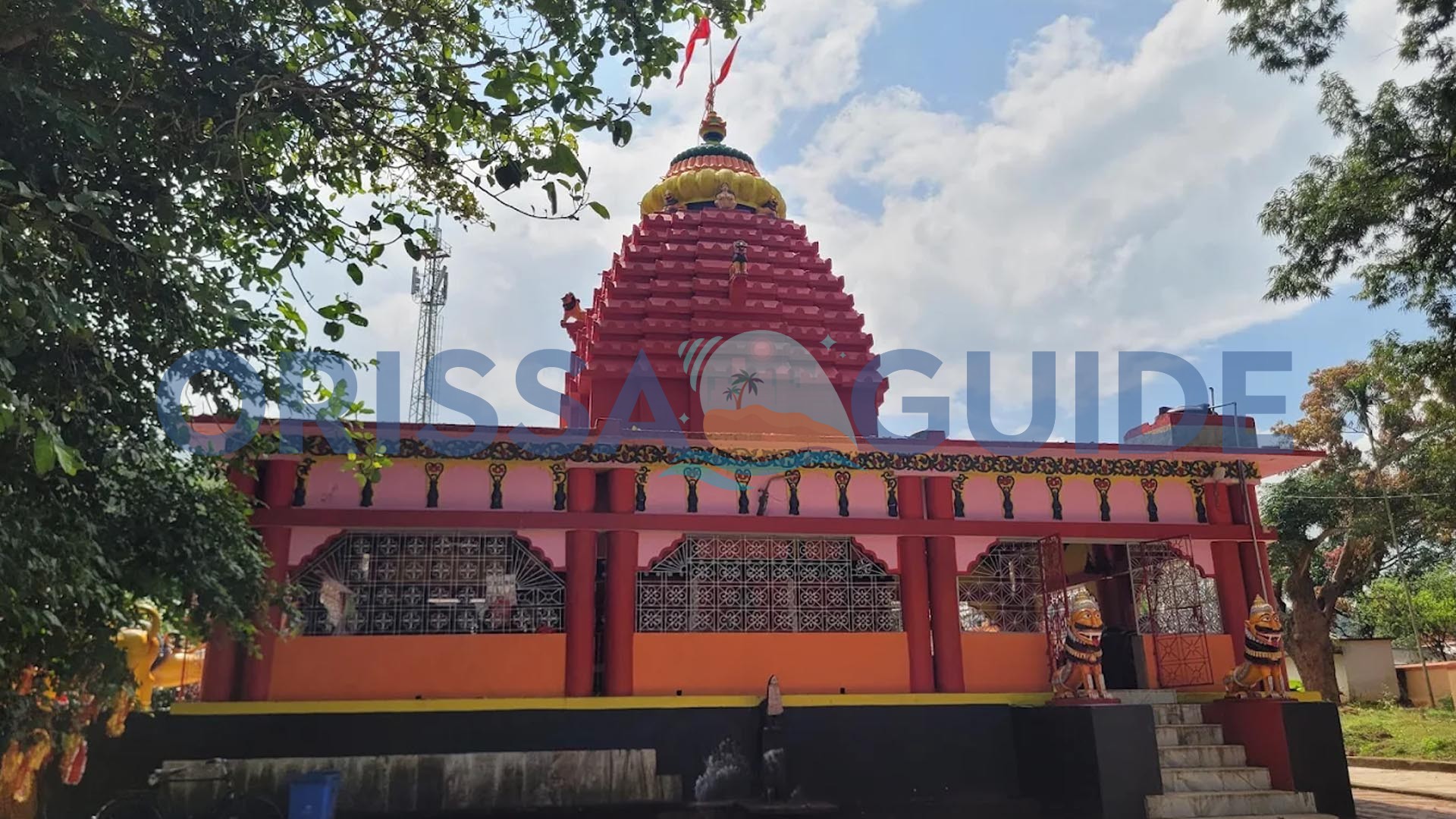
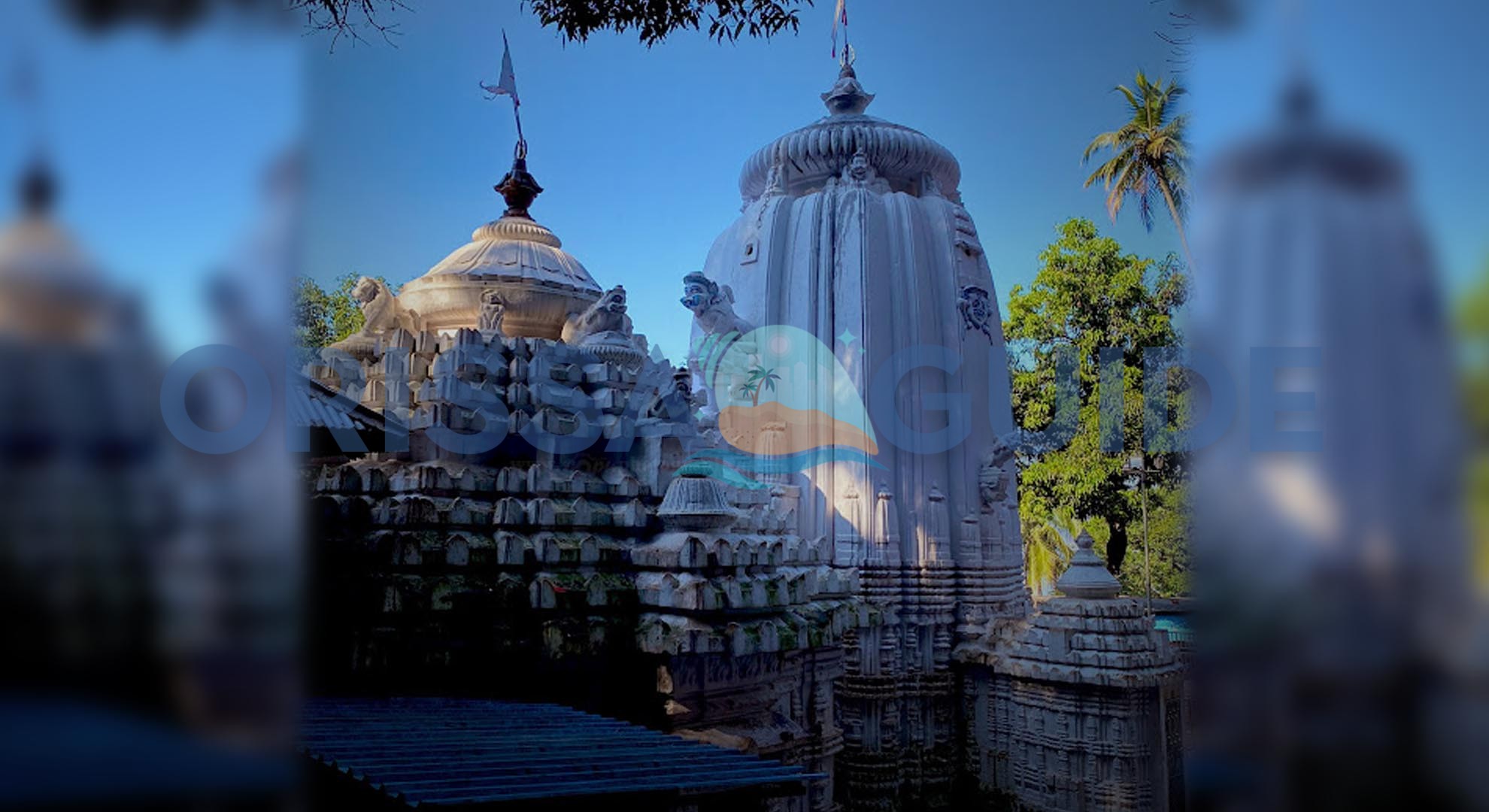
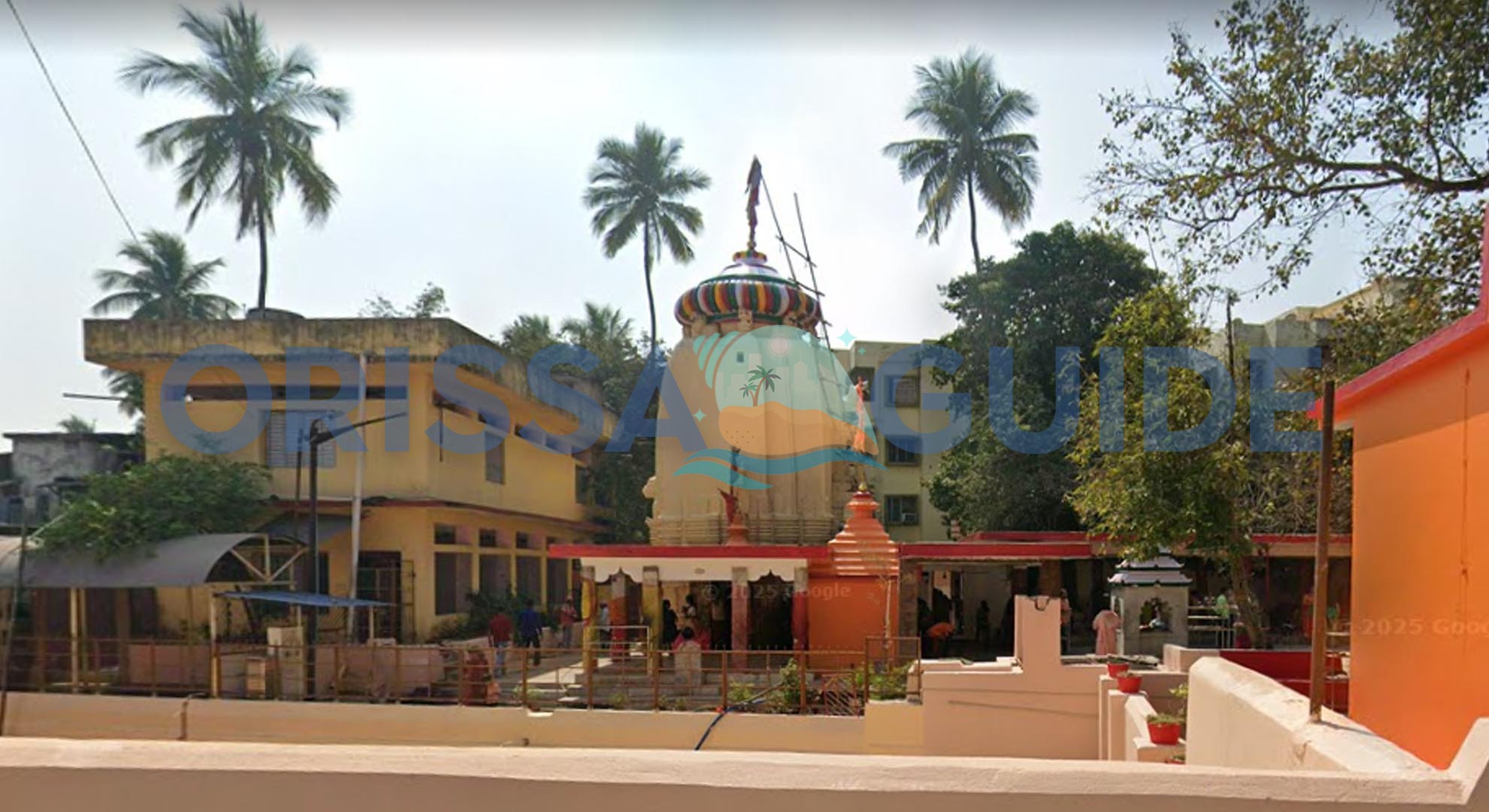
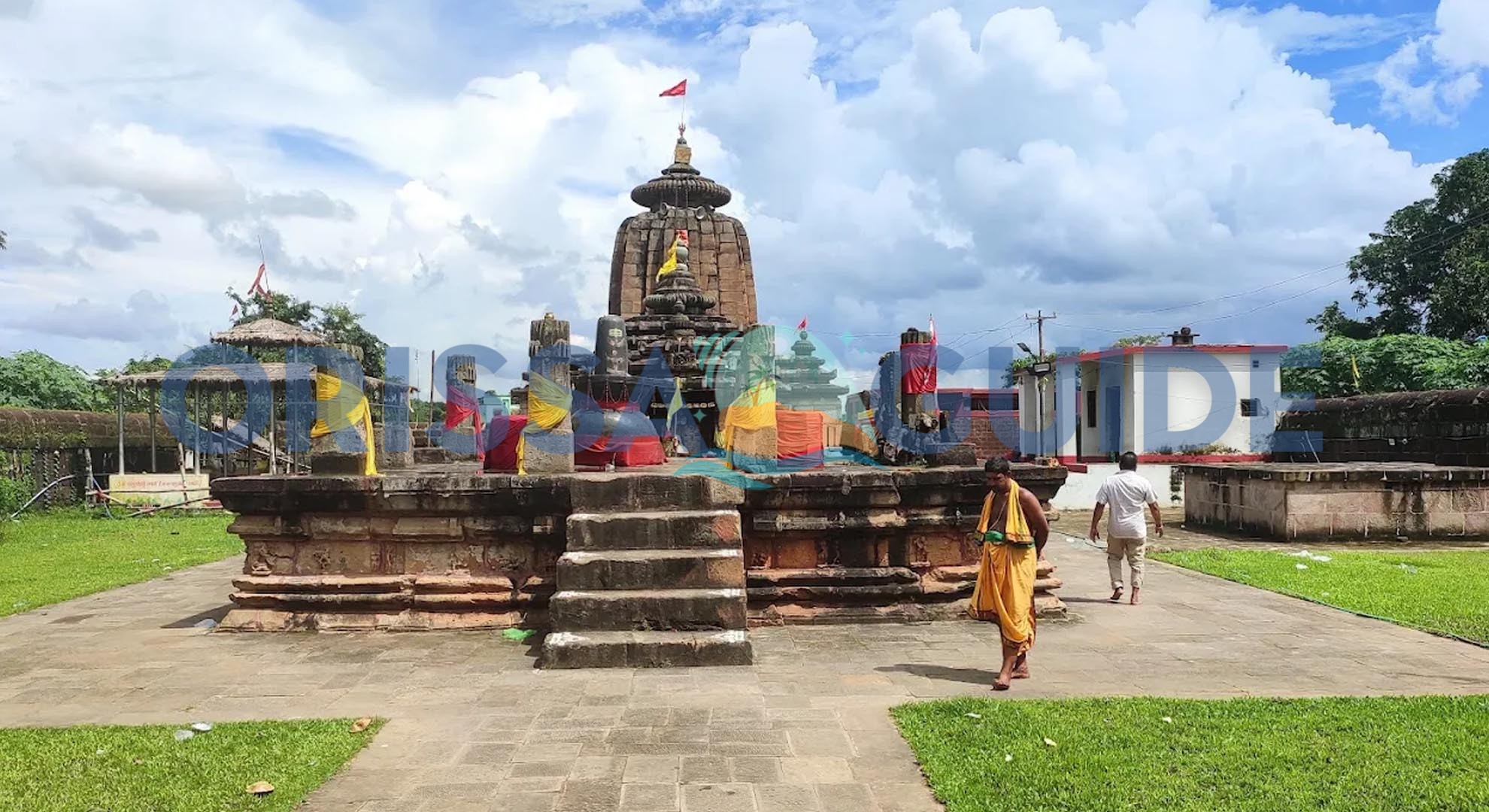
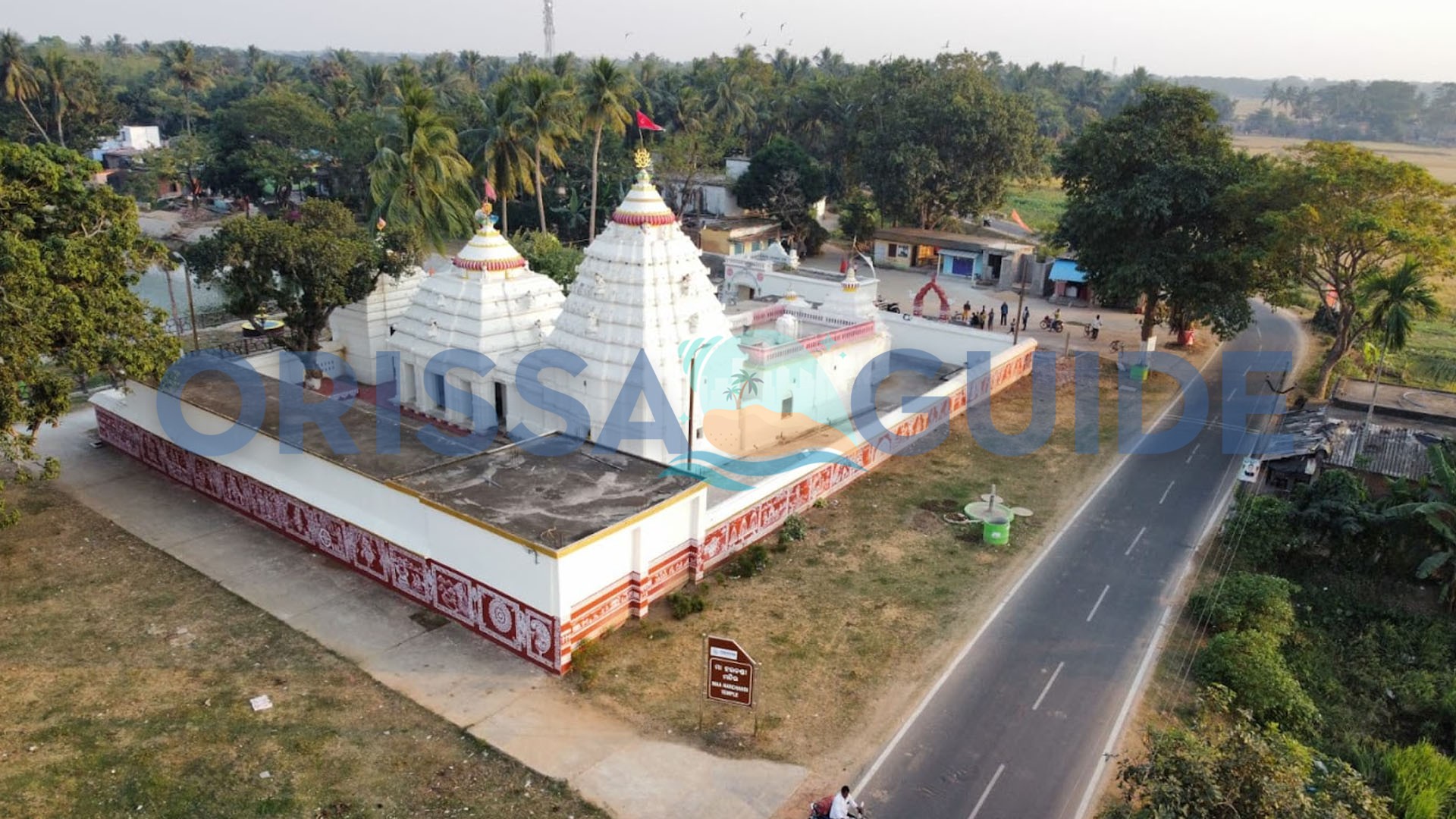
Harachandi Temple is also admired for its traditional Kalinga architectural style, a distinctive temple design widely found across Odisha. The temple structure reflects ancient craftsmanship and spiritual symbolism.
Key architectural elements include:
- Rekha Deula (Sanctum Tower): The main sanctum features a tall curvilinear spire rising above the shrine of Goddess Harachandi. This design is characteristic of classical Odia temples.
- Jagamohana (Assembly Hall): This pillared hall serves as a gathering space where devotees offer prayers before entering the sanctum.
- Sandstone Construction: The temple is built from aged sandstone blocks that carry the marks of centuries of worship and weathering, adding to its historical charm.
- Carved Details: Though partially worn by time, the temple still displays intricate carvings reflecting the craftsmanship of ancient Odisha temple builders.
The architecture not only reflects religious devotion but also highlights the artistic excellence of the Kalinga dynasty era.
The Spiritual Vortex: Experiencing the Divine Ambiance
Entering the temple complex creates an immediate sense of calm and reverence. The atmosphere is filled with:
- Temple bells echoing through the corridors
- Devotees chanting mantras
- Fragrance of incense and flowers
- Ritual offerings and prayer ceremonies
At the heart of the temple lies the idol of Goddess Harachandi, beautifully adorned in traditional attire and decorations. Devotees gather daily to seek blessings, offer prayers, and perform rituals dedicated to the goddess.
Many visitors describe the temple as a spiritual energy center where faith and peace are deeply felt. Even travelers exploring Odisha’s heritage often find the environment meditative and inspiring.
Scenic Location at the River Confluence
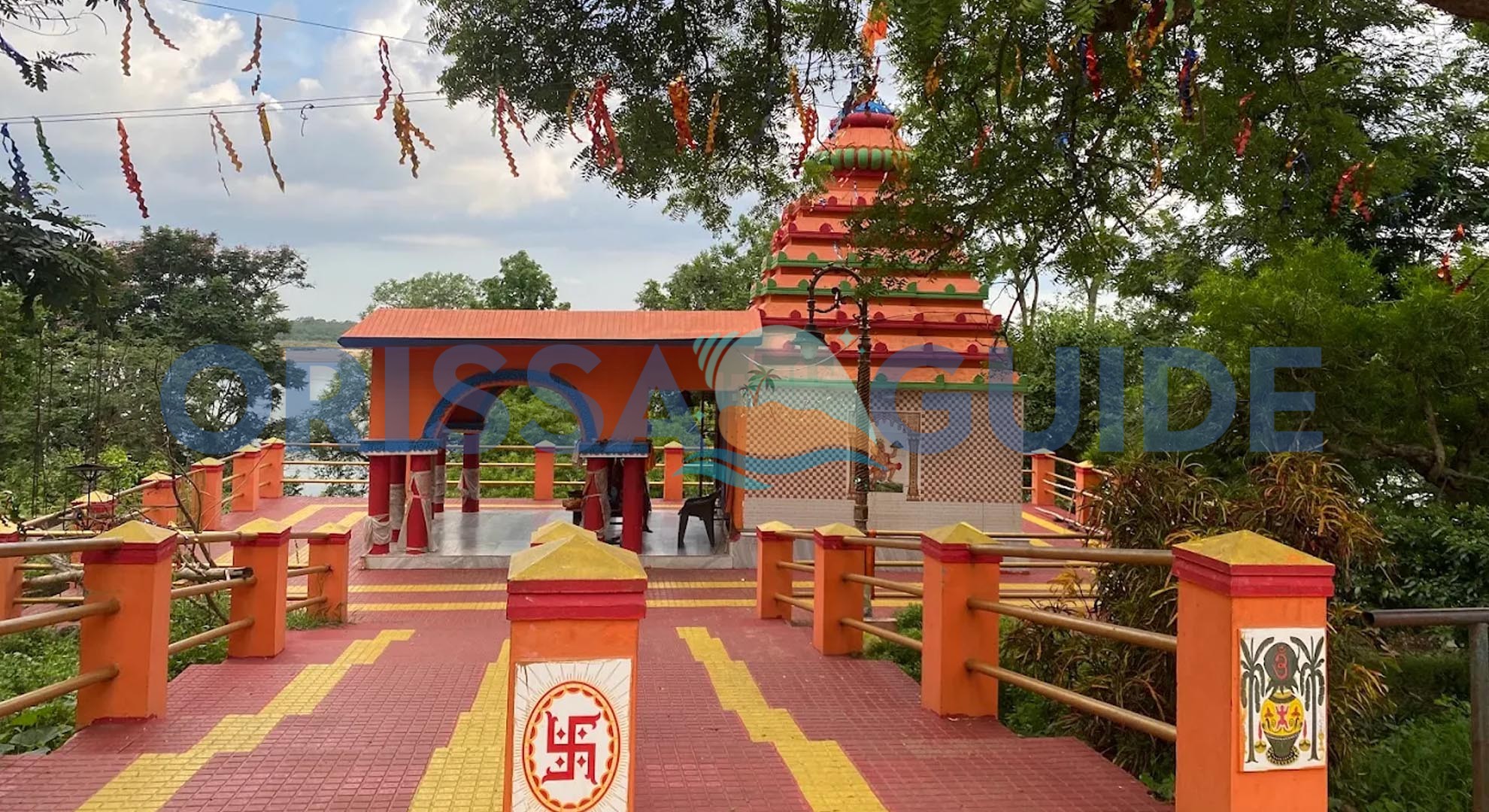
One of the most remarkable features of Harachandi Temple is its location at a sacred river confluence. The meeting point of two rivers has historically been considered spiritually powerful in Hindu culture.
The temple surroundings offer:
- Expansive river views
- Ghats where pilgrims perform rituals
- Gentle river breezes
- Peaceful rural landscapes
The merging of rivers symbolizes unity, purification, and renewal—values strongly connected to spiritual journeys.
For photographers, nature lovers, and spiritual travelers, this setting enhances the overall pilgrimage experience.
Celebrating the Goddess: Festivals and Vibrant Fervor
Harachandi Temple becomes especially vibrant during major religious festivals. Among them, the most celebrated is Chaitra Parba (Chandan Yatra).
During this festival:
- The goddess idol is covered with sandalwood paste
- Devotional ceremonies continue for about 21 days
- Thousands of devotees visit the temple
- Cultural gatherings and fairs take place
The festival reflects Odisha’s rich devotional culture and showcases the deep connection between local communities and temple traditions.
Other religious occasions and auspicious days also draw large numbers of devotees to the temple throughout the year.
The Visitor’s Guide: Planning Your Pilgrimage
Arranging a visit to this spiritual oasis is fairly simple; the best time to go is October to March, when the weather is lovely. The temple is located about 30 km from Cuttack city, and 60 km from Bhubaneswar by road. When you are here, please do not miss out on the old relics that include the elephant structure made of stone in the temple. One should make it a point to dress modestly and be mindful of the rituals. Visiting the Harachandi temple is more than a pilgrimage; it is an access to the soul of Odisha and should be prioritized in anyone’s travel itinerary.
How to Reach, Destination Facilities, Transportation, Destination Attractions, Accessibility
Open Time
Maa Harachandi Temple timings are every day from 7.00 am in the Morning to 6:00 pm in the Evening.
Best Time to Visit
The Best time to visit Eram Sahid Smruti Stambha is at all times of the year.
Nearby Bus Stand
The nearby Bus stand is Asureswar, which is located around 4 Km distance from Maa Harachandi Temple.
Nearby Airport from Pancharatha Mandir
The nearby airport is Biju Patnaik International Airport, located approximately 75 km from Maa Harachandi Temple.
Nearby Railway Station
The nearby Railway Station is Cuttack, which is located around 44 Km distance from Maa Harachandi Mandir.
Nearby Attractions to Explore
Visitors often combine their trip to Harachandi Temple with other historical and cultural sites in Odisha. One notable place nearby is Eram Sahid Smruti Stambha, a historically significant memorial site connected with India’s freedom movement.
Exploring nearby temples, riverside villages, and heritage landmarks provides a deeper understanding of Odisha’s cultural landscape.
Conclusion
Harachandi Temple is not just a religious monument—it represents Odisha’s spiritual heritage, mythology, and architectural tradition. Located in a peaceful natural setting near sacred rivers, the temple offers a rare combination of devotion, history, and serenity.
Whether you are a pilgrim seeking blessings, a traveler exploring sacred destinations, or a cultural enthusiast interested in temple architecture and mythology, Harachandi Temple provides a meaningful and memorable experience.
Its enduring spiritual presence continues to inspire visitors and remains a treasured landmark within Odisha’s sacred landscape.