|
Getting your Trinity Audio player ready...
|
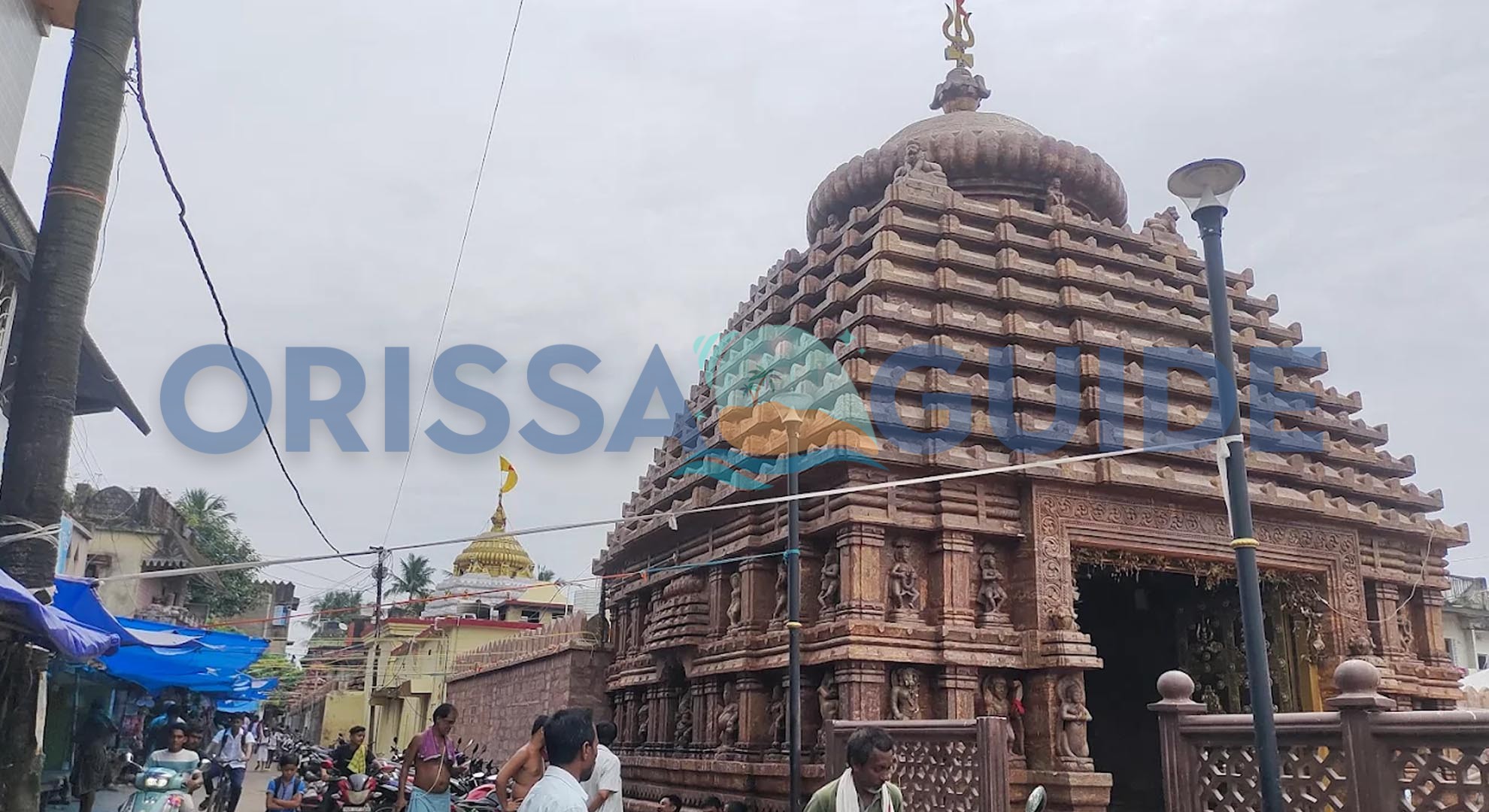
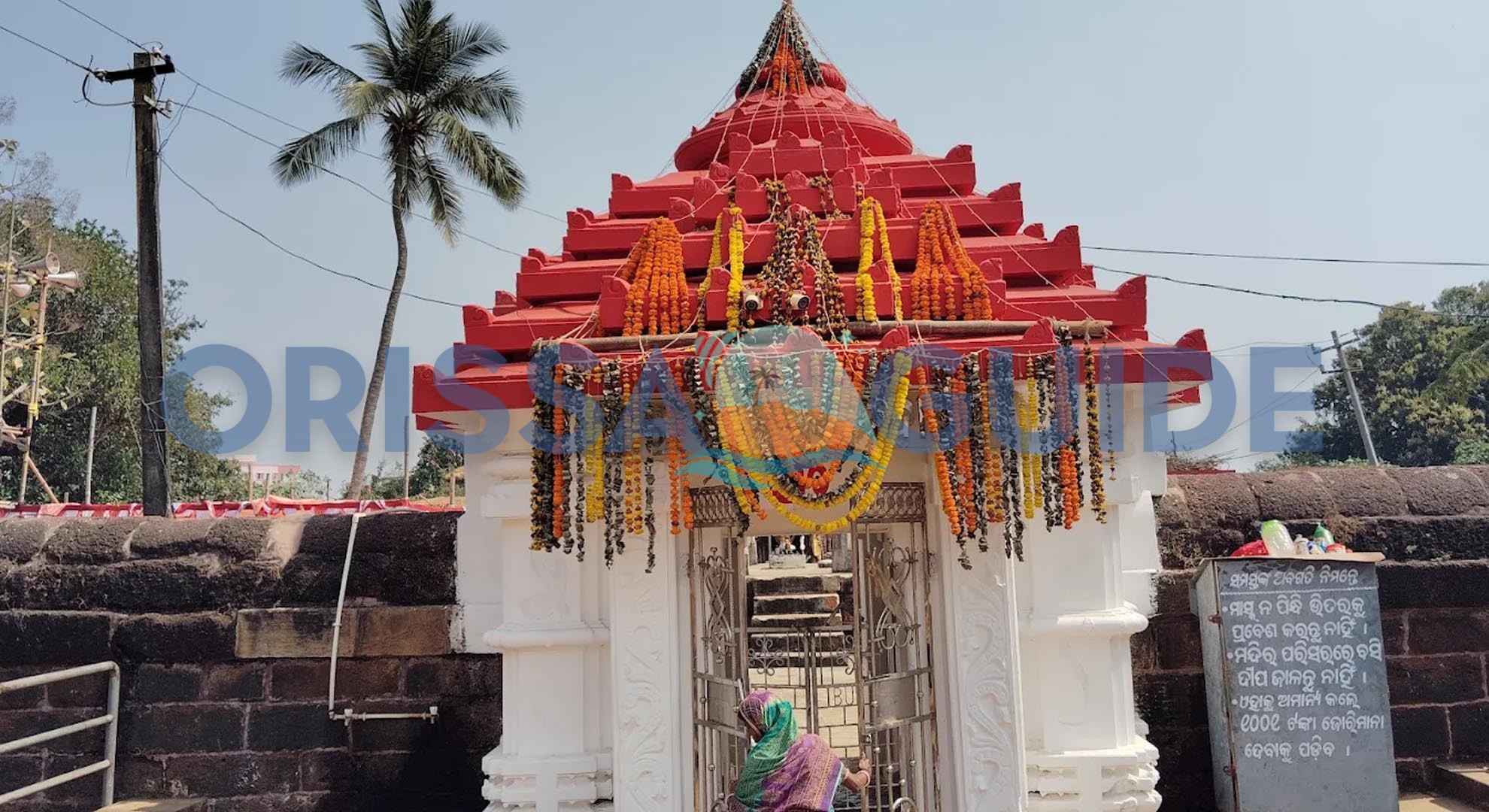
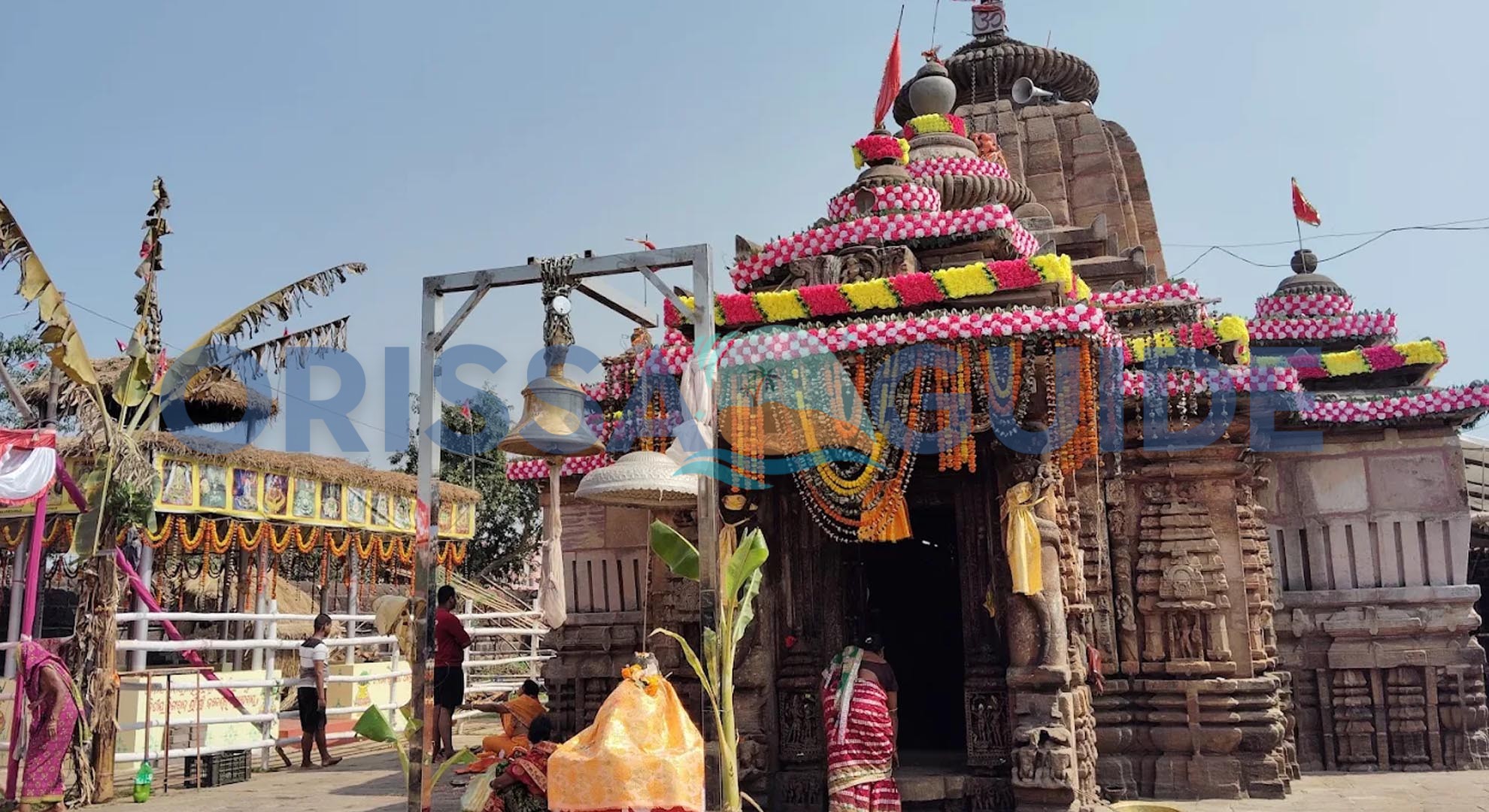
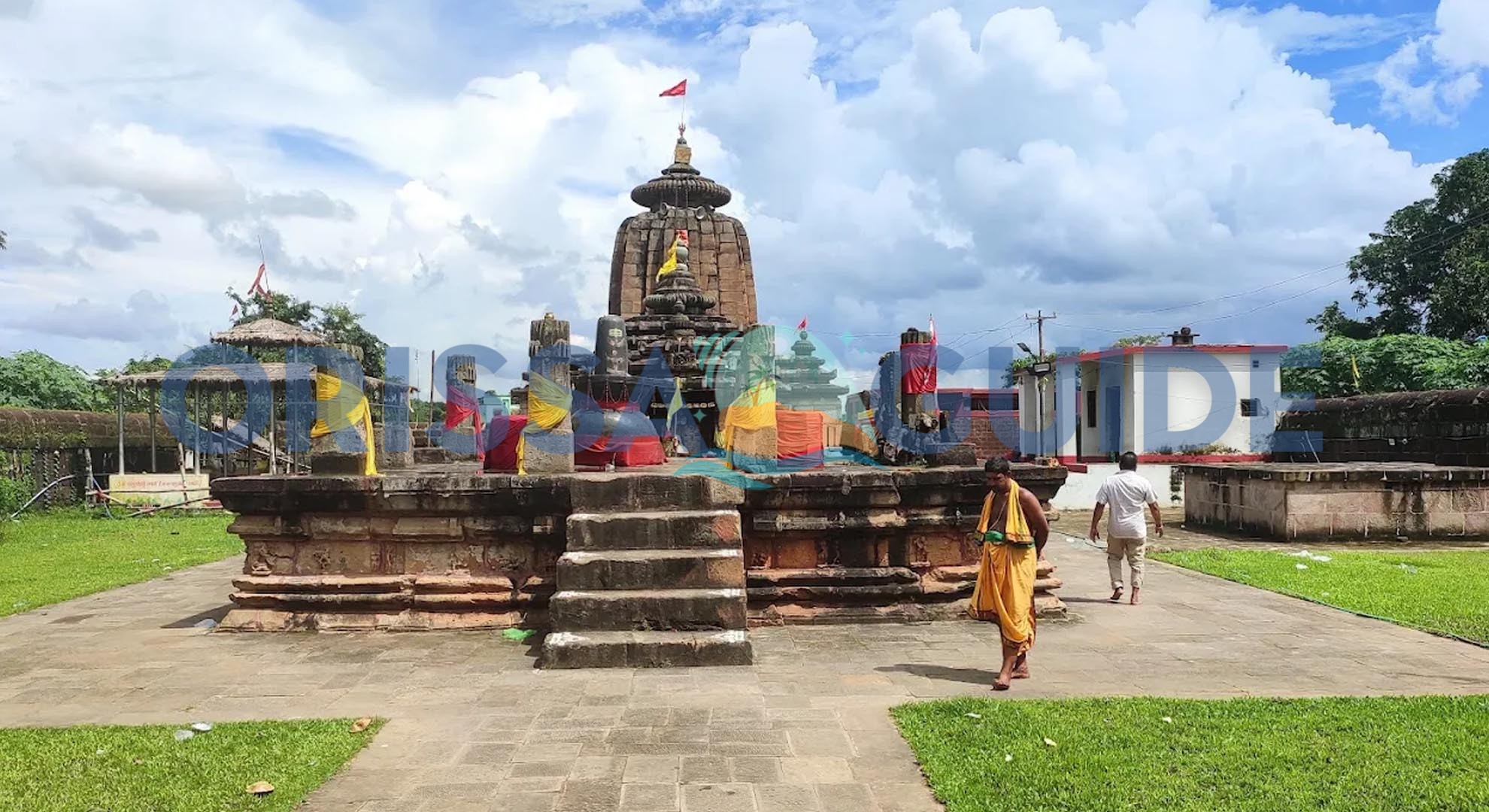
Nestled in the peaceful village of Chudangagada, just outside the hectic temple town of Bhubaneswar, there is a little-known treasure that hints at history—the Jaleswar Siva Temple. The Jaleswar Siva Temple is more than a religious site—it is a window into Odisha’s early temple architecture and spiritual heritage dating back to the 9th–10th centuries.
While most visitors heading to Odisha focus on famous shrines and large temple complexes, this lesser-known temple offers something different: tranquility, authenticity, and a deep sense of historical continuity. Surrounded by rural landscapes and calm surroundings, the temple reflects the cultural depth of Odisha and showcases the evolution of temple architecture that later flourished across the region.
For travelers exploring heritage sites, architecture enthusiasts, or spiritual seekers, the Jaleswar Siva Temple represents a rare blend of history, mythology, and peaceful devotion.

Historical Significance of Jaleswar Siva Temple
The temple is believed to have been constructed during the Somavamsi dynasty period, roughly between the 9th and 10th centuries. This was a transformative era in the architectural and cultural development of Odisha.
During this time, temple architecture in eastern India began evolving into what is now known as Kalinga style architecture. Many temples built during this period laid the foundation for the magnificent structures that later appeared in Odisha’s temple cities.
The Jaleswar Siva Temple is particularly important because it represents an early stage in the development of regional temple design. Despite the passage of centuries, the temple continues to preserve its original structure and sacred significance.
Key historical highlights include:
- Built during the Somavamsi rule
- Represents early Kalinga temple architecture
- Over 1,000 years old heritage site
- Preserves original stone carvings and structural layout
- Still an active place of worship
This makes the temple not just a spiritual destination but also an important archaeological and cultural landmark in the region.
Architectural Grandeur: A Testament to Time
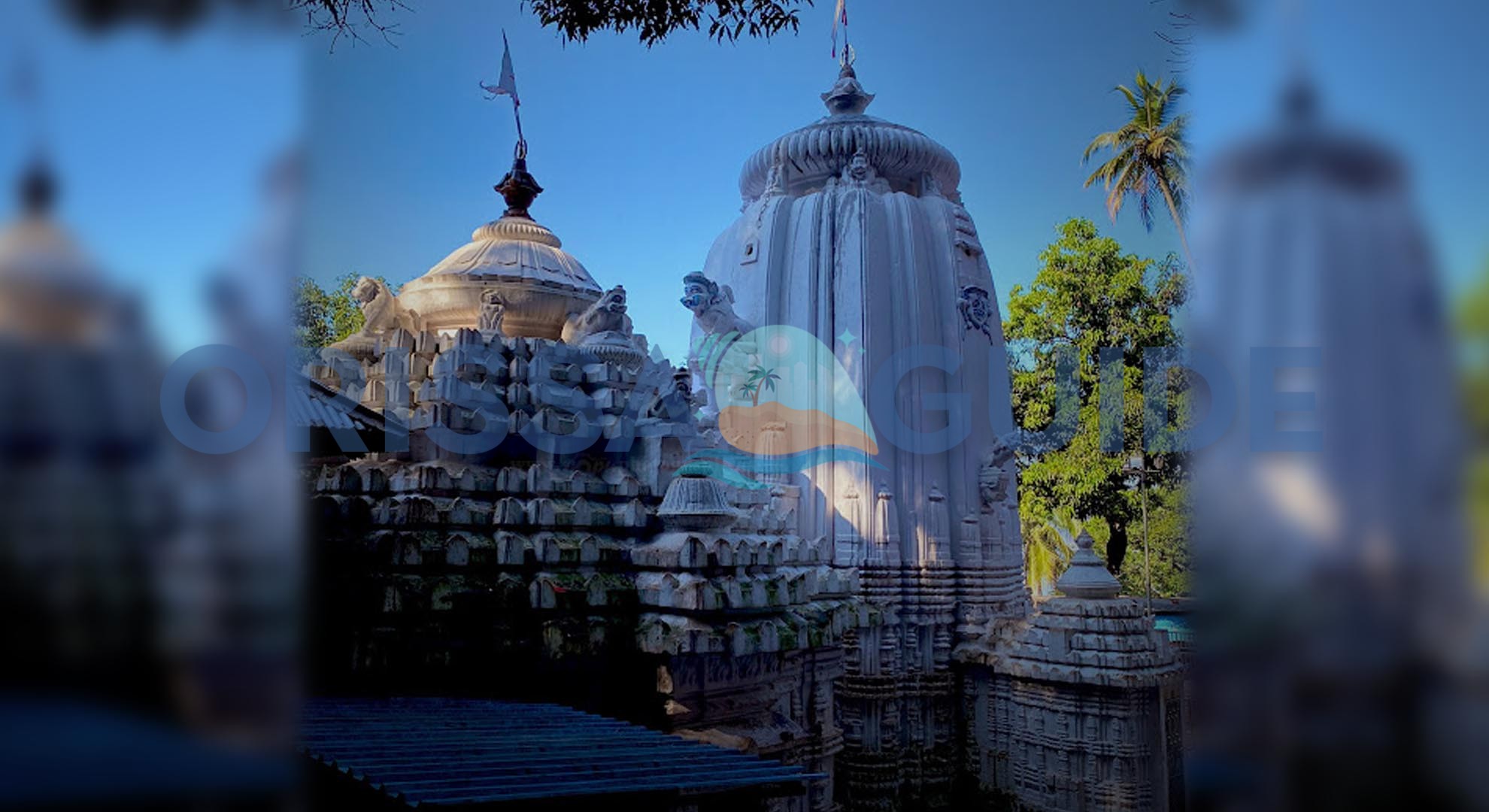
One of the most fascinating aspects of the temple is its architectural style. The structure reflects traditional Kalinga architecture, which defines many historic temples across Odisha.
The main tower, known as the vimana, follows the classic Rekha Deul style—a curvilinear tower rising gracefully toward the sky. Even though time has left marks on the structure, its elegance remains intact.
Distinct architectural features include:
- Rekha Deul tower structure
- Stone carvings from the early medieval period
- Traditional temple layout
- Ancient motifs and sculptural details
- Simple yet spiritually powerful design
Unlike larger temples that underwent extensive reconstruction, the Jaleswar Siva Temple retains much of its original identity. This authenticity makes it particularly appealing to historians and travelers interested in ancient Indian architecture.
The temple also plays an important role in understanding how temple design evolved before reaching its grandest form in Odisha’s larger temple complexes.
A Spiritual Sanctuary: The Heart of the Temple
At the heart of the temple lies the sacred Shiva Lingam, which has been worshipped for centuries. Devotees visit the temple seeking blessings, peace, and spiritual connection.
Inside the sanctum, the atmosphere feels deeply serene. The quiet chants, incense fragrance, and calm surroundings create a powerful spiritual environment. Unlike crowded temple destinations, this temple offers a more personal and contemplative experience.
Many devotees believe the temple carries strong spiritual energy due to its age and uninterrupted worship traditions.
Spiritual importance of the temple includes:
- Dedicated to Lord Shiva
- Active place of worship for local devotees
- Peaceful environment for meditation
- Traditional rituals still practiced
- Spiritual heritage preserved for generations
The temple highlights how smaller heritage temples often provide deeper spiritual experiences compared to heavily commercialized pilgrimage sites.
The Sacred Pond: Legends and Lore
One of the most fascinating legends associated with the temple revolves around its sacred pond.
The name Jaleswar comes from the word Jala, meaning water. According to local legends, the Shiva Lingam was discovered in a water body near the temple. After this discovery, the temple was established at the site, giving rise to the name Jaleswar Siva Temple.
Even today, the sacred pond located beside the temple holds spiritual significance.
Local beliefs connected to the pond include:
- Water is considered purifying and sacred
- Devotees take ritual dips before offering prayers
- The pond symbolizes divine discovery
- Associated with local folklore and mythology
This connection between water and spirituality is common in many ancient Indian temples, reflecting the deep link between nature and religious practices.
The presence of the pond also enhances the temple’s tranquil environment, making it a peaceful retreat for visitors.
Visitor’s Guide: Planning Your Pilgrimage
To fully experience the tranquil grandeur of the Jaleswar Siva Temple, a little pre-planning will contribute significantly to your enjoyment. Located in the village of Chudangagada, it is easily accessed via a short drive from central Bhubaneswar, making it an ideal half-day excursion.
The best time of the day to visit is in the early morning or late afternoon, when softer sunlight will enhance the textures of the ancient temple, and in a more comfortable climate. As with any place of worship, remember to dress modestly. It is a significant monument in importance, and is still a living, breathing place of faith for local people.
If possible, engage with the priests; they are usually more than happy to tell fascinating local stories. This hidden jewel of a monument may be worth adding to your travel guide itinerary of Bhubaneswar, for an experience that offers an authentic and fulfilling glimpse of the soul of Odisha.
Why Jaleswar Siva Temple Is an Emerging Travel Destination
As cultural tourism and heritage travel grow in India, travelers are increasingly searching for unexplored historical sites. The Jaleswar Siva Temple fits perfectly into this category.
Unlike crowded tourist attractions, this temple offers:
- Authentic heritage experience
- Calm and less crowded environment
- Opportunity to explore ancient architecture
- Spiritual atmosphere away from city noise
- Cultural connection with rural Odisha
Travel bloggers and heritage enthusiasts are now highlighting hidden temples and lesser-known pilgrimage sites around Bhubaneswar, making this location more relevant for modern travelers.
It also complements visits to other temples in the region, creating a more complete understanding of Odisha’s temple history.
Best Time to Visit Jaleswar Siva Temple
The temple can be visited throughout the year, but certain seasons offer a better experience.
Best time to visit:
- October to March for pleasant weather
- Early morning visits for spiritual ambiance
- Late afternoon for photography and peaceful exploration
Festival periods such as Mahashivratri bring special rituals and increased devotion at the temple.
Visitors during these times can witness traditional worship practices that have been preserved for centuries.
How to Reach Jaleswar Siva Temple
The temple is located in Chudangagada village, a short distance from Bhubaneswar, making it easy to include in a half-day or one-day travel itinerary.
Travel options include:
By Road
The temple is accessible via local roads from Bhubaneswar city. Taxis, auto-rickshaws, and private vehicles can easily reach the village.
By Air
The nearest airport is in Bhubaneswar.
By Rail
Bhubaneswar railway station connects the city to major parts of India.
Once in Bhubaneswar, reaching the temple takes only a short drive, making it convenient for both tourists and pilgrims.
Travel Tips for Visitors
To make the most of your visit, consider the following travel tips:
- Dress modestly since it is an active religious site
- Visit early morning to enjoy the peaceful environment
- Carry water and essentials as it is a rural location
- Respect local customs and temple traditions
- Interact with local priests to learn about temple history
These simple tips help ensure a meaningful and respectful visit.
Jaleswar Siva Temple in the Context of Odisha’s Temple Heritage
Odisha is often referred to as the Temple State of India due to the large number of ancient temples spread across the region.
Bhubaneswar itself is known as the City of Temples, with hundreds of historic shrines built across different eras. The Jaleswar Siva Temple contributes to this legacy by representing early architectural and religious traditions that shaped the region’s identity.
For travelers exploring Odisha’s temple circuit, including lesser-known temples like this provides deeper insight into the region’s culture and history.