
The Kalika Siva Temple, located in the spiritual heart of Bhubaneswar, stands as a remarkable symbol of Odisha’s rich religious and cultural heritage. Known as the “Temple City of India,” Bhubaneswar is home to hundreds of ancient temples, each carrying its own historical and spiritual significance. Among them, the Kalika Siva Temple holds a special place due to its unique dedication to both Goddess Kali and Lord Shiva.
This temple is not just a place of worship but also a site where devotion, mythology, and architectural brilliance come together. It attracts a diverse group of visitors—from devoted pilgrims seeking blessings to history enthusiasts eager to explore Odisha’s ancient legacy.
What makes this temple particularly fascinating is the coexistence of two powerful divine forces—Kali, the fierce destroyer of evil, and Shiva, the calm cosmic ascetic. This duality creates a deeply symbolic and spiritually enriching environment that leaves a lasting impression on every visitor.
Whether you are on a religious journey or simply exploring Odisha’s heritage, the Kalika Siva Temple offers a serene yet powerful experience that beautifully reflects India’s spiritual depth.

Historical Significance of Kalika Siva Temple
The Kalika Siva Temple is believed to date back to the medieval period, a time when temple architecture and religious practices flourished in Odisha. Historians associate its construction with the Somavamsi dynasty, known for their patronage of art, culture, and temple building.
During this era, Bhubaneswar emerged as a prominent religious center, and the construction of temples like Kalika Siva Temple played a vital role in shaping its identity. The temple stands as a testament to the architectural and spiritual advancements of the time.
One of the most remarkable aspects of this temple is its representation of the fusion between Shaivism and Shaktism—two major traditions in Hinduism. While Shaivism focuses on the worship of Lord Shiva, Shaktism revolves around the divine feminine energy, represented here by Goddess Kali. The presence of both deities in a single temple highlights the inclusive and syncretic nature of Odisha’s spiritual culture.
Over centuries, the temple has undergone several renovations to preserve its structure and relevance. Despite these changes, it has managed to retain much of its original charm and authenticity. Its proximity to iconic temples like Lingaraj and Mukteshwar further enhances its historical importance, making it an integral part of Bhubaneswar’s sacred landscape.
Architectural Marvels of Kalika Siva Temple
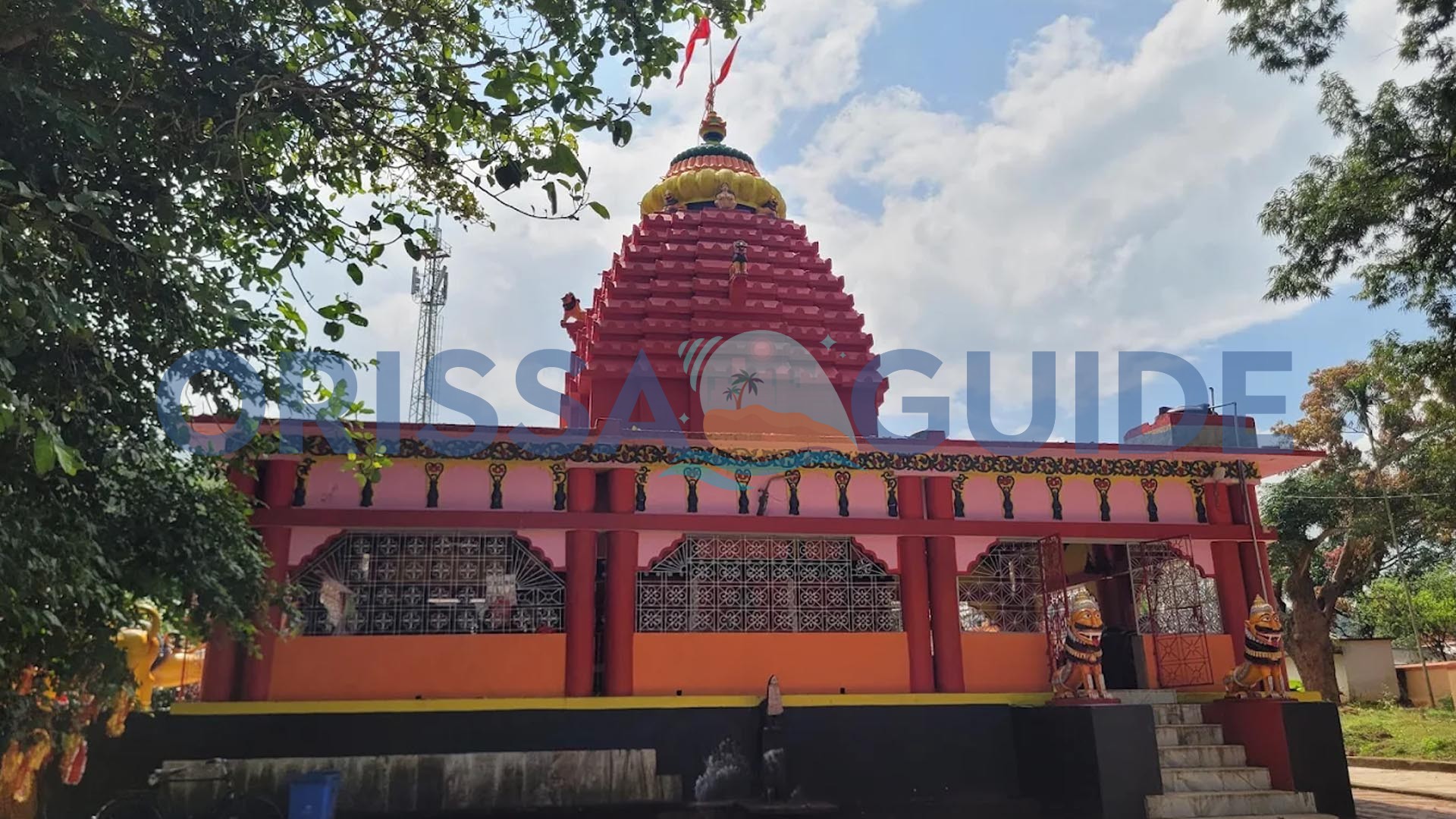
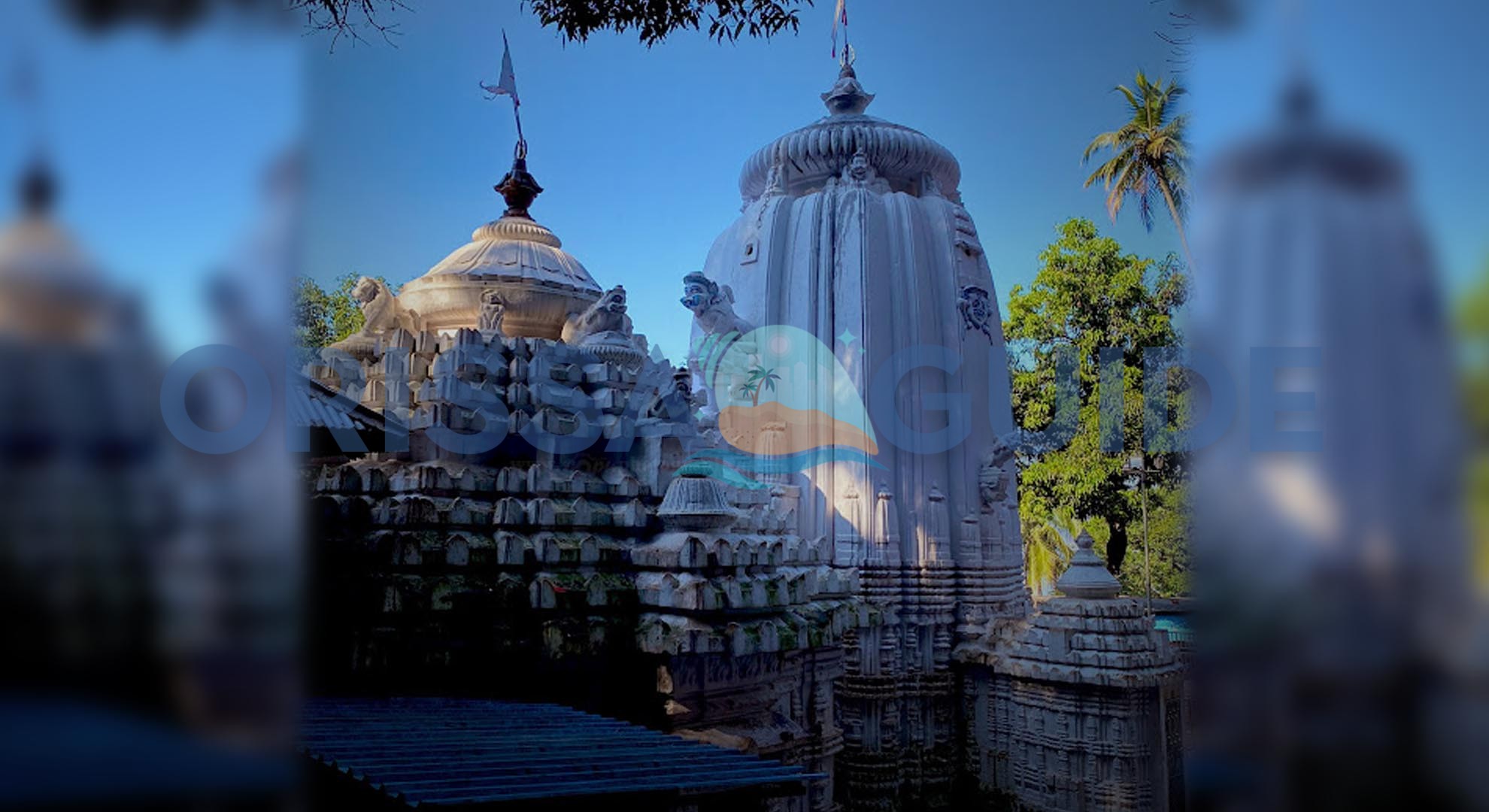
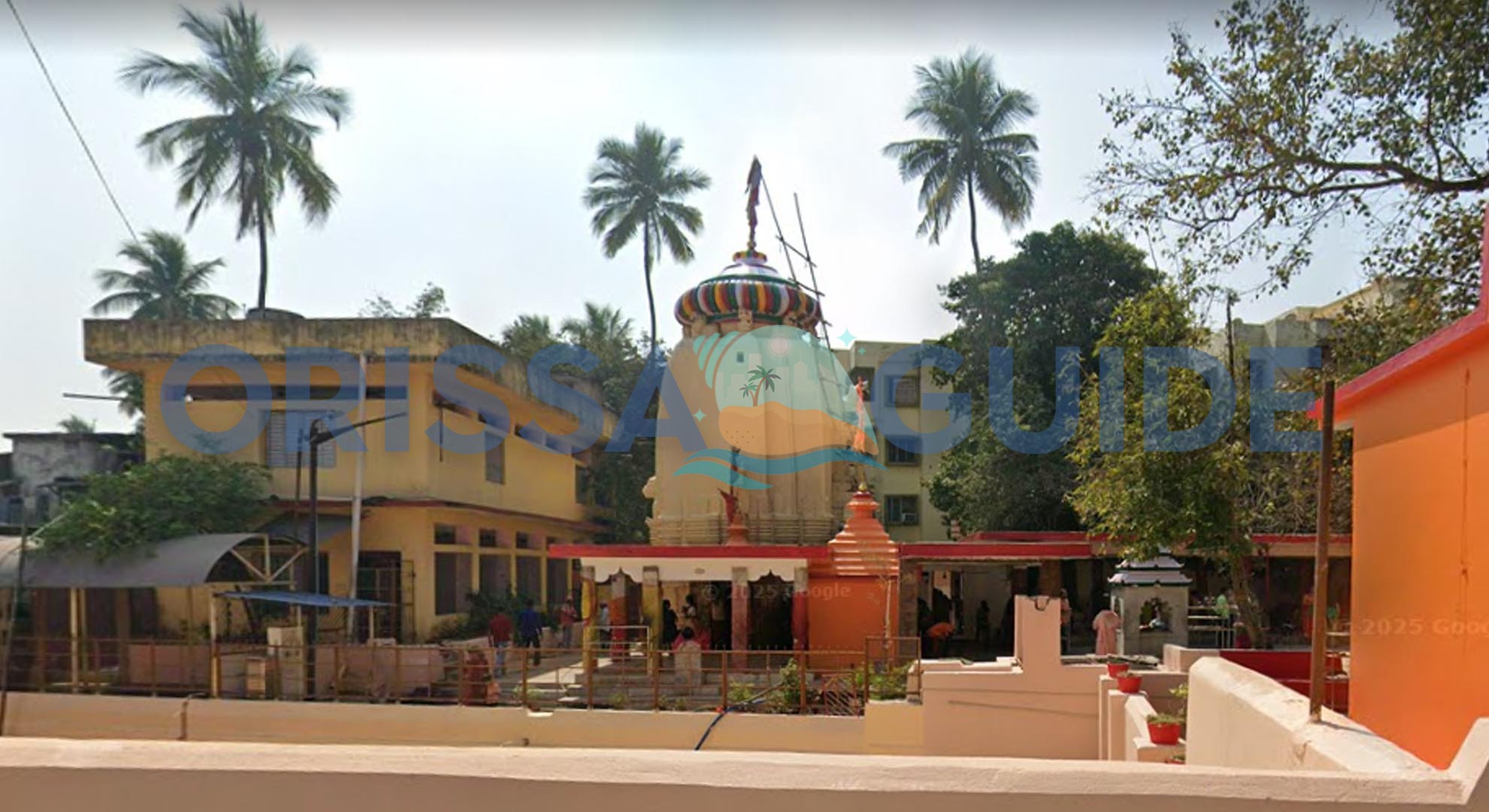
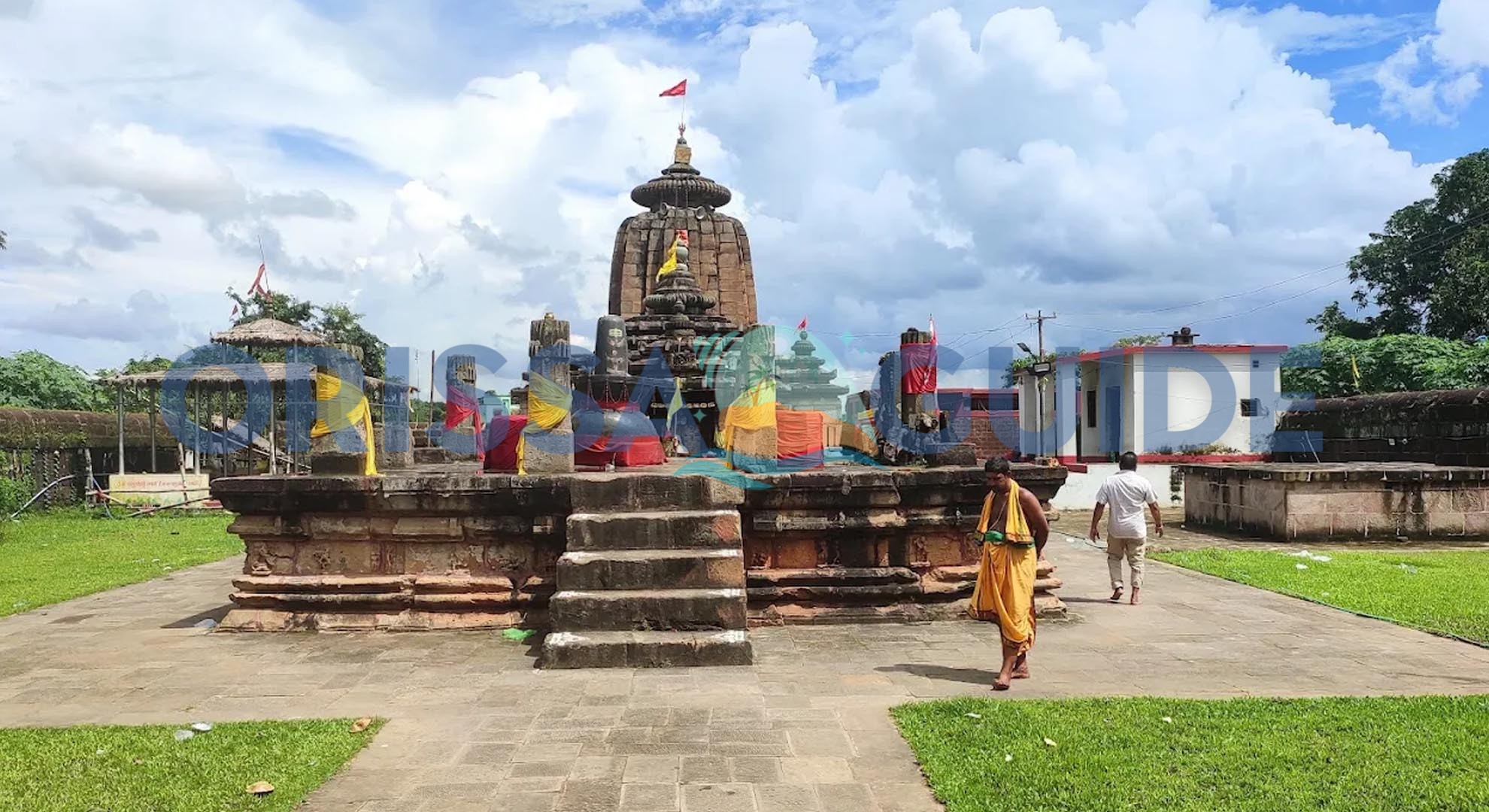
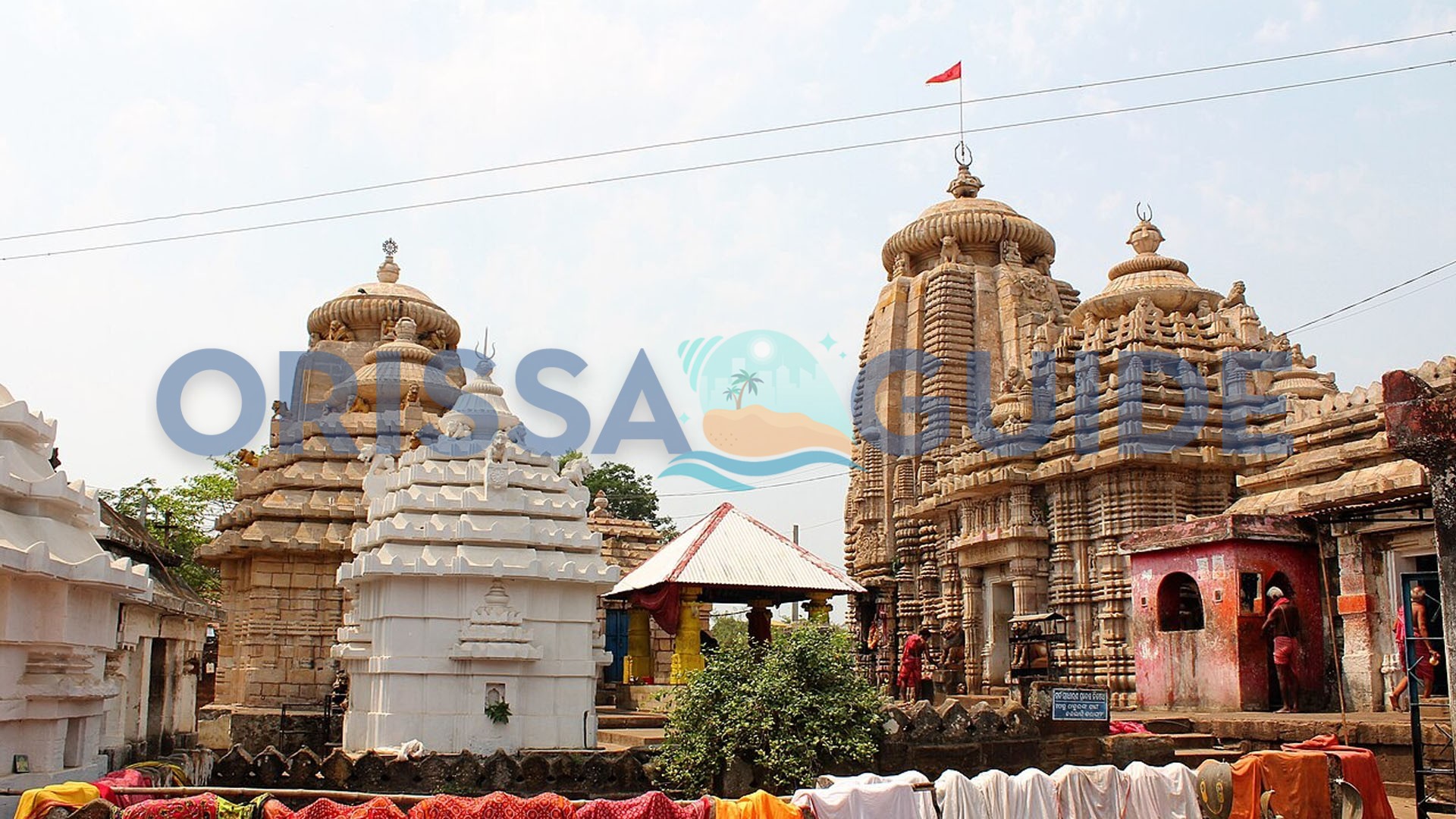
The temple, Kalika Siva Temple, is a monument that manifests the typical Kalinga architecture-crowned with a towering deul sanctum, an elaborately carved jagamohana assembly hall, and the finest stone motifs. The exterior displays sculptures of deities, celestial beings, and mythological scenes. Sandstone and laterite bring rusticity to it.
Temple Structure
The temple follows the traditional layout of Kalinga architecture, consisting of:
- Deul (Sanctum Tower): A towering structure that houses the main deity
- Jagamohana (Assembly Hall): A hall where devotees gather for prayers and rituals
The vertical emphasis of the structure gives it a majestic appearance, symbolizing a connection between the earthly and the divine.
Intricate Stone Carvings
One of the most captivating features of the temple is its detailed stone carvings. The exterior walls are adorned with:
- Sculptures of deities and celestial beings
- Mythological scenes from Hindu scriptures
- Floral and geometric patterns
These carvings not only enhance the temple’s beauty but also serve as a visual narrative of religious stories and beliefs.
Materials and Craftsmanship
The temple is primarily constructed using sandstone and laterite, materials commonly used in ancient Odisha architecture. These stones give the structure a rustic and timeless appearance while ensuring durability.
Symbolism in Design
The most striking aspect of the temple is the contrast between Goddess Kali and Lord Shiva:
- Kali represents power, destruction of evil, and transformation
- Shiva represents calmness, meditation, and cosmic balance
Together, they symbolize the cycle of creation and destruction, a fundamental concept in Hindu philosophy.
Religious Importance and Festivals
The Kalika Siva Temple is an eternally alive place of worship, especially during celebrations such as the Durga Puja, Kali Puja, and Shivaratri. The Kalika Siva Temple is not just a historical monument—it is a living place of worship where daily rituals and prayers continue to be performed with devotion.
Spiritual Importance
Devotees visit the temple to seek blessings for:
- Protection from negative energies
- Prosperity and success
- Inner peace and spiritual growth
The temple’s atmosphere is filled with the sound of Vedic chants, temple bells, and devotional hymns, creating a deeply spiritual environment.
Major Festivals Celebrated
The temple comes alive during major Hindu festivals, especially:
- Durga Puja: Celebrating the victory of good over evil
- Kali Puja: Dedicated to Goddess Kali, attracting large gatherings
- Maha Shivaratri: Honoring Lord Shiva with night-long prayers and rituals
During these occasions, the temple becomes vibrant with decorations and rituals offering a unique cultural experience.
Daily Rituals
Regular rituals such as:
- Maha Abhishekam (sacred bathing of deities)
- Sandhya Aarti (evening prayer ceremony)
add to the temple’s spiritual significance and provide visitors with an opportunity to witness traditional practices.
Visitor Information and Travel Tips
If you plan to visit the Kalika Siva Temple, here’s what you should know:
- Location: Bhubaneshwar, next to Lingaraj Temple.
- Best Time to Visit: October to March, especially around festivals.
- Timings: Open from 6:00 AM to 8:00 PM.
- Dress Code: Preferably in modest attire.
Nearby Attractions: Visit Lingaraj Temple, Mukteshwara Temple, and Udayagiri Caves for a well-rounded spiritual and historical experience.
The Kalika Siva Temple is much more than a place of pilgrimage; it is an immersion into the glorious history and vibrant culture of Odisha.
Nearby Attractions to Explore
A visit to Kalika Siva Temple can be enhanced by exploring nearby landmarks:
- Lingaraj Temple: One of the most important Shiva temples in India
- Mukteshwar Temple: Known for its exquisite carvings and architecture
- Rajarani Temple: Famous for its unique design and sculptures
- Udayagiri and Khandagiri Caves: Ancient rock-cut caves with historical significance
These sites collectively showcase the architectural brilliance and spiritual depth of Bhubaneswar.
Cultural Significance in Bhubaneswar’s Temple Landscape
Bhubaneswar’s identity as the “Temple City of India” is deeply rooted in its vast collection of ancient temples. The Kalika Siva Temple contributes to this legacy by representing the integration of different religious traditions within a single sacred space.
It reflects how Odisha’s culture has historically embraced diversity in spiritual practices, allowing multiple belief systems to coexist harmoniously. This cultural inclusivity is one of the reasons why Bhubaneswar remains a significant destination for both pilgrims and scholars.
Why You Should Visit Kalika Siva Temple
The Kalika Siva Temple offers more than just a religious experience—it provides a journey into Odisha’s history, spirituality, and artistic excellence.
Here’s why it deserves a place on your travel list:
- Unique combination of Kali and Shiva worship
- Stunning example of Kalinga architecture
- Peaceful and spiritually uplifting environment
- Proximity to major temples and attractions
- Rich cultural and historical significance
Whether you are seeking blessings, exploring ancient architecture, or simply looking for a peaceful retreat, this temple offers a meaningful and memorable experience.