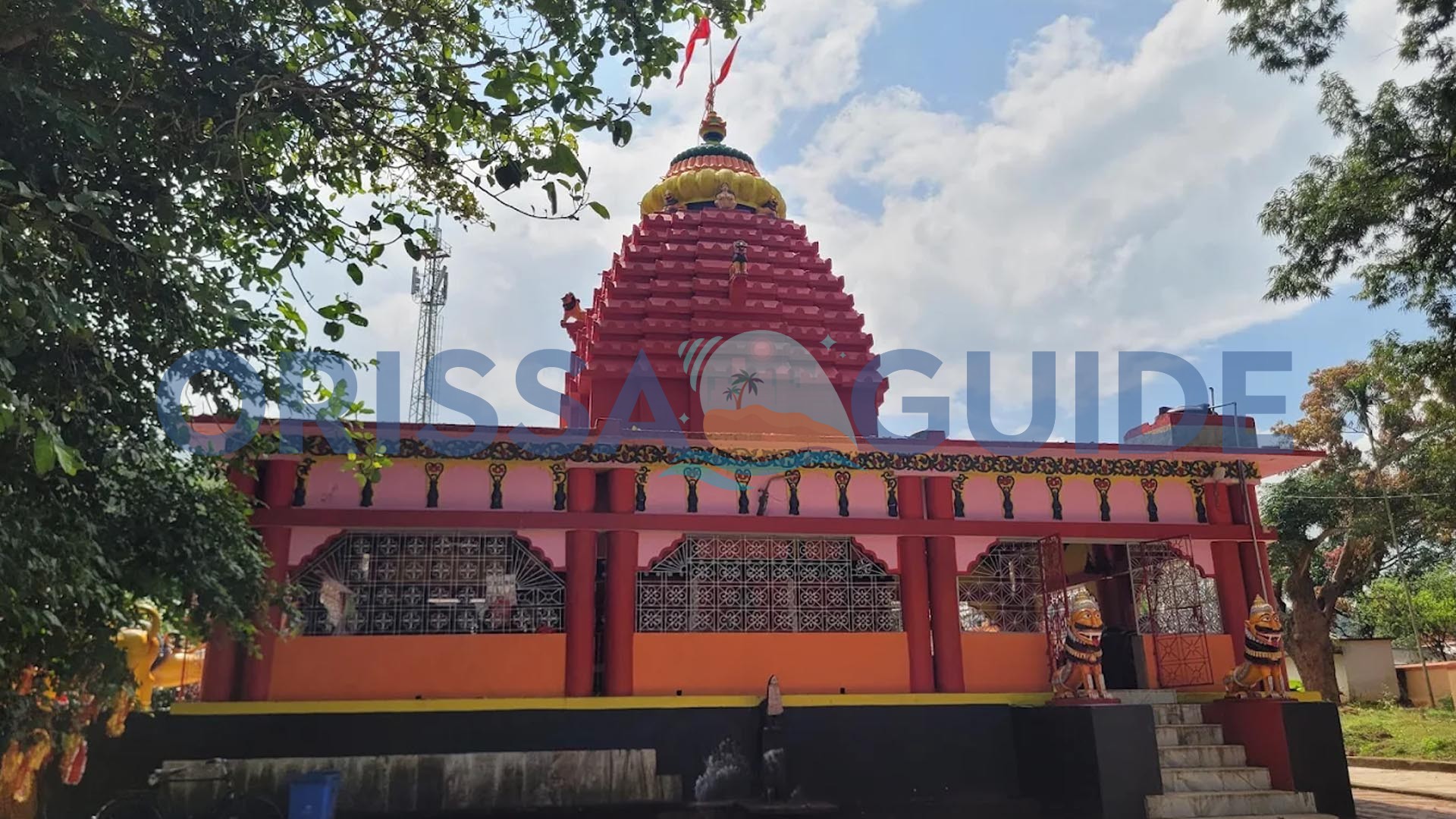
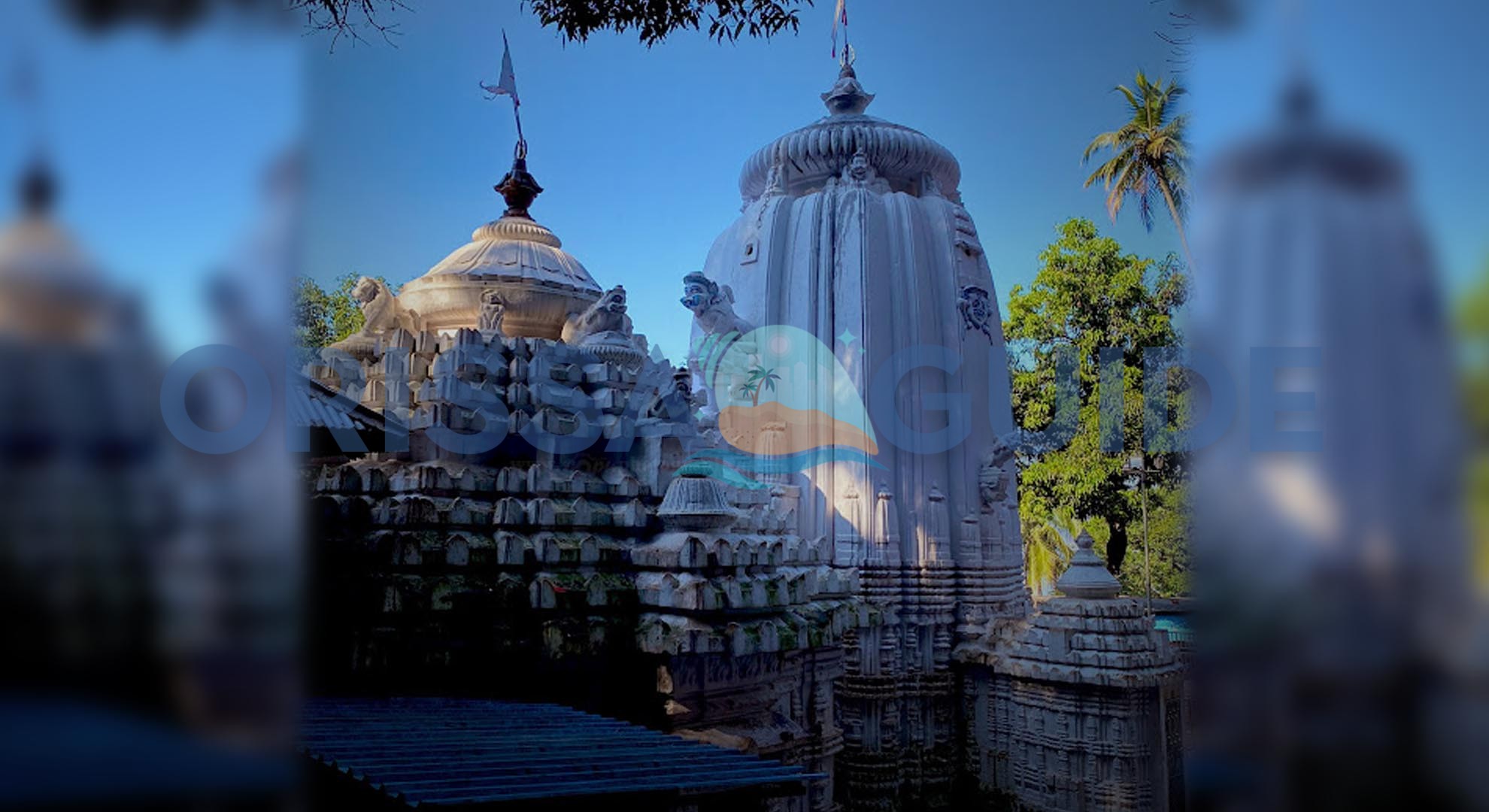
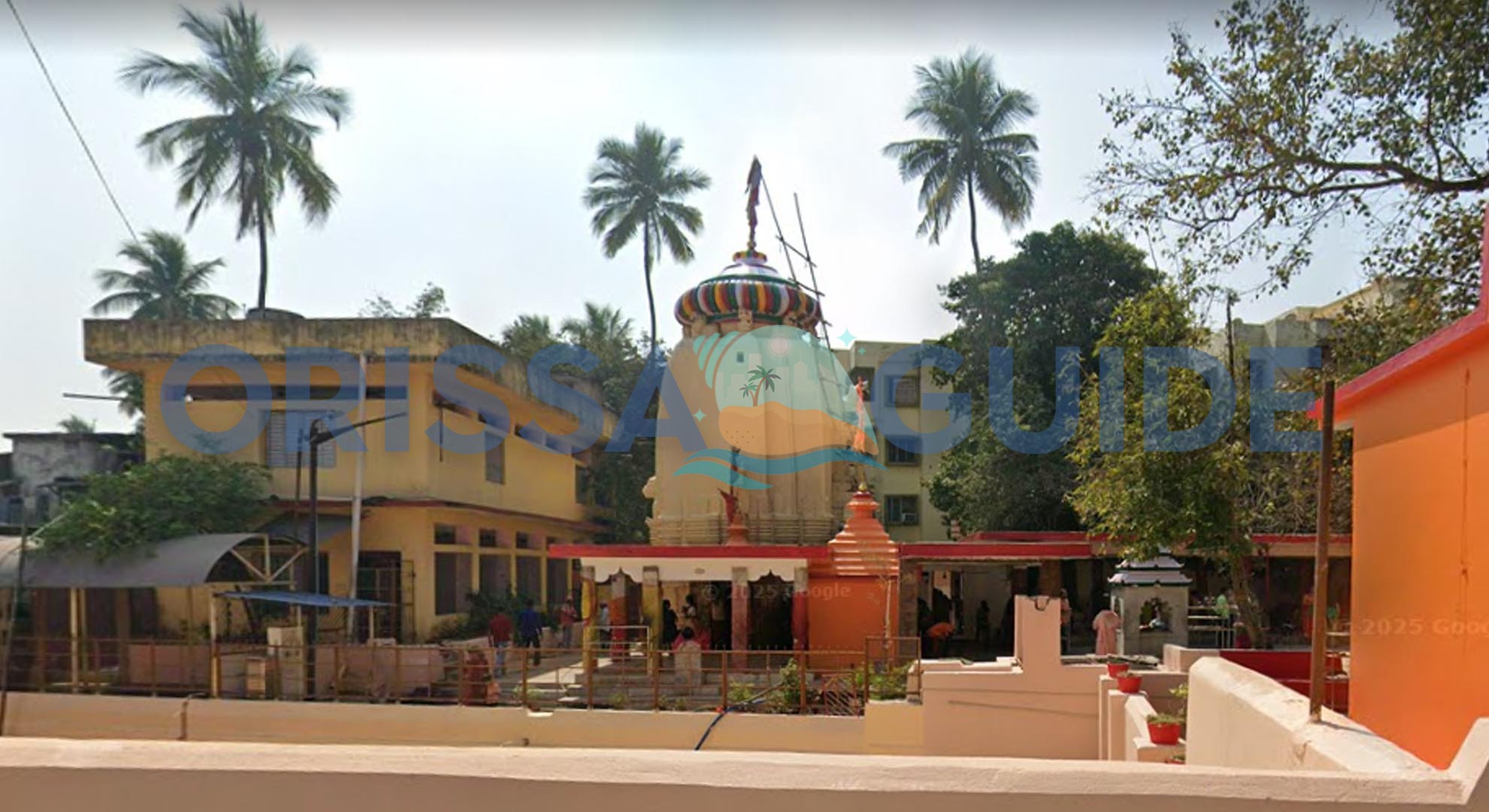
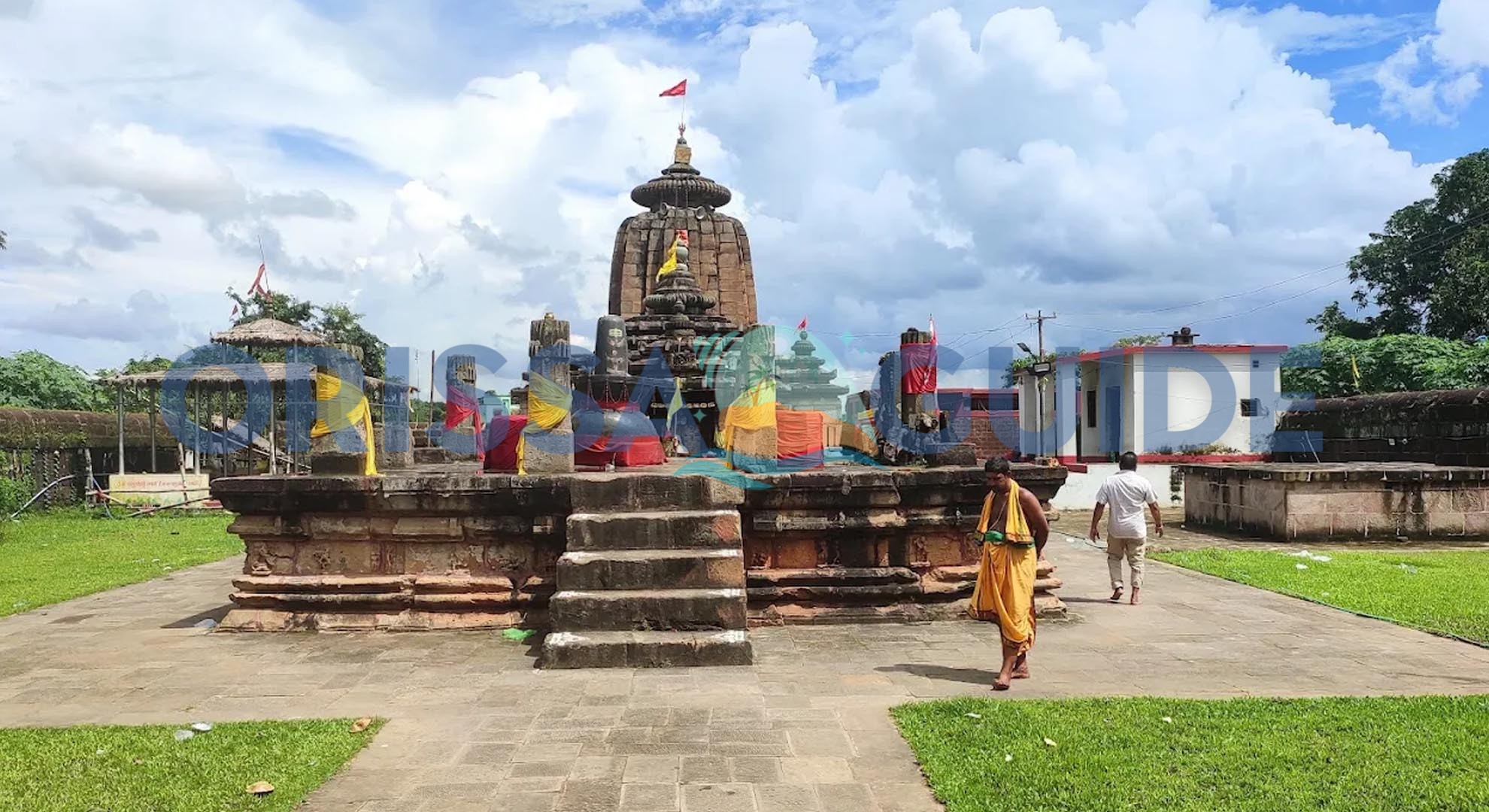
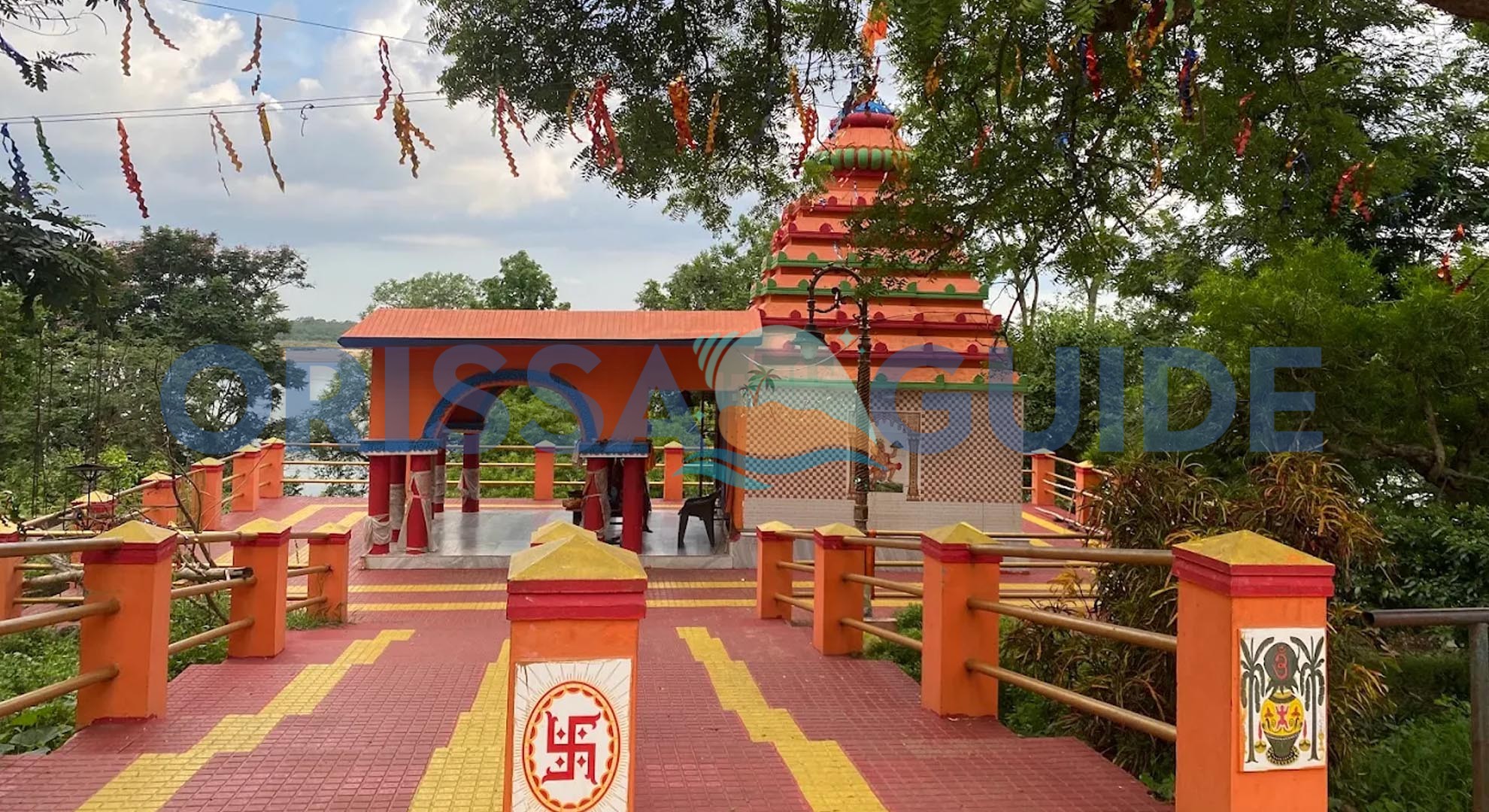
Kapilesvara Siva Temple is a sacred bearer of the erstwhile glory of cultural spirituality in the present Bhubaneswar, Odisha. The Kalinga-peering temple, dedicated to Shiva, richly exemplifies the savor with which ancient architectural marvels were conceived; it possesses some wonderfully complicated wood carving designs as well as an atmosphere of serenity that draws worshipers and history buffs alike. The construction of this temple is believed to be from the times of the medieval period, showcasing signs of artistic excellence of that age.
Kapilesvara Siva Temple is surrounded by dense greenery and a serene pond; it promises to be a buoyant stay in the horrific noise of the city. The temple site becomes more significant during festivals like Maha Shivaratri when it becomes a theater of colorful rituals and festivities. This place is not only for the pilgrim who wishes to be blessed but also for those who wish to visit the wonders of architecture in Odisha; this is a must-see for anyone who intends to make a deep connection to history and divinity.

Architectural Brilliance of Kapilesvara Siva Temple
The Kapilesvara Siva Temple is a remarkable example of Kalinga-style temple architecture, which is known for its vertical grandeur, intricate carvings, and symbolic design elements.
The Temple Structure (Deula)
The main shrine, or deula, rises majestically with a curvilinear tower that is characteristic of Odisha’s temple architecture. The vertical structure not only symbolizes spiritual ascent but also reflects the advanced engineering skills of ancient craftsmen.
Intricate Carvings and Sculptures
The exterior walls of the temple are adorned with detailed carvings depicting mythological stories, divine figures, and ornamental patterns. These carvings serve both decorative and narrative purposes, illustrating religious themes and cultural values.
Each sculpture reflects:
- Precision in craftsmanship
- Deep understanding of religious symbolism
- Artistic excellence of medieval Odishan artisans
Sanctum Sanctorum (Garbhagriha)
At the heart of the temple lies the Shiva Lingam, which is the primary object of worship. The sanctum radiates a powerful spiritual energy, drawing devotees into a space of devotion and introspection.
Natya Mandapa and Bhoga Mandapa
Like many classical temples of Odisha, Kapilesvara includes:
- Natya Mandapa (Dancing Hall): Traditionally used for devotional performances and rituals
- Bhoga Mandapa (Offering Hall): Where offerings are prepared and presented to the deity
These structures highlight the temple’s role not just as a place of worship but also as a center for cultural and social activities.
Kapila Kunda (Sacred Pond)
Adjacent to the temple is the serene Kapila Kunda, a sacred water tank that enhances the temple’s beauty and spiritual significance. It serves as a place for ritual purification and meditation, adding a natural dimension to the temple complex.
Historical Legacy of Kapilesvara Siva Temple
Kapilesvara Siva Temple is more than just a religious site—it is a living testament to Odisha’s rich historical and cultural heritage.
Constructed during the medieval period, the temple reflects the architectural and artistic peak of the Kalinga dynasty. During this era, Odisha witnessed a flourishing of temple construction, supported by skilled artisans and visionary rulers.
The temple is also associated with Sage Kapila Muni, a revered figure in Indian philosophy. According to local beliefs, the sage meditated in this region, which adds both spiritual and intellectual significance to the site.
Over centuries, the temple has:
- Withstood the test of time
- Preserved its architectural integrity
- Continued to attract devotees and scholars
Today, it stands as a bridge between the past and the present, offering insights into ancient traditions, craftsmanship, and religious practices.
Spiritual Significance of Kapilesvara Siva Mandir
Kapilesvara Temple is of immense significance to the followers of Lord Shiva. It is believed that a visit to this temple may earn its devotees blessings for peace, prosperity, and salvation from the cycle of birth and death. Especially on Maha Shivaratri, the temple is thronged by thousands of devotees eagerly waiting for their prayers as well as night vigils.
Kapilesvara Siva Temple holds deep spiritual importance for devotees of Lord Shiva. It is believed that worshipping here brings:
- Inner peace and mental clarity
- Prosperity and well-being
- Liberation from the cycle of birth and death (moksha)
Sacred Rituals and Beliefs
Devotees perform rituals such as:
- Offering water, milk, and bilva leaves to the Shiva Lingam
- Chanting sacred mantras like “Om Namah Shivaya”
- Participating in daily aartis and prayers
Importance of Kapila Kunda
The nearby Kapila Kunda is believed to have healing and purifying properties. Taking a ritual bath here is considered highly auspicious and is thought to cleanse both physical and spiritual impurities.
A Space for Meditation and Reflection
The calm surroundings and spiritual energy make the temple an ideal place for:
- Meditation
- Yoga
- Personal reflection
For many visitors, the experience goes beyond ritual worship and becomes a journey of inner transformation.
Festivals and Celebrations at Kapilesvara Siva Temple
The Kapilesvara Siva Temple is a scene of high gaiety during Maha Shivaratri, when the temple shines in lights and flowers to the sounds of chants of “Om Namah Shivaya.”
Kapilesvara Siva Temple comes alive during festivals, transforming into a vibrant center of devotion and cultural celebration.
Maha Shivaratri
The most significant festival celebrated here is Maha Shivaratri, dedicated to Lord Shiva. During this time:
- The temple is beautifully decorated with lights and flowers
- Devotees observe fasts and night-long vigils
- Rituals include offering milk, water, and bilva leaves
Thousands of devotees gather to seek blessings, creating a deeply spiritual and festive atmosphere.
Other Important Festivals
- Shravan Mondays: Special prayers and rituals during the holy month of Shravan
- Kartik Purnima: Celebrated with religious ceremonies and offerings
During these occasions, Kapila Kunda becomes a focal point for ritual bathing and spiritual activities. These festivals not only reinforce religious faith but also help preserve Odisha’s rich cultural traditions.
Visitor Experience at Kapilesvara Siva Mandir
Visiting the Kapilesvara Siva Temple is a pilgrimage into the very heart of the spiritual and cultural makeup of Odisha. A visit to Kapilesvara Siva Temple is a deeply enriching experience that combines spirituality, history, and natural beauty.
As you enter the temple complex, the peaceful surroundings immediately create a sense of calm. The towering structure, combined with the rhythmic chanting of prayers and the fragrance of incense, sets the tone for a spiritually immersive experience.
What Visitors Can Expect
- A शांत and less crowded environment compared to major temples
- Stunning views of traditional Kalinga architecture
- Opportunities for quiet meditation and reflection
Ideal for Different Travelers
- Pilgrims: Seeking blessings and spiritual fulfillment
- History enthusiasts: Interested in ancient architecture and heritage
- Travelers: Looking for offbeat and meaningful destinations
The temple offers a rare opportunity to disconnect from daily stress and reconnect with a sense of peace and purpose.
Exploring Bhubaneswar Through Kapilesvara Siva Temple
Bhubaneswar is the temple’s representative to make a full worth of visiting the Kapilesvara Siva Temple since most include rich cultural treasures and historical heritage. It is one such temple complementing other temples such as Lingaraj and Mukteshwar temples, which are very close by proximity. Aside from his holiness, a myriad of attractions, vibrant markets, and beautiful Odia food add to the richness of the heritage experience.
A trip to this temple followed by a trip to other nearby attractions is a great combination of spirituality and travel experience. Whether you are an artist of history or simply another seeker of soul in the world, whether you are a curious traveler, the Kapilesvara has the perfect door to understanding timelessness within Bhubaneswar and in bondage to divinity.
How to Reach Kapilesvara Siva Temple
By Air
- Nearest Airport: Biju Patnaik International Airport, Bhubaneswar
By Rail
- Nearest Railway Station: Bhubaneswar Railway Station
By Road
- Well-connected by local buses, taxis, and auto-rickshaws within the city
The temple is easily accessible from all major parts of Bhubaneswar.
Travel Tips for Visitors
- Visit early morning for a peaceful and spiritual experience
- Dress modestly as it is a religious site
- Carry water and essentials, especially during summer
- Respect temple customs and rituals
- Avoid littering and help preserve the heritage site
Why You Should Visit Kapilesvara Siva Temple
Kapilesvara Siva Temple is not just a place of worship—it is a destination where history, spirituality, and architecture come together. It offers:
- A peaceful alternative to crowded temples
- A glimpse into Odisha’s rich cultural past
- A spiritually uplifting experience
Whether you are a devotee, a history lover, or a curious traveler, this temple provides a meaningful and memorable journey.