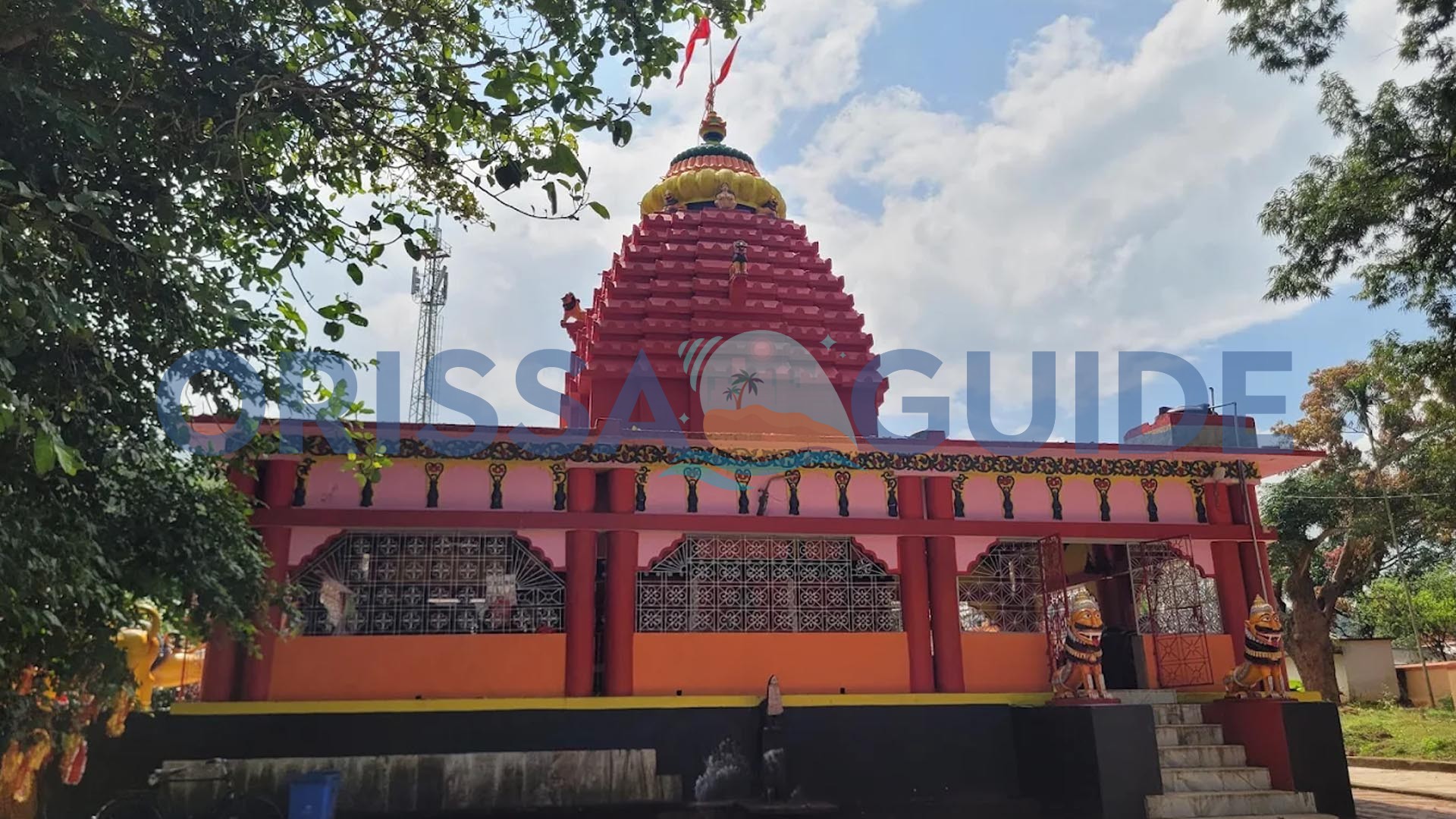
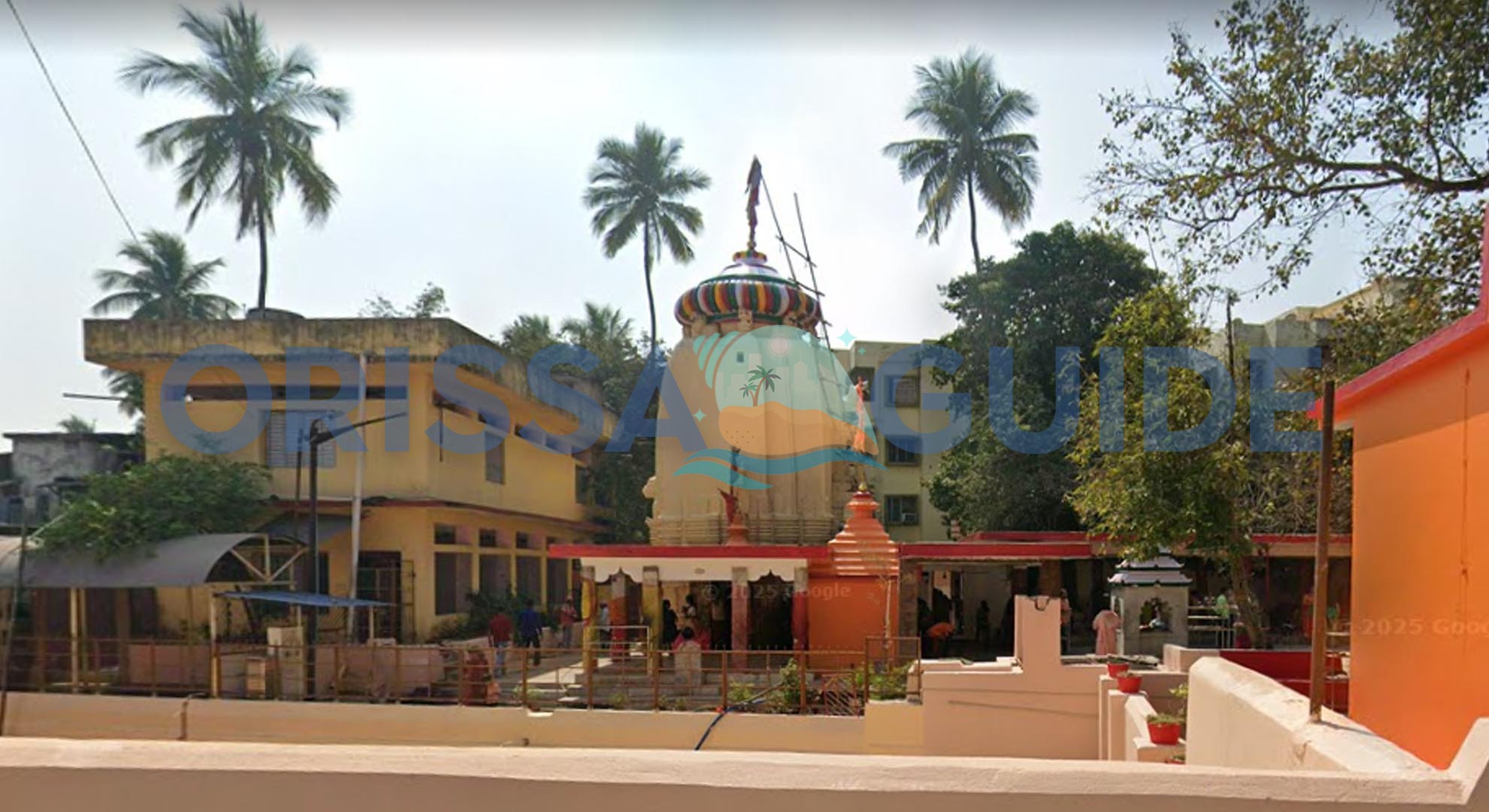
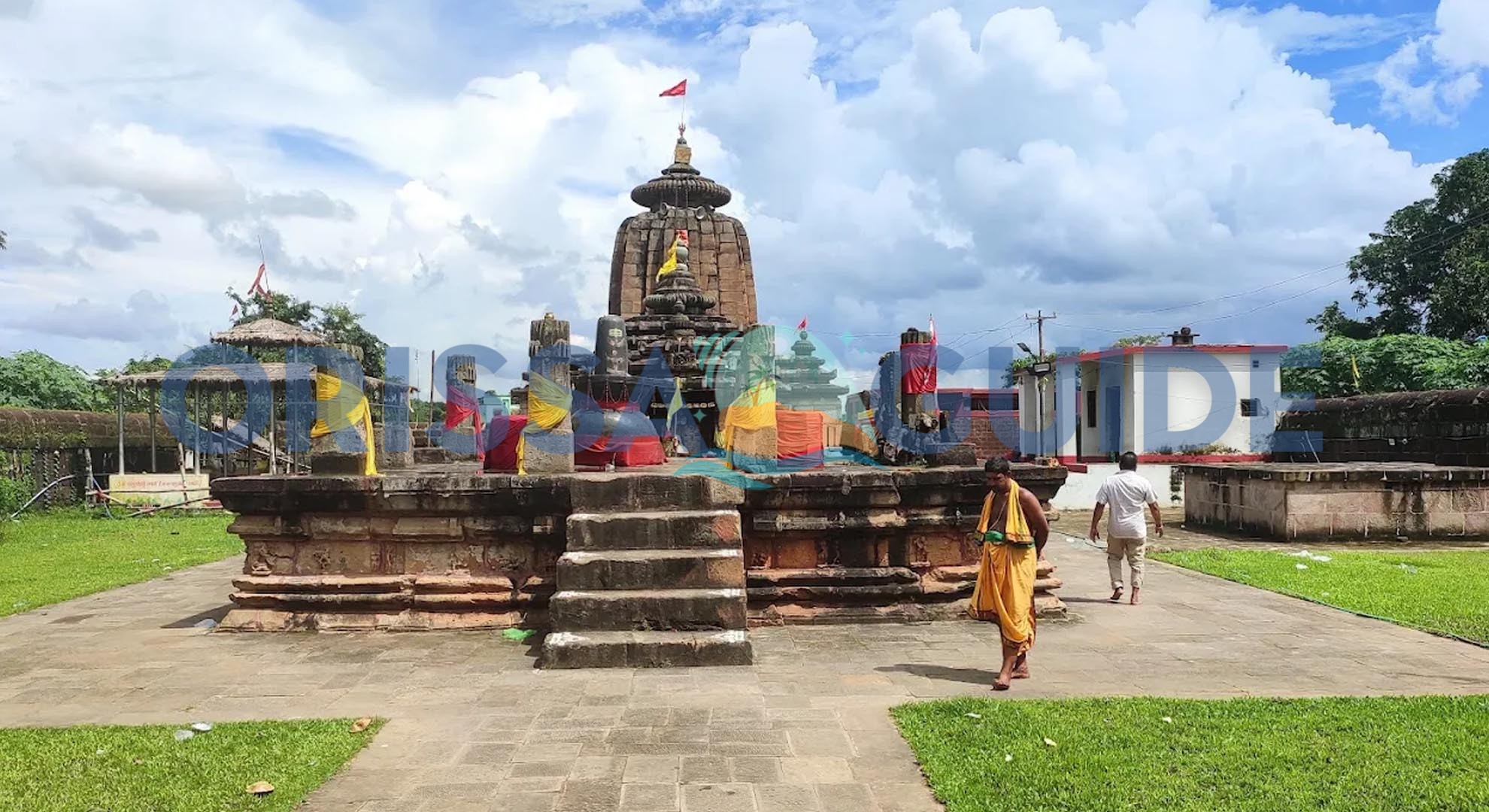
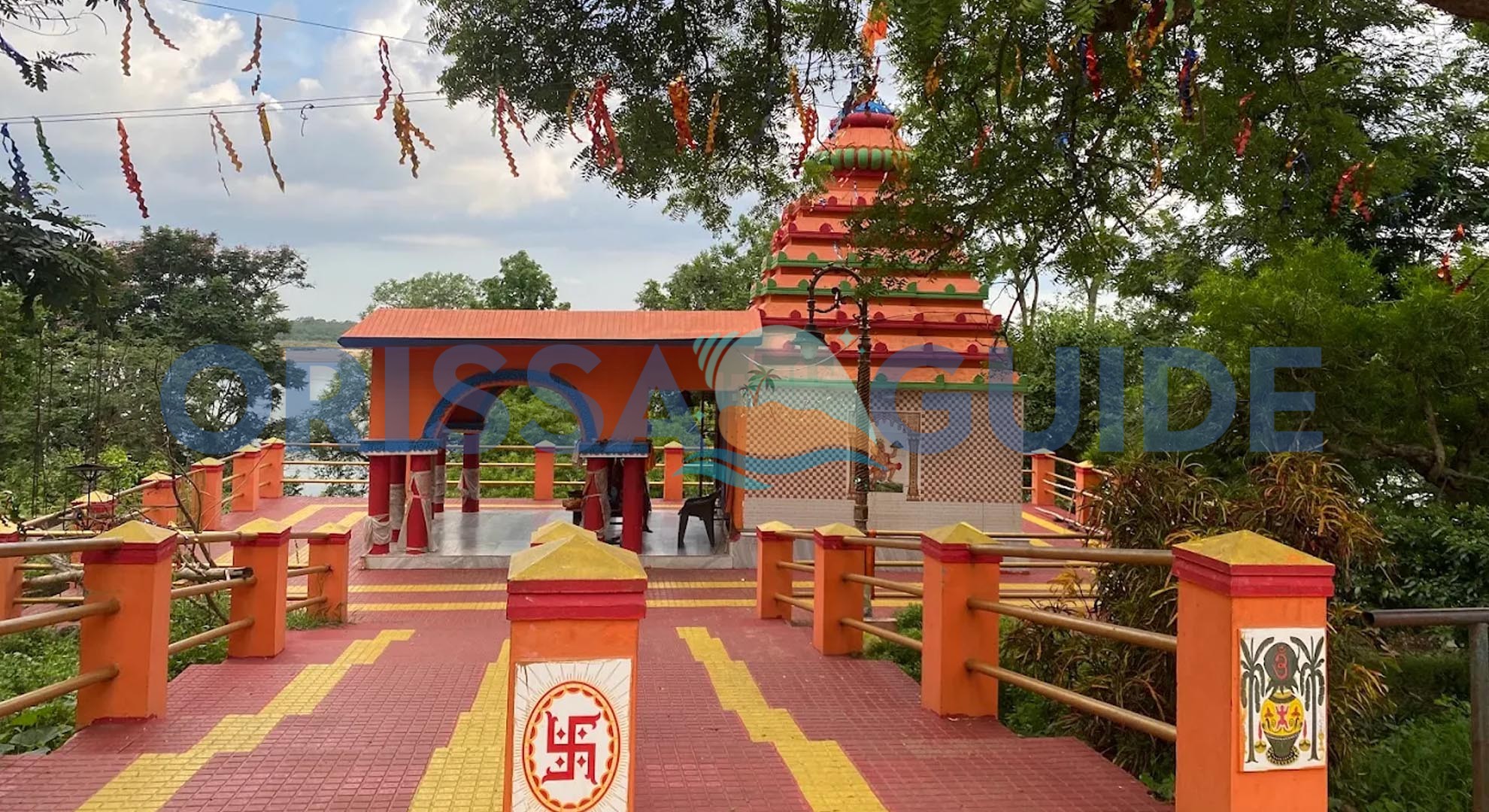
Situated in the city’s heart of Bhubaneswar, the Kartikesvara Siva Temple is the finest example of the region’s cultural and spiritual heritage. The temple that is dedicated to Lord Shiva shows great antiquity and stands as a testament to devotion and architectural excellence. Having been built during the medieval period, the temple today portrays the classical Kalingan style of architecture, characterized by finely carved motifs, high roofs, and lovely sculptures.
Dedicated primarily to Lord Shiva, with a secondary shrine devoted to Lord Kartikesvara (Kartikeya), the temple reflects centuries of devotion and artistic excellence. Despite being lesser-known compared to major temples like Lingaraj, Kartikesvara Siva Temple offers a more peaceful and intimate spiritual experience.
The temple is an excellent example of the Kalinga style of architecture, characterized by intricately carved stone surfaces, towering structures, and symbolic sculptures. Its calm surroundings and sacred aura make it a perfect destination not only for devotees but also for history lovers, architecture enthusiasts, and travelers seeking tranquility.

Historical Significance of Kartikesvara Siva Temple
The Kartikesvara Siva Temple is believed to have been constructed in the 12th century, during the rule of the Eastern Ganga dynasty, a period known for significant advancements in temple architecture in Odisha. This era witnessed the construction of several iconic temples, and Kartikesvara Siva Temple reflects the same artistic and religious vigor.
Historically, the temple was built to:
- Promote Shaivism, the worship of Lord Shiva
- Preserve and propagate religious traditions and rituals
- Serve as a center for community gatherings and spiritual practices
The presence of Lord Kartikesvara (Kartikeya) as a secondary deity adds another layer of significance. Kartikeya, the son of Shiva and Parvati, is revered as the god of war and victory, symbolizing strength, courage, and wisdom.
The temple walls are adorned with carvings depicting:
- Stories from Hindu mythology
- Scenes involving Lord Shiva and Goddess Parvati
- Symbolic representations of divine beings and celestial figures
Over the centuries, the temple has endured natural wear and human impact, yet it continues to stand strong, reflecting the resilience of Odisha’s heritage. Today, it serves as a living monument, connecting modern visitors with the spiritual and cultural traditions of ancient India.
Architectural Marvel of Kartikesvara Siva Mandir
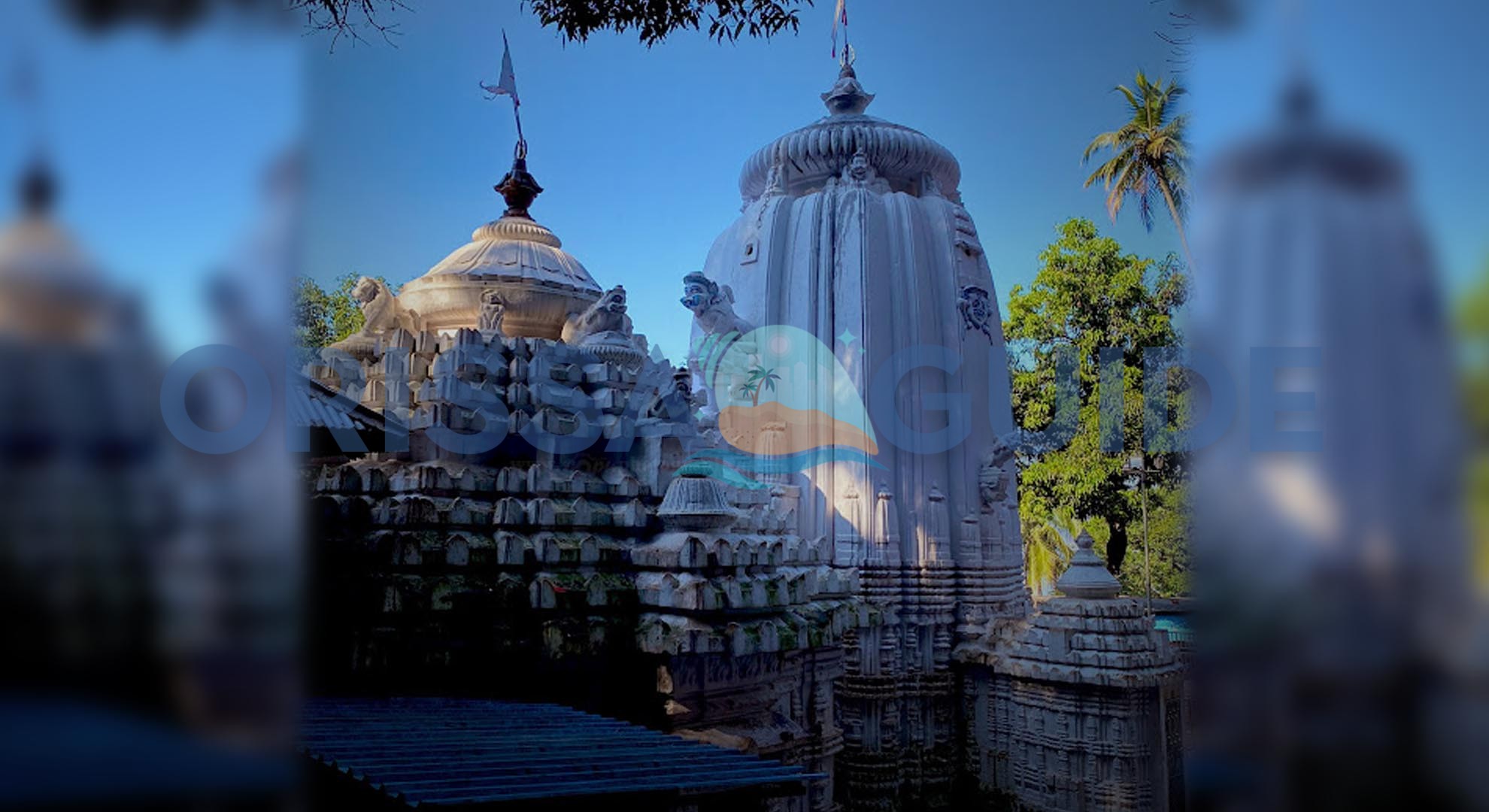
Kartikeshvara Shiva Temple, one of the finest samples of Kalinga architecture, reflects the artisan skills and creativity of the ancient Odishan craftsmen. The soaring tower of the temple, called deul, is elaborately carved with deities, floral designs, and mythological figures. The main deity, the Linga of Shiva, is housed inside and sculptural images of Lord Kartikeya and other celestial beings bedeck the outer walls.
The Deul (Sanctum Tower)
The most striking feature of the temple is its towering deul (sanctum), which rises vertically with elegant curvature. This structure is richly decorated with:
- Carved images of deities
- Floral and geometric patterns
- Mythological figures
The vertical design symbolizes the connection between the earthly and the divine.
Jagamohana (Assembly Hall)
The jagamohana, or assembly hall, stands in front of the sanctum and features a pyramidal roof, which is typical of Kalinga architecture. It was used as a space for:
- Devotees to gather
- Ritual performances
- Religious discourses
The hall is supported by intricately carved pillars, each telling a story through its design.
Sculptural Excellence
The temple walls are adorned with detailed sculptures that reflect:
- Divine figures like Shiva, Kartikeya, and other deities
- Celestial beings and attendants
- Symbolic motifs representing spiritual concepts
These carvings are not merely decorative—they serve as visual narratives of religious beliefs and philosophical ideas.
Construction Materials
The temple is primarily built using sandstone, giving it durability as well as a warm, timeless appearance. The use of locally available materials highlights the resourcefulness and craftsmanship of the builders.
Overall, the temple stands as a harmonious blend of spirituality and artistry, making it a significant architectural landmark in Bhubaneswar.
Spiritual Experience at Kartikesvara Siva Temple
As a blend of travel and history, the Kartikesvara Siva Temple forms a unique spiritual experience. Visiting Kartikesvara Siva Temple is not just a historical exploration—it is a deeply spiritual experience. The temple’s peaceful environment, combined with its sacred energy, creates a sense of calm and introspection.
Devotees visiting the temple often engage in:
- Offering prayers to Lord Shiva
- Chanting mantras like “Om Namah Shivaya”
- Performing rituals for blessings and well-being
One of the unique features of the temple is the sacred pond located nearby. It is believed that taking a dip in this pond can:
- Purify the soul
- Heal physical and spiritual ailments
- Bring peace and positivity
The temple is also a great place for:
- Meditation and mindfulness
- Personal reflection away from city chaos
- Experiencing traditional Hindu rituals
Whether you are a devout follower or a curious traveler, the spiritual atmosphere of Kartikesvara Siva Temple leaves a lasting impression.
Festivals and Celebrations at Kartikesvara Siva Temple
As it celebrates its annual festivals, the Kartikesvara Siva Temple reflects the rich culture and tradition of Odisha. The temple comes alive during festivals, showcasing the vibrant cultural traditions of Odisha.
Maha Shivaratri
This is the most important festival celebrated at the temple. Devotees observe:
- Night-long prayers and fasting
- Chanting and devotional singing
- Special rituals dedicated to Lord Shiva
The temple is beautifully decorated, and the atmosphere becomes highly spiritual and energetic.
Kartik Purnima
Dedicated to Lord Kartikesvara, this festival is marked by:
- Lighting of lamps and decorations
- Ritual bathing in the sacred pond
- Offerings and prayers
Cultural Programs
During major festivals, the temple hosts:
- Classical Odissi dance performances
- Traditional music programs
- Community gatherings
These celebrations not only highlight religious devotion but also promote Odisha’s rich artistic heritage.
Exploring Bhubaneswar Through Kartikesvara Siva Mandir
Kartikesvara Siva Temple serves as a perfect starting point to explore Bhubaneswar’s cultural landscape. Its central location makes it easy to combine with visits to other famous attractions.
Nearby Attractions
- Lingaraj Temple: One of the most prominent Shiva temples in India
- Mukteshwar Temple: Known for its exquisite carvings
- Rajarani Temple: Famous for its unique architecture
- Odisha State Museum: Offers insights into the region’s history
- Udayagiri and Khandagiri Caves: Ancient rock-cut caves with historical significance
Exploring these sites together provides a comprehensive understanding of Bhubaneswar’s heritage and religious importance.
Best Time to Visit Kartikesvara Siva Temple
The ideal time to visit the temple is between October and February, when the weather is pleasant and suitable for sightseeing.
- Winter: Best for comfortable exploration
- Summer: Hot and less favorable for long visits
- Monsoon: Lush surroundings but occasional travel inconvenience
Visiting during festivals like Maha Shivaratri adds a unique cultural dimension to your trip.
How to Reach Kartikesvara Siva Temple
Bhubaneswar is well-connected by all major modes of transport, making the temple easily accessible.
By Air
- Nearest Airport: Biju Patnaik International Airport (approx. 5–10 km)
By Rail
- Nearest Railway Station: Bhubaneswar Railway Station
By Road
- Well-connected by buses, taxis, and auto-rickshaws
Being centrally located, the temple can be easily reached from any part of the city.
Travel Tips for Visitors
- Dress modestly as it is a religious site
- Visit early morning for a शांत and peaceful experience
- Remove footwear before entering the temple
- Maintain silence and respect rituals
- Combine your visit with nearby temples for a full-day itinerary
Why You Should Visit Kartikesvara Siva Temple
Kartikesvara Siva Temple offers a unique blend of:
- Historical depth
- Architectural brilliance
- Spiritual tranquility
- Cultural richness
Unlike crowded tourist spots, it provides a more personal and immersive experience. Whether you are interested in history, spirituality, or art, this temple has something meaningful to offer.