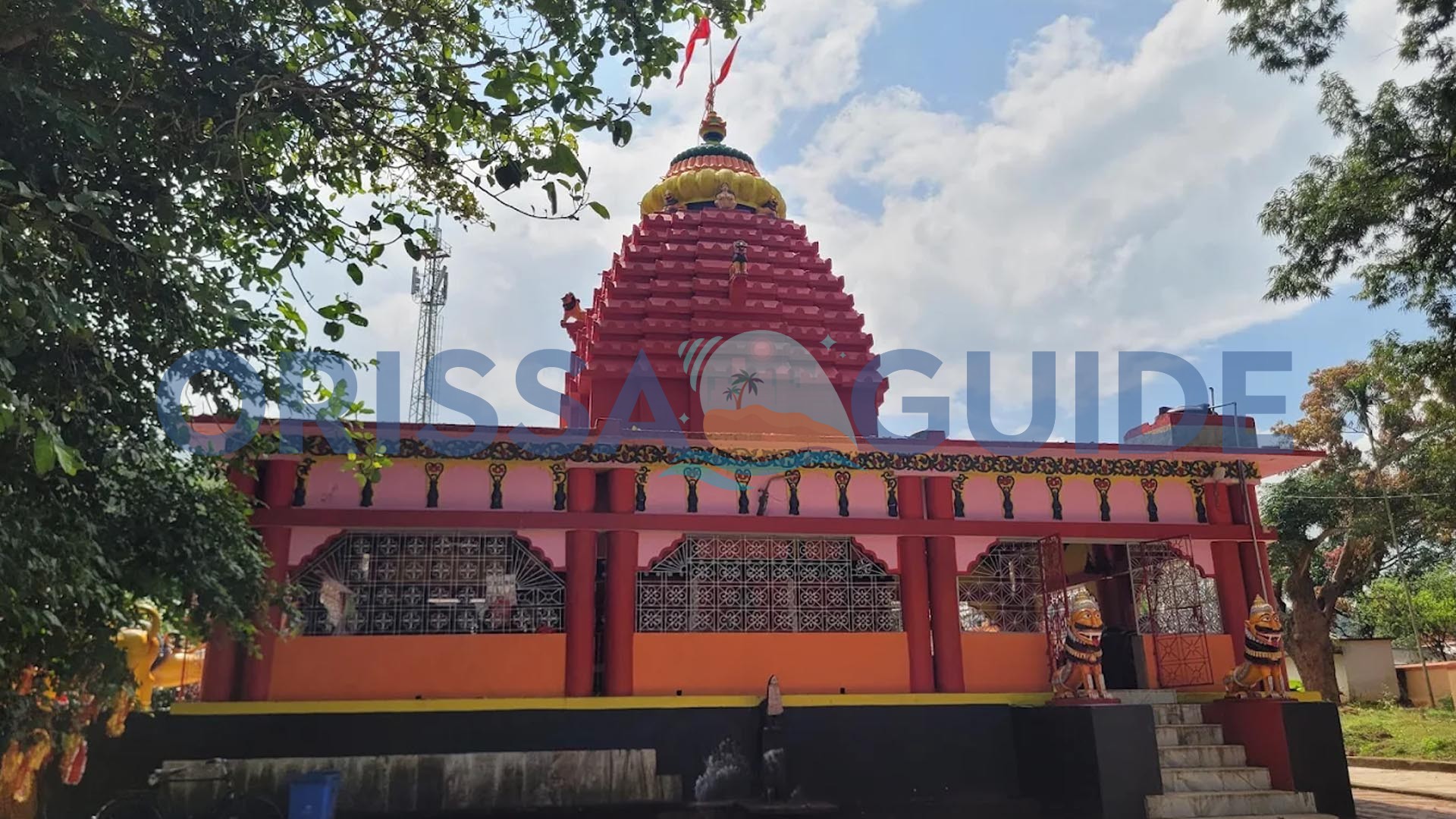
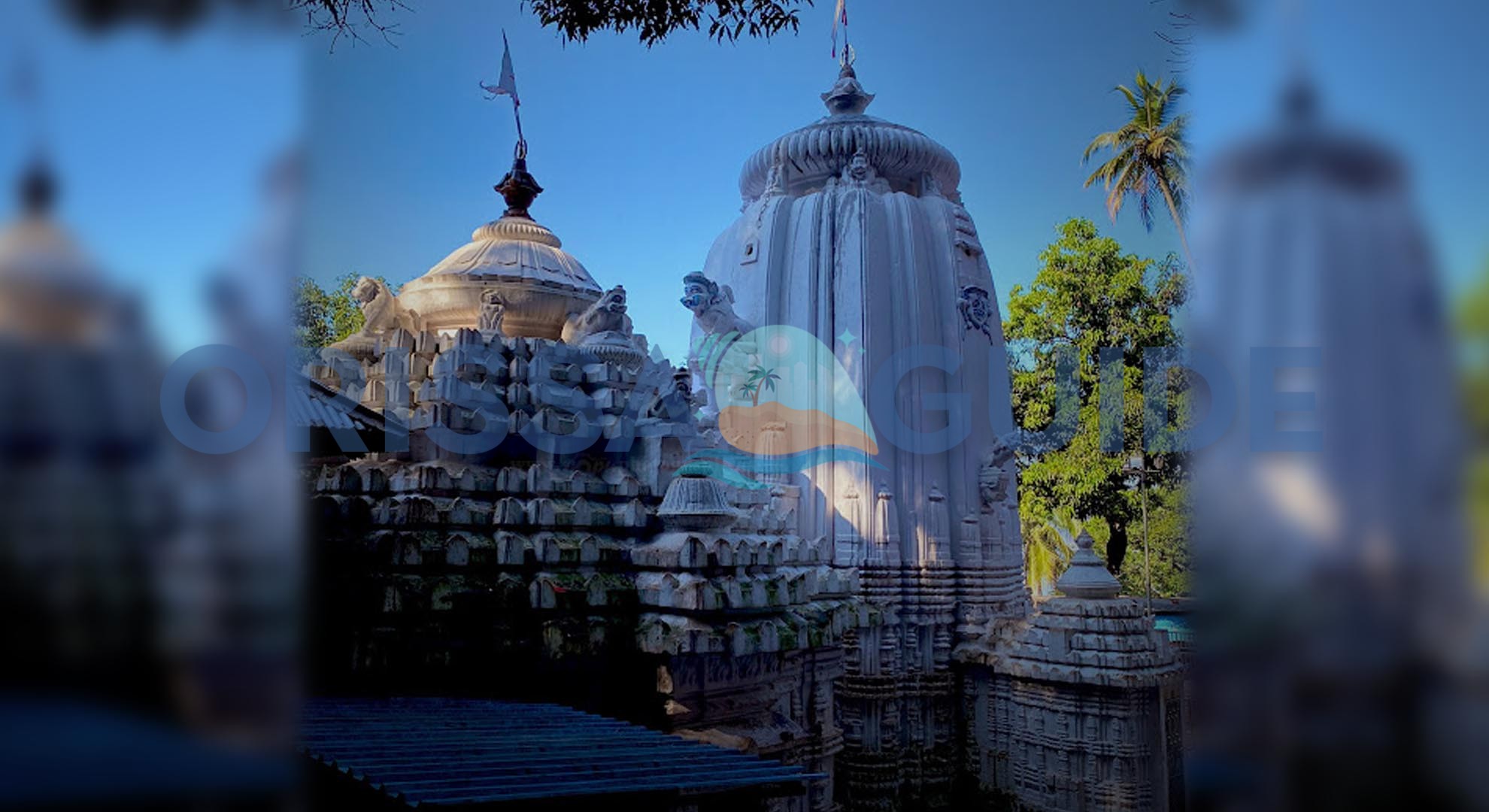
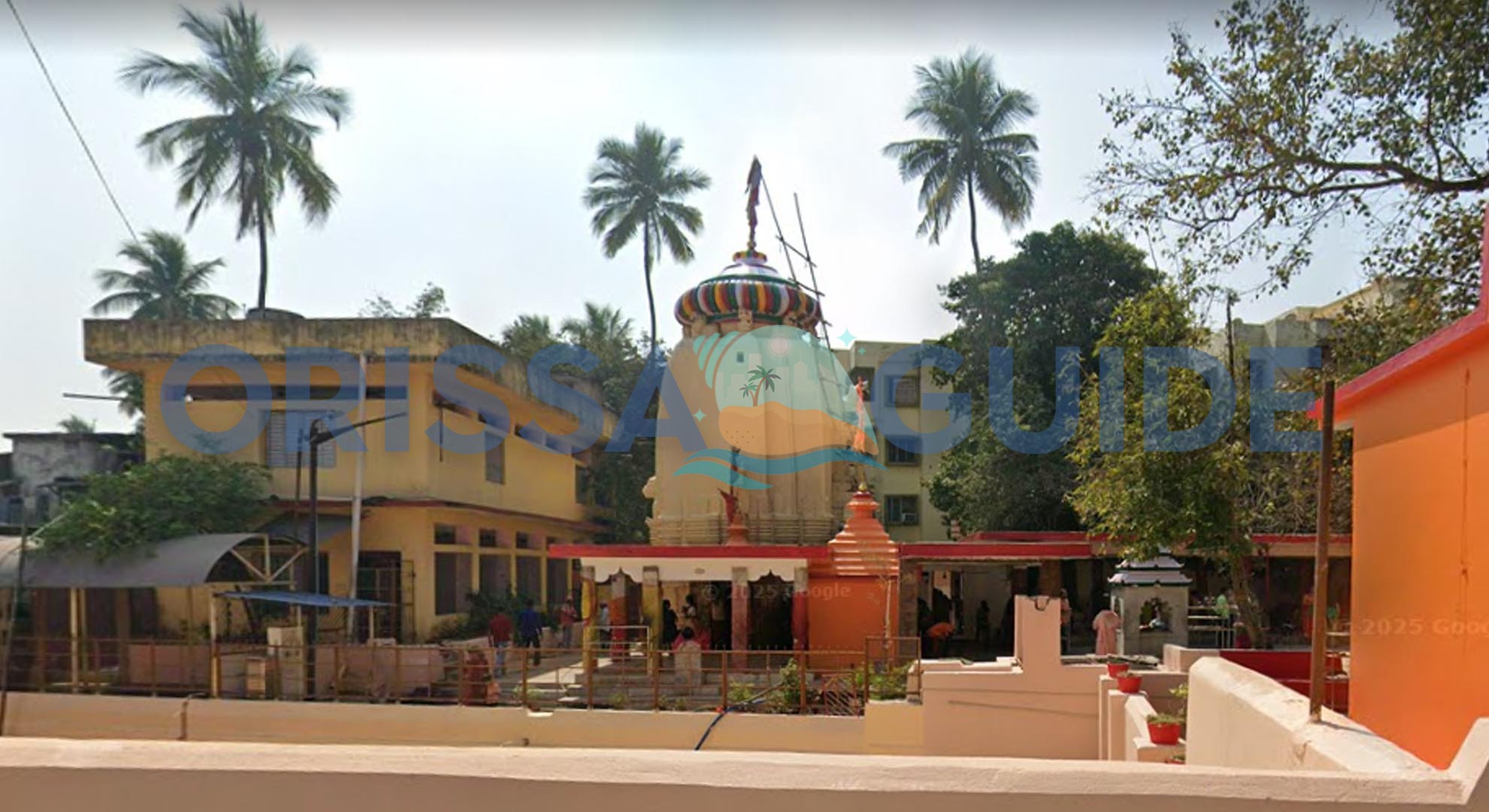
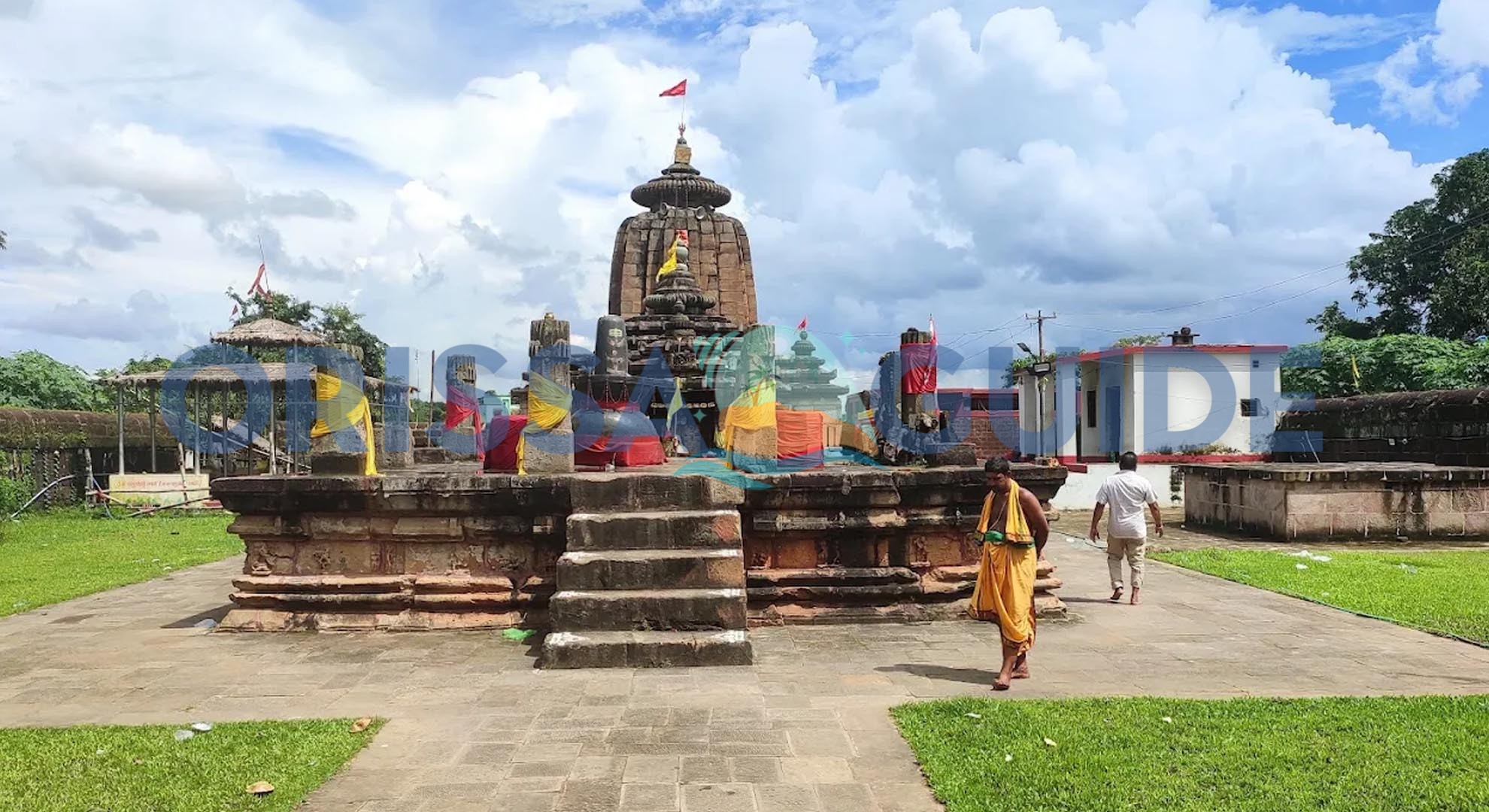
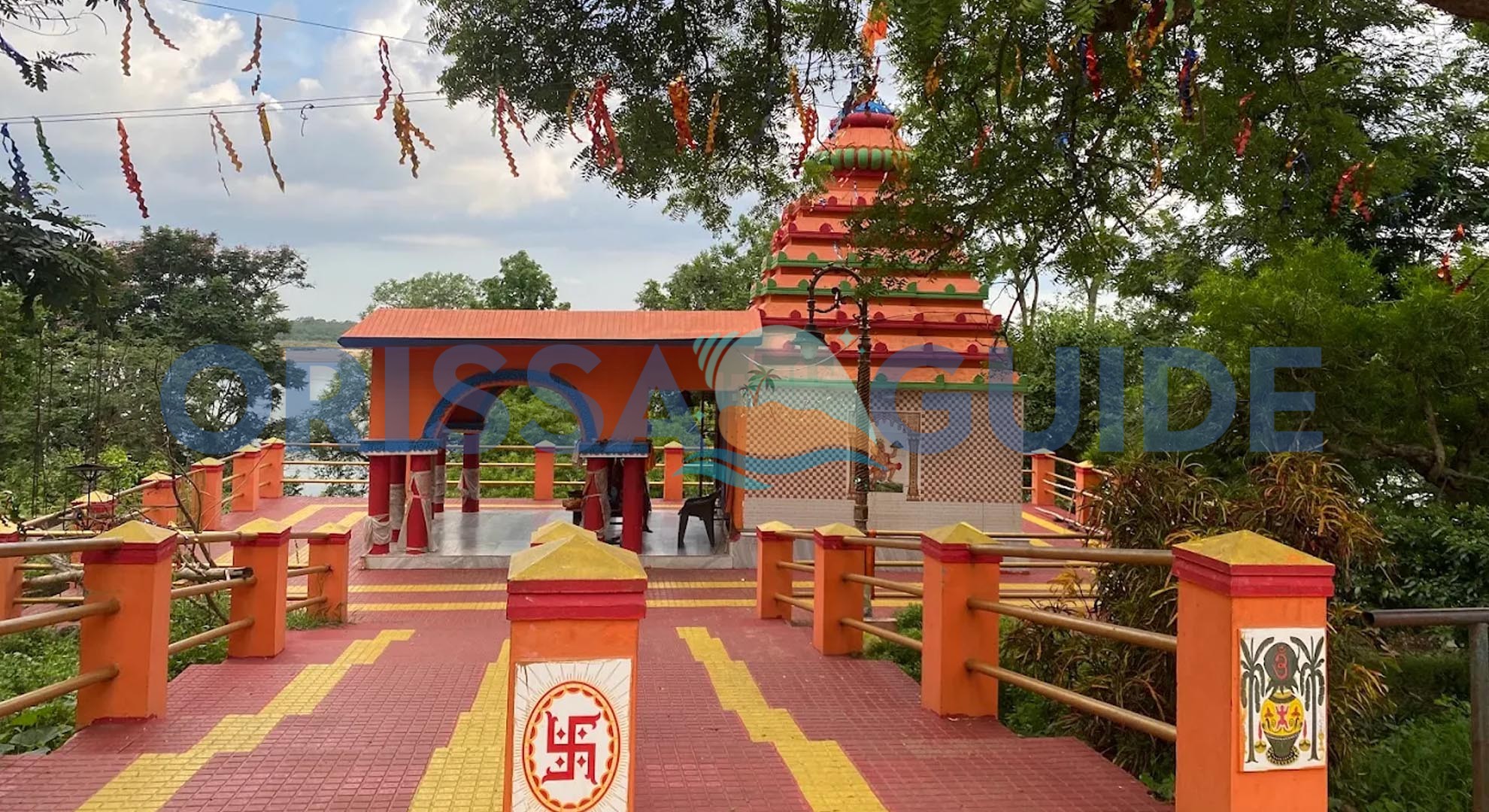
Kotitirtha Tank Temple is a serene spiritual haven, reflecting the rich cultural and religious heritage of Odisha, one among many such temples, located right in the center of Bhubaneswar. For centuries, this ancient shrine, with a sacred tank, has been a pilgrimage center for devotees and history enthusiasts alike who throng here throughout the year.
Situated in the heart of Bhubaneswar, the Kotitirtha Tank Temple is not merely a place of worship but a symbol of Odisha’s timeless devotion and artistic excellence. The temple complex has attracted devotees, pilgrims, historians, travelers, and architecture enthusiasts for centuries. What makes this destination unique is the sacred tank or kund, which serves as the spiritual center of the complex and is deeply associated with purification rituals and religious beliefs.

The temple is primarily dedicated to Lord Shiva, one of the principal deities of Hinduism and the symbol of destruction and transformation. Devotees believe that visiting the temple and taking a holy dip in the sacred waters of the tank helps cleanse sins and purify the soul. This belief has made the Kotitirtha Tank Temple an important pilgrimage destination for generations.
Apart from its spiritual significance, the temple complex also stands as a remarkable example of ancient Odisha’s architectural brilliance. Intricate stone carvings, sculpted walls, traditional Kalinga-style temple design, and the peaceful surroundings make the site a visual and spiritual delight.
The calm atmosphere surrounding the temple creates a perfect escape from the fast-paced urban environment of Bhubaneswar. Visitors often describe the temple as a place where spirituality and tranquility coexist harmoniously. Whether someone visits for prayer, meditation, photography, cultural exploration, or historical interest, the Kotitirtha Tank Temple offers a deeply enriching experience.
Historical Significance of Kotitirtha Tank Temple
The Kotitirtha Tank Temple holds immense historical importance in Odisha’s cultural and religious landscape. Historians believe that the temple dates back to the Somavamsi dynasty, a period known for the flourishing of temple architecture, religious practices, and artistic achievements in Odisha.
During medieval times, Bhubaneswar emerged as a prominent center of Shaivism, and temples dedicated to Lord Shiva were constructed across the region. The Kotitirtha Tank Temple became one such sacred destination where devotees gathered to worship, perform rituals, and participate in social and religious activities.
The temple complex was not just a place of worship but also an important community center where:
- Religious ceremonies were conducted
- Pilgrims gathered for spiritual activities
- Cultural traditions were celebrated
- Social interactions took place
The sacred tank associated with the temple played a particularly important role in ritualistic practices. It was traditionally believed that taking a holy dip in the waters before entering the temple purified both the body and mind. Kings, priests, saints, and ordinary devotees followed this practice before performing important rituals and prayers.
Over centuries, the temple became deeply rooted in the spiritual identity of Bhubaneswar. Despite political changes, modernization, and urban development, the Kotitirtha Tank Temple has preserved its historical and religious essence.
The temple’s continued existence today is a testimony to Odisha’s commitment to preserving its ancient heritage. Every stone carving and architectural detail within the complex reflects the artistic and cultural values of medieval Odisha.
For historians and archaeologists, the temple offers valuable insight into:
- Ancient temple construction techniques
- Religious practices of medieval India
- The evolution of Kalinga architecture
- The cultural importance of sacred water bodies in Hinduism
Walking through the temple complex feels like entering a living museum that narrates stories of devotion, artistry, and spiritual traditions that have survived for centuries.
Architectural Marvels of Kotitirtha Temple
The Kotitirtha Tank Temple is one of the finest examples of traditional Kalinga-style architecture, which is renowned for its intricate carvings, elegant temple towers, and symbolic artistic elements.
The temple’s design showcases the remarkable craftsmanship of ancient Odisha’s artisans. Every corner of the temple reflects careful planning, precision, and artistic brilliance.
The Temple Tower (Shikhara)
One of the most striking features of the temple is its towering shikhara or spire. Rising gracefully toward the sky, the temple tower symbolizes the connection between the earthly world and the divine realm.
The vertical structure draws the eyes upward, creating a sense of spiritual elevation and divine presence. The architectural proportions and balanced design demonstrate the advanced engineering knowledge possessed by ancient temple builders.
Intricate Stone Carvings
The walls of the temple are richly decorated with detailed carvings and sculptures. These carvings depict:
- Lord Shiva in various forms
- Goddess Parvati
- Mythological stories from Hindu scriptures
- Celestial beings and divine dancers
- Floral and geometric patterns
Each carving serves both decorative and symbolic purposes. The sculptures narrate stories of devotion, morality, spirituality, and cosmic order, allowing visitors to visually connect with Hindu mythology.
The artistic detailing is so precise that even after centuries, many carvings continue to impress visitors with their elegance and craftsmanship.
The Sacred Tank (Kund)
The sacred tank is the heart of the Kotitirtha Tank Temple complex. Large stone steps descend gracefully into the water, allowing devotees to access the tank for ritual bathing.
The kund is considered highly sacred because it symbolizes:
- Spiritual purification
- Cleansing of sins
- Renewal of the soul
- Divine blessings
The calm water surface reflects the surrounding temple structures, creating a mesmerizing visual experience, especially during sunrise and sunset.
Use of Traditional Materials
The temple was constructed using durable local stone, which has helped preserve its structure over centuries. The weather-resistant materials and advanced construction methods demonstrate the technological expertise of ancient Odisha.
The combination of spiritual symbolism, artistic expression, and structural stability makes the Kotitirtha Tank Temple a masterpiece of Indian temple architecture.
Spiritual Significance of Kotitirtha Temple
The Kotitirtha Tank Temple is deeply revered as a sacred spiritual destination dedicated to Lord Shiva. For devotees, the temple is not simply a physical structure but a divine space filled with spiritual energy and religious importance.
According to local beliefs, the sacred waters of the tank possess purifying powers capable of washing away sins and negative energies. Devotees often begin their spiritual journey at the temple by taking a ritual bath in the kund before entering the shrine for worship.
The temple provides an ideal environment for:
- Prayer and worship
- Meditation and self-reflection
- Spiritual healing
- Seeking peace and blessings
Many devotees visit the temple during important life events to seek Lord Shiva’s blessings for:
- Good health
- Prosperity
- Peace of mind
- Family well-being
The spiritual significance of the temple becomes especially visible during major Hindu festivals, when thousands of devotees gather to participate in rituals and celebrations.
For spiritual seekers, the Kotitirtha Tank Temple offers an opportunity to disconnect from worldly stress and reconnect with inner peace and faith.
Visitor Experience at Kotitirtha Mandir
A visit to the Kotitirtha Tank Temple is a deeply enriching experience that combines spirituality, history, architecture, and tranquility.
As visitors enter the temple complex, they are welcomed by:
- The soothing sound of temple bells
- The peaceful sight of devotees praying
- The serene beauty of the sacred tank
- The impressive architecture of the shrine
The calm environment immediately creates a sense of relaxation and spiritual connection.
Experience for Pilgrims
For devotees, the temple is a sacred place to:
- Offer prayers to Lord Shiva
- Participate in rituals
- Seek divine blessings
- Experience spiritual peace
Many pilgrims spend time sitting quietly near the tank, meditating or observing the rituals performed by other worshippers.
Experience for History and Architecture Lovers
The temple is equally fascinating for visitors interested in:
- Ancient Indian history
- Temple architecture
- Sculpture and stone art
- Odisha’s cultural traditions
The detailed carvings and traditional Kalinga architectural elements provide endless opportunities for observation and appreciation.
Photography Opportunities
Photographers are often drawn to:
- Reflections in the sacred tank
- Intricate temple carvings
- Traditional rituals and ceremonies
- Peaceful natural surroundings
The combination of spirituality and visual beauty makes the temple an excellent destination for photography enthusiasts.
Festivals and Celebrations at Kotitirtha Temple
The temple comes alive during festivals, attracting large numbers of devotees and creating a vibrant spiritual atmosphere.
Maha Shivaratri
The most important festival celebrated at the temple is Maha Shivaratri, dedicated to Lord Shiva. During this festival:
- Devotees observe fasting and night-long prayers
- Special rituals and abhishekas are performed
- The temple is decorated with flowers and lights
- Bhajans and devotional songs fill the atmosphere
Thousands of pilgrims visit the temple during this time to seek blessings and participate in the sacred celebrations.
Kartik Purnima
Another major festival observed here is Kartik Purnima, considered highly auspicious in Odisha. Devotees gather near the sacred tank for prayers and ritual bathing.
Shravana Mondays
The holy month of Shravana holds special significance for Shiva devotees. Mondays during this month witness increased footfall at the temple as worshippers offer milk, water, and flowers to the Shiva Lingam.
The festivals transform the temple into a lively cultural and spiritual center, offering visitors an opportunity to witness Odisha’s rich religious traditions.
Tips for Visiting Kotitirtha Tank Temple, Bhubaneswar, Odisha
To make your visit comfortable and meaningful, consider the following tips:
Dress Modestly
Since it is a religious site, visitors should wear respectful and modest clothing.
Remove Footwear
Shoes and slippers must be removed before entering the temple premises.
Carry Essentials
Especially during summer, carry:
- Water bottles
- Sunscreen
- Comfortable footwear
- Towels and spare clothes if planning a ritual bath
Respect Temple Customs
Maintain silence and avoid disturbing worshippers during rituals and prayers.
Photography
Photography is generally allowed in outer areas, but visitors should follow temple guidelines.
How to Reach Kotitirtha Tank Temple
The Kotitirtha Tank Temple, Bhubaneswar, Odisha, located in the very heart of Bhubaneswar, can be reached by different ways of transport. The temple lies about 5 kilometers away from the Bhubaneswar Railway Station and 6 kilometers from Biju Patnaik International Airport, thus making it convenient for domestic and international travelers alike.
Local buses, auto-rickshaws, and taxis are easily available to take you to the temple. If someone prefers to drive, a big parking area is available near the temple complex. The good time for visiting Kotitirtha Tank Temple, Bhubaneswar, Odisha, is during the months of winter, i.e., from October to March because of the pleasant and congenial climate that will allow you to explore the temple and its surroundings in a good way.
Plan your visit to the Kotitirtha Tank Temple, Bhubaneswar, Odisha, and get immersed in the richness of this iconic destination, both spiritually and historically.
Nearby Attractions in Bhubaneswar
Visitors to Kotitirtha Tank Temple can also explore nearby attractions such as:
- Lingaraj Temple
- Mukteswara Temple
- Rajarani Temple
- Udayagiri and Khandagiri Caves
- Odisha State Museum
Together, these sites create a complete cultural and spiritual tour of Bhubaneswar.
Conclusion
The Kotitirtha Tank Temple in Bhubaneswar, Odisha, is a timeless symbol of spirituality, history, and architectural brilliance. From its sacred tank and detailed stone carvings to its peaceful environment and deep religious significance, every aspect of the temple reflects Odisha’s rich cultural heritage.
Whether you are a pilgrim seeking blessings, a traveler exploring ancient India, or a photography enthusiast searching for beauty and history, the temple offers a memorable and meaningful experience.
A visit to the Kotitirtha Tank Temple is more than just a sightseeing journey—it is an opportunity to connect with the spiritual soul and historical legacy of Odisha.