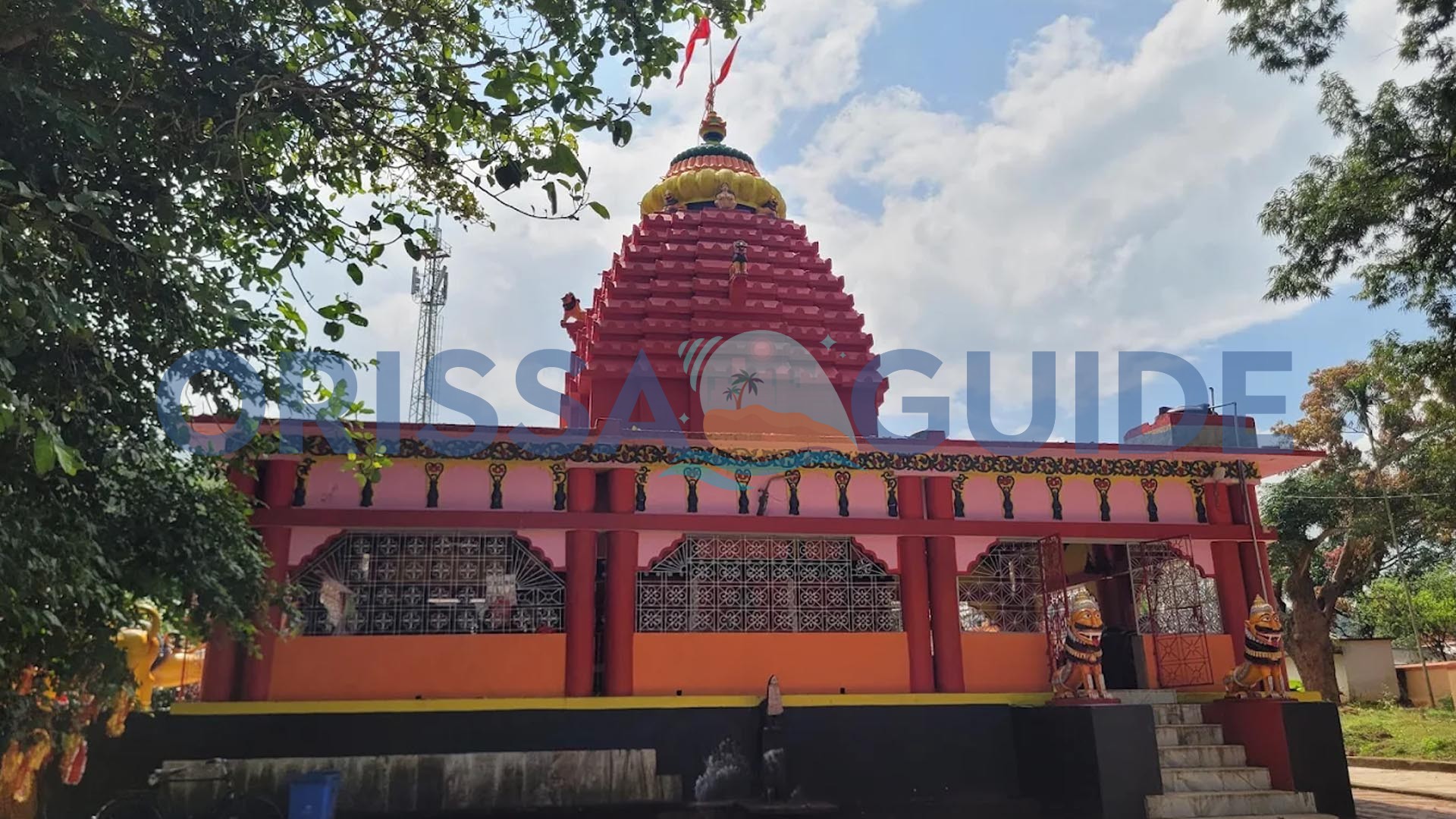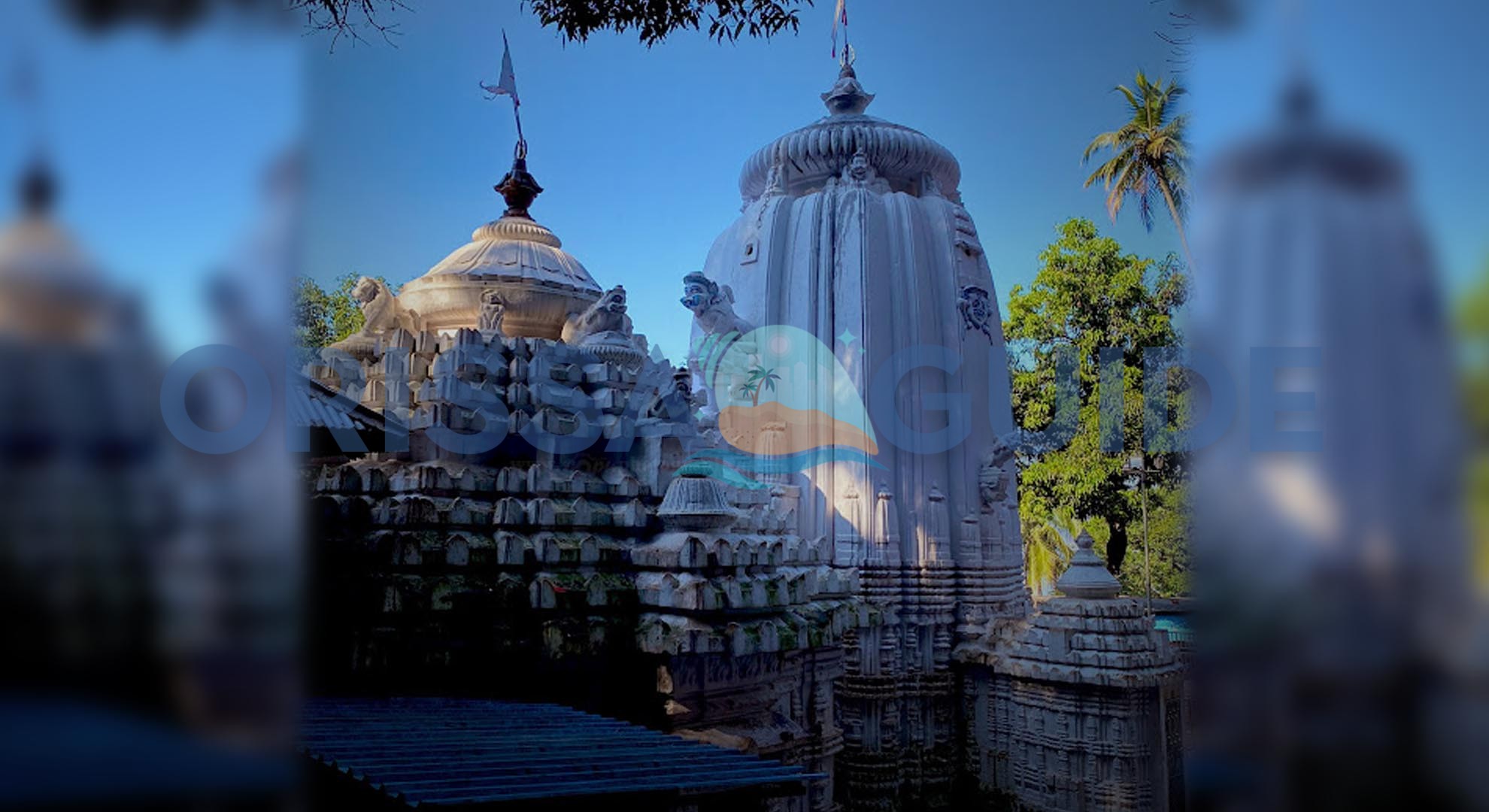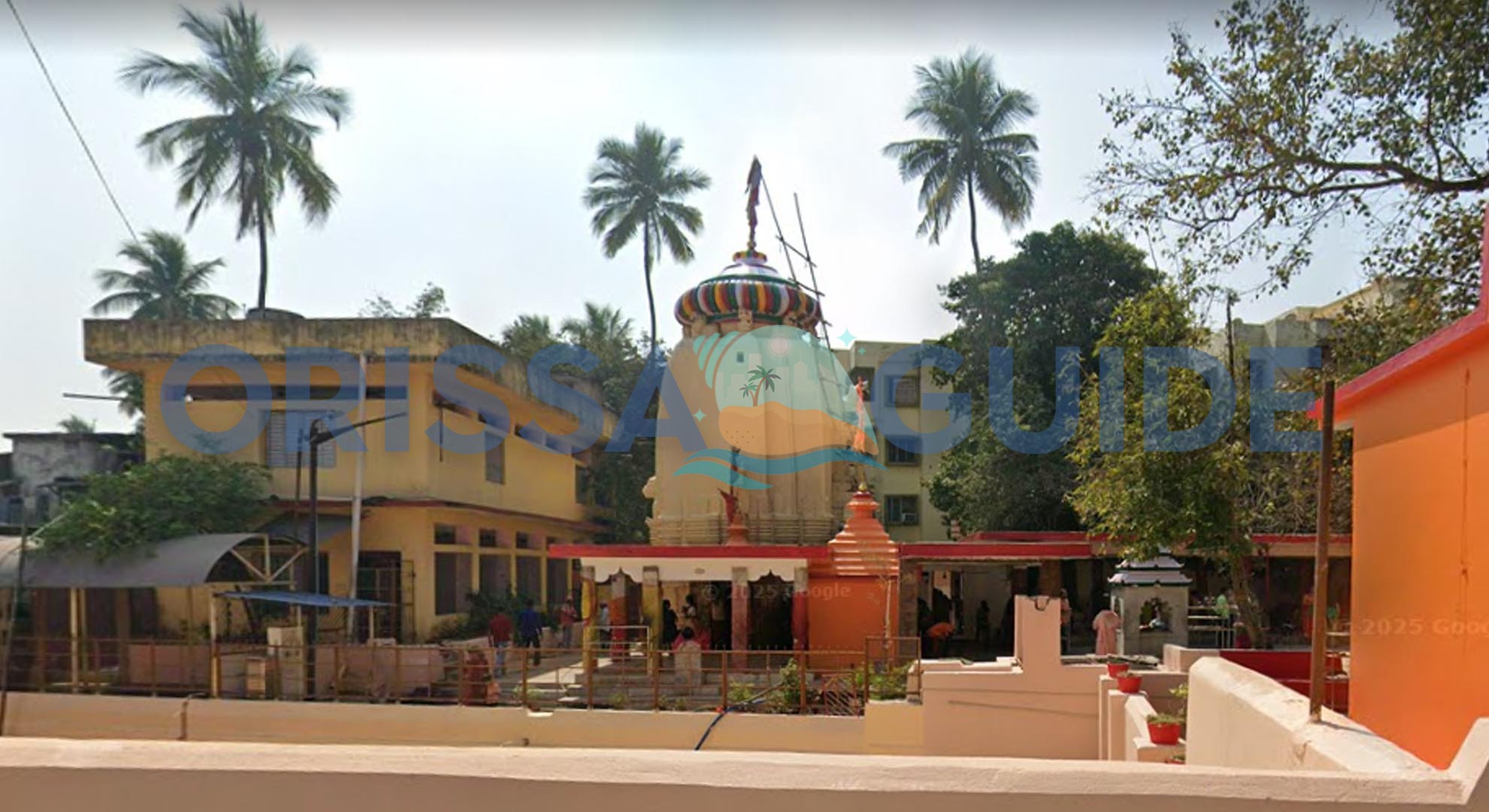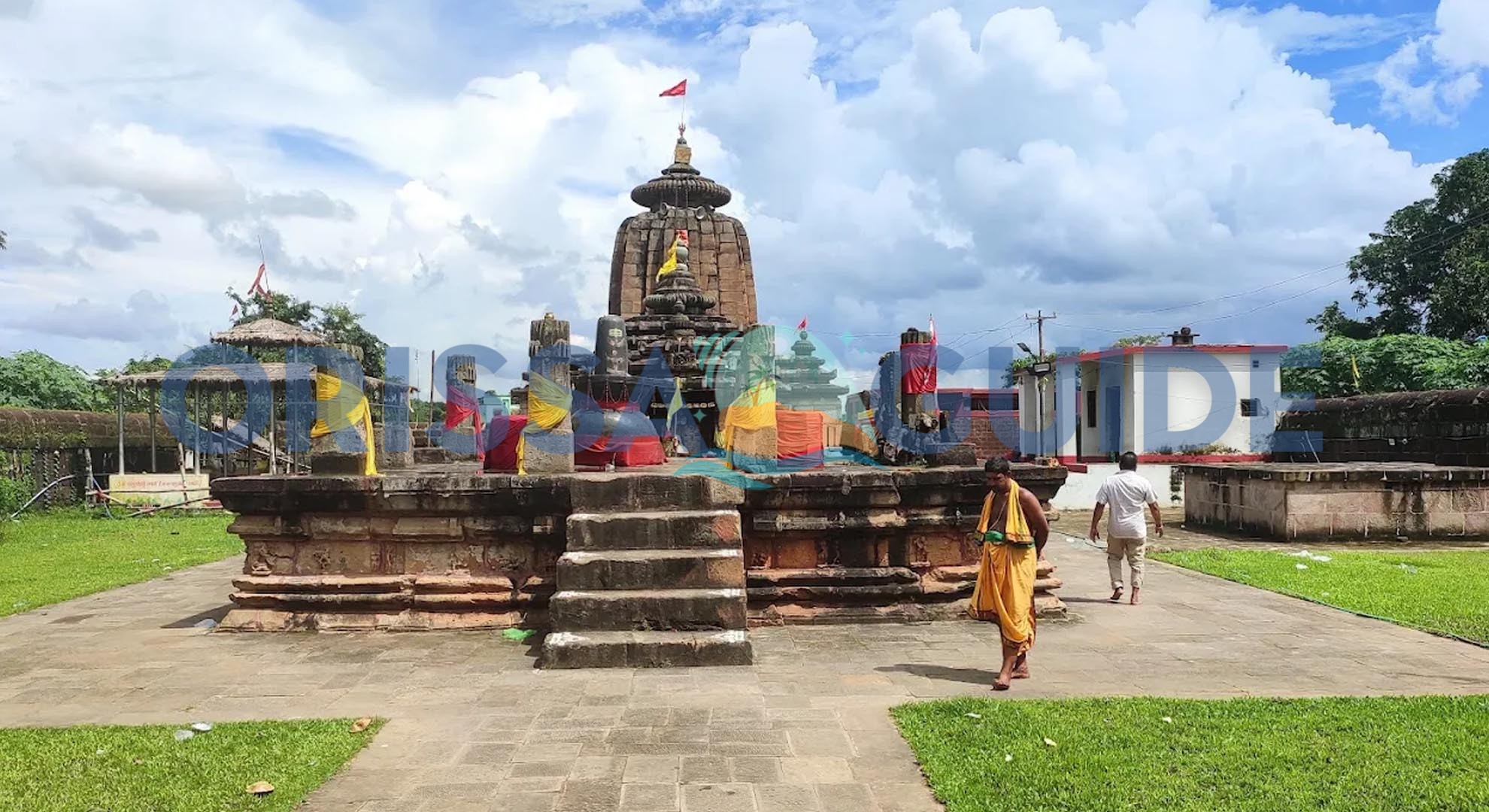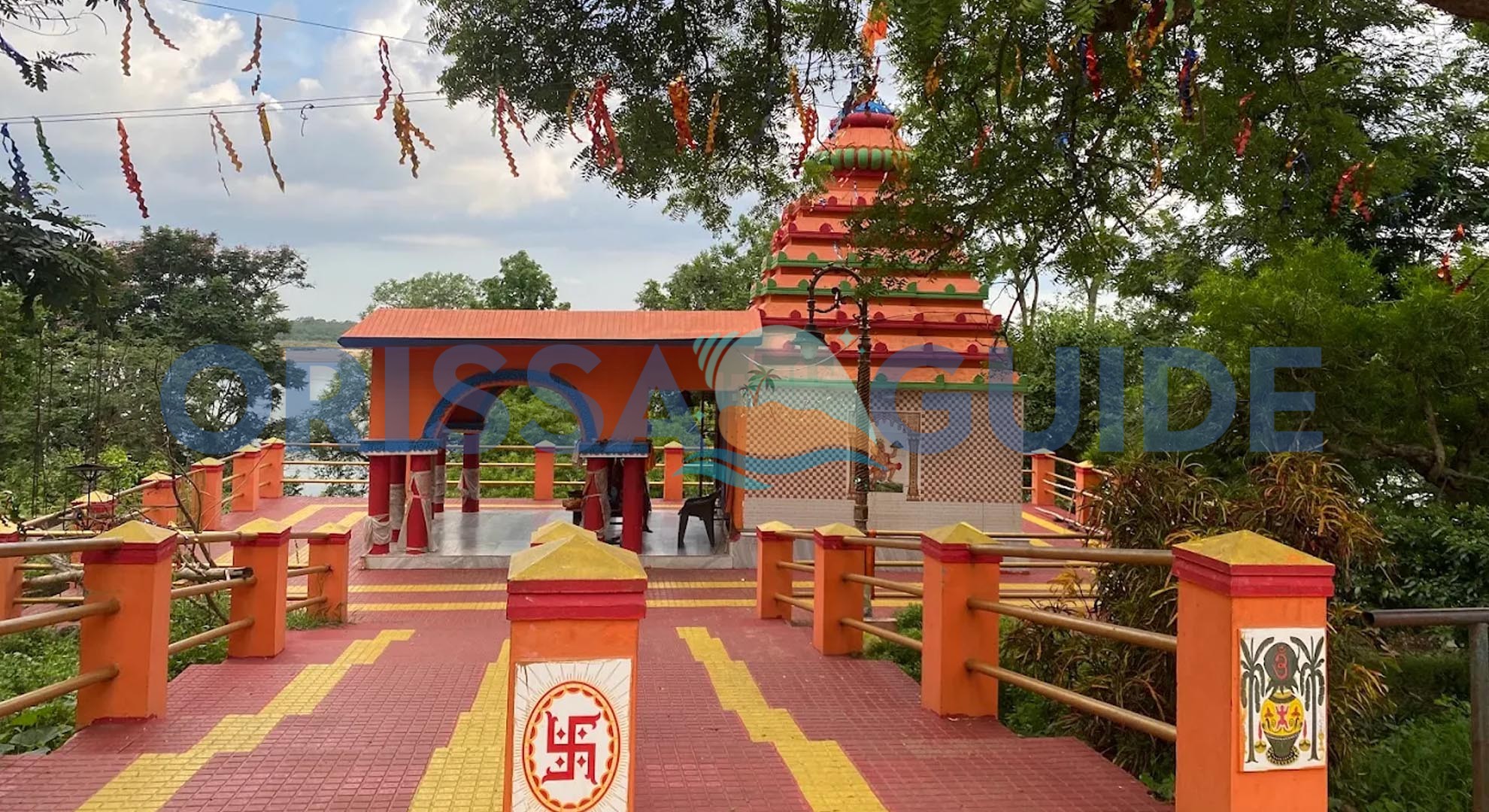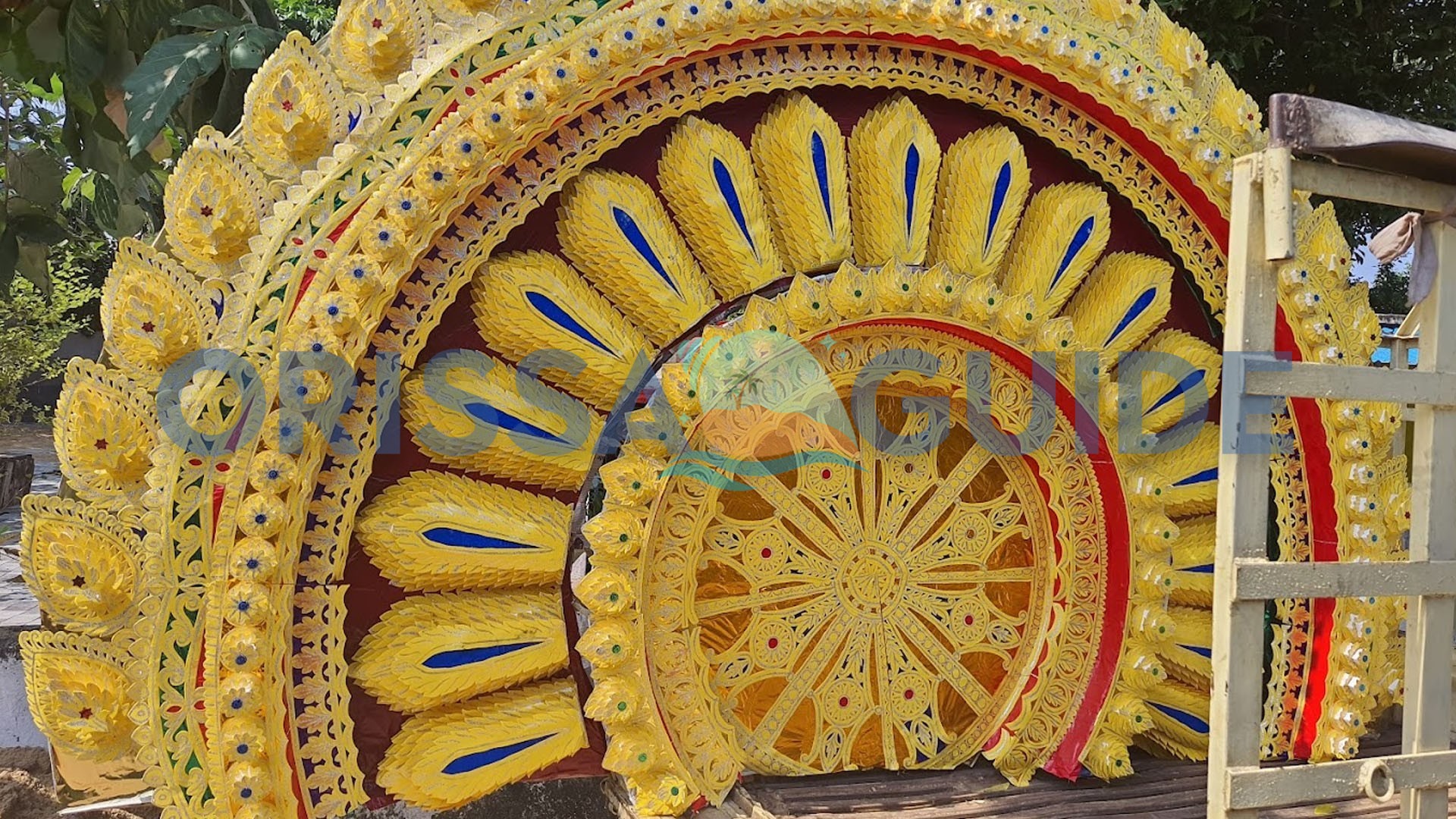

Kukutesvara Siva Temple, situated in Bhubaneswar, Odisha, is a surprising ancient architectural beauty and a spiritual endeavor worthy of admiration. Therefore, this temple of Lord Shiva is an important monument representing the long past of Hinduism. The city, known as the “City of Temple” is full of historically and culturally important monuments, with the Kukutesvara Siva Temple being one of particular interest because of its elaborate architectural work and odd construction. The rest of this article will base its content on history, architecture, and the importance of the temple.
For devotees, the temple is a sacred center of worship and spiritual awakening. For historians and architecture enthusiasts, it serves as a living example of the evolution of Kalinga architecture, one of India’s most celebrated temple styles. The temple’s artistic beauty, combined with its religious importance, makes it a must-visit destination for anyone interested in exploring Odisha’s cultural roots.
Surrounded by the historic charm of Bhubaneswar, the Kukutesvara Siva Temple provides visitors with an opportunity to experience spirituality, heritage, and art all in one place. Walking through its ancient premises feels like stepping back into a glorious era when temples were not only places of worship but also centers of art, culture, and community life.
History of Kukutesvara Siva Temple
The history of the Kukutesvara Siva Temple dates back to the 6th century CE, making it one of the oldest surviving temples in Bhubaneswar. Historians believe that the temple was constructed during the rule of the early Somavamsi dynasty, a period that marked significant growth in temple architecture and religious activities in Odisha.

The Somavamsi rulers were known for their patronage of Hinduism, particularly Shaivism, and contributed immensely to the construction of temples across the region. Kukutesvara Siva Temple reflects the early stages of architectural experimentation that later evolved into the grand temple structures for which Odisha became famous.
Over the centuries, the temple has witnessed:
- Political changes
- Cultural transformations
- Natural aging and restoration
- Continuous religious worship
Despite the passage of time, the temple has retained much of its original spiritual essence and architectural beauty.
The walls and sculptures of the temple narrate stories from Hindu mythology and ancient traditions. These carvings not only served decorative purposes but also acted as visual storytelling tools that educated devotees about religious beliefs and moral values.
The temple’s survival through centuries demonstrates the resilience of Odisha’s cultural heritage and the devotion of generations who continued to preserve this sacred monument.
Today, Kukutesvara Siva Temple stands as an important reminder of Bhubaneswar’s historical importance as a center of religion, art, and architecture.
Architectural Style
One of the most fascinating aspects of Kukutesvara Siva Temple is its architectural beauty. The temple is a fine example of the Kalinga style of architecture, which is characterized by intricate carvings, elegant structures, and symbolic design elements.
The temple showcases the extraordinary craftsmanship of ancient Odisha’s artisans, who transformed stone into detailed works of art.
The Garbhagriha (Sanctum Sanctorum)
At the heart of the temple lies the Garbhagriha, or sanctum sanctorum, where the sacred Shiva Lingam is installed. This inner chamber is considered the holiest part of the temple and symbolizes the spiritual center of the structure.
The sanctum is designed to create a deeply spiritual atmosphere where devotees can offer prayers and connect with divine energy.
The Temple Tower (Shikhara)
The towering Shikhara, or temple spire, is one of the most visually striking elements of the temple. Rising gracefully toward the sky, the tower symbolizes the connection between the earthly world and the divine realm.
The Shikhara is adorned with:
- Mythological motifs
- Sculpted deities
- Decorative patterns
- Symbolic carvings
Its vertical design reflects the architectural sophistication of ancient Odisha.
Intricate Stone Carvings
The walls, doorways, and pillars of Kukutesvara Siva Temple are decorated with finely detailed carvings that showcase remarkable artistic skill.
These carvings depict:
- Scenes from Hindu mythology
- Various forms of Lord Shiva
- Celestial beings and dancers
- Floral and geometric patterns
- Religious symbols and motifs
The detailed craftsmanship demonstrates the patience and creativity of ancient artisans who spent years perfecting these artistic elements.
Use of Kalinga Architectural Style
Kalinga architecture is one of the defining features of Odisha’s temple heritage, and Kukutesvara Siva Temple beautifully represents this style.
Important characteristics include:
- Curvilinear towers
- Pyramid-like structures
- Decorative stone carvings
- Balanced proportions
- Symbolic architectural layouts
The temple reflects how architecture during ancient times was deeply connected with spirituality and cosmic symbolism.
Religious Significance
Kukutesvara Siva Temple holds immense religious importance for devotees of Lord Shiva. It is considered a sacred space filled with spiritual energy and divine blessings.
For centuries, pilgrims and devotees have visited the temple to:
- Offer prayers to Lord Shiva
- Seek blessings and protection
- Perform religious rituals
- Meditate and find inner peace
The temple is especially significant during major Hindu festivals dedicated to Lord Shiva.
Many devotees believe that worshipping at Kukutesvara Siva Temple helps:
- Remove obstacles from life
- Bring spiritual growth
- Promote peace and prosperity
- Fulfill wishes and desires
The calm and sacred atmosphere of the temple enhances the spiritual experience for visitors.
Mythological Connections and Legends
Like many ancient temples in Odisha, Kukutesvara Siva Temple is associated with several mythological beliefs and local legends.
According to local traditions:
- The temple is believed to possess divine spiritual energy
- Lord Shiva is worshipped here in a powerful form
- The temple has protected devotees for generations
Such legends contribute to the sacred aura surrounding the temple and strengthen the emotional connection devotees feel toward it.
Festivals and Celebrations
The temple becomes especially vibrant during Hindu festivals, when large numbers of devotees gather to participate in prayers and rituals.
Maha Shivaratri
The most important festival celebrated at the temple is Maha Shivaratri, dedicated to Lord Shiva.
During this festival:
- Devotees observe fasting
- Night-long prayers and chanting take place
- Special rituals are performed
- The temple is beautifully decorated with flowers and lights
Thousands of devotees visit the temple during Maha Shivaratri to seek blessings from Lord Shiva.
Makar Sankranti
Makar Sankranti is another important festival celebrated with traditional rituals and offerings. Devotees gather at the temple to mark the beginning of an auspicious period in the Hindu calendar.
Kartik Purnima
Kartik Purnima is celebrated with spiritual activities and prayers. The festival carries great religious significance in Odisha and attracts many worshippers.
Navaratri and Other Festivals
Other Hindu festivals such as:
- Navaratri
- Shravan month rituals
- Special Shiva pujas
are also observed with devotion and cultural enthusiasm.
These celebrations highlight Odisha’s rich religious traditions and community spirit.
Thus, the colorful celebration at Kukutesvara Siva Temple showcases the long-established cultural traditions in Odisha and the eternal dedication of the people to it.
Accessibility and Visitor Information
One of the most memorable aspects of visiting Kukutesvara Siva Temple is the peaceful spiritual environment.
The temple offers visitors:
- A calm and serene atmosphere
- Opportunities for meditation and reflection
- Relief from busy city life
- A deep connection with ancient traditions
The sound of temple bells, chanting of prayers, and fragrance of incense create a sacred ambiance that leaves visitors spiritually refreshed.
Unlike crowded tourist spots, the temple allows visitors to spend quiet moments appreciating its beauty and spirituality.
Importance of Kukutesvara Siva Temple in Odisha’s Heritage
Kukutesvara Siva Temple is an important part of Odisha’s cultural and architectural heritage.
The temple contributes to:
- Preservation of ancient art and architecture
- Continuation of religious traditions
- Promotion of heritage tourism
- Understanding Odisha’s historical development
It serves as a valuable link between the past and present, allowing modern generations to appreciate the achievements of ancient Indian civilization.
How to Reach Kukutesvara Siva Temple
By Air
The nearest airport is:
- Biju Patnaik International Airport, Bhubaneswar
The airport is well connected to major Indian cities.
By Rail
The nearest railway station is:
- Bhubaneswar Railway Station
Regular trains connect Bhubaneswar with various parts of India.
By Road
The temple is easily accessible through:
- City buses
- Taxis
- Auto-rickshaws
- Private vehicles
The well-developed road network of Bhubaneswar ensures convenient travel.
Why You Should Visit Kukutesvara Siva Temple
Kukutesvara Siva Temple offers a perfect blend of:
- Ancient history
- Spiritual significance
- Architectural beauty
- Cultural heritage
- Peaceful surroundings
Whether you are a devotee, traveler, historian, photographer, or architecture enthusiast, the temple provides an enriching and memorable experience.
Its timeless charm and sacred atmosphere continue to inspire visitors from different walks of life.
Conclusion
The Kukutesvara Siva temple in Bhubaneswar, Odisha, is more than a shrine of worship. It is a veritable treasure trove of history, art, and culture. The Temple, through its intricate architecture, steady history, and religious importance, acts as a must-destination for any traveler interested in Indian heritage. By visiting the Kukutesvara Siva Temple, you would really be experiencing the very essence of spirituality and the beauty of the art behind this ancient building.
Thus, having explored the temple, its history, and its significance, we put forward another element that influenced the mighty hoof of beauty and devotion from time to time for generations of devotees and tourists.