Odisha is a land deeply rooted in spirituality, culture, and architectural brilliance. From majestic temples and ancient caves to sacred rivers and heritage monuments, the state offers countless treasures that reflect India’s glorious past. Among these spiritual landmarks lies the Luha Khambeswara Shiva Temple, a hidden gem located in the Gajapati district of Odisha.
Nestled amidst peaceful surroundings and natural beauty, the temple stands as a symbol of devotion, history, and artistic excellence. Though not as widely known as some of Odisha’s larger temples, Luha Khambeswara Shiva Temple possesses a unique charm that leaves visitors mesmerized. Its tranquil atmosphere, ancient architecture, and spiritual energy make it a destination worth exploring for pilgrims, history enthusiasts, photographers, and travelers alike.

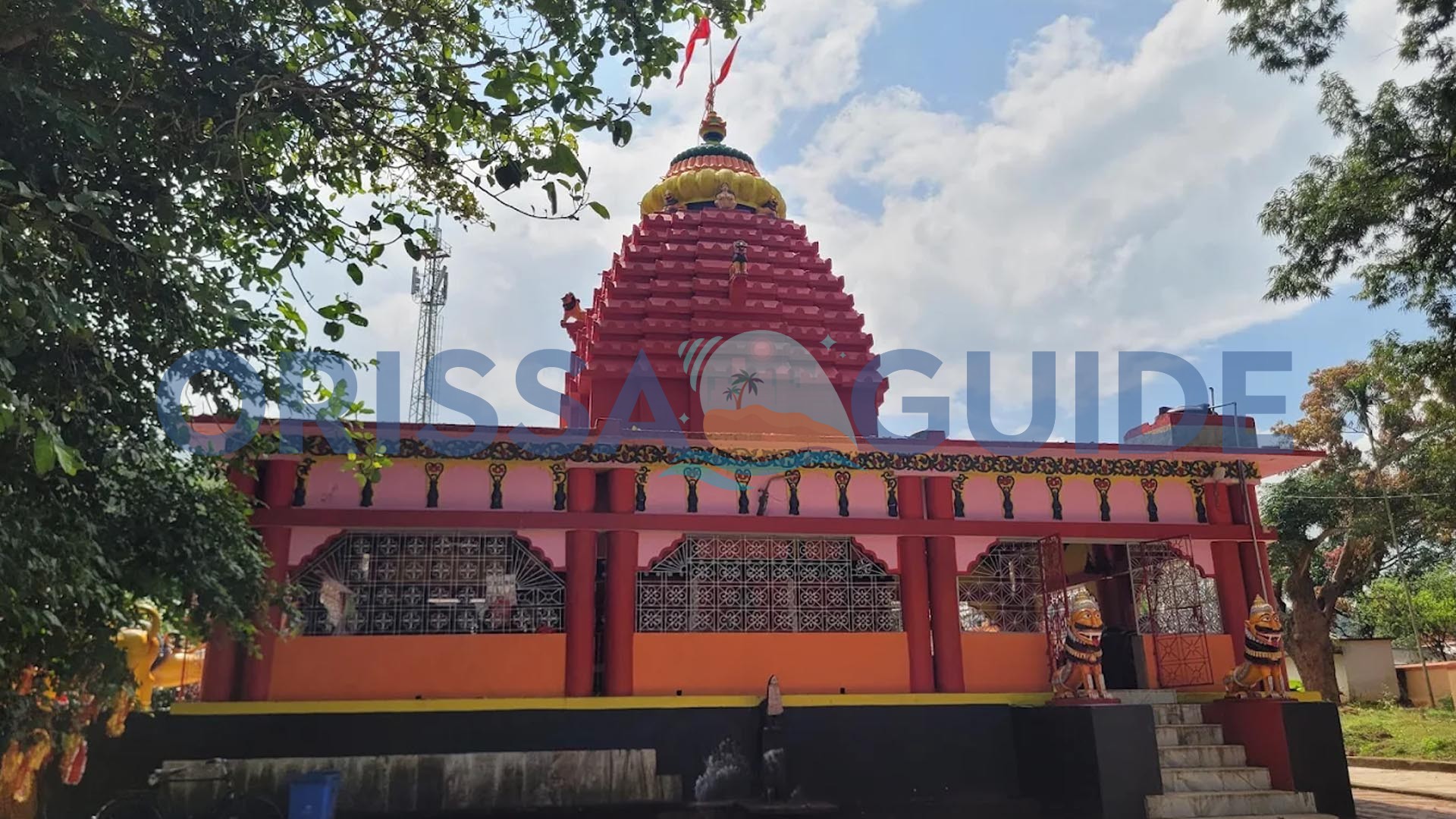
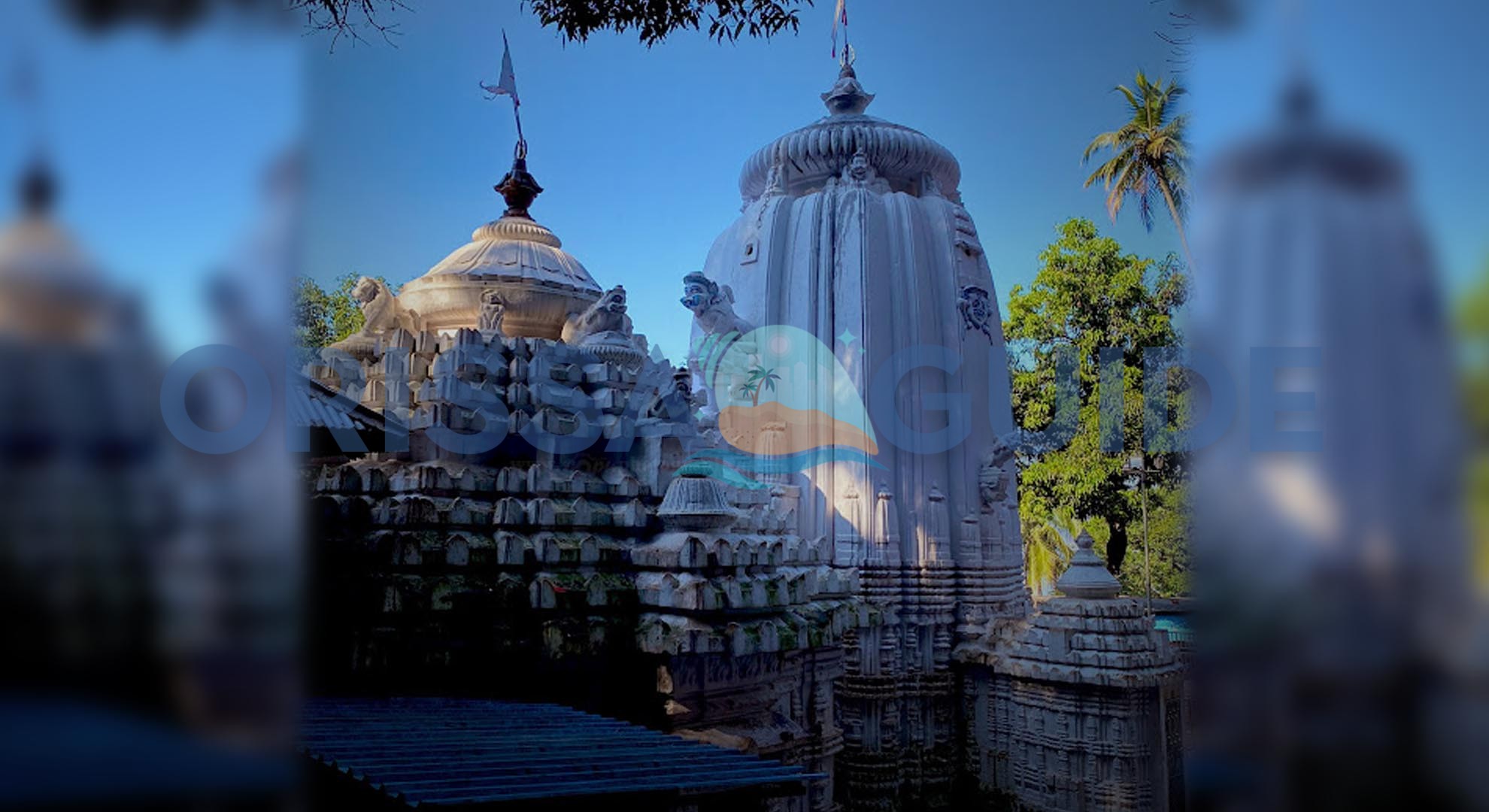
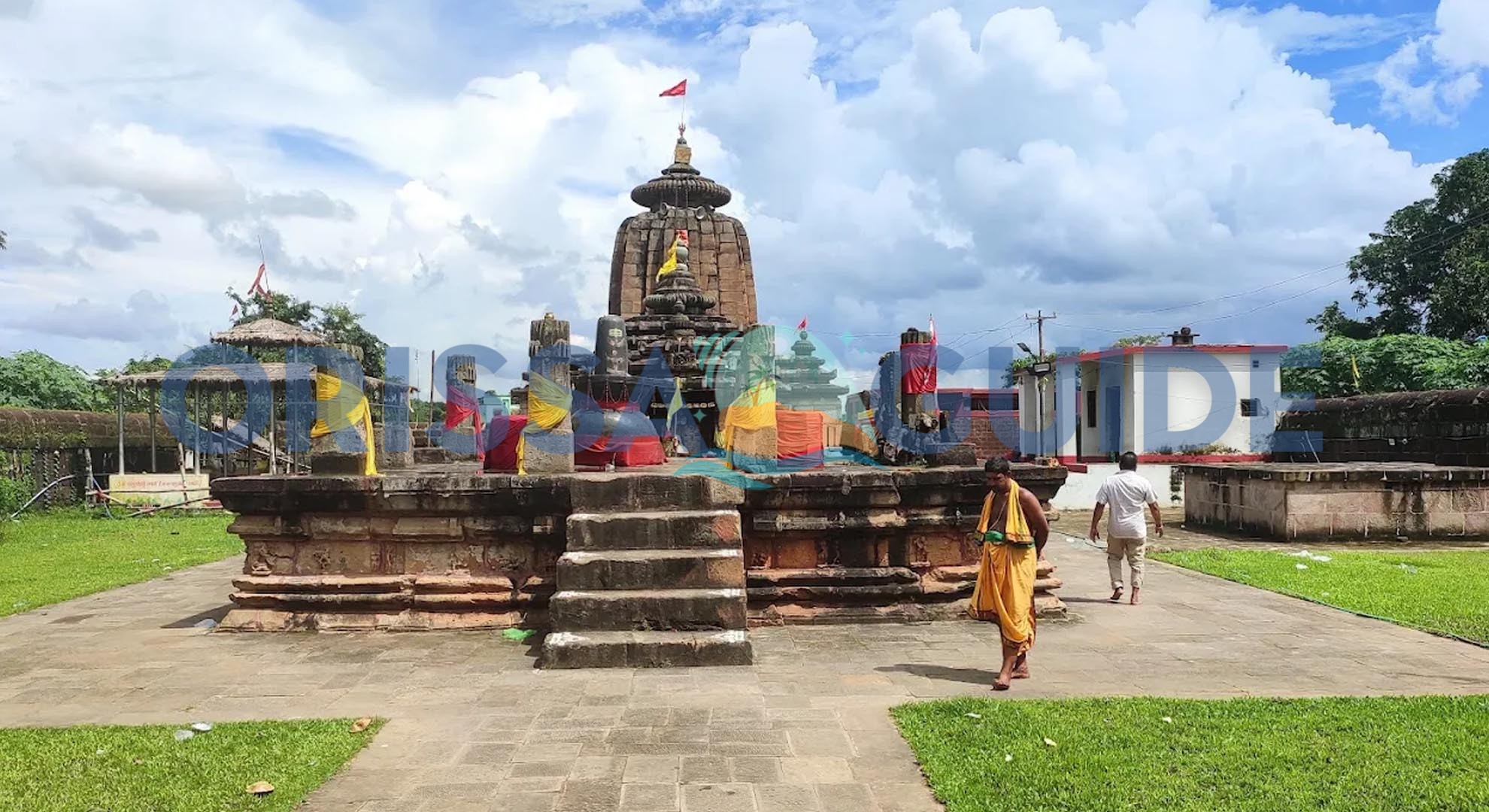
Crafted with precision, the temple’s architecture is a symphony of intricate carvings, towering spires, and ornate pillars. Each detail tells a story, capturing the essence of the bygone era and leaving visitors in awe of the skilled craftsmanship.
Dedicated to Lord Shiva, the Luha Khambeswara Temple holds immense spiritual significance. Pilgrims and devotees flock to experience the divine aura and seek blessings from the deity believed to be a harbinger of prosperity and well-being.
Historical Background of Luha Khambeswara Shiva Temple
The history of Luha Khambeswara Shiva Temple dates back several centuries and is closely associated with the glorious rule of the Gajapati dynasty, one of the most influential dynasties in Odisha’s history. During their reign, art, architecture, religion, and culture flourished across the region, leading to the construction of many magnificent temples and monuments.
The temple was built as a center of worship dedicated to Lord Shiva and soon became an important spiritual destination for local communities and pilgrims. Historians believe that the temple not only served religious purposes but also acted as a cultural and social hub where people gathered during festivals and religious ceremonies.
The name “Luha Khambeswara” is believed to have symbolic significance. The word “Luha” means iron, while “Khamba” refers to pillars. According to local beliefs and legends, the temple was associated with strong iron pillars or symbolic structures that represented stability, strength, and divine protection.
Over centuries, the temple witnessed:
- The rise and fall of kingdoms
- Cultural transformations
- Religious practices evolving over time
- Preservation of traditional rituals and customs
Despite the passage of time and natural weathering, the temple has retained much of its spiritual essence and architectural beauty. It stands today as a reminder of Odisha’s rich heritage and the devotion of the people who built and preserved it.
Local folklore and oral traditions also contribute to the temple’s historical significance. Villagers and devotees often narrate stories connected with miracles, blessings, and divine experiences associated with Lord Shiva at this sacred site.
Architectural Brilliance of Luha Khambeswara Shiva Temple
One of the most captivating aspects of the Luha Khambeswara Shiva Temple is its extraordinary architecture. Built in the traditional Kalinga style, the temple showcases the remarkable skills of ancient Odia artisans and craftsmen.
The architectural beauty of the temple lies in its:
- Intricate stone carvings
- Beautifully sculpted pillars
- Towering spires
- Decorative motifs and sculptures
- Symmetrical layout and sacred design
Every structure within the temple complex reflects careful planning and artistic excellence.
The Temple Spire
The towering spire of the temple rises gracefully into the sky, symbolizing the connection between the earthly world and the divine realm. This pyramidal structure is characteristic of Kalinga temple architecture and immediately captures the attention of visitors.
The spire is adorned with decorative patterns and carvings that add to the grandeur of the temple. Even after centuries, the detailing remains impressive and showcases the durability of ancient construction techniques.
Intricate Stone Carvings
The walls and pillars of the temple are decorated with detailed carvings that depict:
- Hindu deities
- Mythological stories
- Floral patterns
- Sacred symbols
- Celestial figures
These carvings not only serve decorative purposes but also communicate religious teachings and cultural values. The craftsmanship involved in creating such detailed artwork without modern tools reflects the incredible talent of ancient artisans.
Sacred Layout and Temple Design
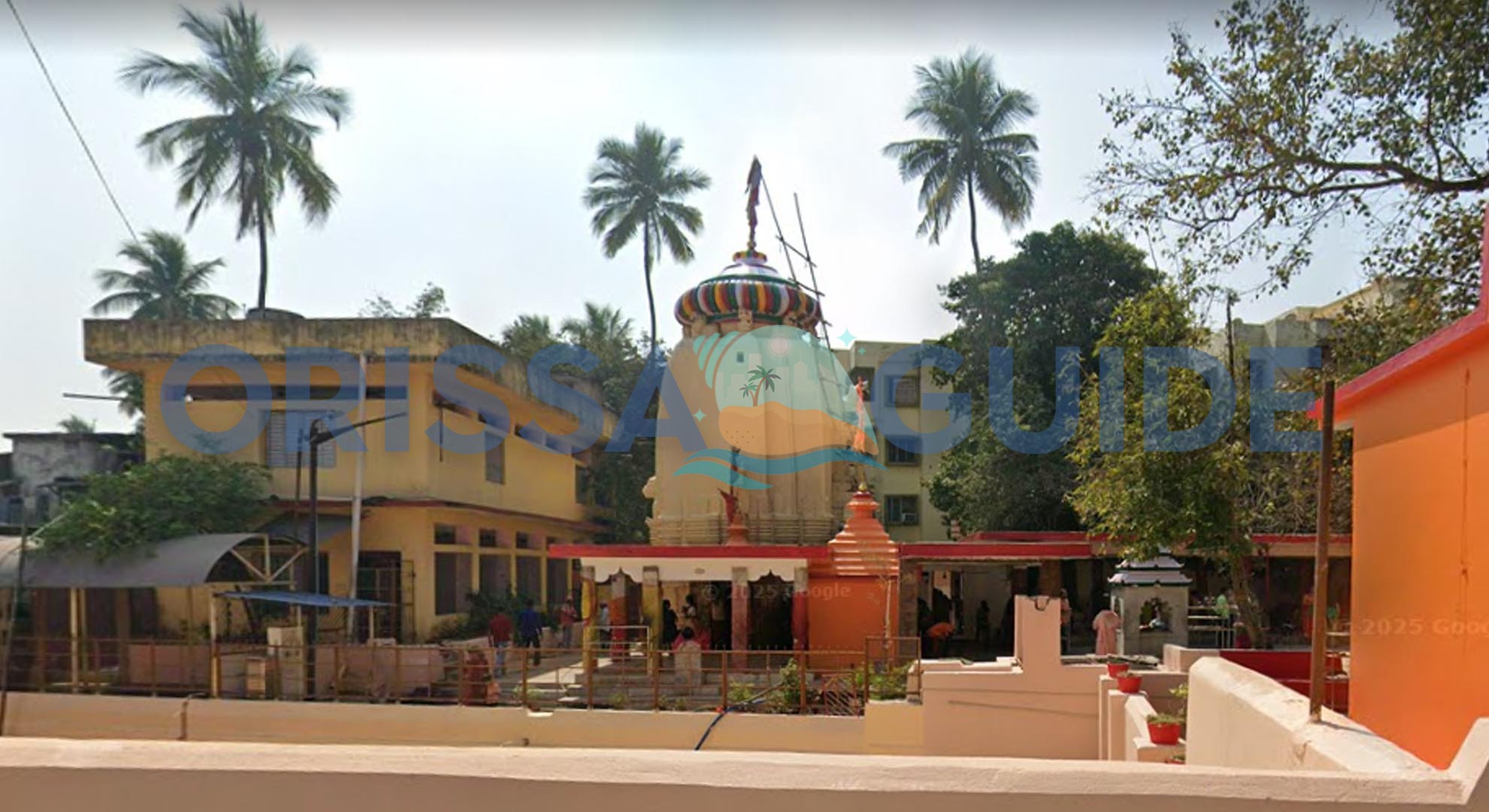
Like many ancient Shiva temples, Luha Khambeswara Temple follows a spiritually symbolic layout. The temple complex is designed to create a sense of spiritual progression as devotees move toward the sanctum sanctorum where the Shiva Lingam is placed.
The architecture creates an atmosphere of peace, devotion, and reverence, allowing visitors to connect deeply with the spiritual environment.
Use of Traditional Materials
The temple was constructed using locally available stone and traditional building methods. These materials have helped the structure withstand changing weather conditions over hundreds of years.
The durability and elegance of the temple continue to inspire admiration among architects, historians, and travelers.
Spiritual Significance of Luha Khambeswara Shiva Temple
The Luha Khambeswara Shiva Temple holds immense religious and spiritual importance for devotees of Lord Shiva. For centuries, people have visited the temple to seek blessings for:
- Prosperity
- Good health
- Peace of mind
- Protection from difficulties
- Spiritual growth
The temple is believed to radiate positive energy and divine vibrations that bring comfort and hope to worshippers.
Lord Shiva as the Presiding Deity
Lord Shiva is worshipped as the destroyer of evil and the transformer within Hinduism. Devotees believe that offering prayers at the Luha Khambeswara Temple helps cleanse negative energies and brings spiritual fulfillment.
The Shiva Lingam inside the sanctum is the central object of worship and attracts devotees throughout the year.
Atmosphere of Peace and Devotion
One of the most remarkable experiences at the temple is the sense of tranquility it offers. The peaceful surroundings, combined with the sound of temple bells and chanting of prayers, create a deeply spiritual atmosphere.
Visitors often spend time:
- Meditating quietly
- Offering prayers
- Participating in rituals
- Reflecting in solitude
The temple provides an ideal environment for anyone seeking inner peace and spiritual connection.
Importance for Pilgrims
For many devotees in Odisha and neighboring states, visiting Luha Khambeswara Temple is considered spiritually rewarding. Pilgrims often include the temple in their religious journeys and visit during auspicious occasions and festivals dedicated to Lord Shiva.
Festivals and Celebrations at Luha Khambeswara Shiva Temple
The temple becomes especially vibrant during religious festivals when devotees gather in large numbers to celebrate and participate in rituals.
Maha Shivaratri
The most important festival celebrated at the temple is Maha Shivaratri, dedicated to Lord Shiva. During this festival:
- Special prayers and rituals are conducted
- The temple is decorated with flowers and lights
- Devotees observe fasting and night-long worship
- Chanting of Shiva mantras fills the air
The spiritual atmosphere during Maha Shivaratri is truly mesmerizing and attracts devotees from far and wide.
Shravan Month Celebrations
The holy month of Shravan is also significant for Shiva devotees. Many pilgrims visit the temple during this period to offer sacred water, milk, and flowers to the Shiva Lingam.
Traditional Rituals and Community Gatherings
Festivals at the temple are not only religious events but also important cultural gatherings that strengthen community bonds. The celebrations include:
- Traditional music and devotional songs
- Religious discourses
- Community prayers
- Distribution of prasad (holy offerings)
The festive atmosphere reflects the enduring faith and cultural traditions of the region.
Natural Surroundings and Peaceful Environment
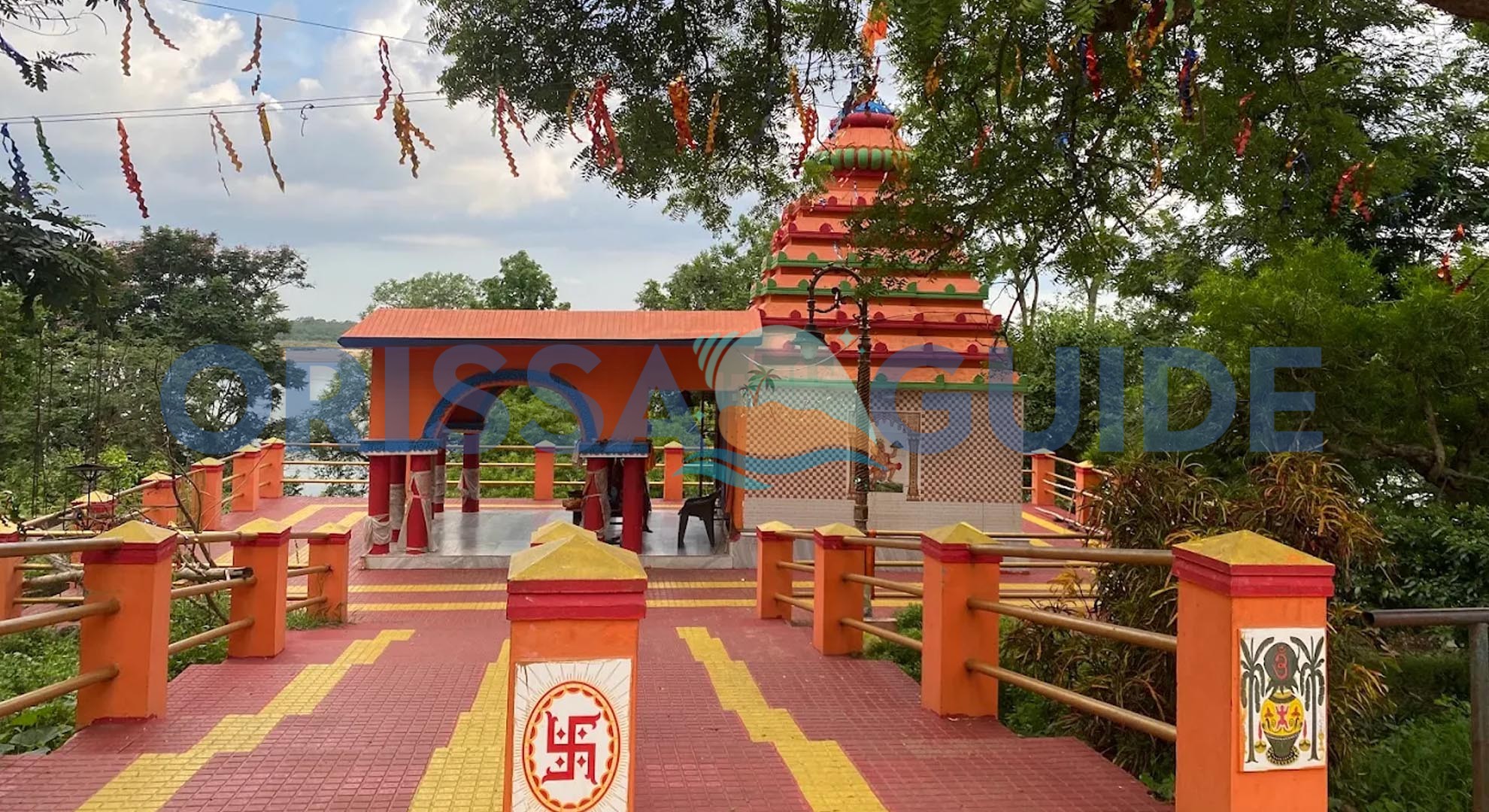
One of the unique aspects of Luha Khambeswara Shiva Temple is its serene location. Surrounded by natural beauty and greenery, the temple offers visitors a refreshing escape from crowded urban life.
The calm surroundings enhance the spiritual experience and make the temple ideal for:
- Meditation
- Quiet reflection
- Nature photography
- Peaceful travel experiences
The blend of spirituality and nature creates an atmosphere that is both rejuvenating and spiritually uplifting.
Why You Should Visit Luha Khambeswara Shiva Temple
There are many reasons why Luha Khambeswara Shiva Temple deserves a place on your travel itinerary.
1. Rich Historical Heritage
The temple offers insight into Odisha’s ancient history and the legacy of the Gajapati dynasty.
2. Stunning Architecture
Its intricate carvings and traditional Kalinga-style design make it a paradise for architecture lovers.
3. Spiritual Experience
The sacred atmosphere provides peace, positivity, and spiritual fulfillment.
4. Cultural Exploration
Visitors can learn about Odisha’s religious traditions and cultural practices.
5. Peaceful Environment
Unlike crowded tourist destinations, the temple offers a calm and intimate experience.
Whether you are a pilgrim, traveler, history enthusiast, or cultural explorer, Luha Khambeswara Shiva Temple offers something meaningful and memorable.
Best Time to Visit Luha Khambeswara Shiva Temple
The ideal time to visit the temple is between October and June, especially during the winter season when the weather remains cool and comfortable.
Winter Season (October to February)
- Pleasant weather for sightseeing
- Comfortable temple visits
- Ideal for photography and exploration
Summer Season (March to June)
- Warm temperatures but manageable for morning visits
The monsoon season also adds lush greenery to the surroundings, though heavy rainfall may affect travel plans.
How to Reach, Destination Facilities, Transportation, Destination Attractions, Accessibility
Best Time to visit
The best time to visit Luhakhamba Temple is from October to June and the winter season.
Opening Time
Luhakhamba Temple’s opening time is Monday to Sunday 8 am to 6 pm.
Nearby Bus Stop
The nearby Bus stop is R Udaygiri, which is located around 28 KM distance from Luhakhamba Temple.
Nearby Railway Station
The Nearby Railway Station is Berhampur, which is located around 68 KM distance from Luhakhamba Temple.
Nearby Airport
The nearby airport is Biju Patnaik International Airport, Bhubaneswar, which is located around 73 km away from Paralakhemundi.
Nearby Attractions
Travelers visiting Luha Khambeswara Shiva Temple can also explore nearby attractions in Odisha, including:
- Paralakhemundi
- Mahendragiri Hills
- Tara Tarini Temple
- Berhampur City
- Scenic rural landscapes of Gajapati district
These destinations add more cultural and natural experiences to your trip.
Conclusion
The Luha Khambeswara Shiva Temple is a timeless treasure that beautifully combines spirituality, history, architecture, and culture. Standing gracefully amidst the serene landscapes of Gajapati, the temple continues to inspire devotion and admiration among visitors.
A visit to this sacred temple is more than just a religious journey—it is an opportunity to connect with Odisha’s ancient heritage and experience the peaceful energy of a place that has stood strong through centuries.
Whether you seek spiritual blessings, architectural beauty, historical exploration, or simply a moment of peace, the Luha Khambeswara Shiva Temple promises a truly unforgettable experience.