|
Getting your Trinity Audio player ready...
|
The Nilakantheswar Temple is one of the most historically intriguing spiritual destinations in eastern India. Located amid hills and dense forests, this temple complex reflects a unique blend of Shaivite worship, Buddhist heritage, and ancient architectural traditions. For travelers interested in heritage tourism, archaeology, and spirituality, the site offers a rare combination of mythology, inscriptions, natural beauty, and historical relevance.
Situated near the small town of Padmapur, the temple is approximately 70 kilometers away from Rayagada and around 20 kilometers from Gunupur. Because of its remote yet scenic setting, the temple has become a destination not only for devotees of Lord Shiva but also for historians, explorers, and cultural researchers.
This guide explores the temple’s history, architectural features, religious significance, travel details, and visitor tips—helping you understand why Nilakantheswar Temple remains a culturally important site in Odisha.

Historical Background of Nilakantheswar Temple
The Nilakantheswar Temple dates back to the 7th century, making it one of the oldest religious sites in the region. Historical inscriptions and archaeological findings suggest that the hill on which the temple stands once hosted Buddhist monasteries and scholars.
A key discovery at the site includes inscriptions that mention the renowned Buddhist philosopher Dharmakirti. Scholars, including the distinguished historian and epigraphist Padmashri Dr. Satyanarayana Rajguru, interpreted these inscriptions as evidence that the location once served as a Buddhist learning center with possibly hundreds of monasteries.
This unique historical layer makes Nilakantheswar Temple different from many other Shiva temples in India. While today it is primarily associated with Hindu worship, its past reveals an important chapter in the spread of Buddhist philosophy in eastern India.
Because of these historical findings, researchers consider this location one of the rare places in the Rayagada region where Buddhist heritage and Shaivite traditions coexist.
The Unique Hilltop Temple Complex
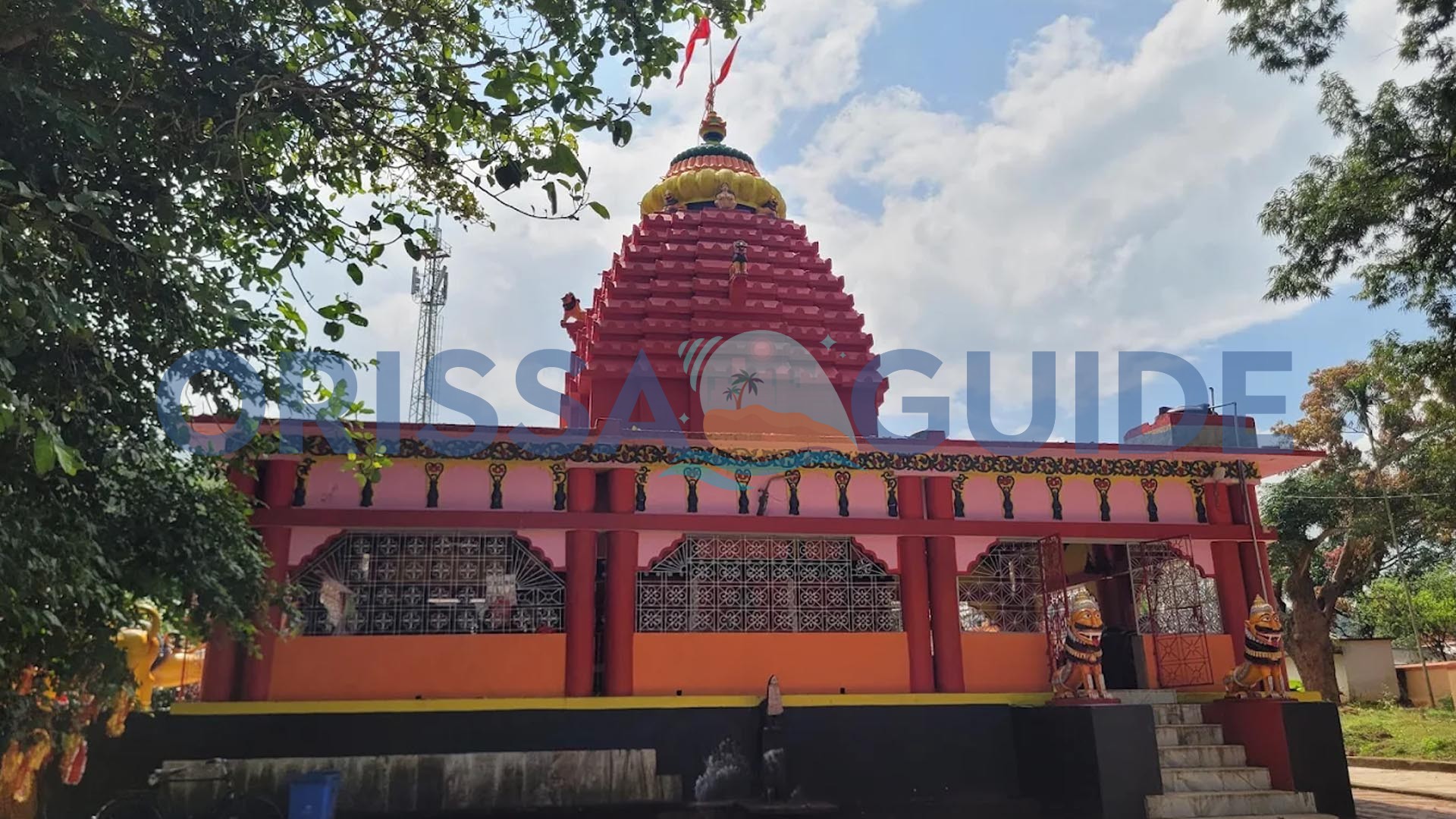
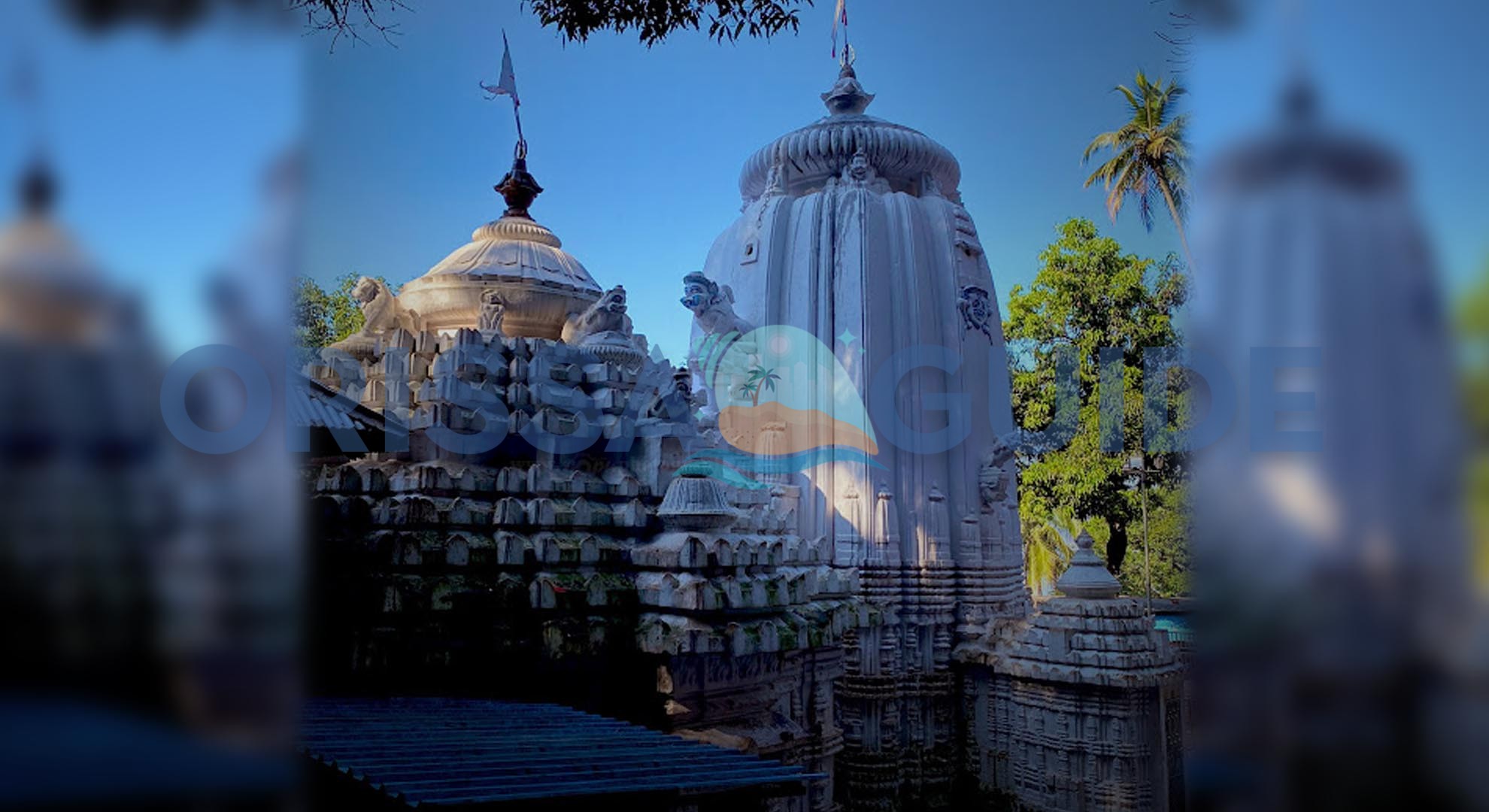
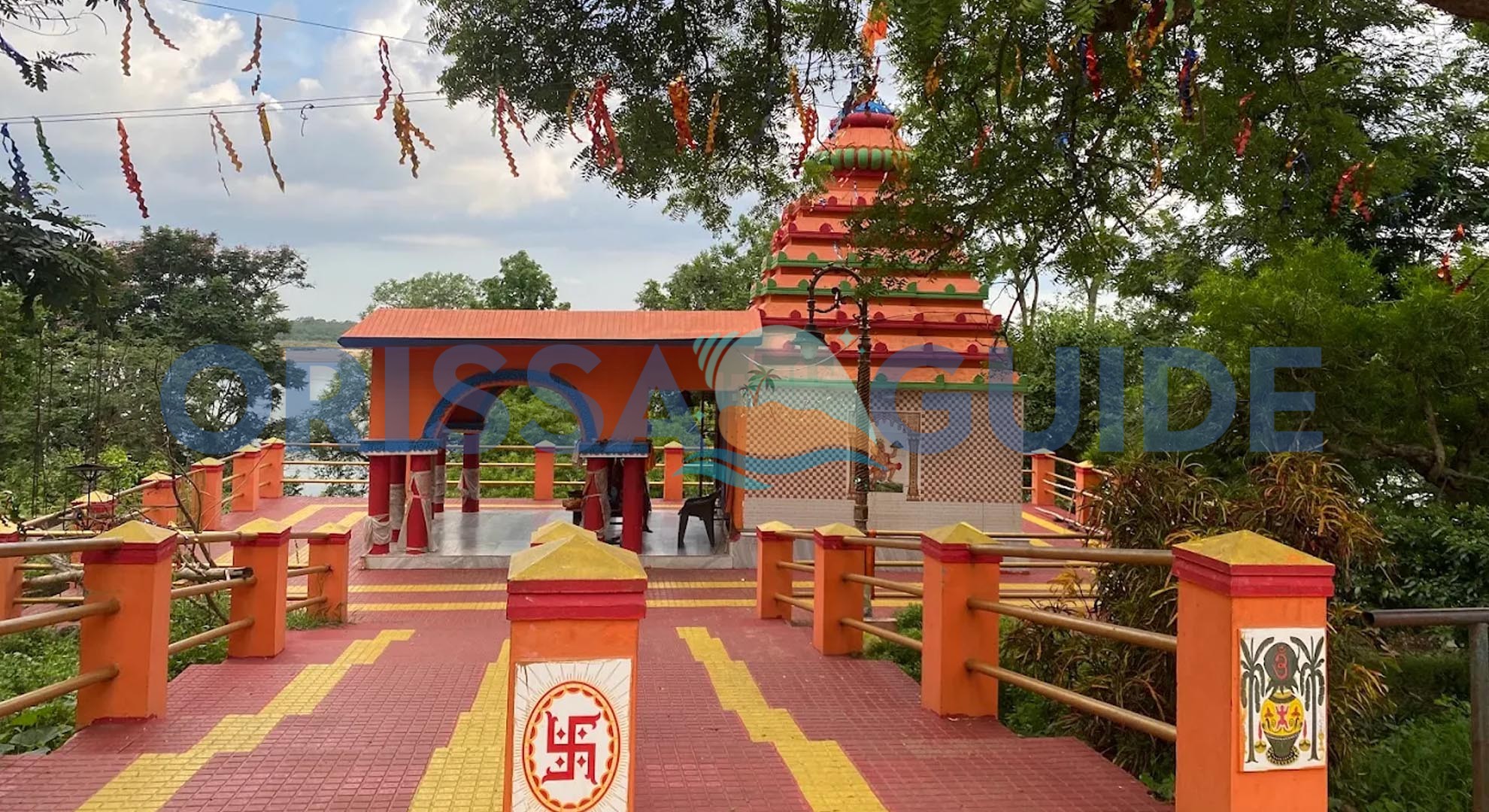
The Nilakantheswar Temple is located atop the Jagamanda hills, surrounded by forests and natural rock formations. The entire structure of the temple is believed to have been built using seven massive rocks, which adds to its architectural uniqueness.
Unlike many large temple complexes built in plains, this site is spread across a hill and includes multiple shrines dedicated to Lord Shiva.
Five Shiva Temples on the Hill
The hill houses five significant temples:
- Dhabaleswar Temple
- Manikeswar Temple
- Mallikeswar Temple
- Nilakantheswar Temple
- Pudukeswar Temple
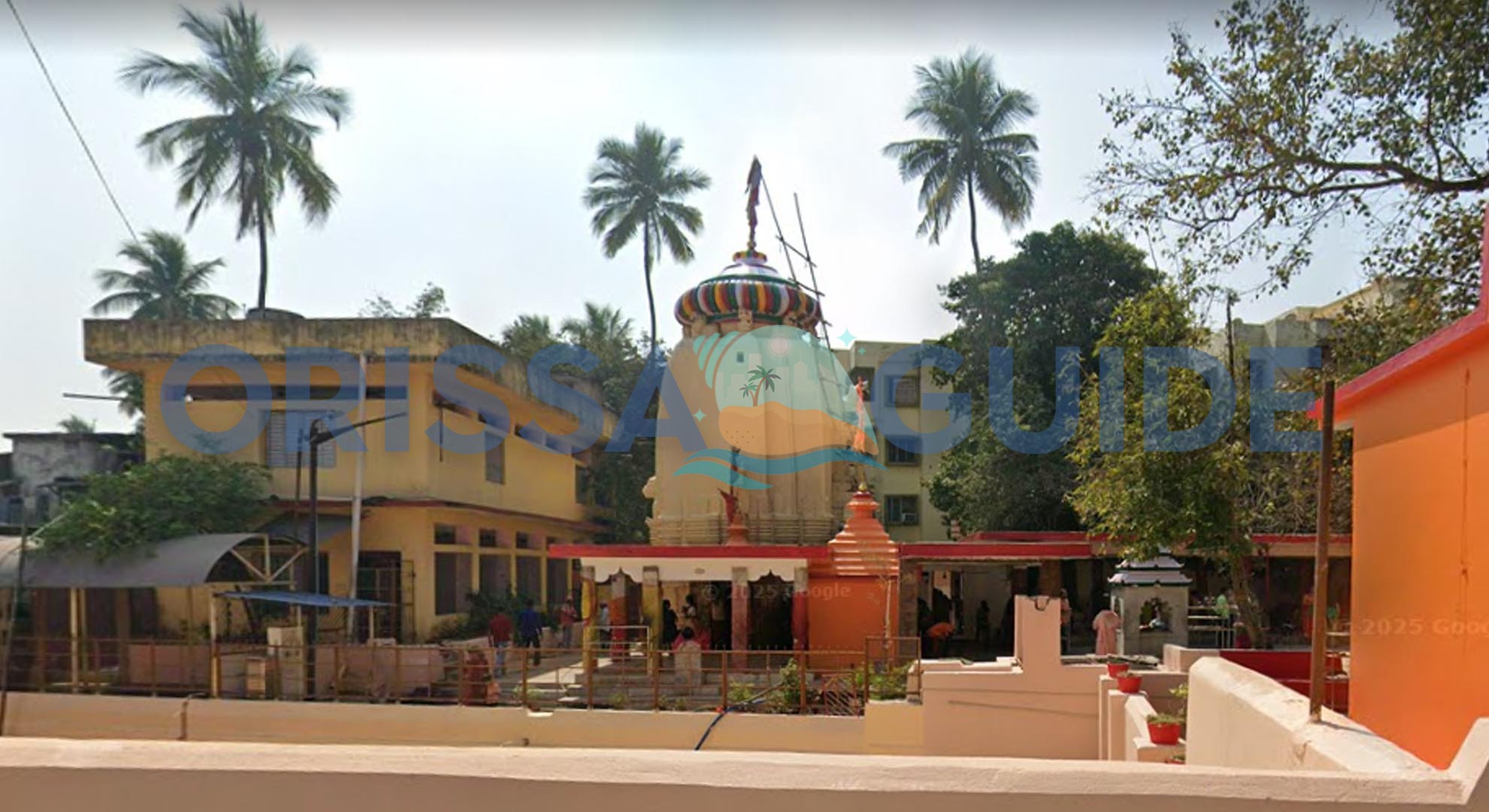
Each shrine has its own religious significance and architectural identity. Among them, the Nilakantheswar shrine is the most prominent and attracts the highest number of visitors.
The temples are surrounded by ancient carvings, inscriptions, and relics that reflect centuries of spiritual practice and historical transformation.
Mallikeswar Temple Inscriptions and Buddhist Influence
One of the most fascinating aspects of the complex is the inscriptions found on the walls of the Mallikeswar Temple. These inscriptions narrate the story of Dharmakirti and reference a time when the hill may have been home to many monasteries.
This historical connection highlights the cultural diversity of ancient Odisha. During earlier centuries, many regions in eastern India saw interactions between Buddhist scholars and Hindu traditions, which shaped the religious landscape of the area.
Today, these inscriptions provide valuable information for historians studying:
- Buddhist philosophy in India
- Ancient educational centers
- Religious transitions in Odisha
- Archaeological heritage of Rayagada district
Natural Beauty Surrounding the Temple
One of the reasons visitors find Nilakantheswar Temple particularly memorable is its natural environment. The temple complex is surrounded by hills, forests, and rocky landscapes that create a peaceful and scenic atmosphere.
The hill also features:
- A cave believed to have historical and spiritual importance
- A permanent water reservoir
- Panoramic views of the surrounding region
The combination of nature and spirituality makes the site ideal for both pilgrimage and cultural tourism.
Many visitors describe the journey up the hill as calming and spiritually uplifting.
Religious Importance of Nilakantheswar Temple
Although the temple has historical Buddhist connections, today it is primarily a Shiva temple complex visited by devotees throughout the year.
One of the most significant festivals celebrated here is Maha Shivaratri. During this time, the temple attracts a large number of pilgrims from nearby towns and villages.
Tuesdays are also considered a special day to visit the temple. Devotees believe that prayers offered on this day bring blessings and spiritual peace.
The temple continues to play an important role in the religious life of the surrounding communities.
Architecture and Temple Structure
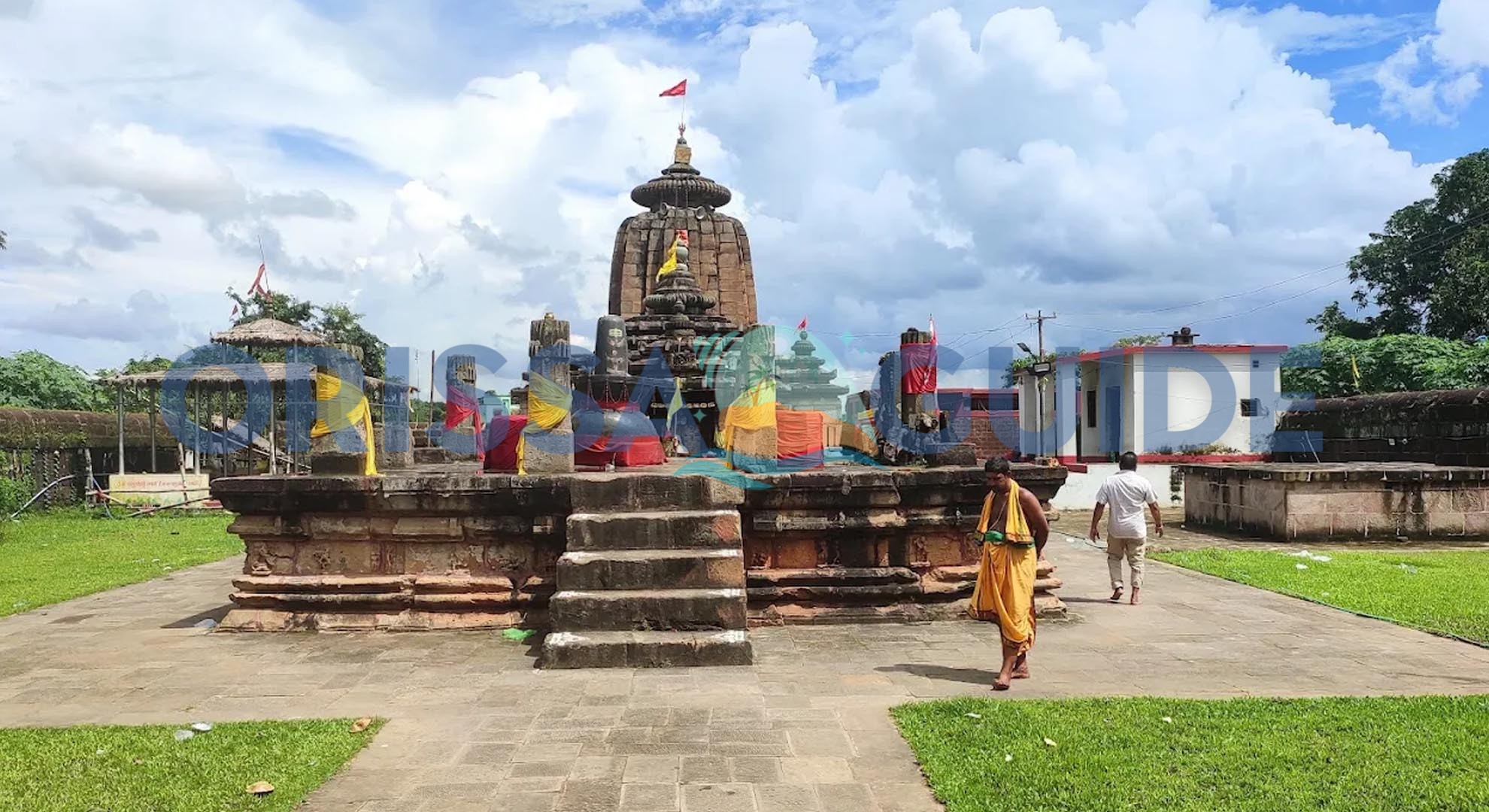
The temple complex stands out due to its ancient stone construction and natural integration with the hill landscape. Unlike modern temples that follow elaborate structural designs, Nilakantheswar Temple retains a simple yet powerful architectural presence.
Key architectural highlights include:
- Rock-based temple formation
- Ancient inscriptions carved into stone
- Minimalistic shrine design
- Natural cave structures nearby
- Recently added small cement hall at the entrance
The addition of the cement hall was done to accommodate visitors and protect the original structure while maintaining accessibility.
Despite the modern additions, the temple still preserves its historical identity.
Why Nilakantheswar Temple Is an Important Tourist Destination
Over time, Nilakantheswar Temple has become a notable tourist and pilgrimage site in Odisha for several reasons.
Historical Significance
The temple provides evidence of ancient Buddhist activity and philosophical traditions in the region.
Cultural Heritage
It represents a blend of Shaivite worship and Buddhist learning.
Natural Landscape
The hilltop location surrounded by forests offers scenic beauty rarely found in many temple sites.
Archaeological Importance
Ancient inscriptions and relics provide insights into early Indian religious history.
Spiritual Experience
The peaceful environment makes it a popular destination for meditation and spiritual visits. Because of these factors, the temple continues to attract historians, travelers, and pilgrims.
Opening Timings of Nilakantheswar Temple
Visitors can plan their visit according to the temple’s daily schedule.
Opening Hours: Monday to Sunday: 6:00 AM – 7:00 PM
It is advisable to visit during the morning hours when the weather is pleasant and the surroundings are calm.
Best Time to Visit Nilakantheswar Temple
One of the advantages of visiting Nilakantheswar Temple is that it can be explored throughout the year. However, certain seasons may offer a better travel experience.
Ideal Visiting Months
- October to February (pleasant weather)
- Winter season for comfortable travel
- Festival time during Maha Shivaratri
The monsoon season also enhances the natural beauty of the hills, though travel routes may become slightly challenging.
Transportation and Accessibility
Despite being located on a hill, the temple is relatively accessible from nearby towns and transportation hubs.
Nearest Bus Stop
The nearest bus stop is R Udaygiri, located approximately 28 kilometers from the temple.
Nearest Railway Station
The closest railway station is located in Padmapur, about 5 kilometers away from the temple site.
Nearest Airports
The nearest airport is Rourkela Airport, approximately 61 kilometers away from the temple. Another major airport nearby is Biju Patnaik International Airport, located around 285 kilometers from the destination.
Travelers typically reach Padmapur first and then continue to the temple by road.
How to Reach Nilakantheswar Temple
Reaching the temple is relatively straightforward once you arrive in the Rayagada region.
By Road
Travelers can drive or take local transport from Padmapur or Gunupur. Roads leading to the hill are accessible and commonly used by pilgrims.
By Train
Padmapur railway station connects the region to nearby cities, making rail travel convenient.
By Air
Visitors arriving from other states can land at Bhubaneswar or Rourkela and then travel by road or train to reach the temple.
Travel Tips for Visitors
If you are planning a trip to Nilakantheswar Temple, these tips can help improve your experience:
- Visit early in the morning for the best views and peaceful environment
- Wear comfortable footwear for hill climbing
- Carry water and basic travel essentials
- Plan your visit during winter months for comfortable weather
- Explore all five temples on the hill to understand the site’s history fully
Travelers interested in archaeology and history should spend time observing the inscriptions and stone structures around the temple.
Cultural and Historical Importance in Odisha
Nilakantheswar Temple contributes significantly to the cultural heritage of Odisha. The region has long been known for its ancient temples, historical inscriptions, and religious diversity.
Sites like this help researchers understand how religion, philosophy, and architecture evolved in eastern India over centuries.
The temple also reflects how ancient learning centers once flourished in remote hill regions, making it a valuable site for academic research and heritage preservation.