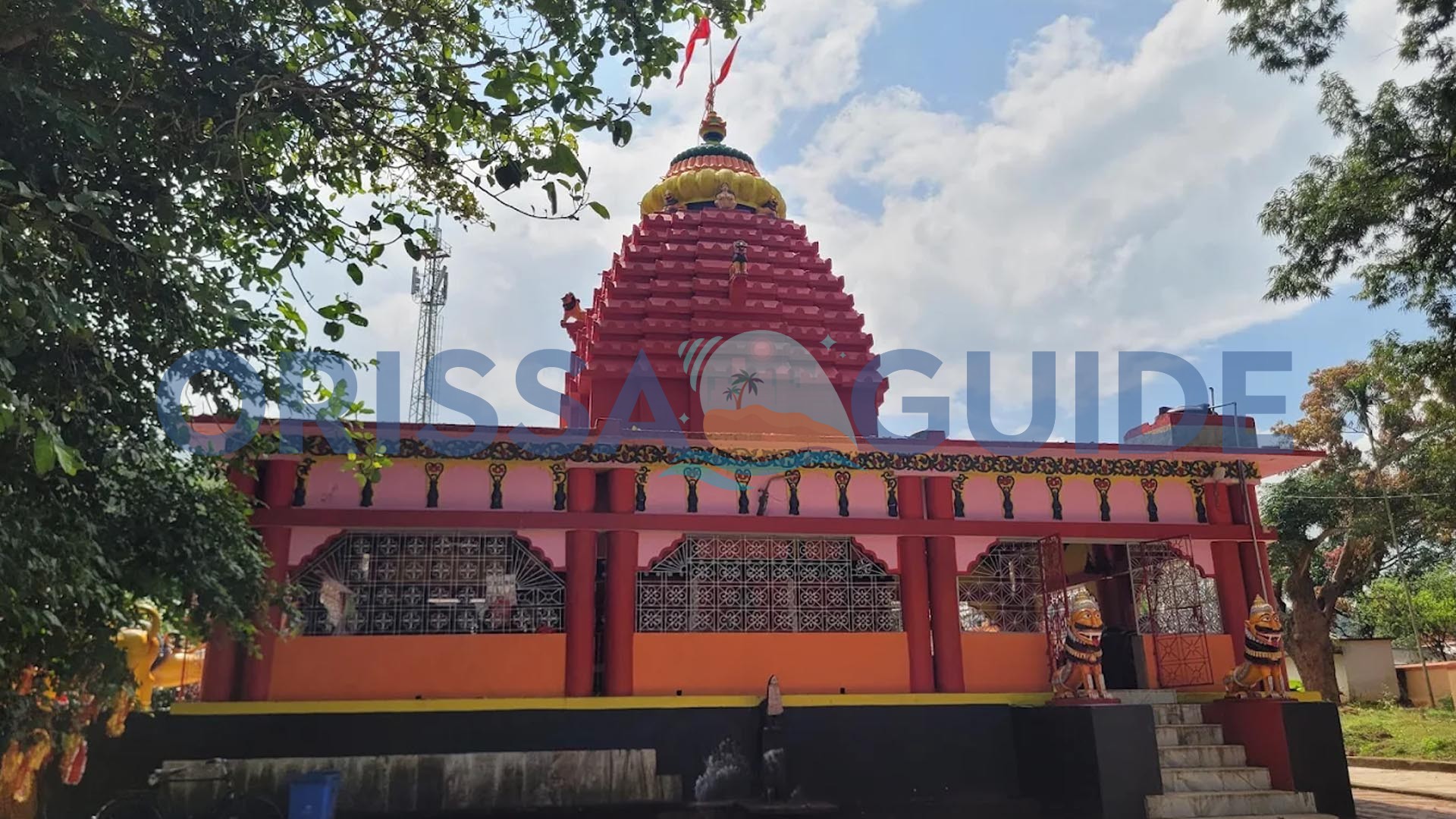
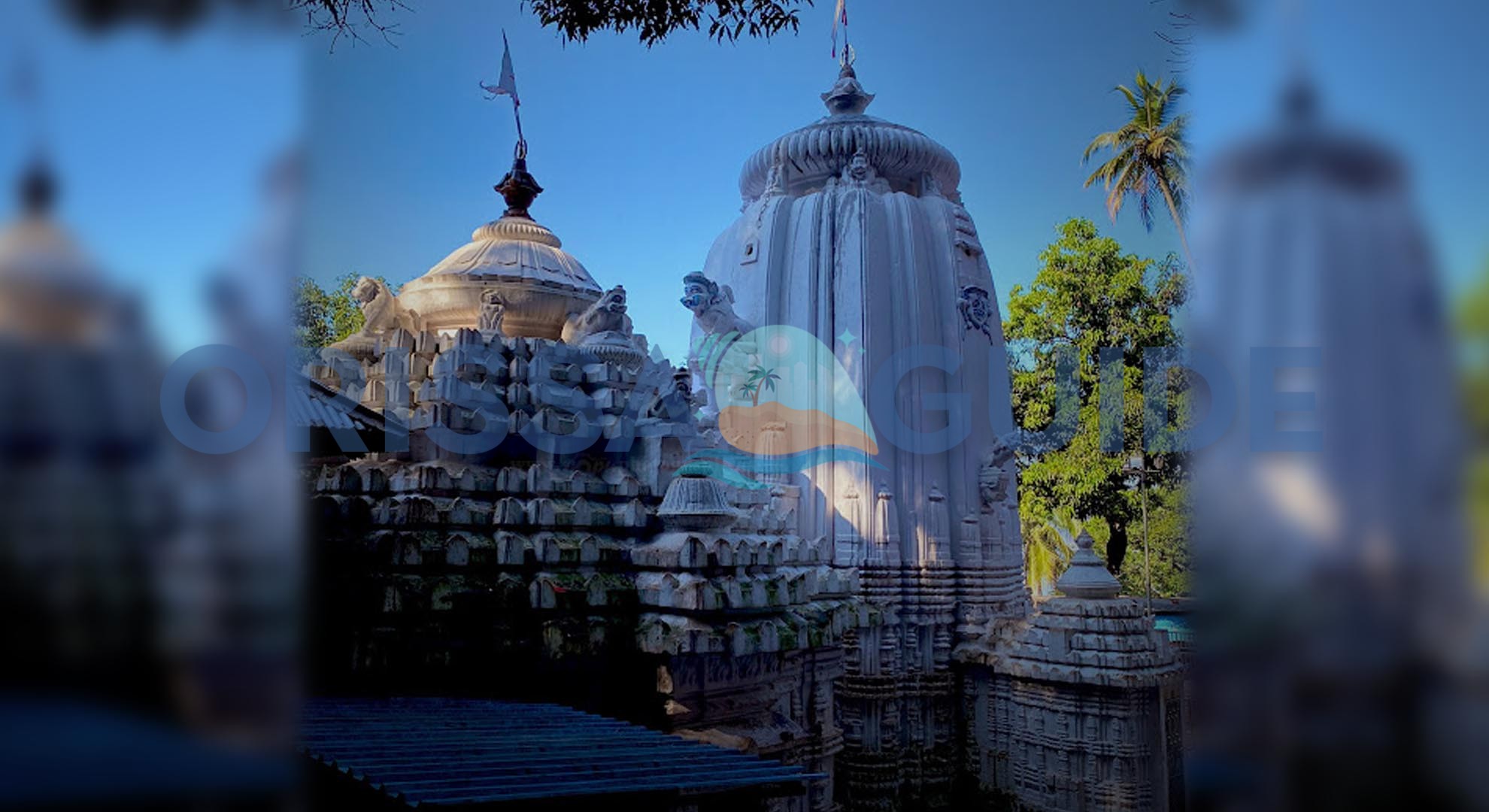
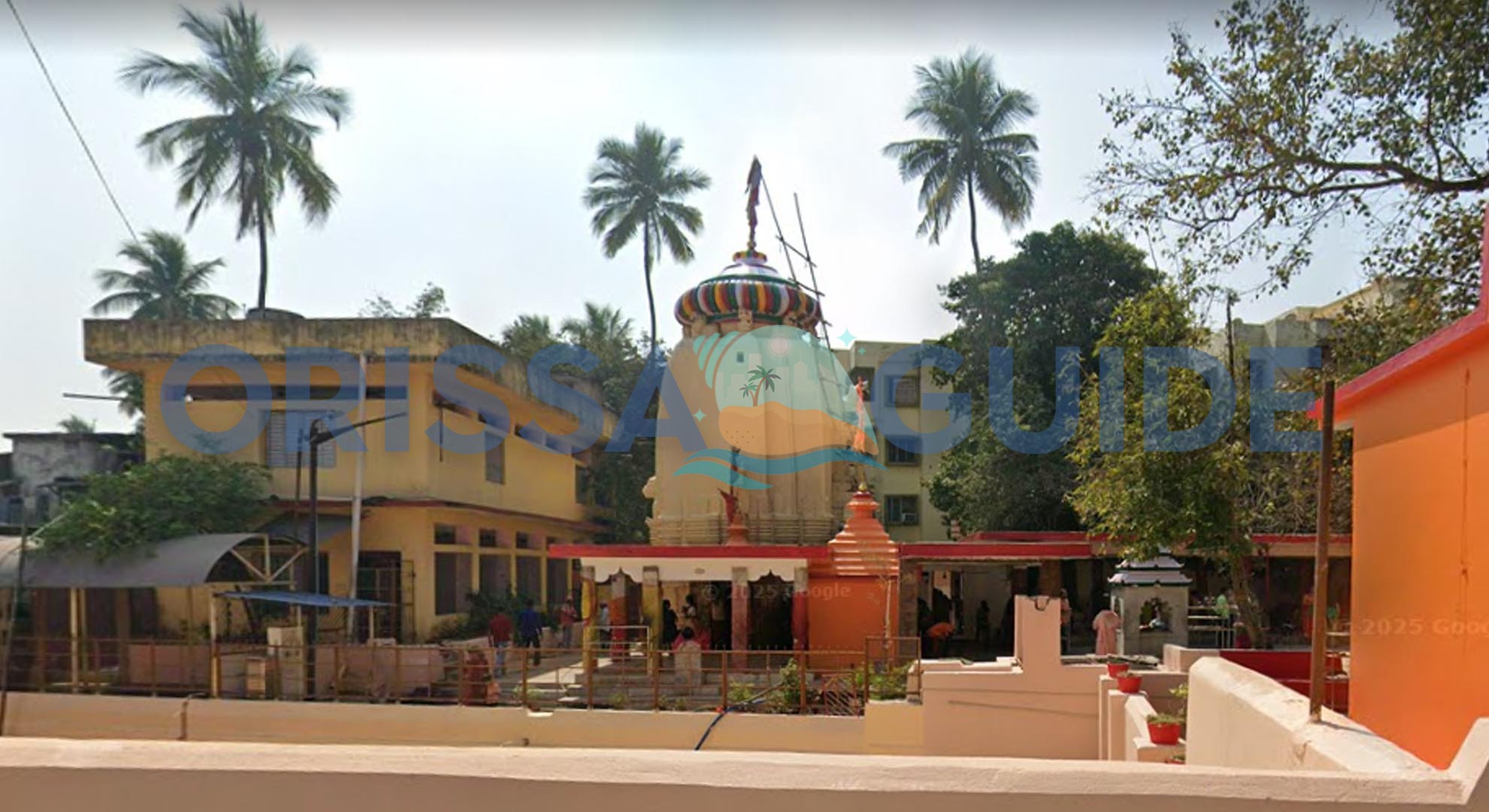
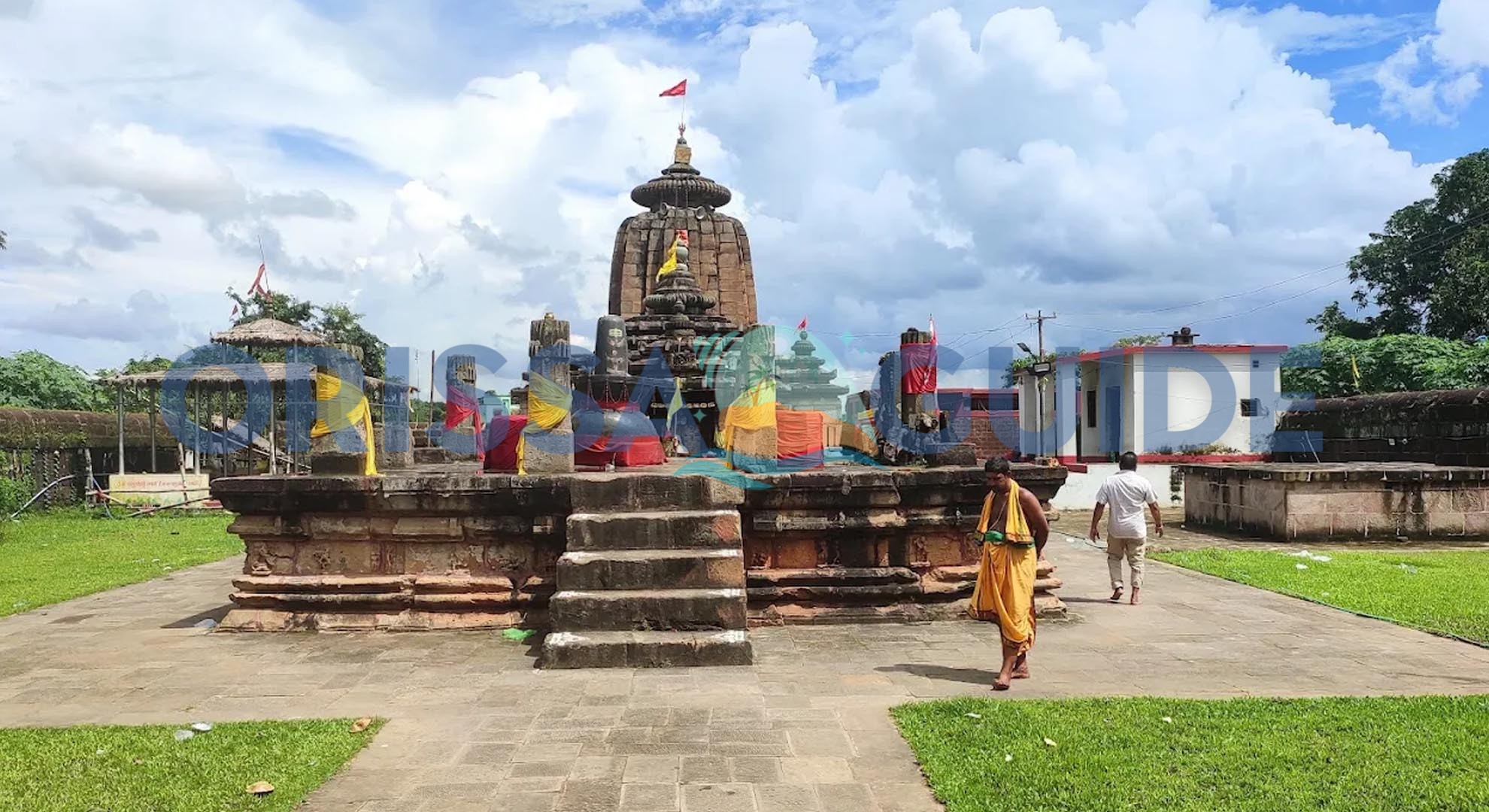
Rajarani Temple, located in Bhubaneswar,—often called the “Temple City of India”—is one of the most fascinating and aesthetically refined monuments in Odisha. Built during the 11th century, this temple stands as a timeless representation of Kalinga architecture, known for its intricate carvings, towering structures, and symbolic artistry.
What makes Rajarani Temple truly unique among the many temples in Odisha is the absence of a presiding deity. Unlike Lingaraj Temple or Mukteshwar Temple, which are active centers of worship, Rajarani Temple functions as a heritage monument and architectural masterpiece, offering visitors a purely historical and artistic experience.
The temple derives its name from the distinctive reddish-golden sandstone, locally known as Rajarani stone, which gives the structure a warm glow under sunlight. This visual appeal, combined with its sculptural richness, makes it a favorite among photographers, historians, architects, and cultural travelers.
Today, Rajarani Temple is considered one of the top tourist attractions in Bhubaneswar, often featured in travel itineraries focused on Odisha’s cultural heritage. It represents not just a place of historical importance, but a living testament to India’s artistic brilliance and architectural innovation.

The Historical Significance of Rajarani Mandir
The origins of Rajarani Temple trace back to the Somavamsi dynasty, which ruled parts of Odisha during the 9th to 12th centuries. This period is often regarded as a golden age for temple construction in eastern India, marked by the creation of iconic monuments that still stand today.
Origins and Naming
Historians believe that Rajarani Temple was originally known as Indreswara Temple, possibly dedicated to Lord Shiva. However, over time, the temple lost its association with active worship, and its identity shifted. The name “Rajarani” eventually became popular due to the unique sandstone used in its construction.
Role in Ancient Society
Unlike other temples that served as centers of religious activity, Rajarani Temple may have had a more ceremonial or royal function. Some theories suggest:
- It could have been used for royal rituals or special ceremonies
- It may have symbolized power, prosperity, and artistic patronage
- It possibly served as a cultural space for music and dance traditions
Mythological and Cultural Depictions
The temple’s carvings depict scenes from Hindu mythology, including:
- Stories of Shiva and Parvati
- Depictions of celestial beings and apsaras
- Scenes of daily life, music, and dance
These carvings offer insight into the social and cultural fabric of ancient Odisha, making the temple an invaluable historical resource.
Today, Rajarani Temple is protected by the Archaeological Survey of India (ASI) and is preserved as a national heritage monument.
The Architectural Marvel of Rajarani Temple
Rajarani Temple is widely regarded as one of the finest examples of Kalinga architecture, a distinct style that developed in Odisha and is characterized by vertical emphasis, intricate detailing, and symbolic design elements.
1. Structural Layout
The temple follows the traditional Kalinga architectural plan:
- Vimana (Sanctum Tower): The main tower rises majestically, showcasing vertical symmetry
- Jagamohana (Assembly Hall): A rectangular hall that complements the main shrine
- Platform Base: Elevated structure adding to its grandeur
The proportions of the temple are carefully balanced, reflecting advanced engineering and aesthetic precision.
2. Sculptural Excellence
One of the most striking features of Rajarani Temple is its rich sculptural detailing.
Mithuna Figures (Romantic Couples)
These sculptures symbolize:
- Love and human emotions
- Fertility and prosperity
- The balance between physical and spiritual life
Nayikas (Graceful Female Figures)
These elegantly carved figures depict women in various poses, showcasing:
- Beauty and grace
- Dance and artistic expression
- Cultural sophistication
Deities and Mythical Creatures
The temple walls feature carvings of:
- Shiva, Vishnu, and Durga
- Guardians and celestial beings
- Mythical animals and hybrid creatures
These elements together create a visual narrative that blends mythology, art, and philosophy.
3. Unique Stone and Color
The use of Rajarani sandstone gives the temple a distinct appearance. The stone’s reddish-golden hue:
- Enhances the temple’s beauty during sunrise and sunset
- Creates a warm, glowing effect
- Sets it apart from other temples built with grey or black stone
4. Comparison with Khajuraho Temples
Rajarani Temple is often compared to the famous Khajuraho temples due to:
- Similar erotic and romantic sculptures
- Intricate carvings
- Celebration of human life and spirituality
However, Rajarani Temple maintains its own identity through its unique regional style and symbolism.
The Mystery of the Missing Deity
One of the most intriguing aspects of Rajarani Temple is that it does not house any deity, which is highly unusual for Indian temples.
Possible Reasons
- The temple was never consecrated
- The original deity was removed or lost
- It was intended for ceremonial rather than religious purposes
This absence allows visitors to focus entirely on the artistic and architectural elements, making it a unique experience compared to traditional temples.
Best Time to Visit Rajarani Temple
The best time to visit Rajarani Temple is from October to March, when the weather in Bhubaneswar is pleasant. The best times to shoot are at dawn or dusk – the light across the intricate carvings looked immaculate. Rajarani also comes to life with music (classical) performances at the Rajarani Music Festival held in January/February of every year, and it is wonderful that both creators and performers resonate with the cultural charm created at the temple, thus bringing contextual blessings to the spirit of the place.
Because the Rajarani Temple is one of the major tourist attractions in Bhubaneswar, it is recommended to visit other nearby tourist places in Bhubaneswar, such as Nandankanan Zoological Park, concurrently when visiting the temple.
Nearby Attractions to Explore Around Rajarani Mandir
It is possible to visit the Rajarani Temple together with other famous sites. Just nearby, approximately 2 km away, is the Lingaraj Temple, which is one of the oldest and largest temples in Bhubaneswar. Mukteshwar Temple, with its magnificent arched gateway, is another nearby architectural marvel.
If you like Nature, you may also enjoy Ekamra Kanan Botanical Garden, which has a peaceful getaway feel. Rajarani Temple is one of the most attractive tourist points in Bhubaneswar, It also opens a view into visiting more tourist points, which makes this an enjoyable excursion, both culturally and historically.
How to Reach Rajarani Temple
- By Air: Biju Patnaik International Airport (approx. 4–5 km)
- By Rail: Bhubaneswar Railway Station (approx. 5 km)
- By Road: Easily accessible via taxis, buses, and auto-rickshaws
The temple’s central location ensures convenient connectivity for travelers.
Travel Tips for Visitors
To make the most of your visit:
- Wear comfortable footwear for walking
- Carry water and sunscreen
- Respect the monument and avoid touching carvings
- Visit during early hours to avoid crowds
- Allocate sufficient time for exploration and photography
Conclusion
Rajarani Temple stands as a shining example of Odisha’s architectural brilliance and cultural richness. Its intricate carvings, historical depth, and peaceful surroundings make it more than just a tourist attraction—it is a journey into India’s artistic and spiritual past.
Whether you are exploring tourist places in Bhubaneswar, studying ancient architecture, or simply seeking a serene travel experience, Rajarani Temple offers something truly special. It reminds us that even without a deity, a space can be deeply spiritual through its art, history, and timeless beauty.
A visit to Rajarani Temple is not just sightseeing—it is an experience of heritage, creativity, and cultural pride.