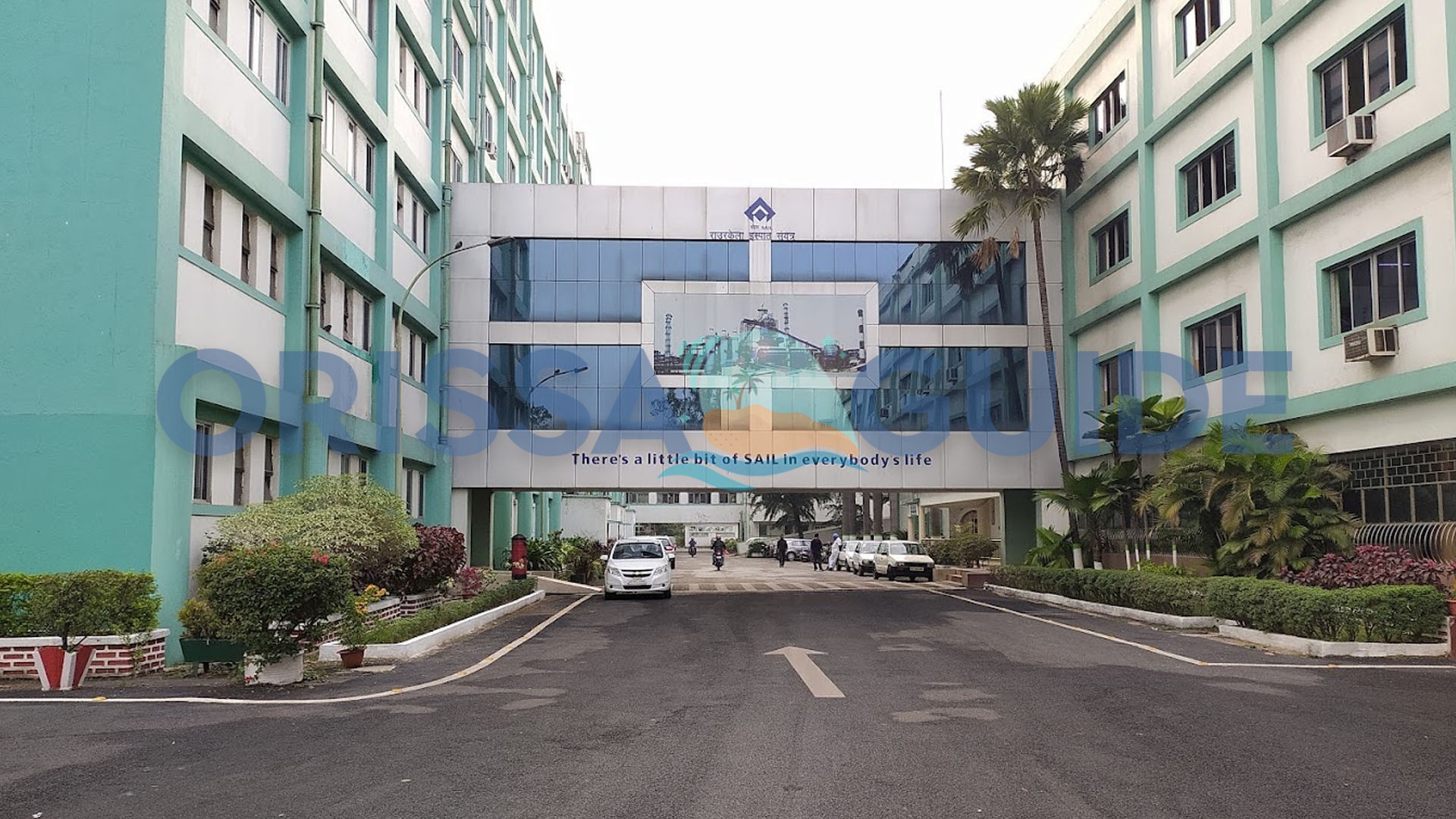


An astonishing thing to see was the Rourkela Steel Plant, nestled in the heart of the Sundargarh district located in western Odisha mighty evidence of India’s industrial ambition and progress. As the first integrated and installed steel plant in the public sector in India, the Rourkela Steel Plant in Sundargarh, Odisha, is the initial landmark in the dispute of India’s industrialization since its establishment.
Nestled amidst the mineral-rich landscapes of Odisha, Rourkela Steel Plant is not merely a manufacturing facility—it represents the spirit of modern India emerging after independence. Built with technical collaboration from Germany during the early years of India’s Five-Year Plans, the plant became a landmark achievement in the country’s efforts toward industrialization and economic independence.
Over the decades, the steel plant has evolved into one of India’s leading steel-producing units under the Steel Authority of India Limited (SAIL). It has contributed significantly to infrastructure development, railway expansion, defense manufacturing, construction projects, and industrial growth across the nation.
Apart from its industrial significance, the plant has transformed the city of Rourkela into a major urban and industrial hub. The township surrounding the plant reflects a unique blend of cultures, communities, and traditions, as people from various states came to work and settle in the region.
Today, Rourkela Steel Plant stands not only as an industrial giant but also as:
- A symbol of national development
- A center of technological innovation
- A major economic contributor
- A catalyst for social transformation
- A model for sustainable industrial growth
Its story is deeply intertwined with the history of modern India and continues to inspire generations.

Historical Evolution: From Concept to Industrial Giant
The establishment of Rourkela Steel Plant was part of India’s ambitious strategy to strengthen heavy industries after independence. During the Second Five-Year Plan, the Indian government prioritized industrial development to reduce dependence on foreign imports and accelerate economic growth.
Rourkela was selected as the ideal location for the steel plant because of several geographical and economic advantages:
- Availability of rich iron ore reserves nearby
- Access to coal mines in eastern India
- Water supply from the Brahmani River
- Strong railway connectivity
- Strategic industrial location in eastern India
The steel plant was established with technical and financial collaboration from German companies, making it one of India’s earliest examples of international industrial cooperation.
Foundation and Early Development
Construction of the plant began in the 1950s, and the first blast furnace was commissioned in 1959. At the time, the project was regarded as one of the largest industrial undertakings in India.
The establishment of the steel plant brought significant changes to the region:
- Development of roads and infrastructure
- Creation of planned townships
- Growth of educational institutions
- Employment opportunities for thousands
The city of Rourkela itself developed rapidly around the steel plant, transforming from a relatively small area into a major industrial city.
Growth Through the Decades
Over the years, Rourkela Steel Plant underwent several modernization and expansion phases:
- Installation of advanced blast furnaces
- Development of hot and cold rolling mills
- Introduction of automation systems
- Expansion of production capacities
- Improvement in quality standards
Each phase of development strengthened the plant’s position as one of India’s leading steel producers.
A Symbol of Independent India
For many Indians, Rourkela Steel Plant became a symbol of:
- Economic independence
- Scientific progress
- National pride
- Industrial self-reliance
The plant demonstrated India’s capability to build and operate world-class industrial facilities during the early decades after independence.
Geographical Importance of Rourkela Steel Plant
The location of Rourkela Steel Plant played a crucial role in its success and long-term sustainability.
Situated in western Odisha, the region offers abundant natural resources necessary for steel production:
- Iron ore from Odisha and neighboring states
- Coal from Jharkhand and Chhattisgarh
- Limestone and dolomite reserves
- Water resources from nearby rivers
The strategic railway network surrounding Rourkela also enabled efficient transportation of raw materials and finished steel products across India.
The city’s location helped establish Rourkela as:
- A major industrial center
- A transportation hub
- A center for engineering and manufacturing activities
The natural beauty of Sundargarh district, combined with industrial development, creates a unique landscape where forests, rivers, and industries coexist.
Technical Excellence: Manufacturing Processes and Products
Rourkela Steel Plant is globally recognized for its technological excellence and manufacturing capabilities. Over decades, the plant has continuously upgraded its systems and adopted modern technologies to improve efficiency, productivity, and product quality.
The plant operates through a highly integrated manufacturing process involving:
- Raw material handling
- Coke production
- Blast furnace operations
- Steel melting
- Rolling and finishing mills
- Quality control systems
Blast Furnaces: The Heart of Steel Production
The blast furnaces at Rourkela are among the most critical components of the steel-making process. These massive structures convert iron ore into molten iron through high-temperature operations.
Modernization efforts have significantly improved:
- Fuel efficiency
- Production capacity
- Environmental performance
- Automation and monitoring systems
The plant’s blast furnaces symbolize engineering excellence and industrial strength.
Rolling Mills and Product Manufacturing
Rourkela Steel Plant produces a wide variety of steel products used in different industries.
Major Products Include:
- Hot rolled coils
- Cold rolled sheets
- Plates and structural steel
- Silicon steel
- Pipes and railway materials
- Specialized steel products
The plant is particularly known for producing high-quality steel required for:
- Railways
- Construction projects
- Defense industries
- Automobile manufacturing
- Heavy engineering sectors
Automation and Digital Transformation
To remain competitive globally, Rourkela Steel Plant has embraced:
- Digital monitoring systems
- Artificial intelligence-based optimization
- Automated production lines
- Data-driven operational management
Industry 4.0 technologies are gradually transforming traditional steel manufacturing processes into smarter and more efficient systems.
The adoption of advanced technology has improved:
- Product quality
- Worker safety
- Energy efficiency
- Production speed
- Environmental sustainability
Economic Impact: Fueling Regional and National Growth
The economic contribution of Rourkela Steel Plant extends far beyond steel production. The plant has become one of the biggest economic drivers of Odisha and eastern India.
Employment Generation
The plant directly employs thousands of workers, engineers, technicians, and administrative staff. In addition, it supports countless indirect jobs through:
- Transportation services
- Construction industries
- Ancillary manufacturing units
- Local businesses and markets
The steel plant has transformed the regional economy by creating stable livelihoods for generations of families.
Contribution to Odisha’s Industrial Growth
Rourkela Steel Plant played a major role in industrializing Odisha by encouraging:
- Infrastructure development
- Engineering industries
- Urban expansion
- Educational institutions
- Healthcare facilities
The presence of the steel plant attracted investments and industries to the region, accelerating overall development.
National Importance
The steel produced at Rourkela contributes to several national infrastructure projects, including:
- Railways
- Bridges
- Highways
- Defense equipment
- Industrial machinery
- Power plants
The plant has strengthened India’s self-reliance in specialized steel manufacturing.
Social Transformation: Building Communities and Lives
Beyond industrial achievements, Rourkela Steel Plant has significantly contributed to social development and community welfare.
Development of Rourkela Township
The steel plant led to the creation of a modern planned township with:
- Residential colonies
- Schools and colleges
- Hospitals and healthcare centers
- Parks and recreational spaces
The township became one of the best-planned industrial cities in India.
Education and Skill Development
The plant has supported education through:
- Schools for employees’ children
- Technical training institutes
- Scholarships and skill programs
This focus on education helped create a highly skilled workforce in the region.
Healthcare and Welfare Initiatives
Rourkela Steel Plant established hospitals and medical facilities that continue to benefit employees and local communities.
The plant also contributes to:
- Rural development programs
- Women empowerment initiatives
- Sports and cultural activities
- Community welfare projects
A Cosmopolitan Culture
As people from different states moved to Rourkela for employment, the city developed a multicultural identity. Today, Rourkela reflects a harmonious blend of:
- Languages
- Traditions
- Festivals
- Food cultures
This diversity became one of the city’s defining features.
Environmental Stewardship: Striking Steady Balance Between Industry and Ecology
Modern industries face the challenge of balancing production with environmental responsibility. Rourkela Steel Plant has undertaken several initiatives to reduce environmental impact and promote sustainable development.
Major Environmental Measures
- Pollution control systems
- Waste recycling programs
- Water conservation projects
- Energy-efficient technologies
- Afforestation drives
- Green belt development
The plant continues to invest in eco-friendly technologies to minimize emissions and improve sustainability.
Energy Conservation and Waste Management
The plant has introduced systems for:
- Recycling industrial waste
- Recovering waste heat energy
- Efficient water usage
- Reducing carbon emissions
These efforts align with global sustainability goals and responsible industrial practices.
Future Promise: Innovation and Sustainable Growth
The future of Rourkela Steel Plant looks promising as the plant continues modernization and expansion projects.
Future Plans Include:
- Increased production capacity
- Green steel manufacturing
- Greater automation
- Adoption of Industry 4.0 technologies
- Improved sustainability measures
- Expansion into specialized steel products
The plant aims to remain globally competitive while contributing to India’s vision of becoming a major industrial power.
Tourism and Industrial Visits
Rourkela Steel Plant also attracts students, researchers, engineers, and industrial tourists interested in understanding large-scale steel manufacturing.
Visitors often explore:
- Industrial townships
- Educational institutions
- Nearby scenic locations
- Local cultural attractions
The city of Rourkela itself has developed into a vibrant destination combining industrial significance with natural beauty.
Nearby Attractions in Rourkela
Tourists visiting Rourkela Steel Plant can also explore:
- Hanuman Vatika
- Vedavyas Temple
- Mandira Dam
- Khandadhar Waterfall
- Darjing and Deodhar
These places enhance the travel experience in Sundargarh district.
Why Rourkela Steel Plant Matters to India
Rourkela Steel Plant represents much more than industrial production. It symbolizes:
- India’s industrial journey after independence
- Economic self-reliance
- Technological advancement
- National development
- Community transformation
The plant continues to inspire future generations as a shining example of India’s engineering capabilities and industrial determination.
Conclusion
The Rourkela Steel Plant remains one of India’s greatest industrial achievements and a cornerstone of Odisha’s economic development. From its historic beginnings during the early years of independent India to its modern role as a technologically advanced steel producer, the plant has continuously evolved with time.
Its contributions extend beyond steel manufacturing into education, healthcare, urban development, environmental responsibility, and national progress. The plant has shaped the identity of Rourkela and transformed it into one of India’s most important industrial cities.
As India moves toward a future driven by innovation, sustainability, and industrial growth, Rourkela Steel Plant continues to stand tall as a symbol of resilience, progress, and national pride.