Bhubaneswar, the capital city of Odisha, is called the “Temple City of Odisha” due to the collection of exquisite ancient temples in that region. Among such temples, the Vishnu Temple is a prime example of architectural and spiritual heritage in Odisha. The ancient temple dedicated to Lord Vishnu is not just an ordinary forum of worship; in fact, it shows the remarkable craftsmanship of those days. One of the famous temples in Odisha, the Vishnu Temple draws devotees and tourists with its ability to reflect on the different cultural and religious roots of the region.
The Vishnu Temple is not merely a place of worship but also an outstanding example of Odisha’s glorious temple architecture and cultural heritage. This ancient temple attracts devotees, history lovers, architects, and tourists who wish to witness the timeless beauty and spiritual atmosphere of Bhubaneswar’s sacred landscape.
Dedicated to Lord Vishnu, who is regarded in Hinduism as the preserver and protector of the universe, the temple reflects deep religious devotion and extraordinary artistic craftsmanship. The intricate carvings, sculptural beauty, and traditional Kalinga-style architecture make the Vishnu Temple one of the hidden gems among the ancient temples of Odisha.
The peaceful ambiance of the temple provides visitors with a sense of calmness and spirituality. Surrounded by the historic charm of Bhubaneswar, the temple serves as a reminder of Odisha’s rich cultural roots and its enduring connection with art, religion, and architecture.
Historical Background
The Vishnu Temple is believed to have been constructed during the 9th century, a period often regarded as the golden age of temple construction in Odisha. During this era, the rulers and artisans of the region built some of the most magnificent temples that continue to define Odisha’s cultural identity today.
The 9th century marked the flourishing of the Kalinga school of architecture, which became famous for:
- Intricate stone carvings
- Towering temple spires
- Detailed sculptures
- Sacred symbolism
- Exceptional craftsmanship
Although the Vishnu Temple may not be as massive as the world-famous Sun Temple at Konark or the grand Lingaraj Temple, it possesses its own historical charm and spiritual importance.
The temple reflects the architectural and religious developments that took place in ancient Odisha during the medieval period. It also highlights the growing importance of Vaishnavism, the worship of Lord Vishnu, in the region’s religious life.
For centuries, the temple has remained an important center of devotion and cultural identity for the local community. Historians and archaeologists continue to admire the temple for its preservation of Odisha’s architectural heritage and artistic excellence.

Kalinga Architecture of Vishnu Temple
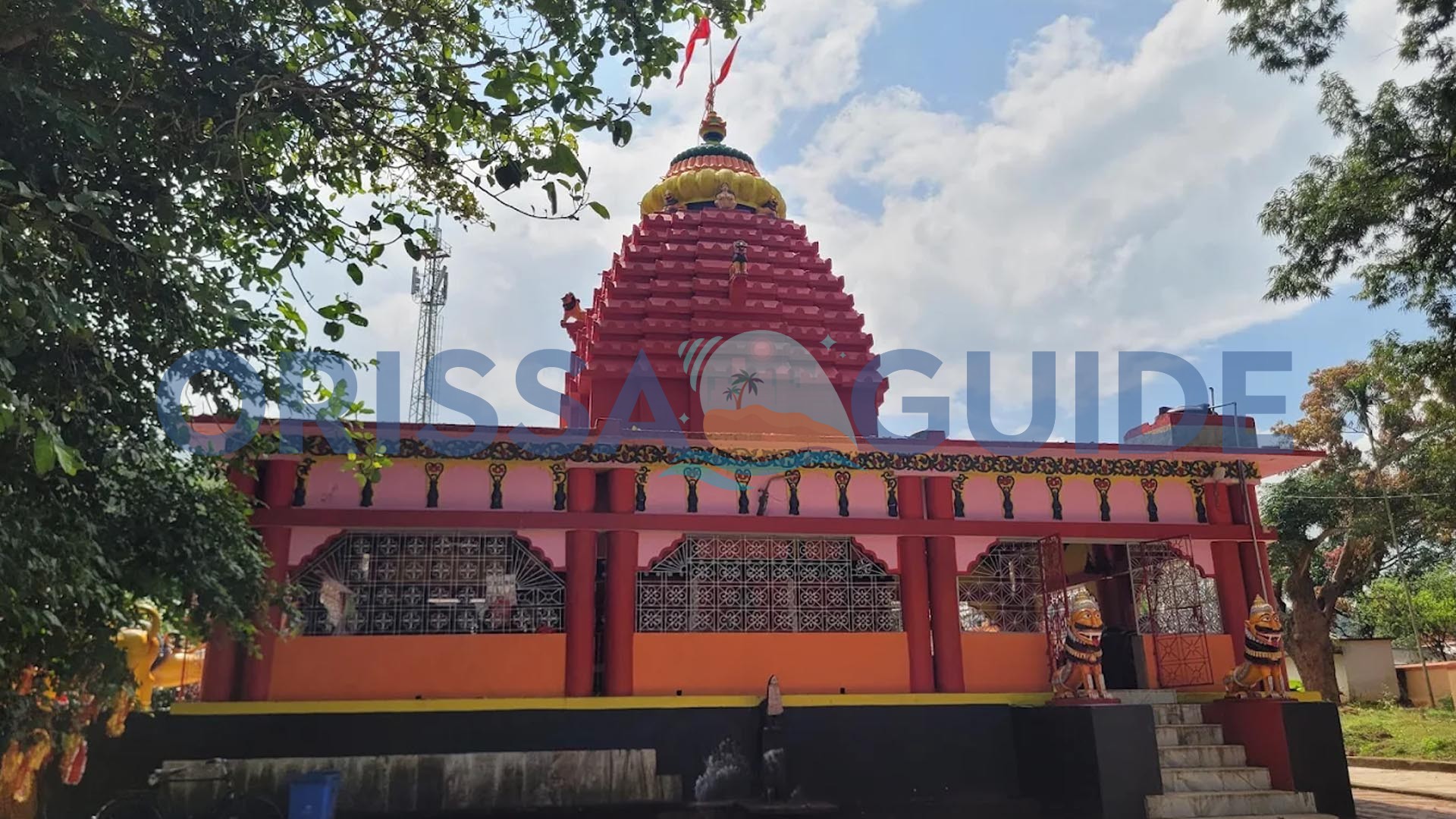
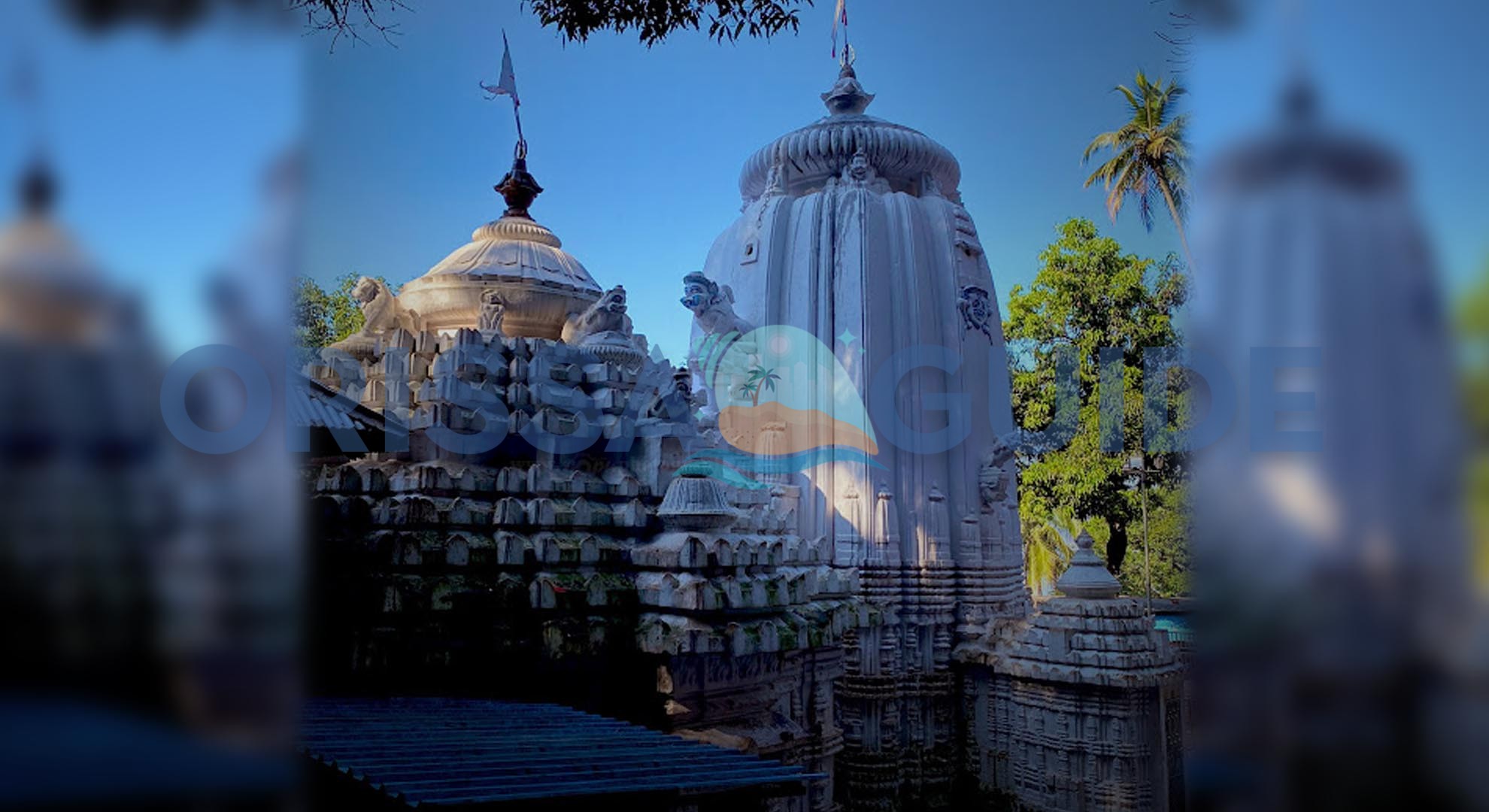
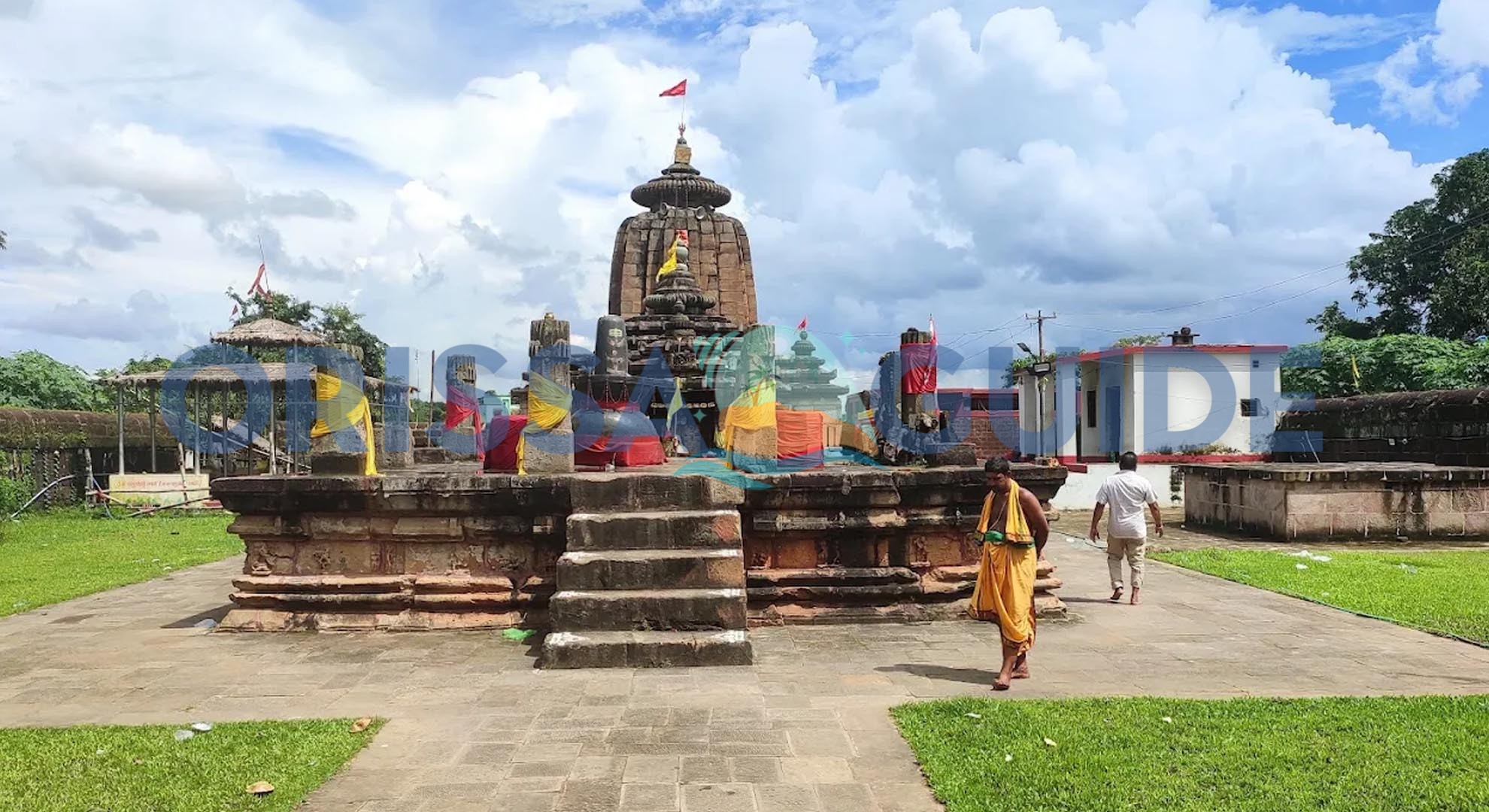
One of the most striking aspects of the Vishnu Temple is its beautiful Kalinga-style architecture. Odisha’s temple architecture is globally admired for its elegance, structural perfection, and detailed ornamentation, and the Vishnu Temple perfectly represents these characteristics.
The Towering Deul
The temple stands on a raised platform and features a tall tower-like structure known as the deul. This towering spire dominates the skyline and symbolizes spiritual elevation and divine presence.
The deul is designed in the traditional rekha style, which is characterized by:
- Curved vertical lines
- Pyramid-like appearance
- Decorative motifs
- Sculptural detailing
The height and symmetry of the structure create a majestic visual impact.
Intricate Stone Carvings
The walls of the temple are decorated with beautifully carved sculptures and artistic designs. These carvings depict:
- Episodes from Hindu mythology
- Various forms of Lord Vishnu
- Divine beings and celestial figures
- Floral patterns and ornaments
- Mythological animals and symbolic motifs
Every carving reflects the remarkable skill and dedication of ancient Odishan artisans.
Sculptures and Decorative Elements
The temple contains numerous sculptures that serve both artistic and spiritual purposes. These sculptures not only beautify the structure but also communicate philosophical and religious ideas.
The decorative elements found throughout the temple represent:
- Divine protection
- Cosmic balance
- Spiritual wisdom
- Sacred symbolism
The artistic richness of the Vishnu Temple demonstrates how religion and art were deeply interconnected in ancient Odisha.
Spiritual Significance of Vishnu Temple
The Vishnu Temple holds immense spiritual importance for devotees of Lord Vishnu. In Hinduism, Lord Vishnu is considered the protector and preserver of the universe and is worshipped as one of the principal deities of the Hindu Trinity.
The inner sanctum of the temple houses the sacred idol of Lord Vishnu, which becomes the center of daily worship and rituals.
Daily Worship and Rituals
Every day, priests conduct traditional rituals and offer prayers to Lord Vishnu. Devotees visit the temple to:
- Seek blessings
- Offer prayers
- Perform religious rituals
- Meditate in peaceful surroundings
- Celebrate sacred festivals
The spiritual atmosphere inside the temple creates a deep sense of devotion and tranquility.
Importance of Janmashtami
One of the major festivals celebrated at the Vishnu Temple is Janmashtami, the birth anniversary of Lord Krishna, who is regarded as an incarnation of Lord Vishnu.
During Janmashtami:
- The temple is beautifully decorated
- Special prayers and rituals are performed
- Devotional songs and chants fill the atmosphere
- Large numbers of devotees gather for celebrations
The festival transforms the temple into a vibrant center of devotion and spiritual energy.
Other Celebrated Festivals
Other important festivals observed at the temple include:
- Rama Navami
- Vaikuntha Ekadashi
- Vishnu-related religious observances
These festivals strengthen the temple’s role as an important religious destination in Bhubaneswar.
Cultural Influence
The Vishnu Temple is not only a religious center but also a major cultural landmark in Odisha.
The artistic beauty of the temple has inspired generations of:
- Sculptors
- Painters
- Architects
- Craftsmen
- Historians
Its carvings and structural style showcase the advanced artistic traditions of ancient Odisha and contribute significantly to the cultural identity of Bhubaneswar.
Contribution to Odisha’s Heritage
The temple forms part of Bhubaneswar’s larger network of ancient temples, each contributing to the city’s reputation as the Temple City of India.
The Vishnu Temple represents:
- Odisha’s spiritual traditions
- Architectural heritage
- Historical continuity
- Religious harmony
- Cultural excellence
Its connection with other famous temples such as:
- Lingaraj Temple
- Rajarani Temple
- Mukteswara Temple
- Brahmeswara Temple
creates a complete picture of Odisha’s glorious temple culture.
Visitor Experience
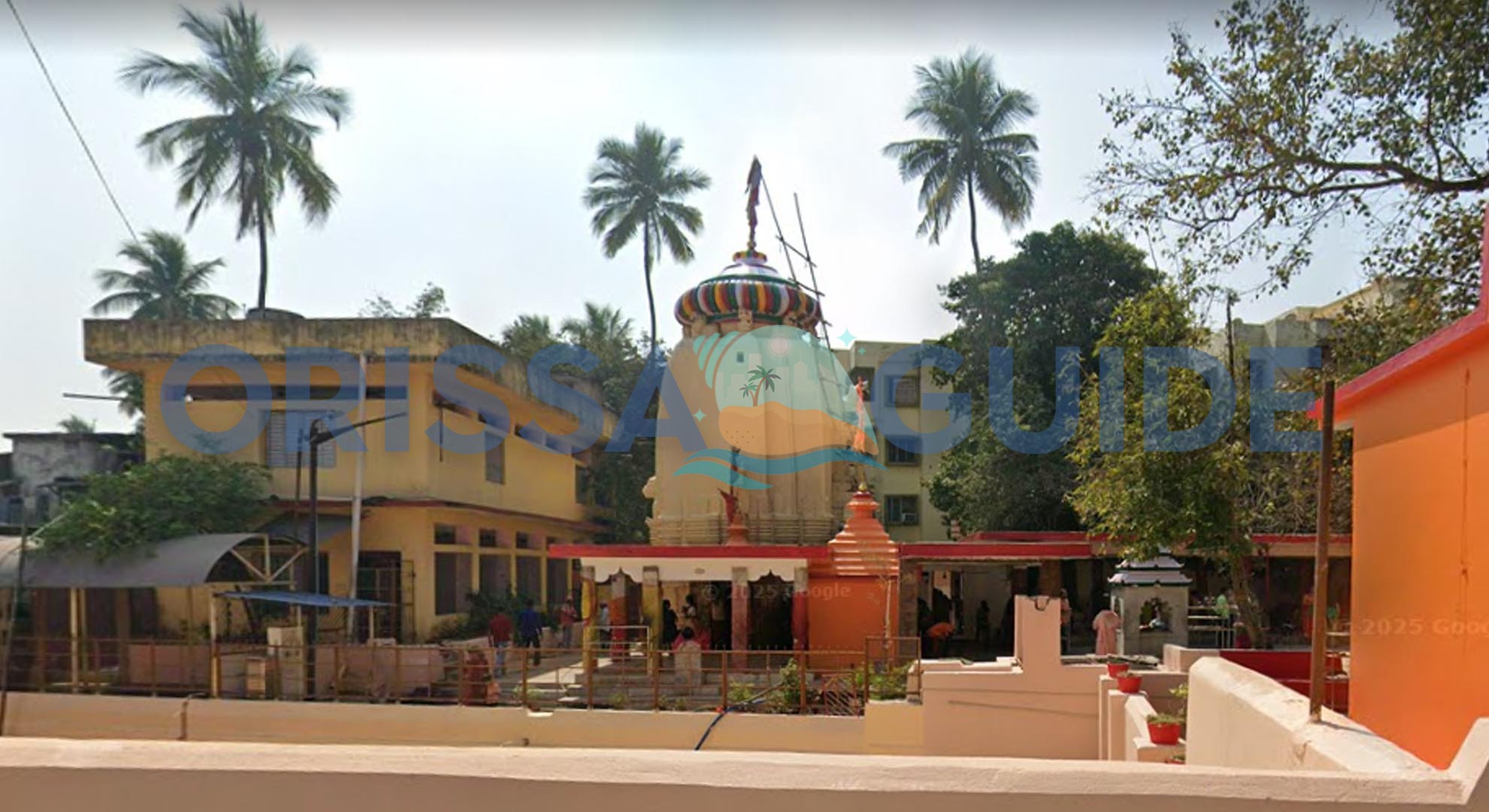
Visiting the Vishnu Temple is both a spiritual and cultural experience.
As visitors approach the temple, they are welcomed by:
- The towering spire
- Detailed stone carvings
- Peaceful temple surroundings
- Sacred atmosphere
The calm ambiance allows visitors to meditate, reflect, and appreciate the beauty of ancient architecture.
Experience for Devotees
For devotees, the temple provides an opportunity to:
- Seek divine blessings
- Participate in rituals
- Offer prayers to Lord Vishnu
- Experience spiritual peace
The sound of temple bells and devotional chants enhances the spiritual environment.
Experience for Tourists and History Lovers
Tourists and history enthusiasts admire the temple for:
- Its historical importance
- Kalinga architectural style
- Sculptural beauty
- Cultural significance
- Ancient artistic craftsmanship
Photography lovers also find the temple visually captivating because of its detailed carvings and traditional architecture.
Vishnu Temple and Bhubaneswar Tourism
Bhubaneswar is one of India’s most important heritage cities, and the Vishnu Temple forms an essential part of its tourism experience.
Visitors often combine trips to the Vishnu Temple with nearby attractions such as:
- Lingaraj Temple
- Rajarani Temple
- Mukteswara Temple
- Odisha State Museum
- Dhauli Peace Pagoda
The temple contributes to Bhubaneswar’s reputation as a destination where spirituality, history, and architecture coexist beautifully.
Best Time to Visit Vishnu Temple
The Vishnu Temple can be visited throughout the year.
Winter Season
The winter months from October to February are considered especially pleasant because of the cool weather and comfortable sightseeing conditions.
Festival Seasons
Festivals such as Janmashtami and Vaikuntha Ekadashi are excellent times to experience the temple’s vibrant spiritual atmosphere and traditional celebrations.
How to Reach Vishnu Temple
The Vishnu Temple is well connected through road, rail, and air transportation.
Temple Timings
The temple remains open:
- Morning: 5:30 AM to 1:30 PM
- Evening: 4:30 PM to 8:30 PM
Nearby Airport
The nearest airport is:
- Biju Patnaik International Airport, Bhubaneswar
Located approximately 7.1 km from the temple.
Nearby Railway Station
Bhubaneswar Railway Station is well connected to major Indian cities such as:
- Delhi
- Kolkata
- Mumbai
- Chennai
- Hyderabad
- Bangalore
Nearby Bus Stand
The nearest bus stop is:
- Town Bus Stand
Located approximately 3.8 km from the temple.
Tourist Facilities Near Vishnu Temple
Visitors can easily access:
- Hotels and guest houses
- Restaurants and local eateries
- Transportation facilities
- Parking areas
- Shops and local markets
Bhubaneswar’s developed tourism infrastructure makes visiting the temple convenient and comfortable.
Why You Should Visit Vishnu Temple
The Vishnu Temple offers a unique combination of:
- Ancient architecture
- Spiritual significance
- Historical importance
- Cultural heritage
- Artistic excellence
It is an ideal destination for:
- Devotees
- History lovers
- Architecture enthusiasts
- Cultural explorers
- Tourists visiting Bhubaneswar
The temple provides a peaceful and enriching experience that reflects the timeless beauty of Odisha’s spiritual heritage.
Conclusion
The Vishnu Temple in Bhubaneswar stands as a magnificent symbol of Odisha’s rich architectural, cultural, and religious heritage. Its beautiful Kalinga-style design, spiritual atmosphere, and historical significance make it one of the most remarkable ancient temples in the state.
Whether you are seeking spiritual peace, architectural inspiration, or historical exploration, the Vishnu Temple offers an unforgettable experience. Surrounded by the sacred landscape of Bhubaneswar, this temple continues to preserve the timeless traditions and artistic brilliance of ancient Odisha.
A visit to the Vishnu Temple is not just a journey to a religious site but a journey into the soul of Odisha’s glorious past and enduring cultural identity.