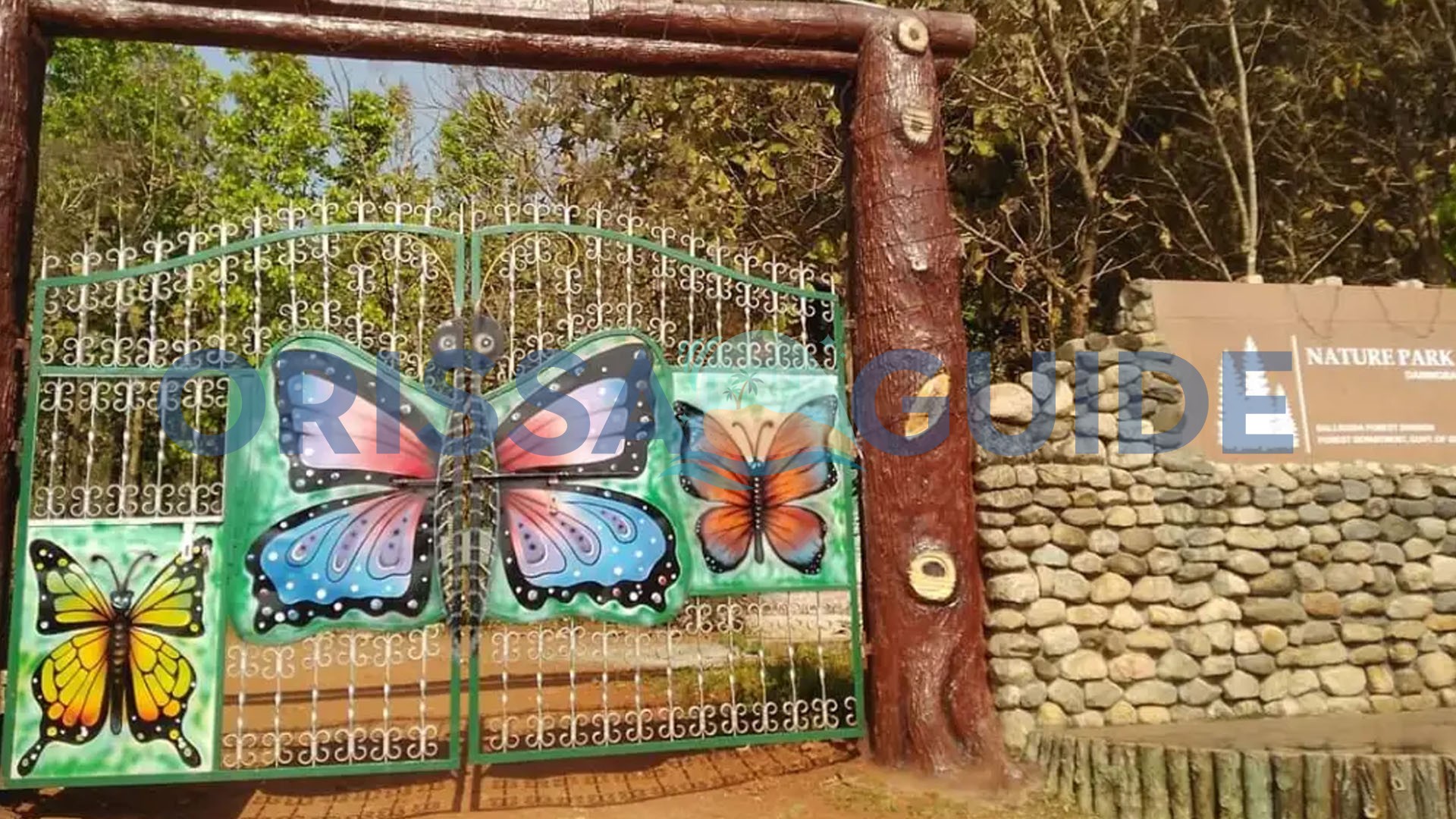
Nestled between the meandering Wardha River and the Penganga Rivers, the Ushakothi (Badrama) Wildlife Sanctuary unfolds as a concealed gem within the rich tapestry of Odisha. Located near the city of Sambalpur in the state of Odisha, this sanctuary spreads across more than 300 square kilometers of dense forest, rolling terrain, and rich biodiversity.

Declared a wildlife sanctuary in 1962, Ushakothi (also known as Badrama Wildlife Sanctuary) has long served as a refuge for diverse species of animals, birds, and plant life. Unlike many overcrowded tourist parks, this sanctuary offers a quiet, immersive experience in nature—making it ideal for wildlife enthusiasts, photographers, and travelers looking for unexplored eco-tourism destinations in India.
This comprehensive guide explores everything you need to know about Ushakothi Wildlife Sanctuary—from wildlife and safari experiences to travel tips, biodiversity, and conservation importance.
Where Is Ushakothi Wildlife Sanctuary Located?
Ushakothi Wildlife Sanctuary lies about 40 kilometers from Sambalpur in western Odisha. Surrounded by rivers, forests, and small rural settlements, the sanctuary is part of a larger ecological zone that supports wildlife migration and biodiversity conservation.
The sanctuary’s strategic location between river systems provides fertile ground for diverse flora and fauna. This landscape includes:
- Rolling hills
- Tropical deciduous forests
- Riverine ecosystems
- Open grasslands
- Forest clearings
These natural elements together create a balanced ecosystem that sustains multiple species across the food chain.
History and Importance of the Sanctuary
Ushakothi Wildlife Sanctuary was officially designated in 1962 as part of India’s efforts to conserve wildlife habitats and protect endangered species. Over time, it has grown into an important ecological reserve that helps maintain the natural balance of forests in western Odisha.
The sanctuary also plays a role in:
- Protecting elephant corridors
- Preserving native forest species
- Supporting biodiversity conservation
- Promoting eco-tourism
- Protecting rare bird species
Today, Ushakothi stands as a lesser-known yet vital conservation zone within India’s wildlife network.
Forest Ecosystem and Vegetation
One of the most fascinating aspects of Ushakothi Wildlife Sanctuary is its dense tropical deciduous forest. The sanctuary is home to several native tree species that support wildlife survival.
Key vegetation found in the sanctuary includes:
- Sal trees
- Neem
- Acacia
- Arjun
- Sandalwood
- Casuarina
These forests provide:
- Shelter for animals
- Food sources for herbivores
- Nesting habitats for birds
- Climatic balance in the region
During different seasons, the forest transforms visually—from lush green monsoon landscapes to golden autumn forests.
This makes Ushakothi a year-round attraction for nature lovers.
Wildlife You Can Spot in Ushakothi
Ushakothi Wildlife Sanctuary is known for its diverse animal population. The sanctuary provides a safe habitat for both predators and herbivores, creating a complete and thriving ecosystem.
Major Mammals in the Sanctuary
Visitors may encounter:
- Asian elephants (the sanctuary’s star attraction)
- Tigers
- Panthers
- Spotted deer (chital)
- Wild boar
- Hyenas
- Flying squirrels
Elephants are among the most prominent animals here, and the sanctuary serves as an important movement corridor for them.
Reptiles and Smaller Wildlife
The forest also supports many reptile species such as:
- Snakes
- Forest lizards
- Monitor lizards
These species contribute to the balance of the ecosystem.
Birdwatching Opportunities
Bird lovers will find Ushakothi especially rewarding. Some commonly sighted birds include:
- Racket-tailed drongo
- Peafowl
- Parakeets
- Woodpeckers
- Jungle fowl
The sanctuary’s rivers and forest canopy attract migratory and resident birds throughout the year.
Safari Experience in Ushakothi Wildlife Sanctuary
A safari through Ushakothi is one of the most exciting ways to explore the sanctuary’s wilderness. Unlike commercial wildlife parks, the safari experience here feels raw and authentic.
Visitors can explore:
- Dense forest routes
- Riverbanks
- Wildlife observation zones
- Elevated watchtower viewpoints
The sanctuary features two watchtowers that allow visitors to observe wildlife from a safe distance. Early morning safaris are particularly rewarding, as animals are more active during cooler hours.
Safari highlights include:
- Elephant sightings
- Birdwatching
- Forest photography
- Natural landscape exploration
This makes Ushakothi an ideal destination for wildlife photographers and nature explorers.
Forest Stay Experience
For travelers who want to experience the wilderness more closely, staying at the forest bungalow inside the sanctuary is an unforgettable opportunity.
A forest stay allows visitors to:
- Experience early morning jungle sounds
- Observe wildlife movements
- Enjoy stargazing in a pollution-free environment
- Connect with nature deeply
It also supports eco-tourism and conservation-based travel.
However, reservations are required in advance.
Travel Tips for Visiting Ushakothi
If you are planning a trip to Ushakothi Wildlife Sanctuary, these tips can help improve your experience:
1. Visit Early Morning
Wildlife activity is highest during early hours.
2. Wear Neutral-Colored Clothing
Avoid bright colors to blend with the forest environment.
3. Carry Essentials
Bring:
- Binoculars
- Camera
- Water bottles
- Sun protection
- Comfortable shoes
4. Follow Forest Guidelines
Always respect wildlife rules and avoid disturbing animals.
5. Hire Local Guides
Local guides improve the safari experience and help locate wildlife.
Why Ushakothi Wildlife Sanctuary Is Gaining Popularity
In recent years, travelers have started looking beyond mainstream national parks. Ushakothi has gained attention due to:
- Untouched natural environment
- Less crowded safaris
- Rich biodiversity
- Authentic wildlife experiences
- Eco-tourism opportunities
It is becoming a preferred destination for:
- Wildlife photographers
- Travel bloggers
- Nature enthusiasts
- Researchers studying biodiversity
Ecological Importance of Ushakothi
Wildlife sanctuaries like Ushakothi are essential for environmental sustainability.
They help:
- Protect endangered species
- Maintain ecological balance
- Preserve forests
- Support climate regulation
- Prevent habitat loss
As human development expands, protected areas like Ushakothi become even more important.
Conservation efforts in the sanctuary also support local communities and eco-tourism initiatives.
Destination Attractions, Destination Facilities, Transportation, Accessibility, How to Reach
Opening Time
Ushakothi Wildlife Sanctuary’s opening time is every day, Morning from 7 am to Evening 6 pm.
Best Time to Visit
The best time to visit Ushakothi Wildlife Sanctuary is at month October to March of the year.
Nearest Airport
The nearest airport is Sambalpur Domestic Airport, Bhubaneswar, which is located around 54 KM distance from the Ushakothi Wildlife Sanctuary picnic spot
Nearest Bus Stop
The nearest Bus stop is Bhojpur, which is located around 25 KM distance from Ushakothi Wildlife Sanctuary
Nearest Railway Station
The Nearest Railway Station is Jharsuguda, which is located around 85 KM distance from Ushakothi Wildlife Sanctuary
Conclusion
Ushakothi Wildlife Sanctuary remains one of Odisha’s most fascinating yet underexplored natural treasures. Its dense forests, thriving wildlife population, and peaceful environment make it a perfect destination for anyone seeking a true wilderness experience.
Whether you are a wildlife enthusiast, nature photographer, eco-tourist, or simply someone who loves exploring hidden destinations, Ushakothi offers a rare opportunity to witness nature in its purest form.
As eco-tourism continues to grow, destinations like Ushakothi Wildlife Sanctuary are likely to become increasingly important—not only for travelers but also for conservation and environmental awareness.